Basic arithmetic skills Building Vocabulary Worksheets for Ages 5-7
3 filtered results
-
From - To
Enhance your child's math foundation with our Basic Arithmetic Skills Building Vocabulary Worksheets, designed specifically for ages 5-7. These engaging worksheets combine fun activities with essential arithmetic concepts, helping young learners develop confidence in addition, subtraction, and number recognition. Each worksheet focuses on enhancing vocabulary related to math, making learning both enjoyable and effective. Ideal for at-home practice or classroom use, these resources cater to diverse learning styles while promoting critical thinking and problem-solving skills. Give your child the tools they need to succeed in mathematics and foster a lifelong love for learning with our simple yet effective worksheets!
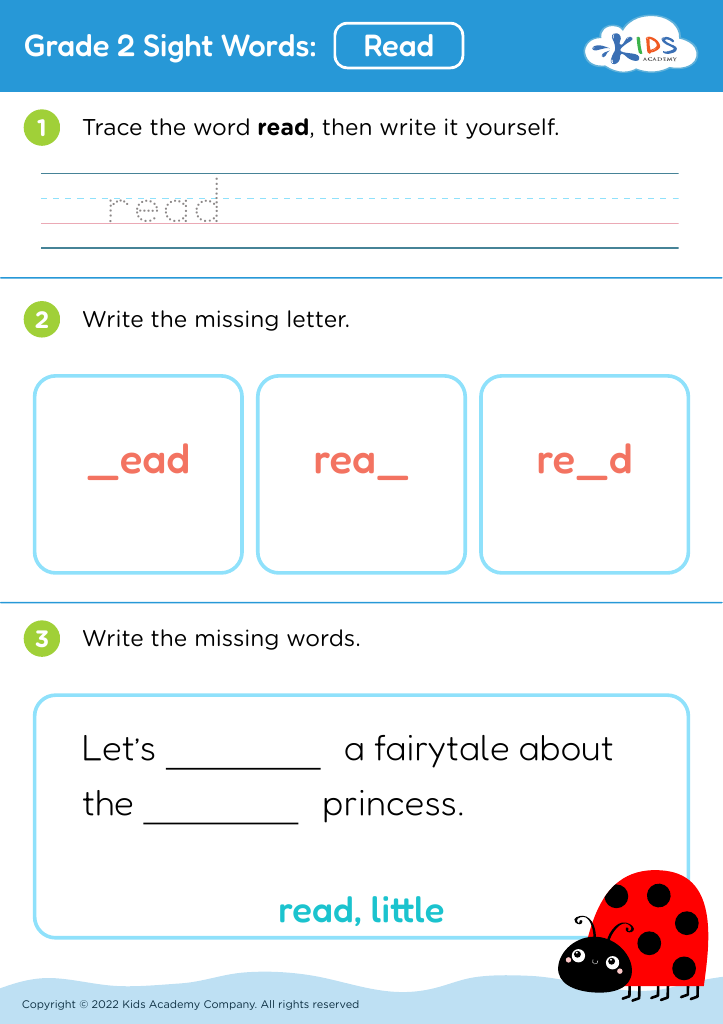











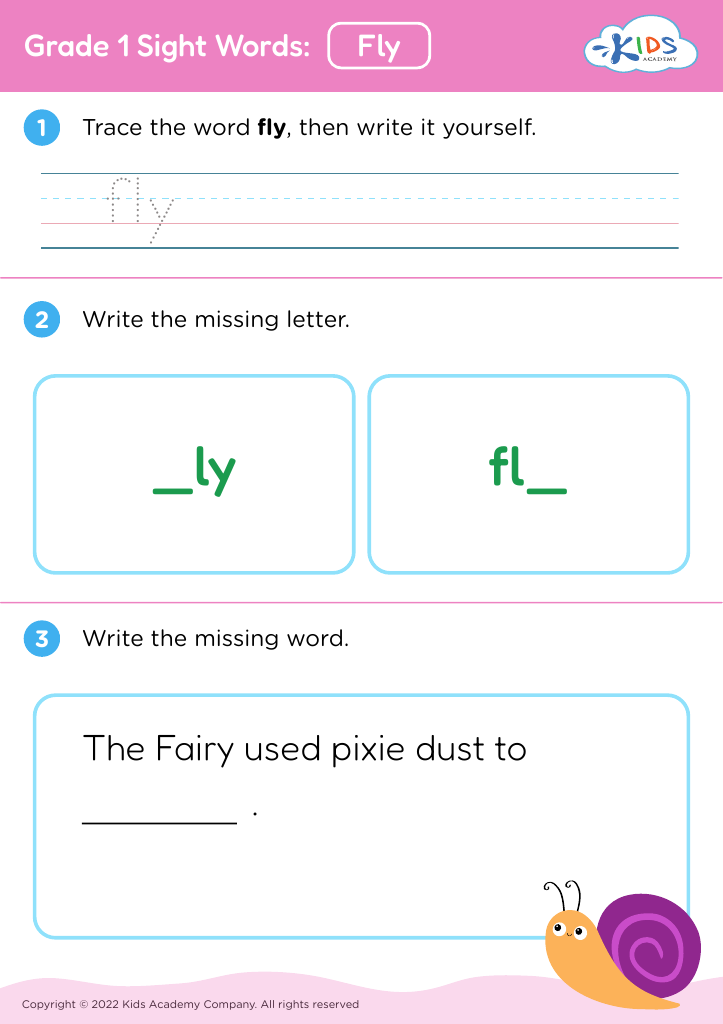
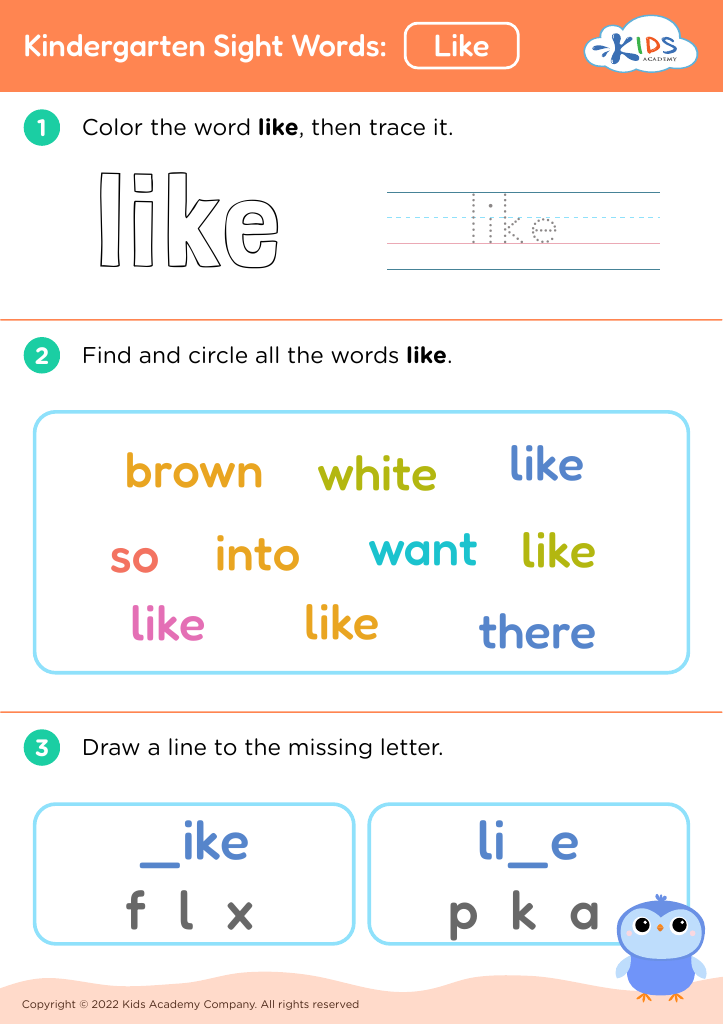








Building basic arithmetic skills and vocabulary in children aged 5-7 is crucial for their overall development and future learning success. At this age, children are at a critical stage of cognitive growth, where foundational knowledge sets the stage for more complex concepts. Basic arithmetic skills, such as addition and subtraction, foster essential problem-solving abilities and logical thinking. These skills not only aid in math competency but also encourage perseverance when facing challenges.
Additionally, a rich vocabulary is vital for reading comprehension, communication, and literacy development. When children learn new words, they gain the ability to express themselves more clearly, understand instructions better, and engage in meaningful conversations. A strong vocabulary supports their ability to tackle academic content across various subjects, as many concepts are tied to specific language.
For parents and teachers, focusing on these areas fosters confidence in children, encouraging curiosity and a love for learning. Incorporating engaging activities that combine math and vocabulary helps to create a supportive learning environment where children can thrive. By prioritizing these foundational skills, adults can empower children to achieve greater academic success and develop critical skills that will serve them for years to come.








