Counting practice Building Vocabulary Worksheets for Ages 5-7
8 filtered results
-
From - To
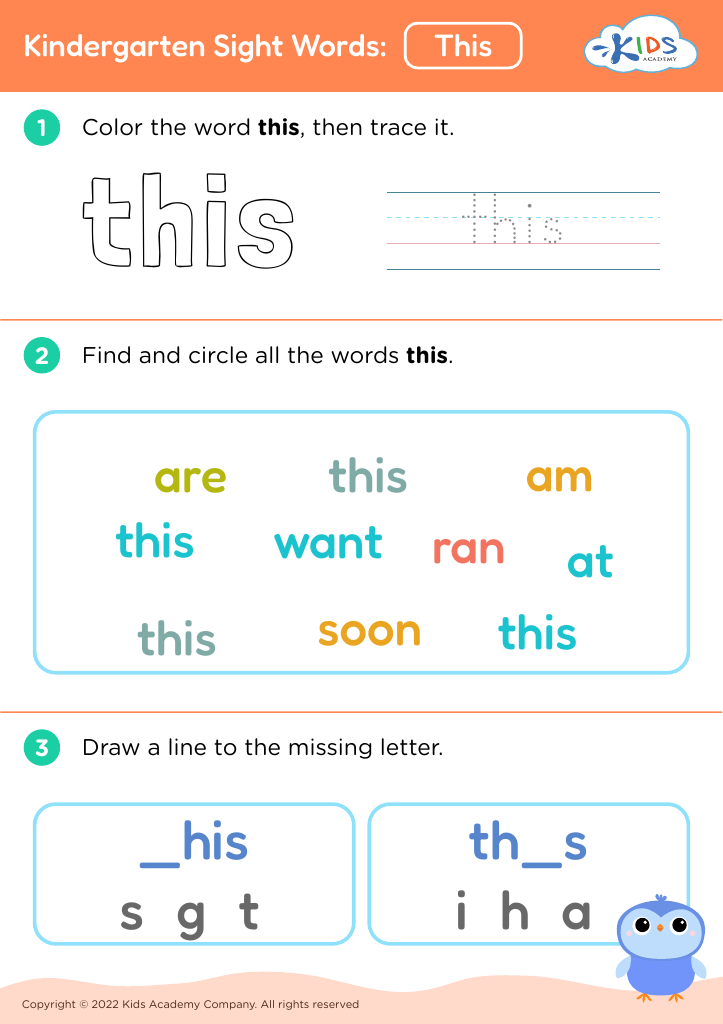
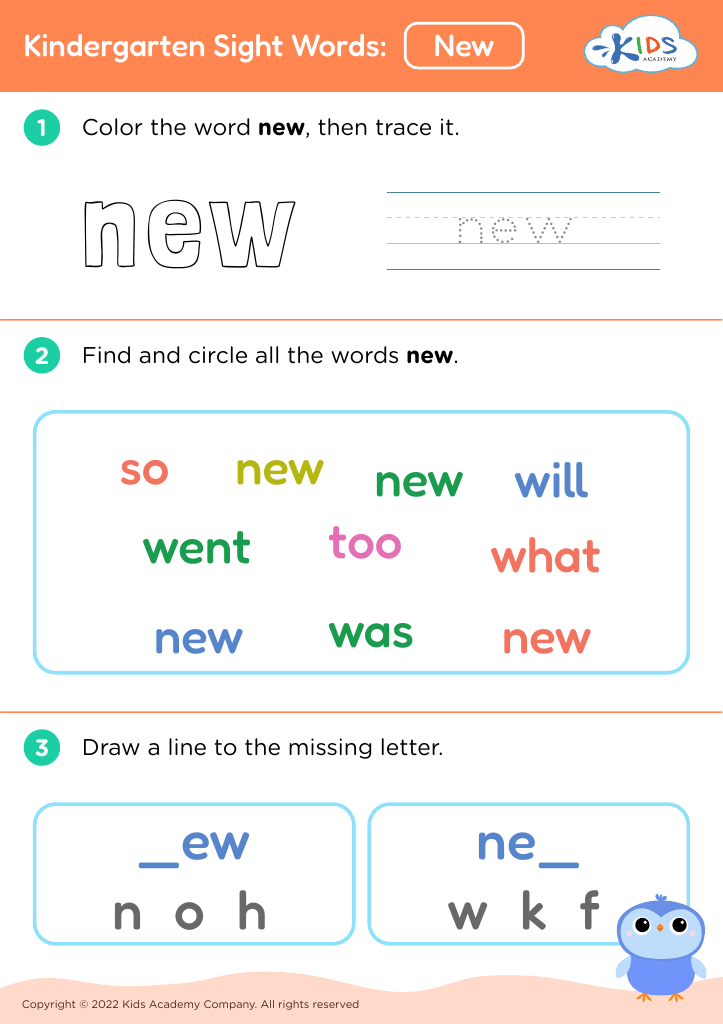
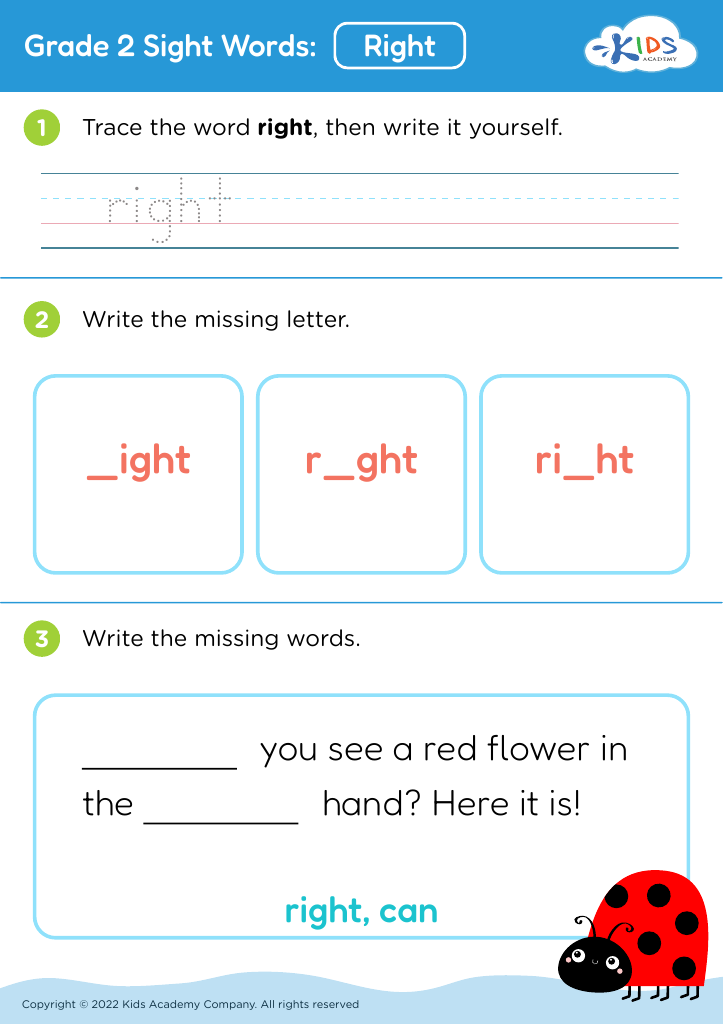
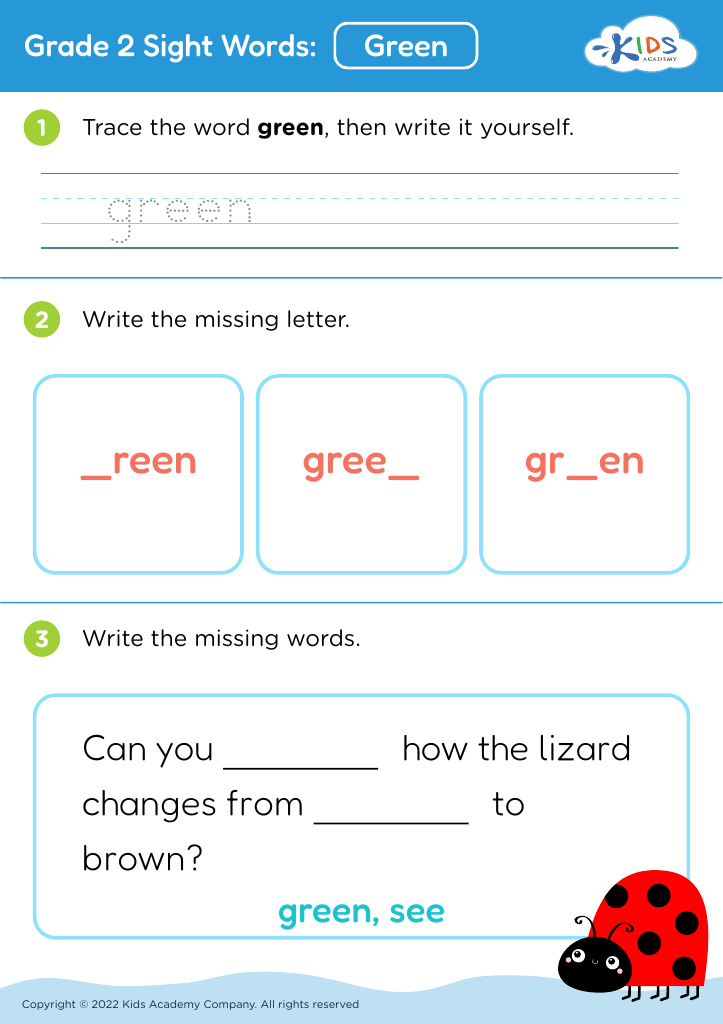
Enhance your child's learning experience with our engaging Counting Practice Building Vocabulary Worksheets, designed for ages 5-7. These interactive worksheets combine essential number skills with vocabulary enrichment to create a fun, meaningful learning environment. Young learners will practice counting while simultaneously expanding their word knowledge through colorful visuals and age-appropriate activities. Each worksheet promotes critical thinking and helps develop a solid foundation in mathematics and language arts. Perfect for use at home or in the classroom, our resources encourage independent learning and development. Help your child become confident in both counting and vocabulary—download our worksheets today for an enriching educational experience!
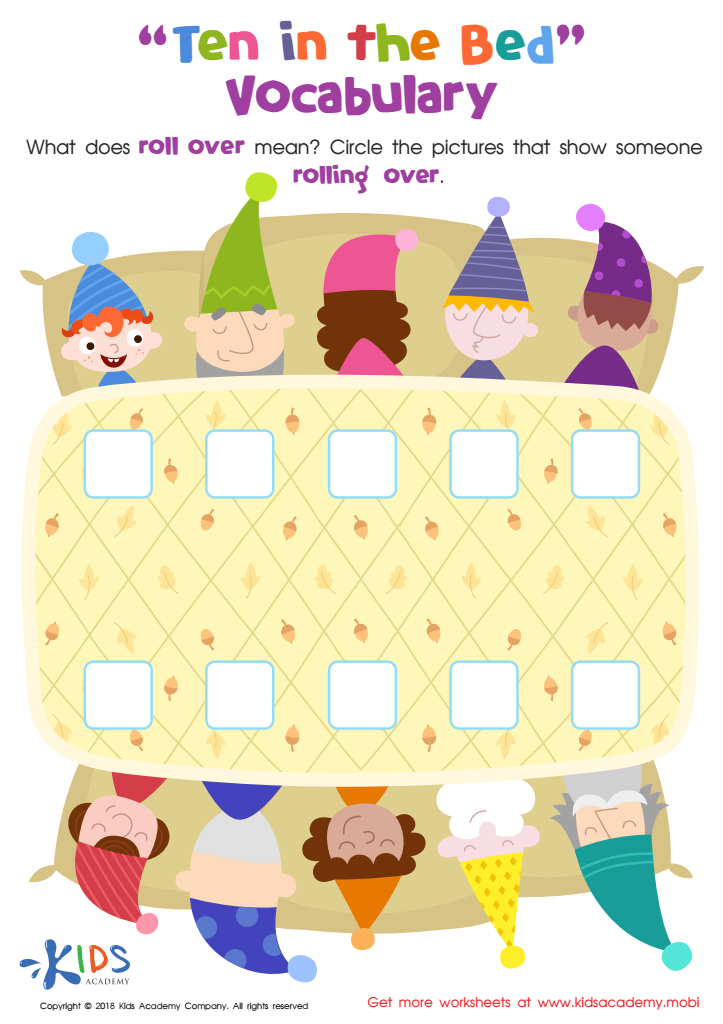
Ten in the Bed: Vocabulary Worksheet
 Assign to My Students











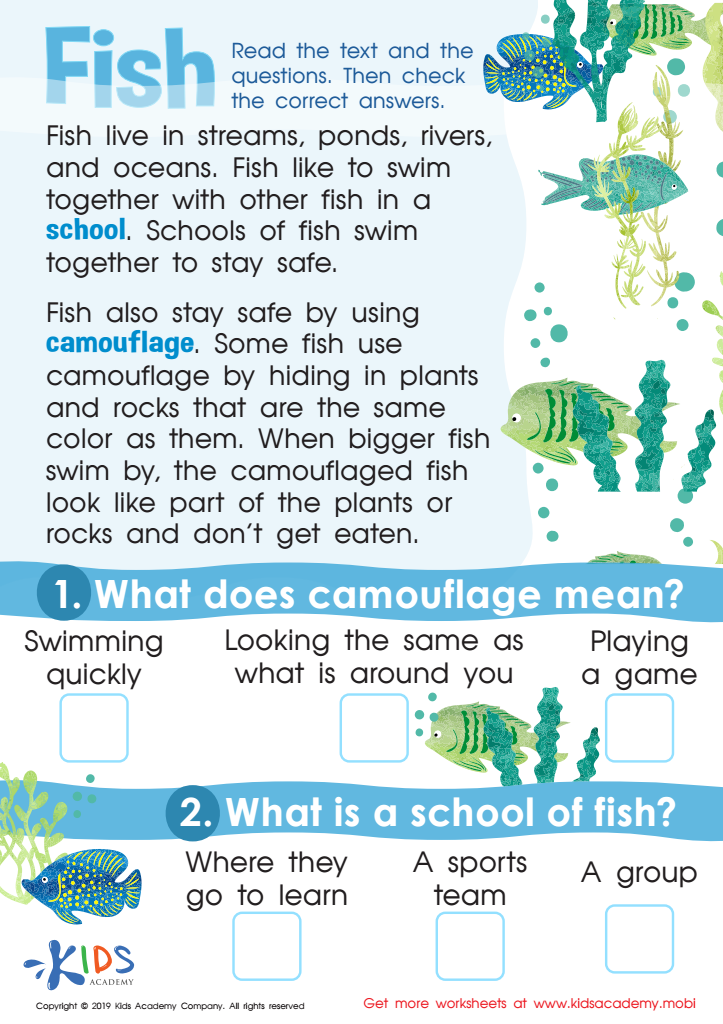
Fish Worksheet
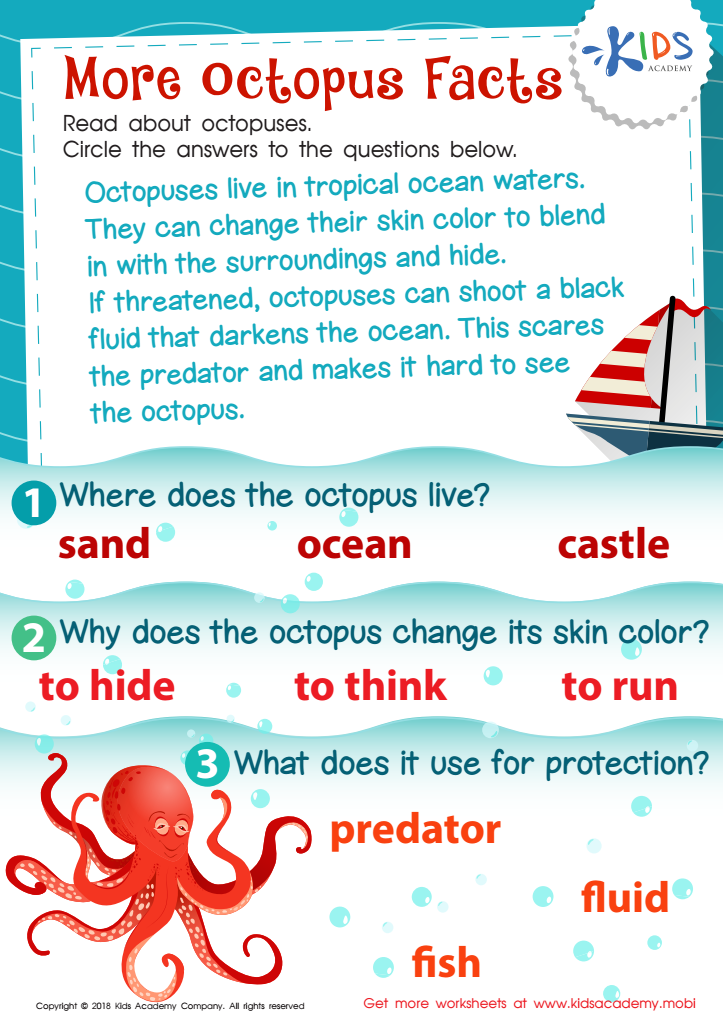
More Octopus Facts Worksheet
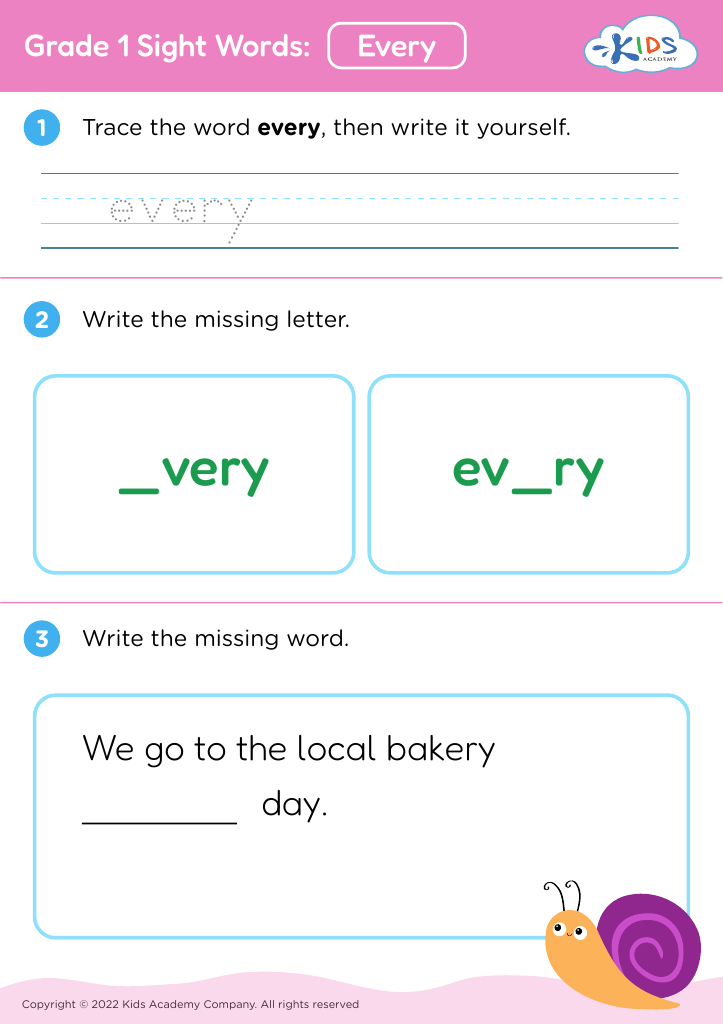







.jpg)
Parents and teachers should prioritize counting practice and vocabulary building for children aged 5-7 because these foundational skills are crucial for overall academic success and cognitive development. At this age, children experience rapid brain growth, making it an ideal time to introduce math concepts and language skills.
Counting practice enhances numerical fluency, aiding in problem-solving and critical thinking later in life. It promotes an understanding of basic mathematical concepts such as addition, subtraction, and number sense, which are essential for future subjects like math and science.
Building vocabulary is equally important, as it supports literacy development. A rich vocabulary helps children articulate their thoughts, understand instructions, and engage in dialogues. By fostering language skills, parents and teachers can boost reading comprehension and communication abilities—all of which are essential for academic achievement.
Moreover, these skills foster confidence and curiosity, encouraging a love for learning. Interactive activities such as games, songs, and storytelling can make counting and vocabulary practice enjoyable, reinforcing engagement and retention. Ultimately, investing time in these areas lays a strong educational foundation for children, preparing them for the challenges of the future and equipping them with essential life skills.








