Practice subtraction Building Vocabulary Worksheets for Ages 5-7
3 filtered results
-
From - To
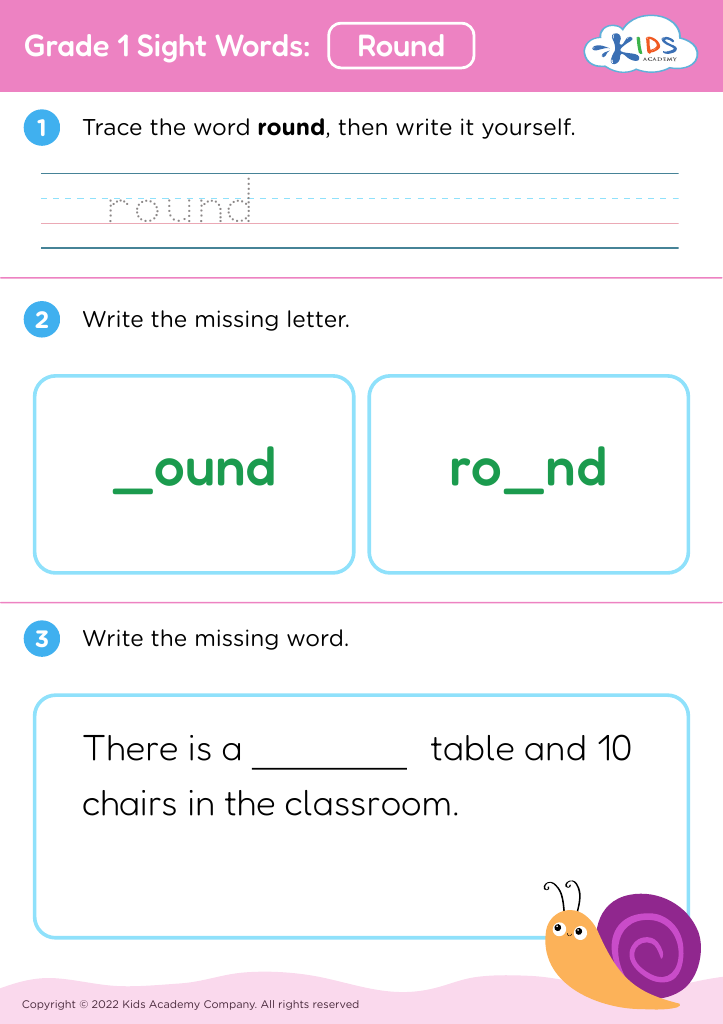
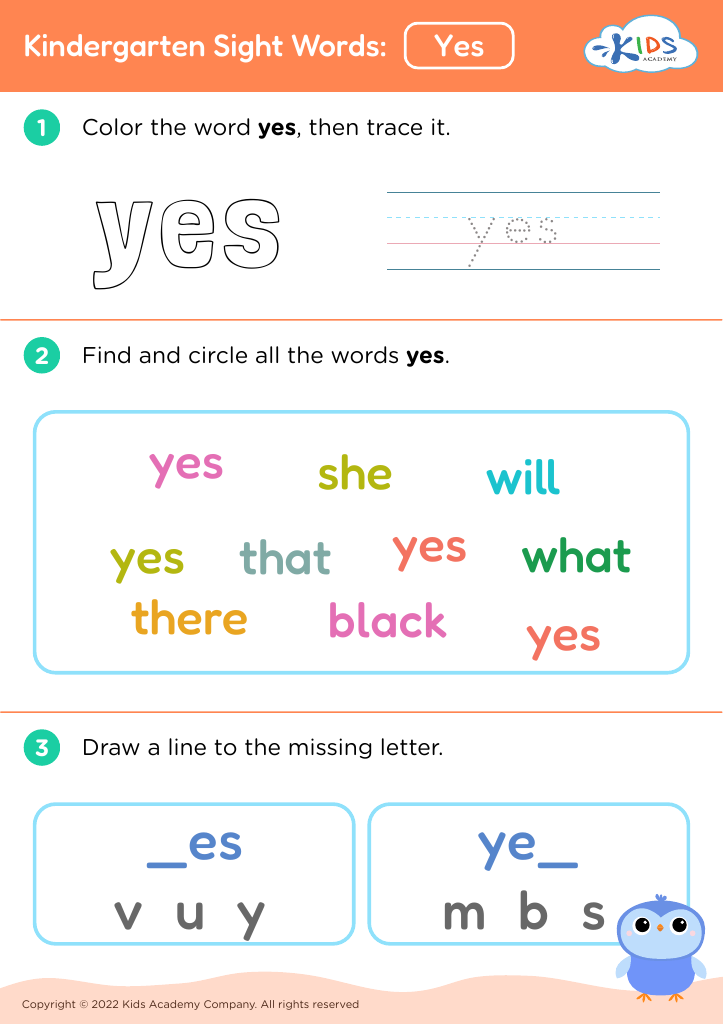
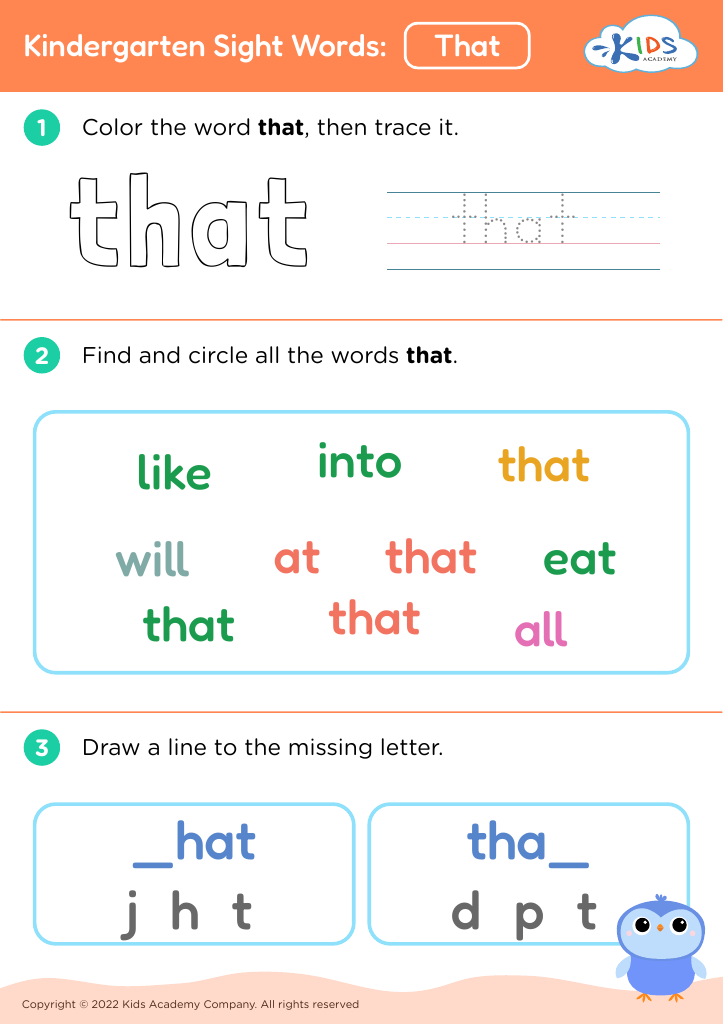
Enhance your child's learning experience with our "Practice Subtraction Building Vocabulary Worksheets," designed specifically for ages 5-7. These engaging worksheets not only help children master subtraction skills but also build their vocabulary through interactive and enjoyable activities. Kids will tackle fun word problems, relate math notions to everyday scenarios, and develop critical thinking skills while solidifying their understanding of subtraction. Ideal for at-home learning or classroom use, these resources encourage a love of math and language alike. Download now to provide your little learners with the perfect tools to boost their confidence and proficiency in both subjects!



















Practice subtraction is a critical skill for children aged 5-7, as it lays the foundation for mathematical comprehension and problem-solving abilities. For parents and teachers, fostering strong subtraction skills helps children develop confidence and competence in their mathematical abilities. Subtraction is not just an isolated skill; it intertwines with various aspects of learning, including critical thinking and analytical reasoning.
Building vocabulary around subtraction enhances children’s understanding of mathematical concepts. Words like "minus," "take away," and "difference" help children articulate their thought processes and understand problems more deeply. Additionally, by discussing subtraction in context—such as sharing snacks or toys—children grasp its practical applications, reinforcing learning through relatable scenarios.
Moreover, practice leads to mastery, and regular engagement in subtraction activities minimizes math anxiety and builds a positive attitude towards math. Encouraging discussion about subtraction among peers can also enhance social skills and teamwork. In an educational landscape increasingly driven by STEM fields, emphasizing foundational skills like subtraction positions children for future academic successes.
Ultimately, parents and teachers play a vital role in supporting these young learners, ensuring they're equipped with essential skills for both present and future challenges.








