Understanding fractions Building Vocabulary Worksheets for Ages 5-7 - Page 2
47 filtered results
-
From - To











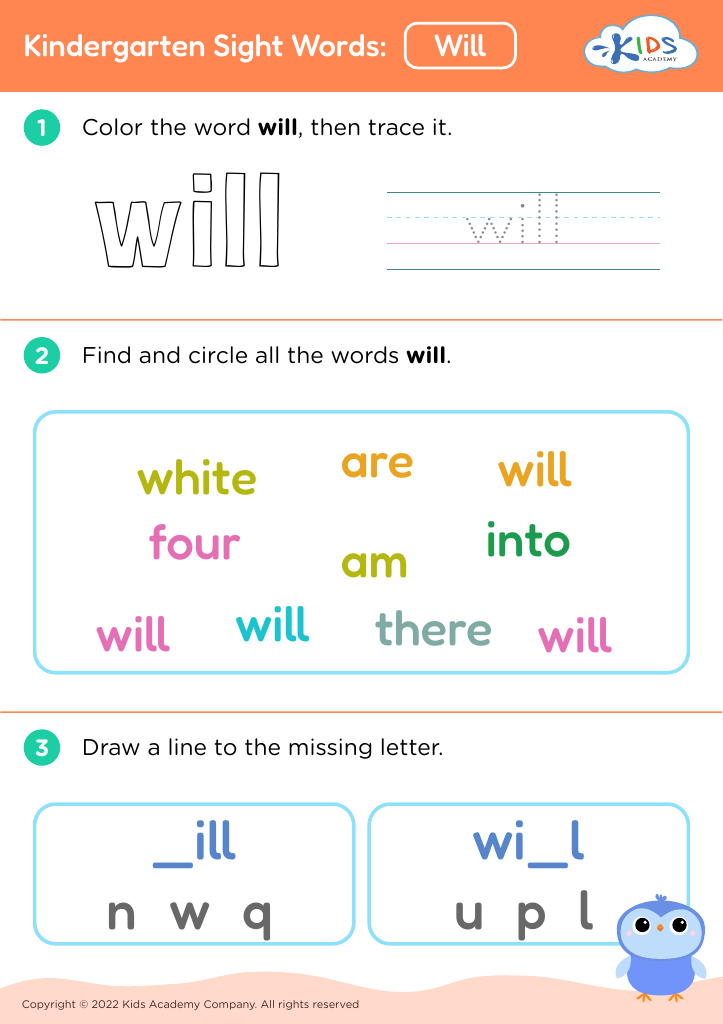
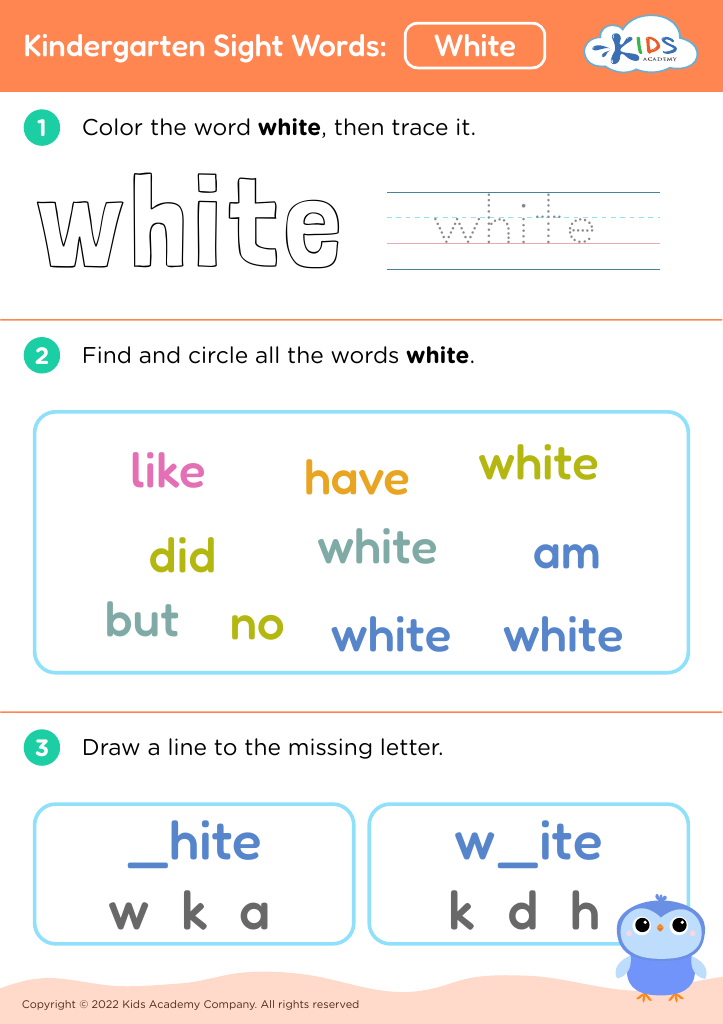
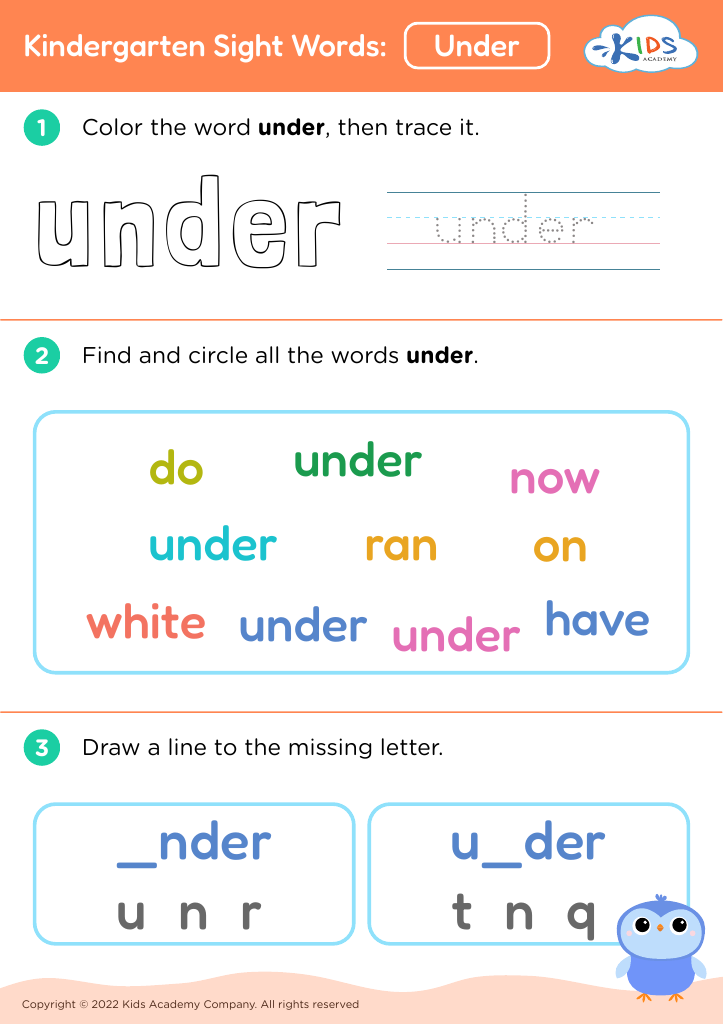
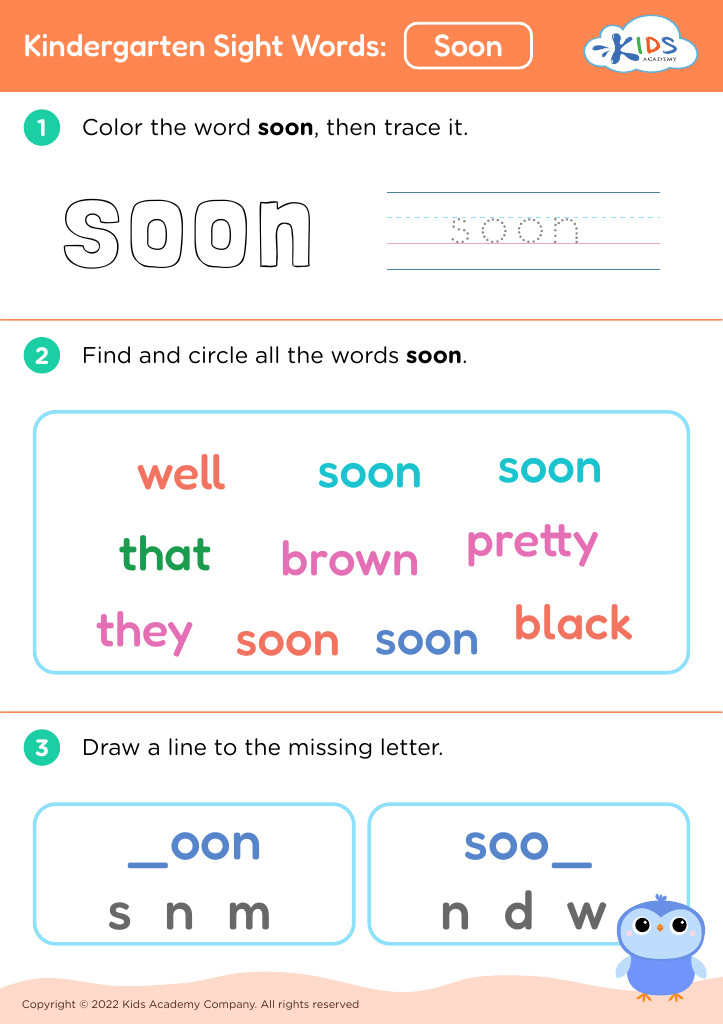
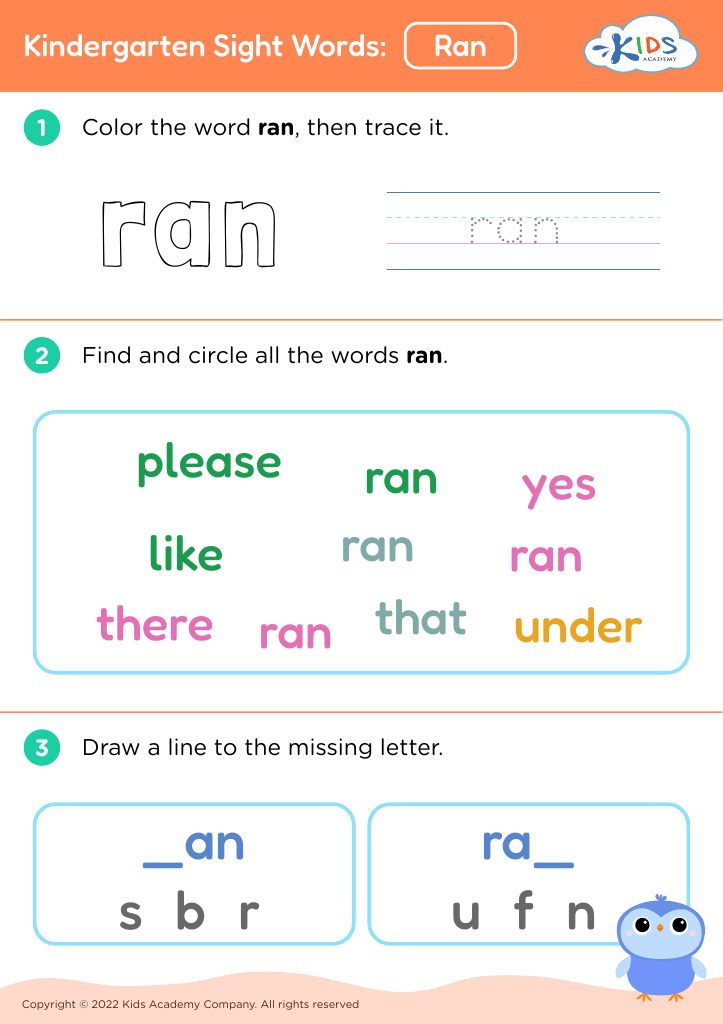
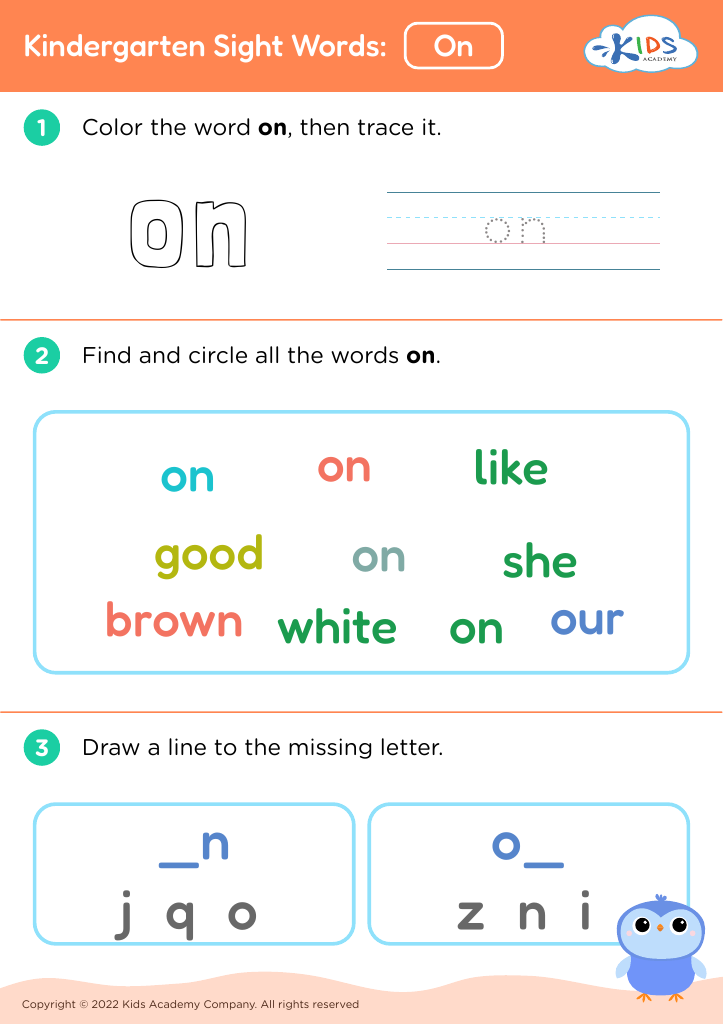
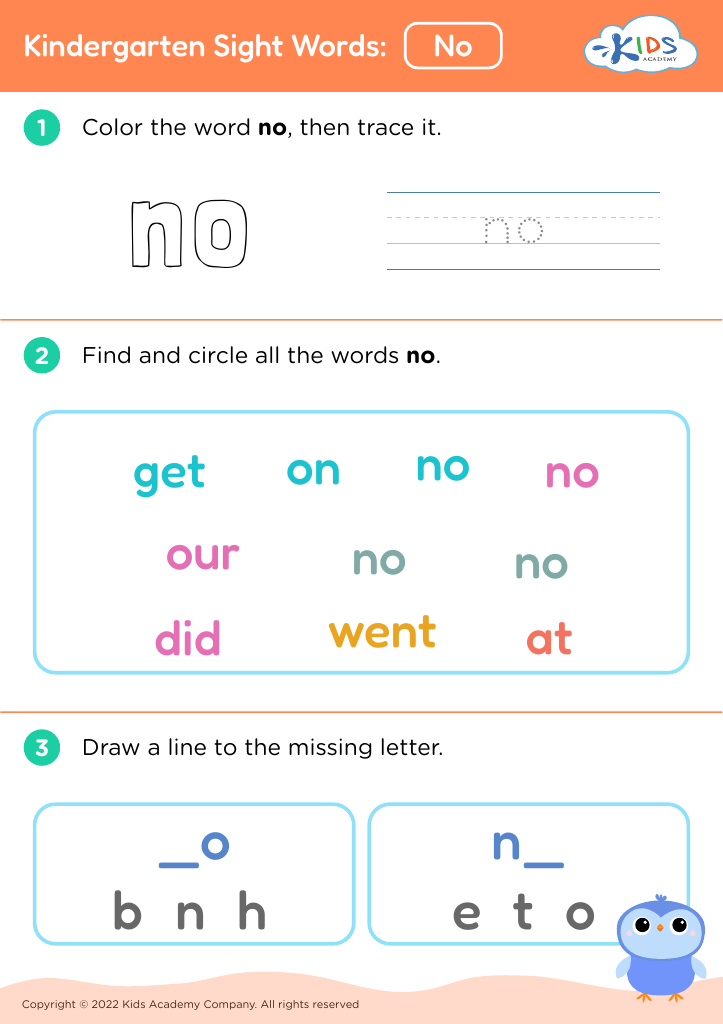
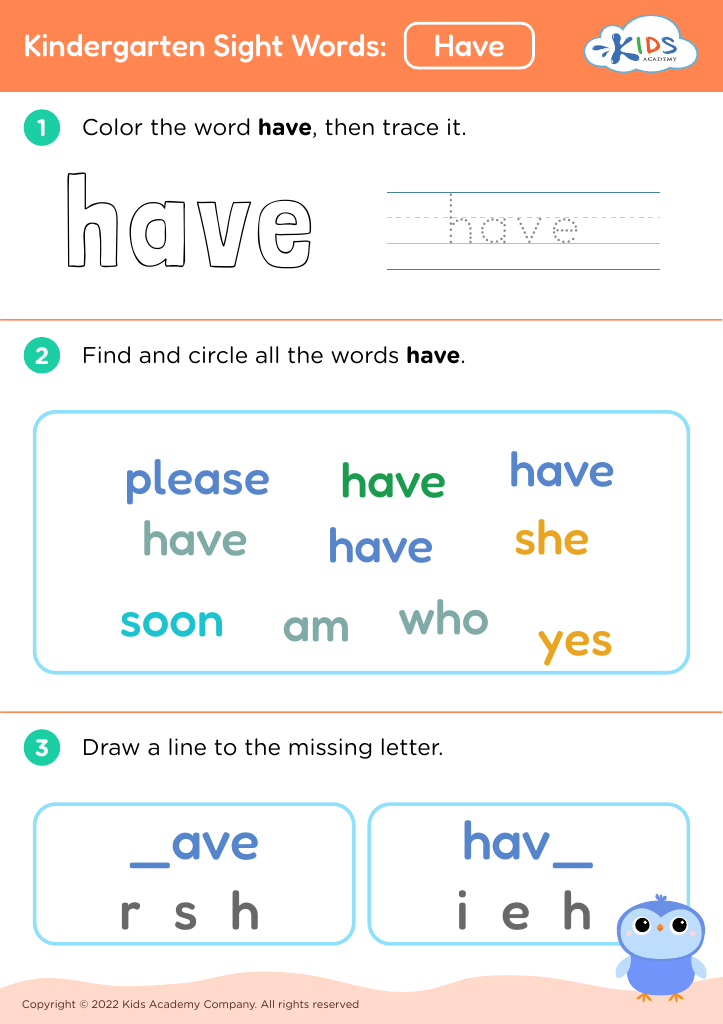







Understanding fractions is crucial for young learners, particularly ages 5-7, as it lays the foundation for their future mathematical skills. At this age, children begin to grasp basic concepts of part-whole relationships, which are essential for understanding not only mathematics but also real-life situations such as cooking, sharing, and measuring. When children learn about fractions, they develop critical thinking and problem-solving skills, enabling them to navigate challenges beyond simple arithmetic.
Moreover, building vocabulary in this domain is imperative. When educators and parents introduce terminology such as "whole," "part," "numerator," and "denominator," they equip children with the language tools necessary to articulate their understanding and thoughts about fractions. This vocabulary also helps bridge connections to related concepts in geometry and measurement, enhancing overall comprehension.
Fostering a supportive environment where children can discuss and explore fractions encourages collaboration and communication skills. When parents and teachers actively engage in fraction-building activities, they reinforce a positive attitude towards math, helping children develop confidence in their abilities. Ultimately, by caring about how children understand fractions and the language surrounding it, adults play a vital role in shaping resilient learners who are well-prepared for future academic endeavors.








