Understanding habitats Building Vocabulary Worksheets for Ages 5-7
3 filtered results
-
From - To
Introducing "Understanding Habitats: Building Vocabulary Worksheets for Ages 5-7" from Kids Academy! Designed to enrich young learners' reading skills, these engaging printables take children on a journey through different habitats. Each worksheet helps students explore new vocabulary, using vibrant illustrations and kid-friendly definitions to make learning fun. Perfect for ages 5-7, these resources encourage children to understand and describe the world around them, from forests and oceans to deserts. Ideal for classroom settings or at-home practice, these worksheets are a fantastic tool for parents and educators aiming to expand their children's language and knowledge of diverse ecosystems.
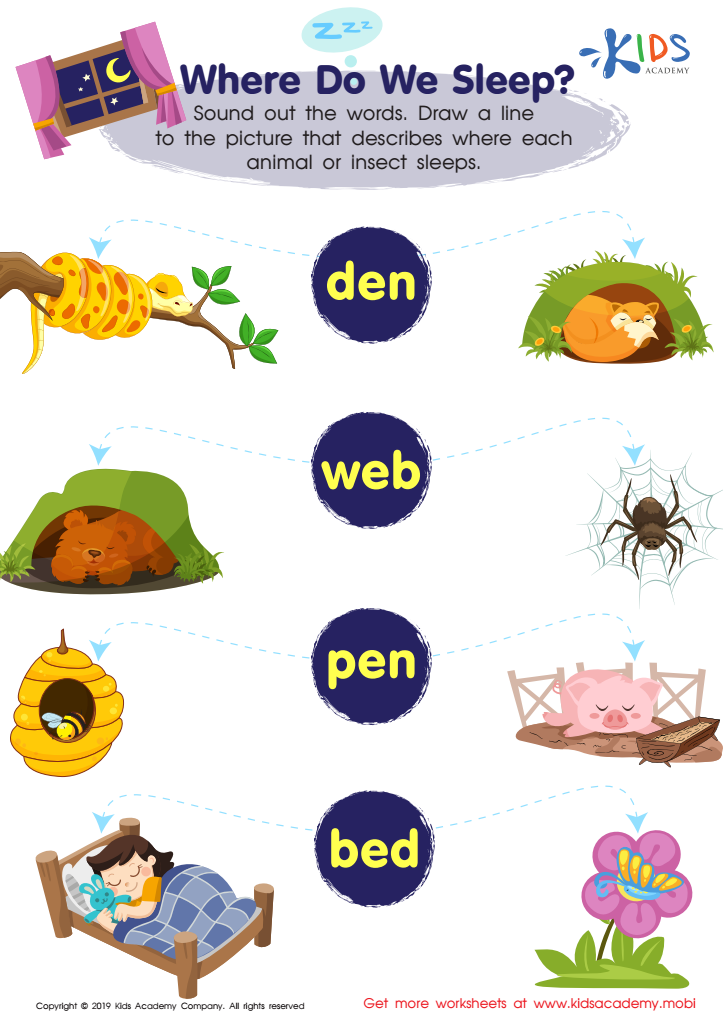
Where Do We Sleep Worksheet
 Assign to My Students











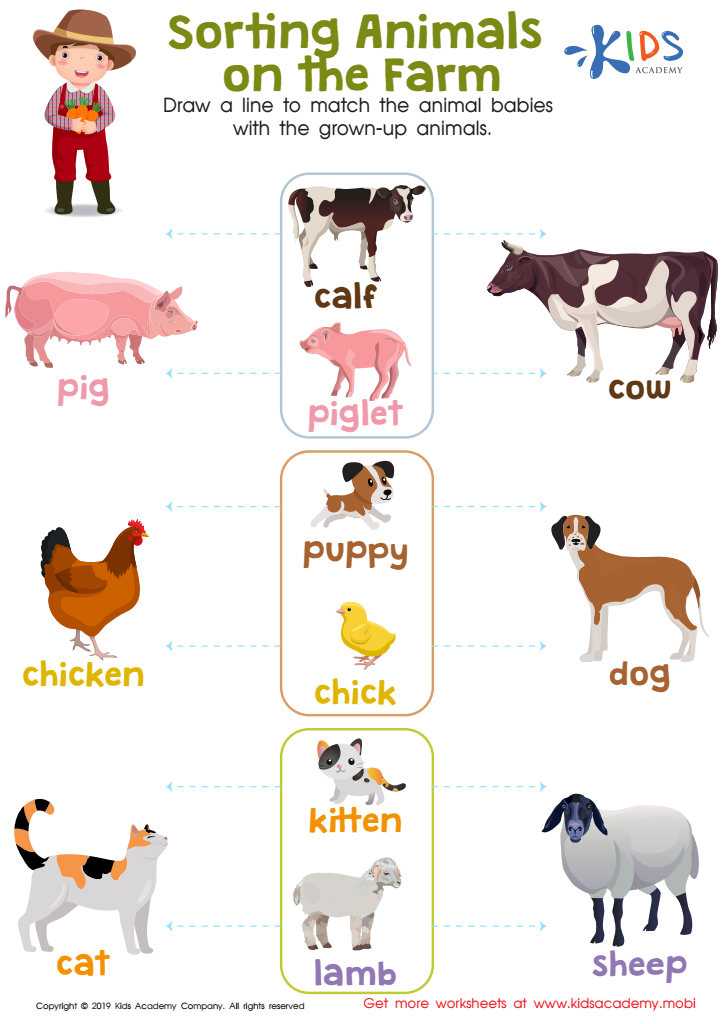
Sorting Animals on the Farm Worksheet
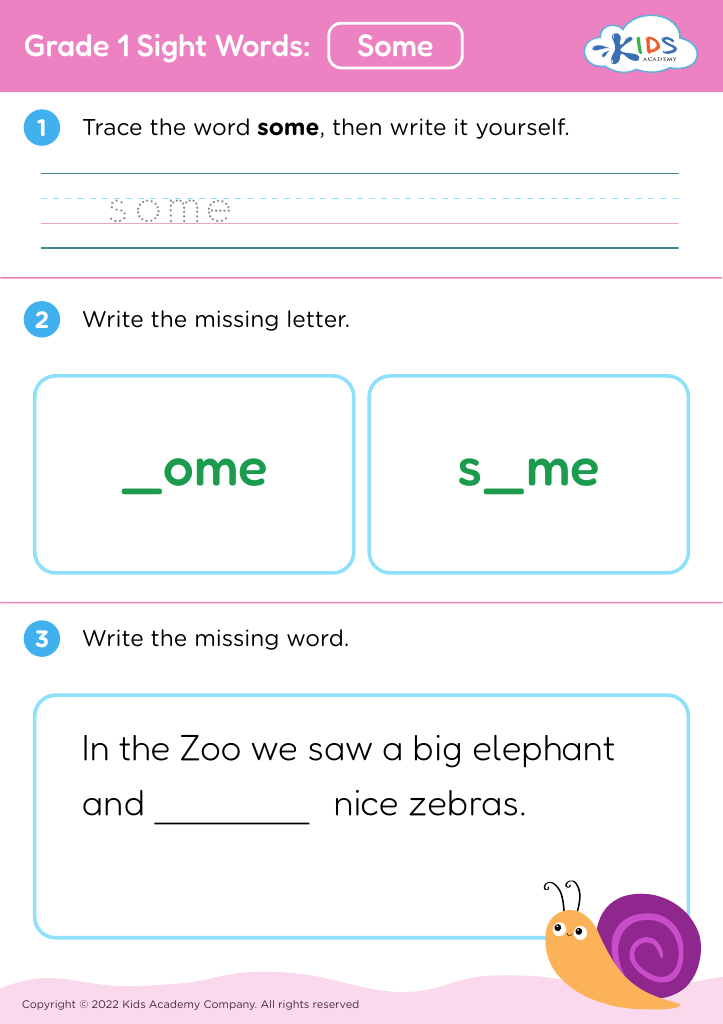



.jpg)




Understanding habitats and building vocabulary in children aged 5-7 is vital for several reasons. First, learning about different habitats such as forests, oceans, and deserts helps young children develop an early appreciation for the environment, fostering a sense of respect and responsibility towards nature. This foundational knowledge can cultivate a lifelong interest in science and conservation.
In parallel, building vocabulary is crucial at this developmental stage. A rich vocabulary supports children in understanding and articulating their experiences and ideas more effectively. It enhances their reading skills, which are fundamental to all areas of learning. When children learn words in the context of engaging topics like habitats, they are more likely to retain information and enjoy the learning process.
Furthermore, exploring various habitats and the creatures that live in them can stimulate curiosity and critical thinking. It encourages children to ask questions, make observations, and draw connections between different living things and their environments. This holistic approach not only builds their knowledge but also strengthens cognitive and language skills.
In sum, focusing on habitats and vocabulary during these formative years can provide a solid foundation for future learning, inspire a respect for the natural world, and support overall academic success.








