Sequencing Skills Reading Fiction Worksheets for Ages 5-7
5 filtered results
-
From - To
Enhance your child's reading comprehension with our Sequencing Skills Reading Fiction Worksheets, designed specifically for ages 5-7! These engaging and age-appropriate worksheets help young learners develop essential sequencing skills by allowing them to arrange stories in the correct order. Through stimulating narratives and fun activities, children will boost their understanding of story structure and improve their critical thinking abilities. Perfect for parents and teachers alike, these worksheets make learning enjoyable while nurturing a love for reading. Explore our collection today and support your child's educational journey in a fun and interactive way!
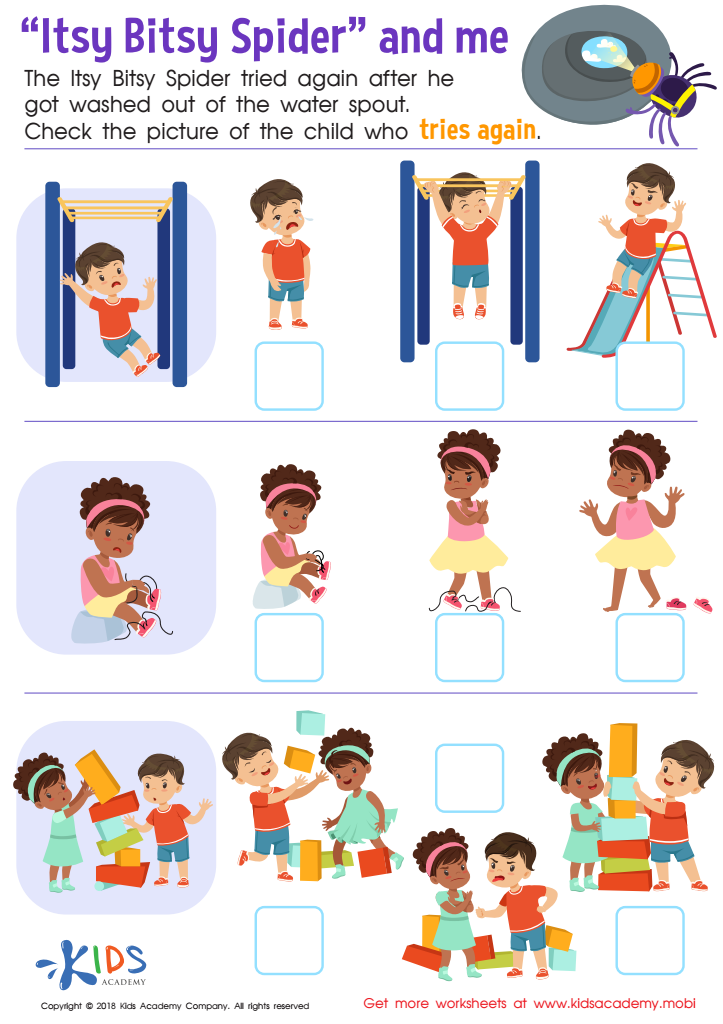
Itsy Bitsy Spider and Me Worksheet
 Assign to My Students
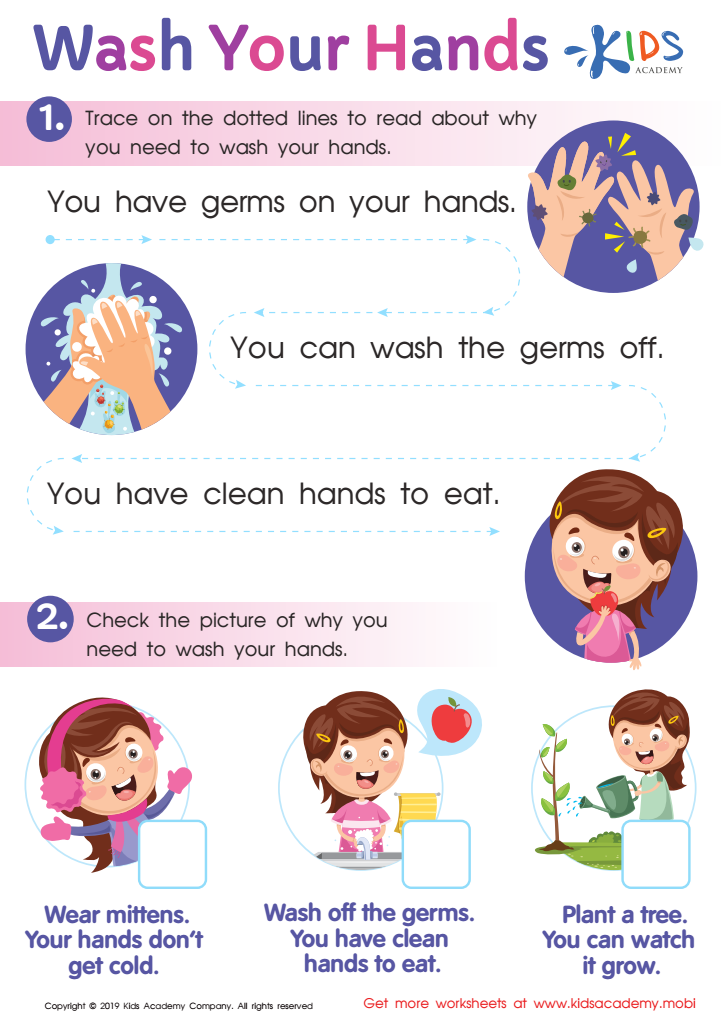
Wash Your Hands Worksheet
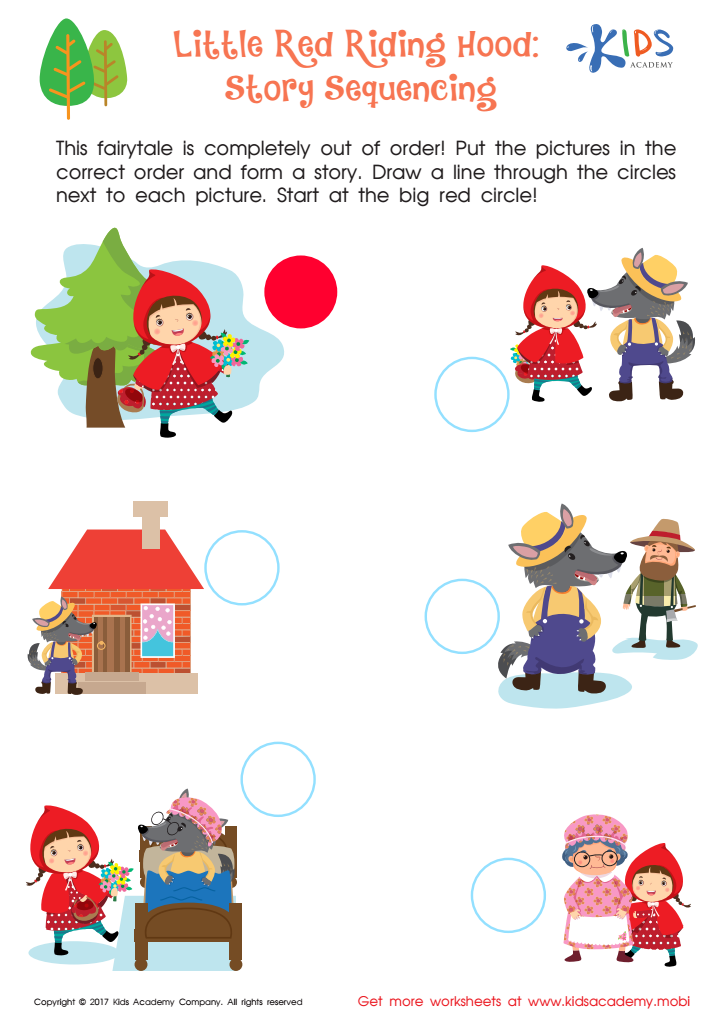
Story Sequencing Printable
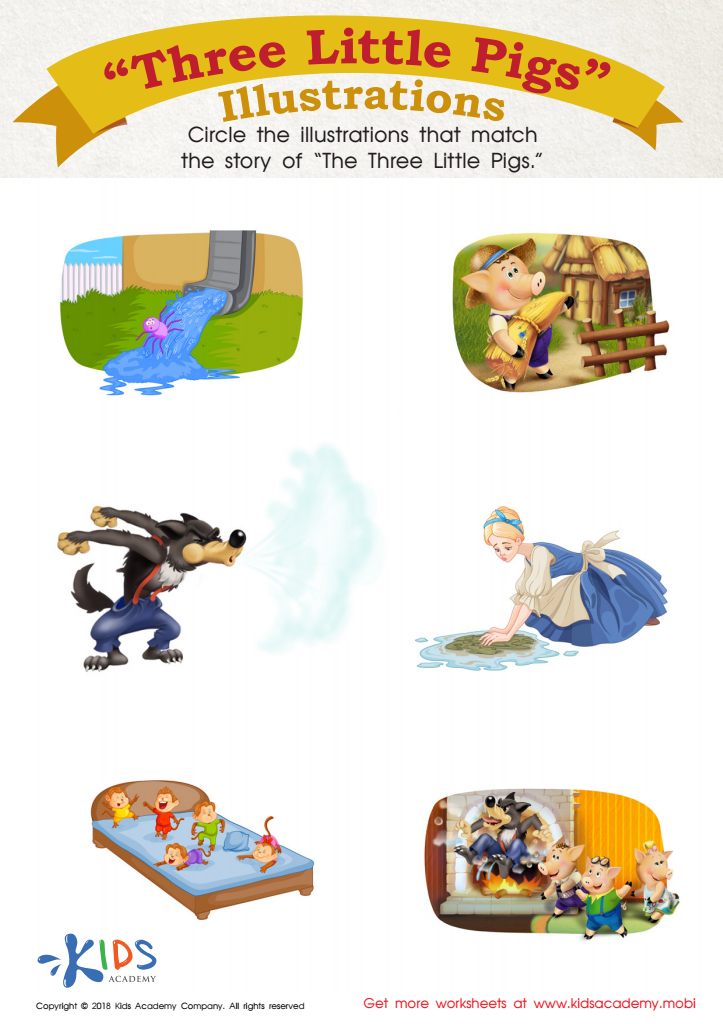
Three Little Pigs: Illustrations Worksheet
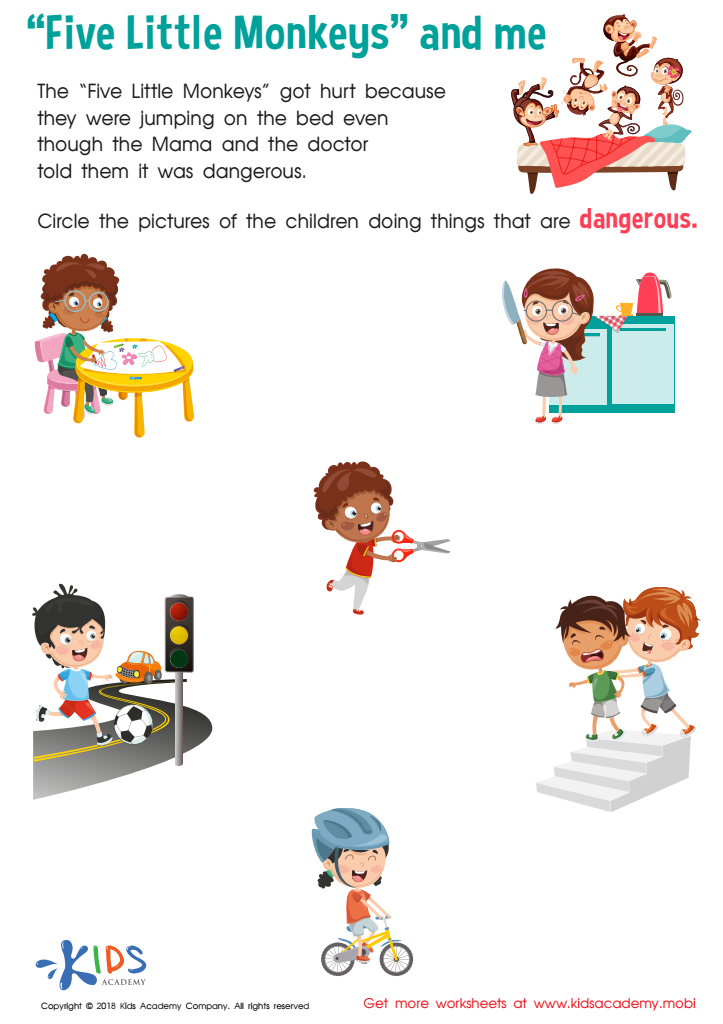
Five Little Monkeys and Me Worksheet





.jpg)
.jpg)

Sequencing skills are crucial for children ages 5-7, particularly when reading fiction, as they lay the foundation for comprehension and critical thinking. Understanding the sequence of events helps young readers grasp the narrative structure, making it easier to follow plots and predict outcomes. This skill enhances their ability to synthesize information, allowing them to connect events and characters, which is vital for overall literacy development.
When parents and teachers focus on sequencing, they foster analytical thinking. Children learn to identify beginnings, middles, and ends of stories, improving their ability to retell narratives and recognize cause-and-effect relationships. These skills also encourage creativity; as children become adept at sequencing, they can create their own stories, boosting their imagination.
Furthermore, strong sequencing skills contribute to better academic performance across subjects. Reading fiction encourages emotional development and empathy as children understand characters' motivations, fostering social skills as they discuss stories with peers.
In summary, enhancing sequencing skills in young readers equips them for successful learning, grows their literacy abilities, and fosters emotional intelligence, making it a vital focus for parents and teachers during this developmental stage.








