Story analysis Reading Fiction Worksheets for Ages 5-7
5 filtered results
-
From - To
Unlock the world of storytelling with our Story Analysis Reading Fiction Worksheets, designed for children aged 5-7! These engaging worksheets help young readers delve deeper into their favorite tales, encouraging them to explore characters, settings, and plot structures. With vibrant illustrations and age-appropriate activities, kids will enhance their comprehension skills while having fun. Our thoughtfully crafted exercises promote critical thinking and creativity, empowering children to express their ideas about the stories they read. Perfect for classroom use or at-home learning, these worksheets make story analysis enjoyable and accessible for early learners. Dive into the magical world of fiction today!
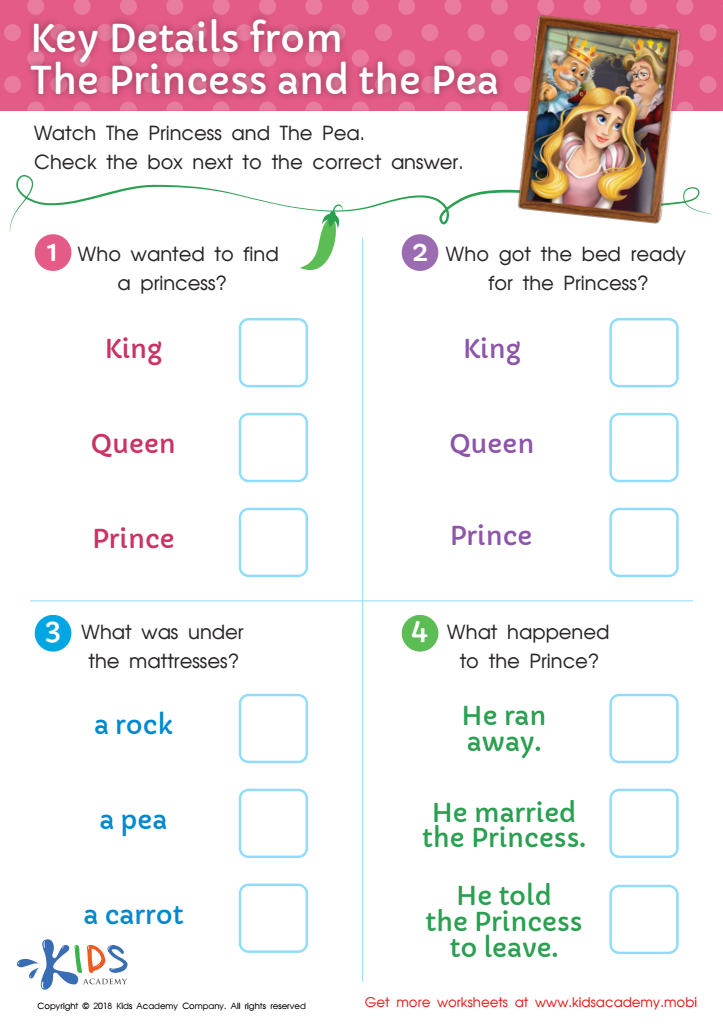
Key Details from the Princess and the Pea Worksheet
 Assign to My Students
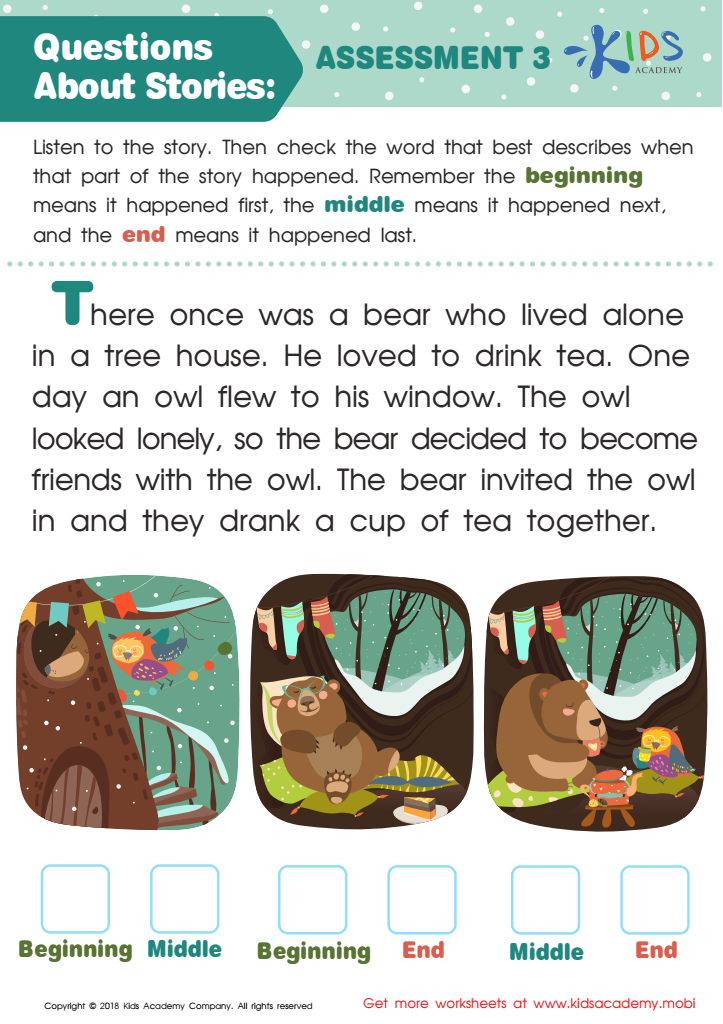
Questions About Stories: Assessment 3 Worksheet
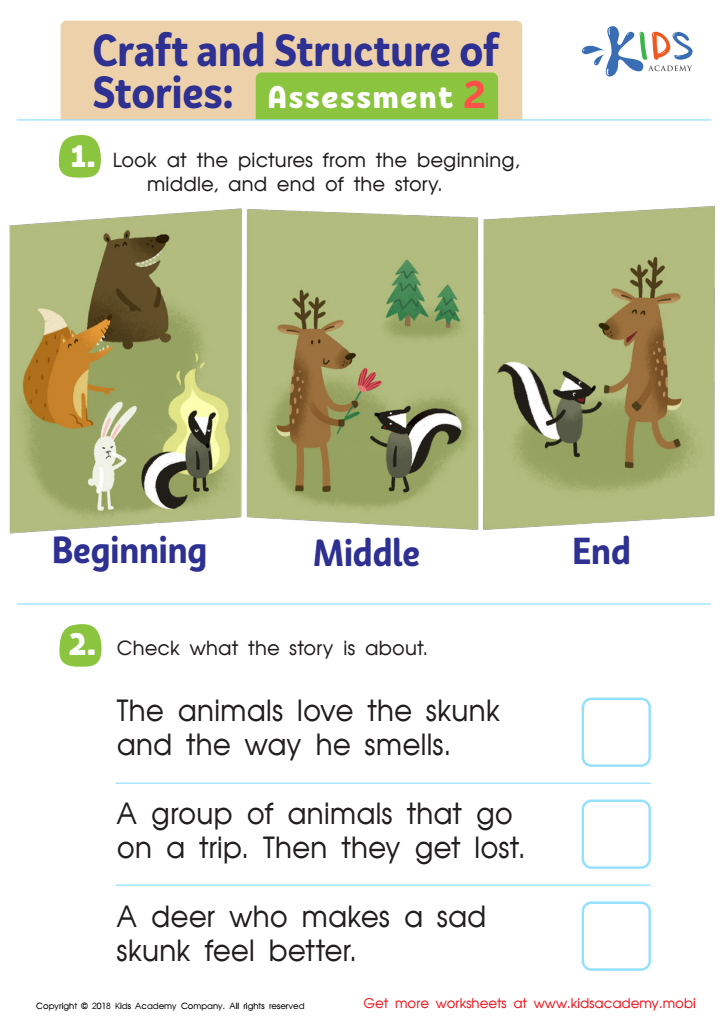
Craft and Structure of Stories: Assessment 2 Worksheet
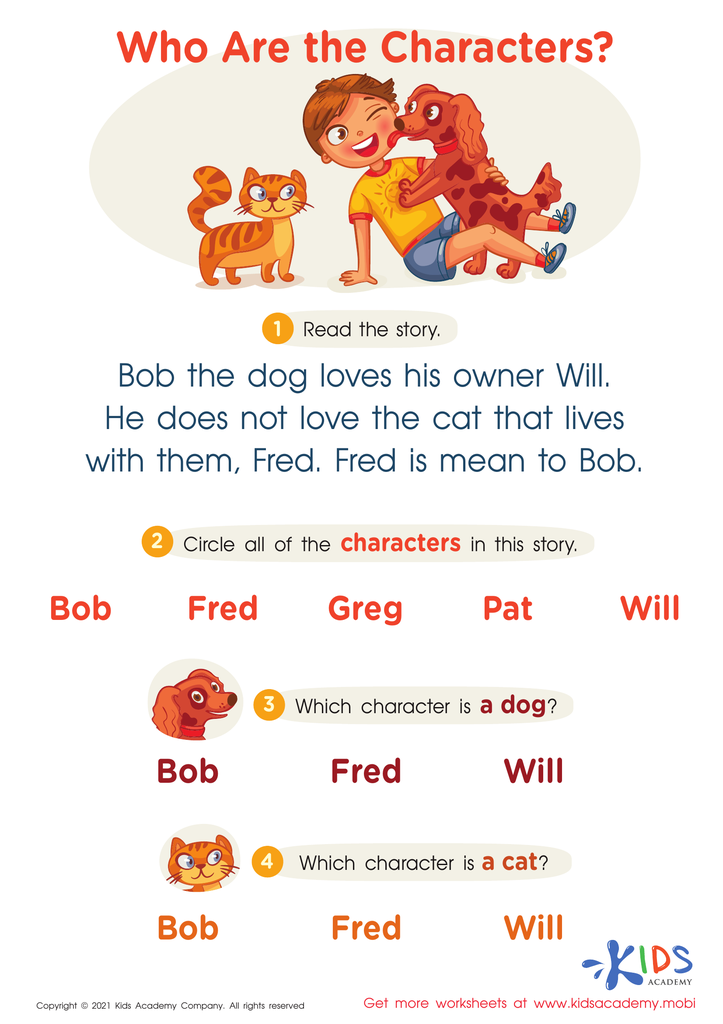
Who Are the Characters? Worksheet
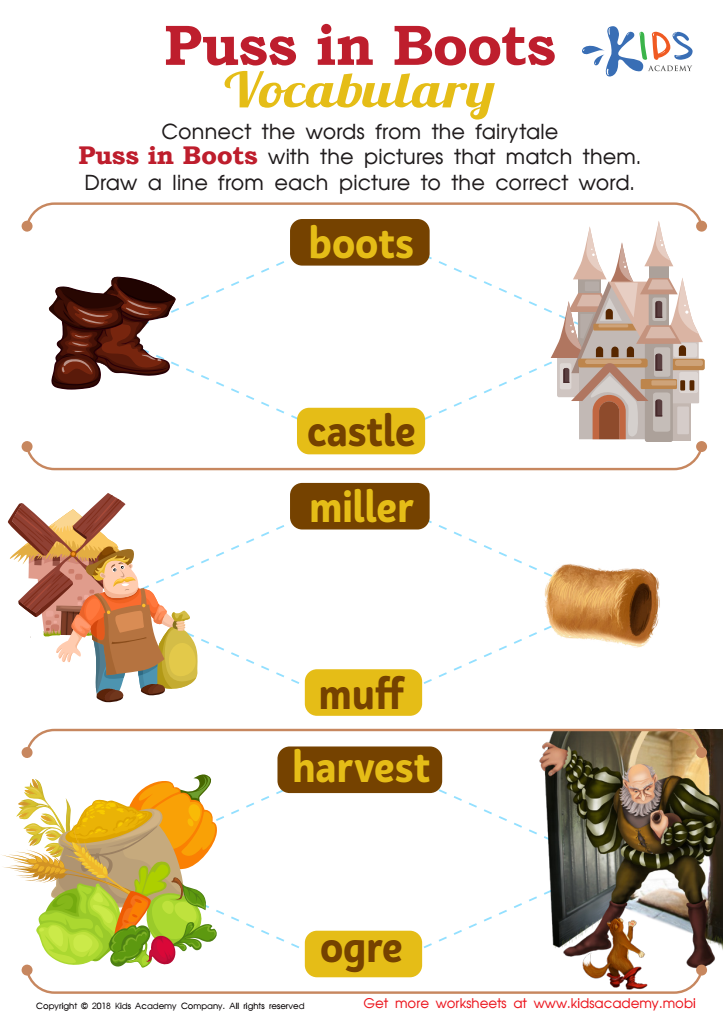
Puss in Boots Vocabulary Worksheet







Story analysis in reading fiction for ages 5-7 is vital for several reasons that significantly contribute to a child's developmental journey. At this young age, children are beginning to grasp fundamental concepts of narrative structure such as characters, settings, and plots. Engaging in story analysis helps enhance their comprehension skills, allowing them to make connections between the text and their own experiences, which fosters critical thinking.
Furthermore, this analytical process cultivates an appreciation for literature. It encourages children to think deeply about themes and messages within stories, broadening their understanding of emotions and perspectives. Discussing character motivations and outcomes helps kids develop empathy and emotional intelligence, essential skills for social interactions.
Additionally, story analysis supports language development. By discussing various elements of a story, children expand their vocabulary and improve their verbal skills. Teachers and parents can use these moments as opportunities to encourage open-ended questions, stimulating dialogue and brightening their curiosity.
Ultimately, story analysis nurtures creativity and imagination. When young readers dissect a story, they are more likely to create their narratives, enhancing their storytelling abilities and self-expression. For parents and teachers, nurturing this aspect of reading is vital for holistic child development.








