Counting practice Reading Non-Fiction Worksheets for Ages 5-7
4 filtered results
-
From - To
Introduce young learners to the exciting world of numbers and facts with our Counting Practice Reading Non-Fiction Worksheets for ages 5-7! These worksheets combine engaging non-fiction texts with counting practice to boost both reading and math skills. Children will explore fascinating topics while counting objects, solving simple math problems, and enhancing their comprehension abilities. Our vividly illustrated materials are designed to captivate curious minds and make learning enjoyable. Perfect for classroom use or at-home practice, our worksheets provide a solid foundation in both literacy and numeracy. Encourage your child's academic journey with our enriching and fun counting practice reading worksheets!
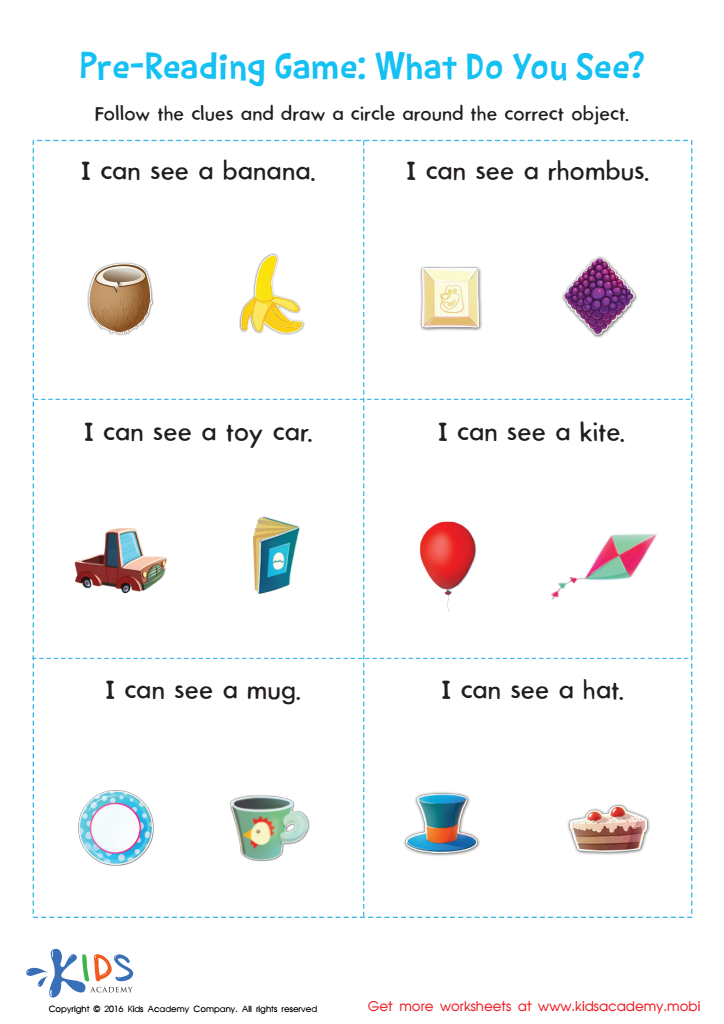
Pre–reading Worksheet: What Do You See?
 Assign to My Students
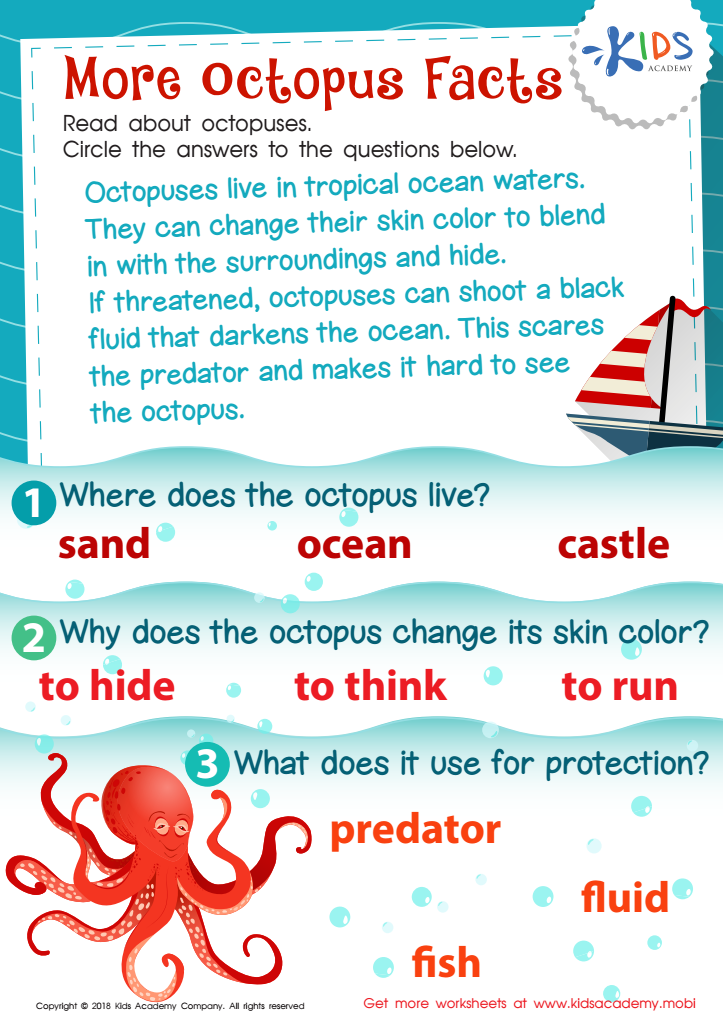
More Octopus Facts Worksheet
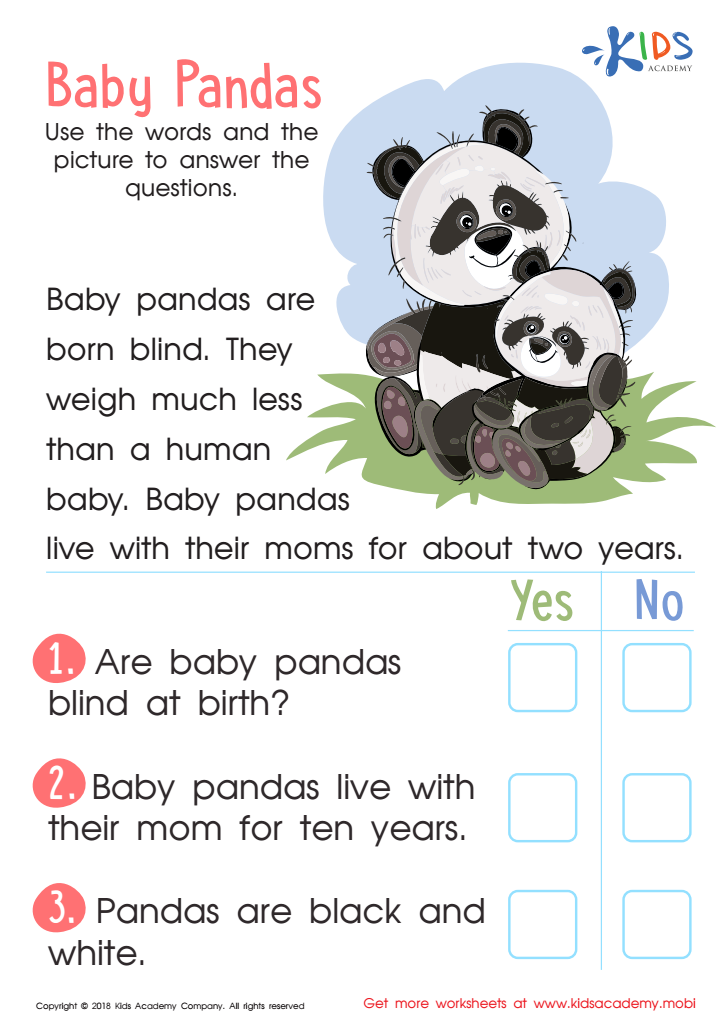
Baby Pandas Worksheet
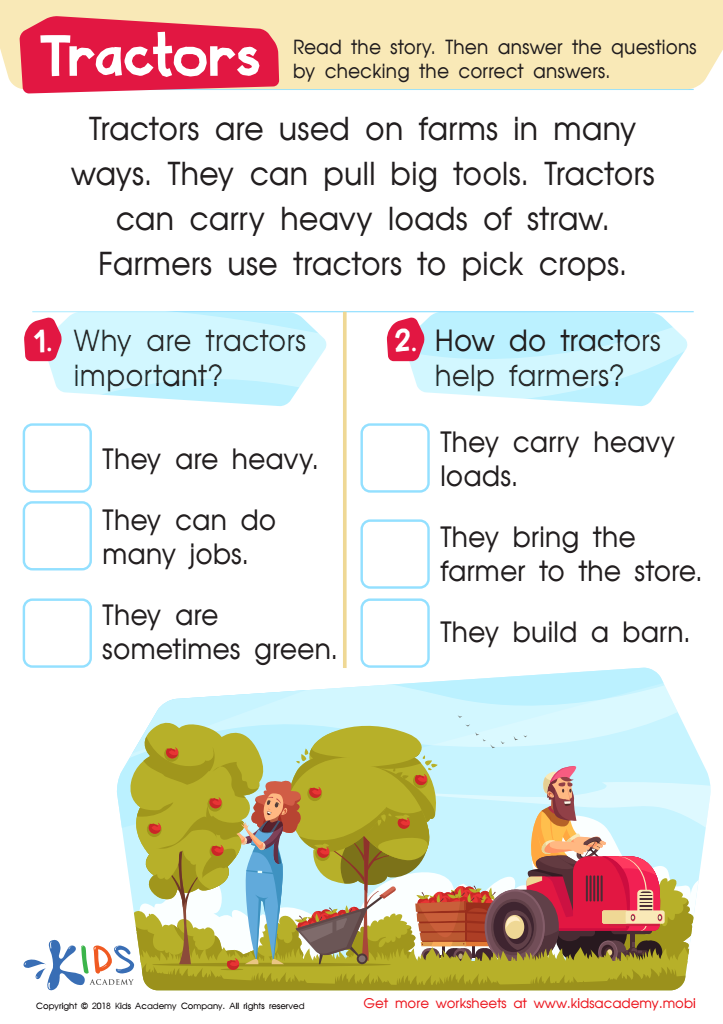
Tractors Worksheet








Parents and teachers should care about counting practice and reading non-fiction for ages 5-7 because these activities build foundational skills crucial for academic success and intellectual development. Counting practice enhances early math skills, fostering number recognition, logical thinking, and problem-solving abilities. These skills are conducive to understanding more complex mathematical concepts later on.
Reading non-fiction introduces young minds to the real world, promoting curiosity and expanding knowledge about diverse subjects like animals, plants, and daily life themes. It enriches vocabulary and comprehension by exposing students to factual information and varied sentence structures. Moreover, non-fiction reading supports cognitive development by encouraging critical thinking and understanding of cause and effect.
Engaging in these practices at an early age instills a sense of confidence and curiosity that motivates lifelong learning. It prepares children for more structured academic settings and nurtures their intrinsic motivation to explore and understand their world. By emphasizing counting and non-fiction reading, parents and teachers lay a robust educational foundation, ensuring children develop into well-rounded, inquisitive learners who are better prepared to face future academic challenges.








