Comparing Fractions Sight Words Worksheets for Ages 5-7 - Page 2
30 filtered results
-
From - To

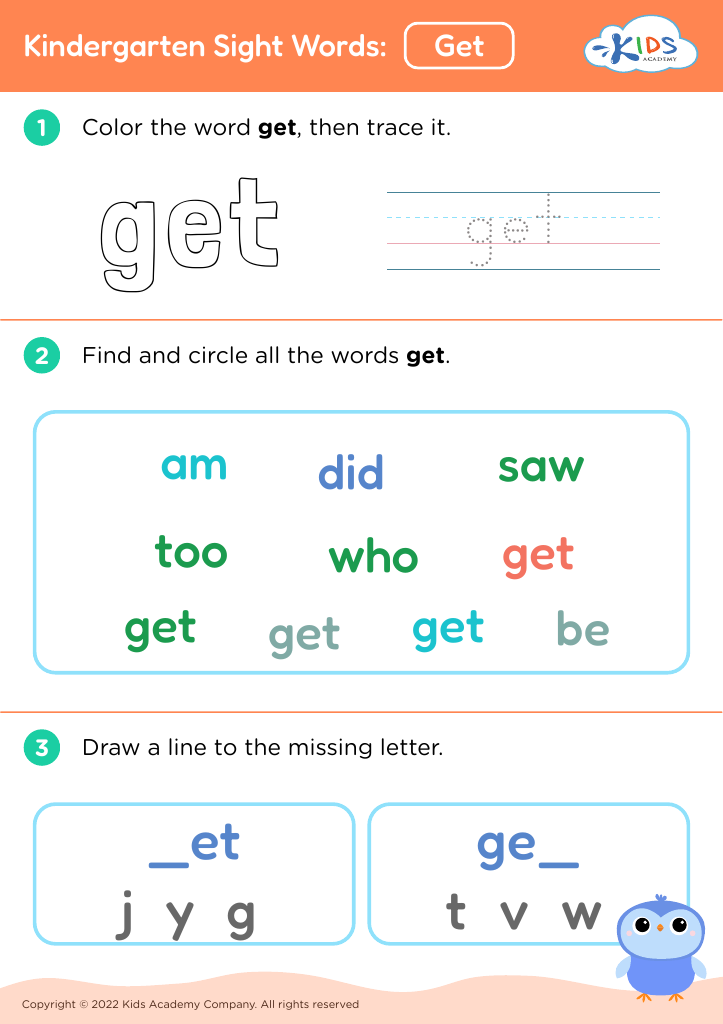
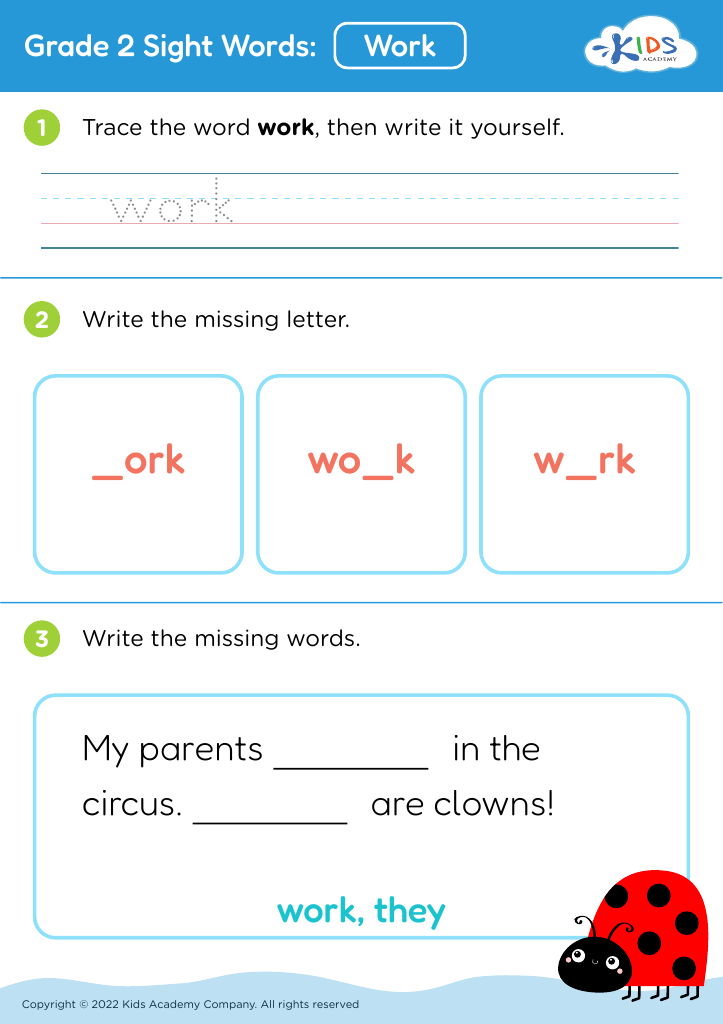
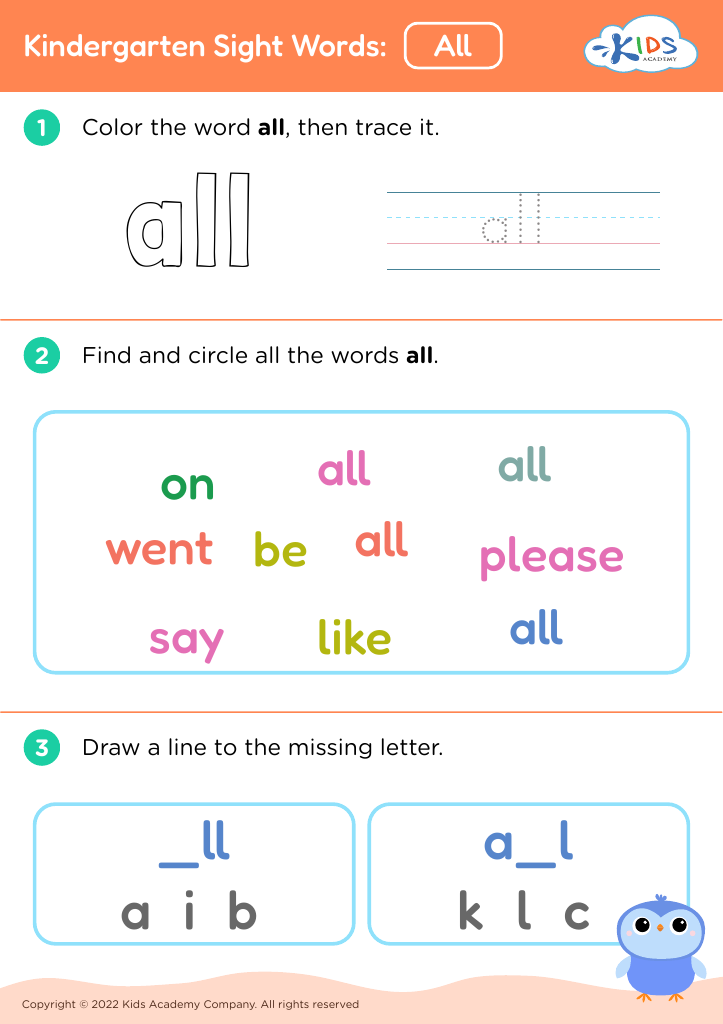








At the ages of 5-7, foundational skills for mathematical and literary competence are formed. Comparing fractions and sight words are two crucial components in early education that set the stage for future academic success.
Fractions lay the groundwork for complex mathematical concepts. When children compare fractions, they develop an understanding of size, proportions, and equivalency. These skills are essential not just for future math classes but for daily tasks such as dividing a pizza or understanding time. Introducing fractions early also helps demystify what many consider a complex topic, fostering confidence in young students.
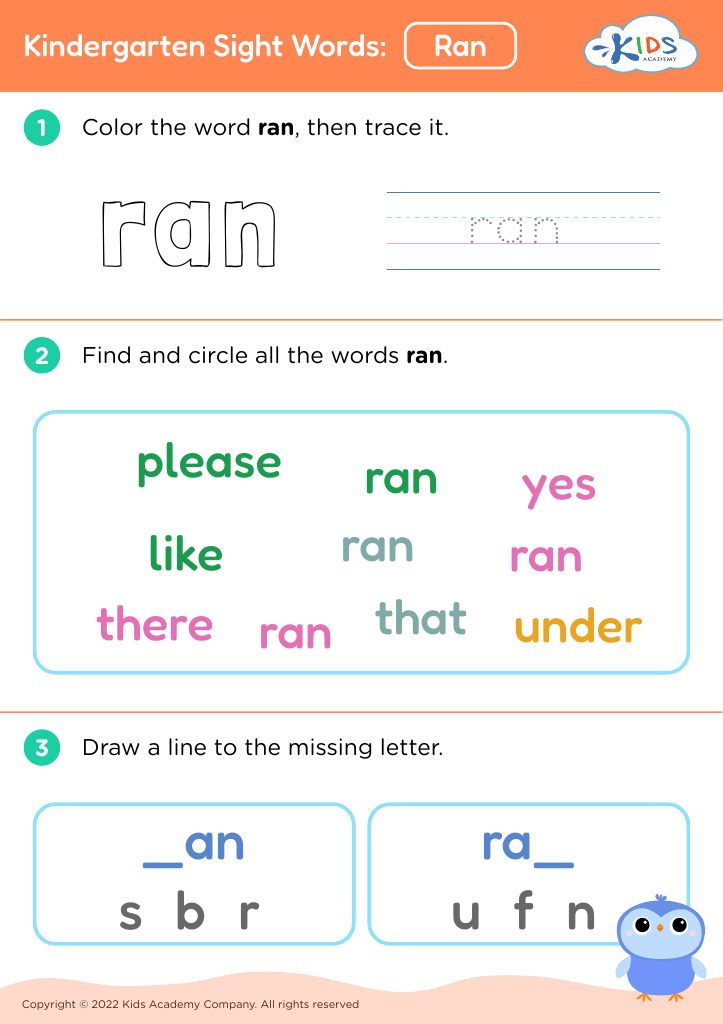
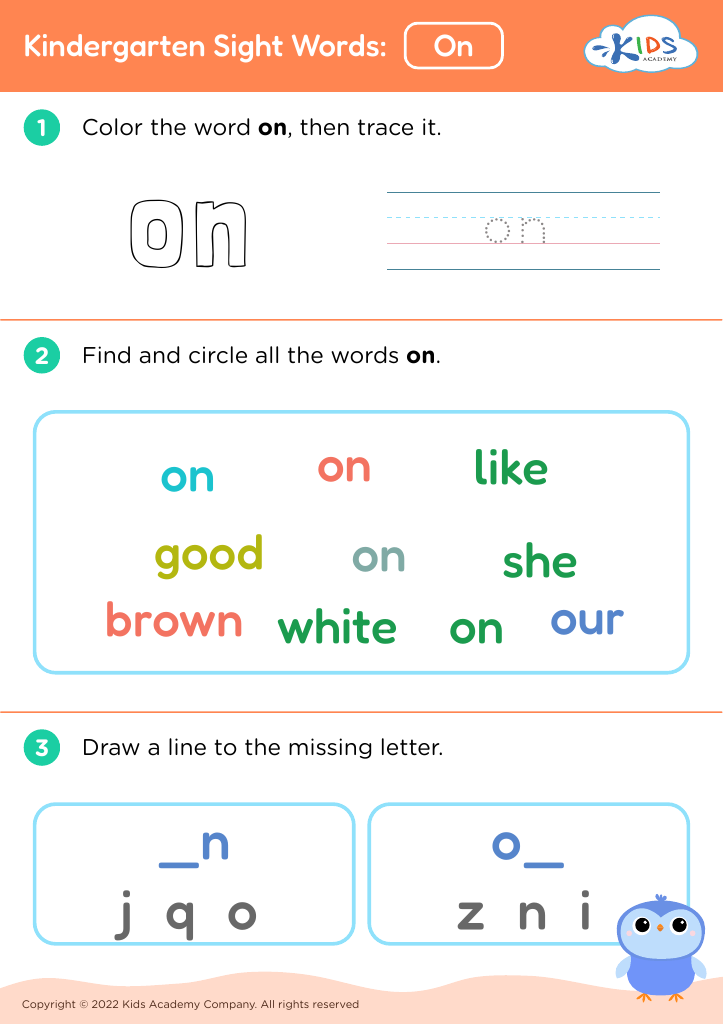
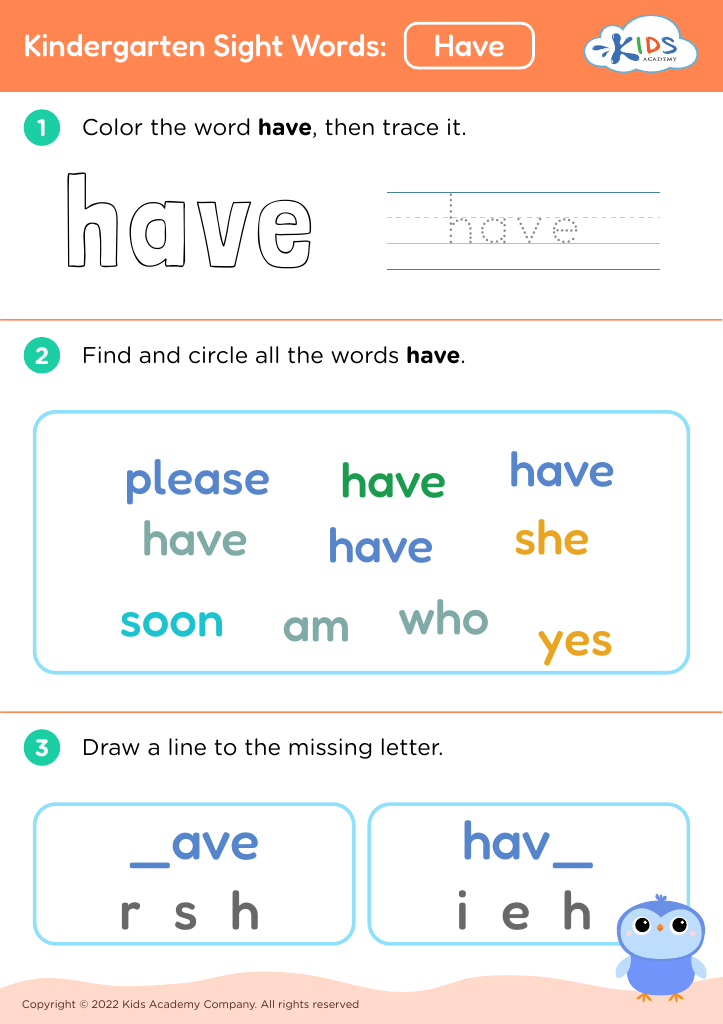
Sight words, on the other hand, are the building blocks of reading fluency. These are common words that children are encouraged to recognize on sight, bypassing phonetic decoding which can slow reading down. Mastering sight words enhances reading speed and comprehension, allowing children to enjoy stories and grasp content across subjects more fully.
Both comparing fractions and learning sight words engage cognitive processes such as pattern recognition, memory, and logical thinking. Highlighting these areas ensures a balanced development of mathematical reasoning and literacy. When integrated into the curriculum early, these skills provide an essential toolkit, empowering children to approach learning with confidence and curiosity. Therefore, parents and teachers should prioritize these educational components to foster well-rounded intellectual growth.