Critical thinking skills Sight Words Worksheets for Ages 5-7
3 filtered results
Difficulty Level
Grade
Age
-
From - To
Subject
Activity
Standards
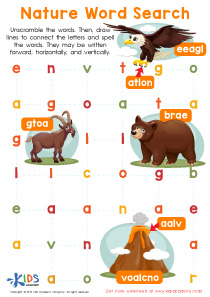
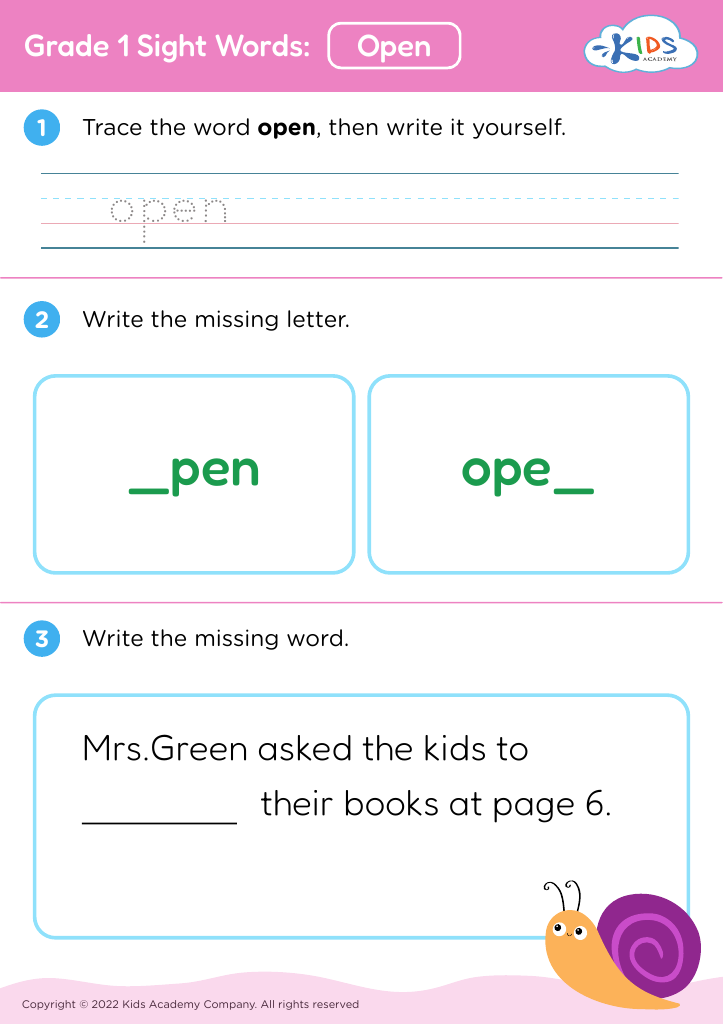
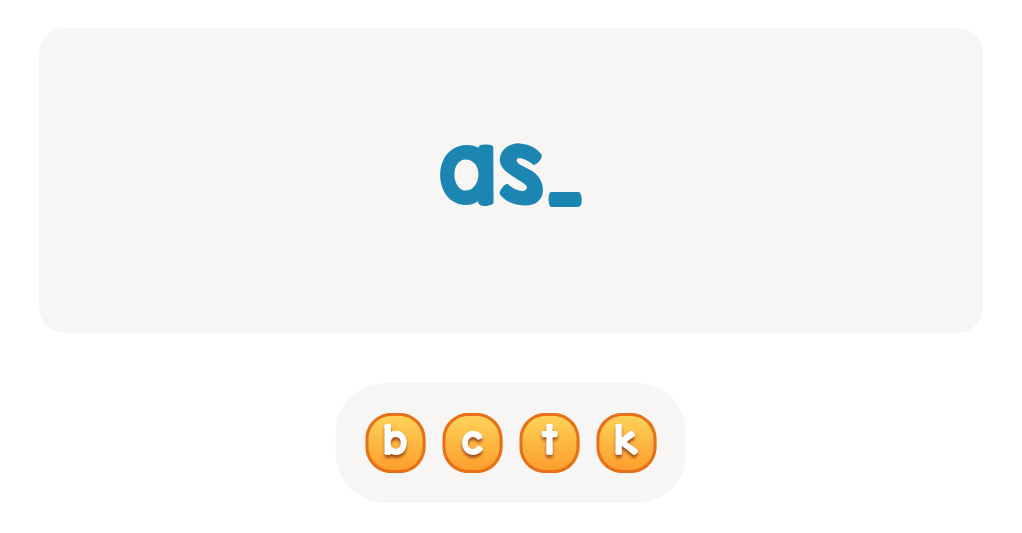
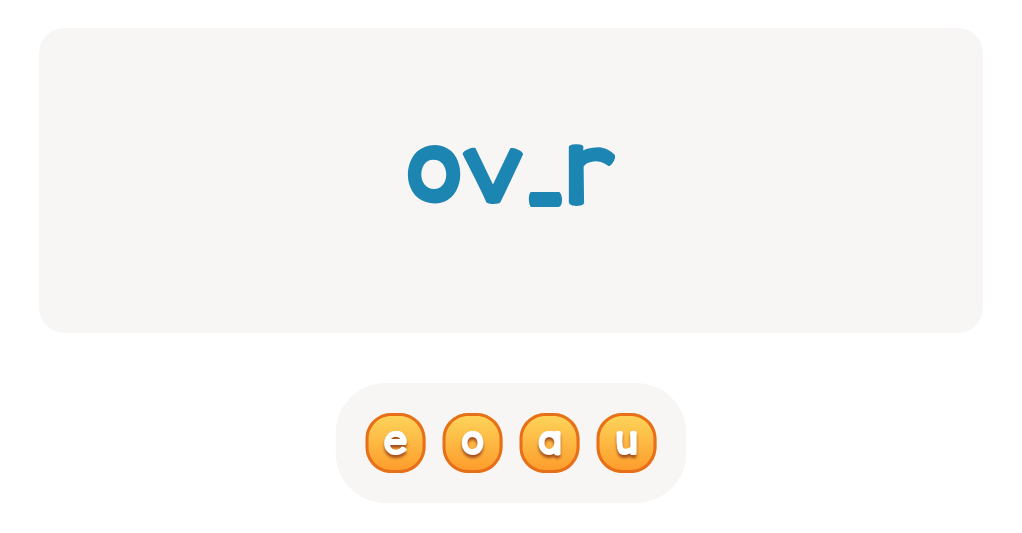
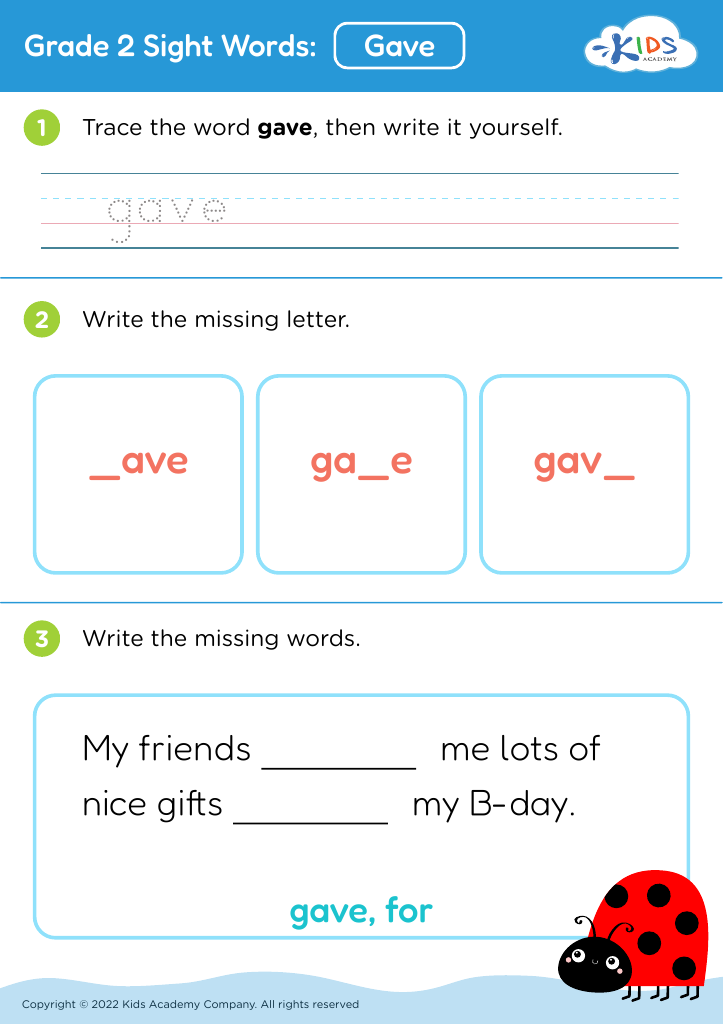
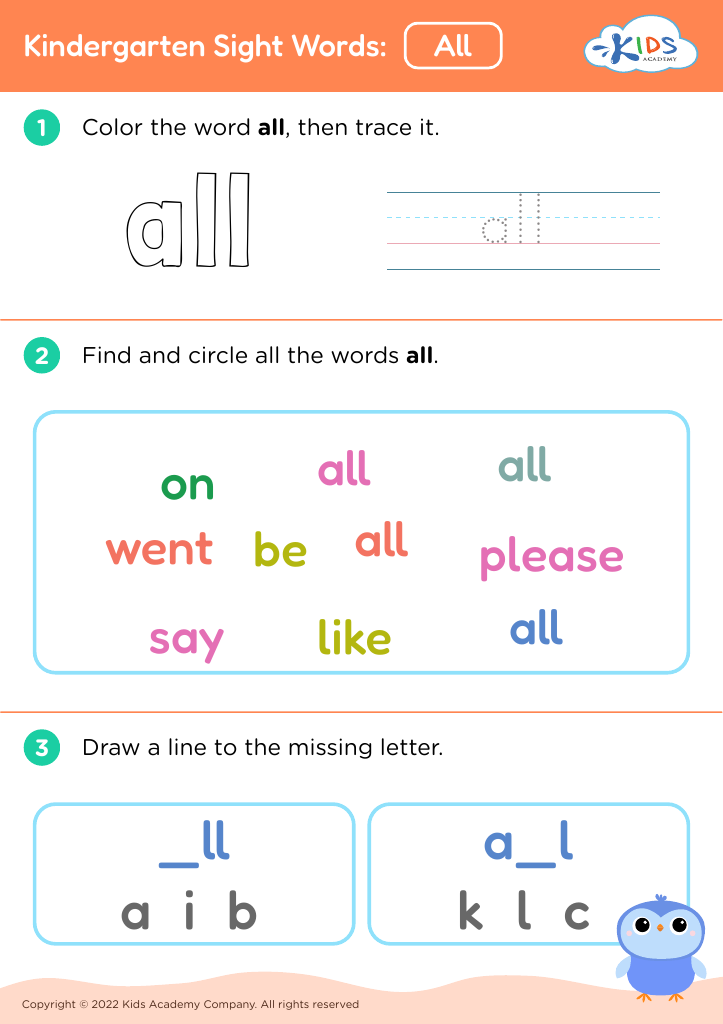
Enhance your child's reading experience with our Critical Thinking Skills Sight Words Worksheets, designed specifically for ages 5-7! These engaging and interactive worksheets promote not just sight word recognition, but also the development of critical thinking abilities. Each activity encourages young learners to connect words with visuals, comprehend meaning, and use context clues creatively. By integrating fun exercises that stimulate curiosity and analytical reasoning, these worksheets foster a well-rounded learning environment. Perfect for parents and educators, our resources aim to cultivate confident readers who think critically, setting a strong foundation for future academic success. Start your child's learning adventure today!
Favorites
With answer key
Interactive




Join Kids Academy for Free
Who is primarily going to use this learning content?








Critical thinking skills are essential for children ages 5-7, as they lay the foundation for lifelong learning and problem-solving abilities. Parents and teachers should prioritize these skills alongside sight words because critical thinking enhances comprehension and encourages students to engage actively with materials. By fostering these abilities, we help children analyze information, ask questions, and make connections, which is crucial as they develop their reading skills.
Sight words, often recognized by sight rather than phonetic sound, create a springboard for early literacy. When children can identify these words quickly, they build a sense of fluency that enhances their overall reading confidence. However, it's important that they don't merely memorize; engaging with sight words through critical thinking prompts—such as discussing the meaning of words, their usage in sentences, or drawing from personal experiences—deepens comprehension.
By integrating critical thinking strategies while learning sight words, parents and teachers can cultivate more engaged, curious learners. This dual focus encourages students to think beyond the text, fostering creativity and independence in thought. By emphasizing these skills in early learning stages, we equip children to navigate their educational journeys with confidence and purpose, setting them up for success in the years to come.