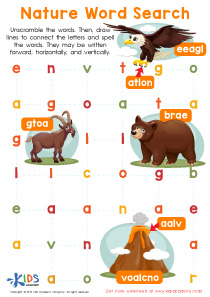
Fraction comparison Sight Words Worksheets for Ages 5-7
10 filtered results
-
From - To
Enhance your child's learning experience with our engaging Fraction Comparison Sight Words Worksheets, designed specifically for ages 5-7! These worksheets combine basic reading skills with math concepts, making learning fun and interactive. Young learners will practice essential sight words while comparing fractions through colorful, age-appropriate activities. Our unique approach not only improves literacy but also reinforces foundational math skills. Perfect for home or classroom use, these worksheets encourage critical thinking and problem-solving in a playful manner. Help your child build confidence in reading and math with this creative resource that fosters a positive learning environment. Explore our collection today and spark a love for learning!
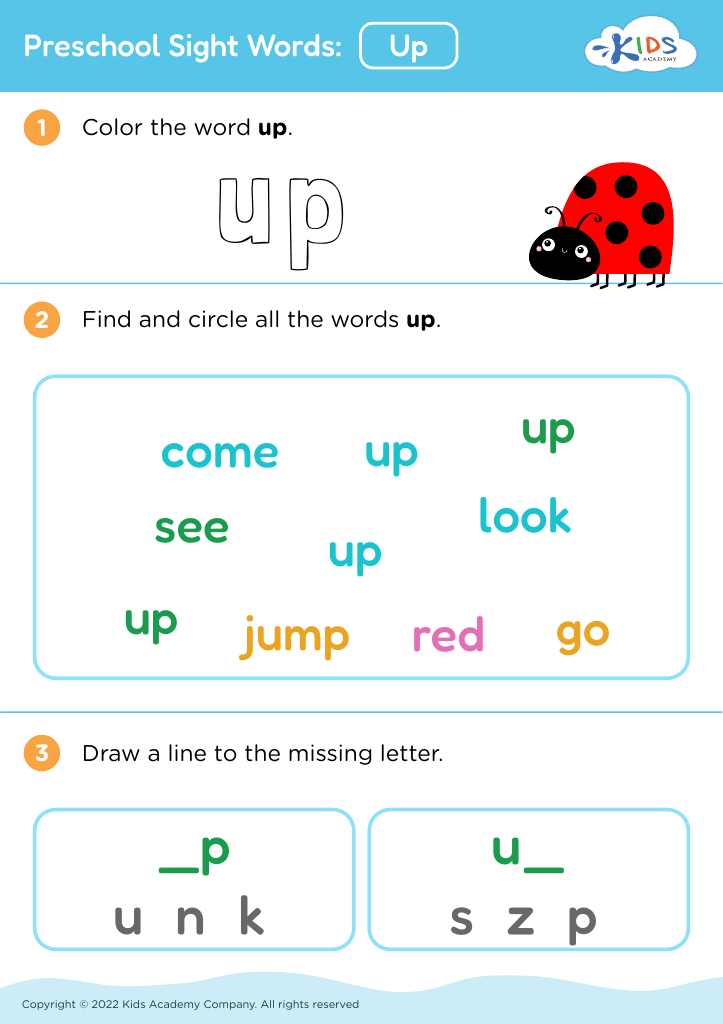
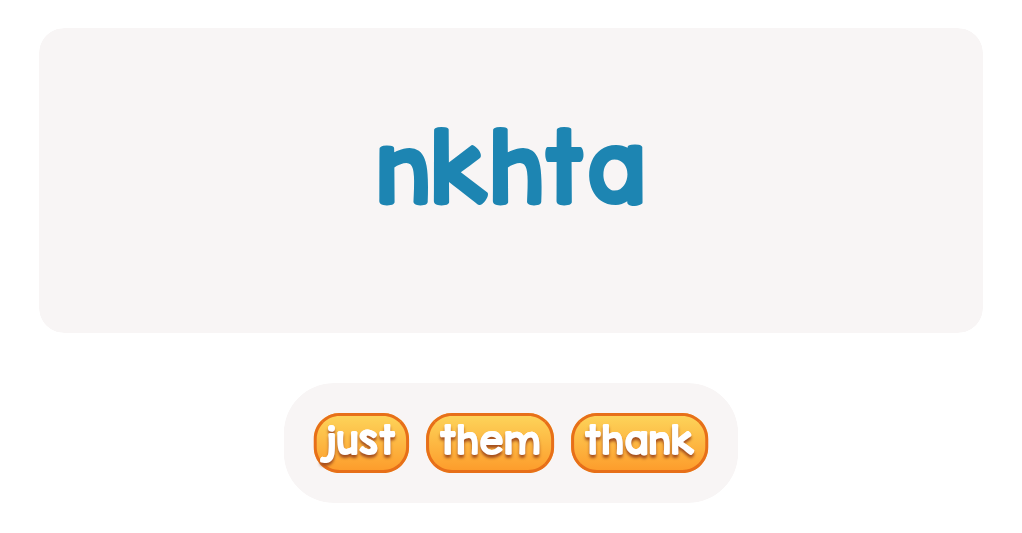


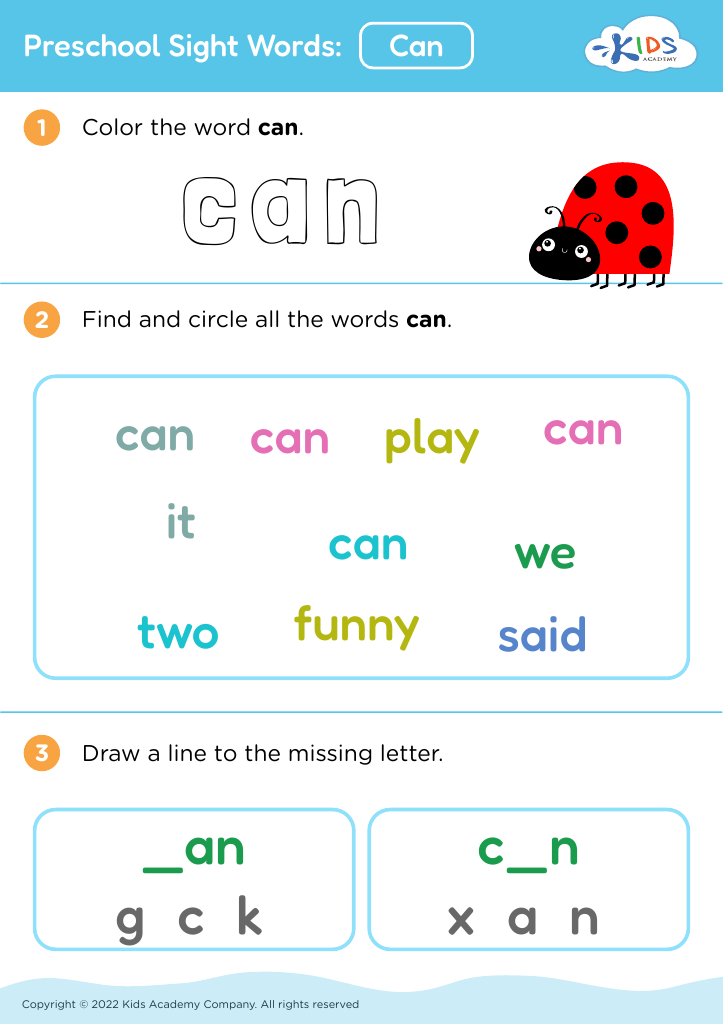
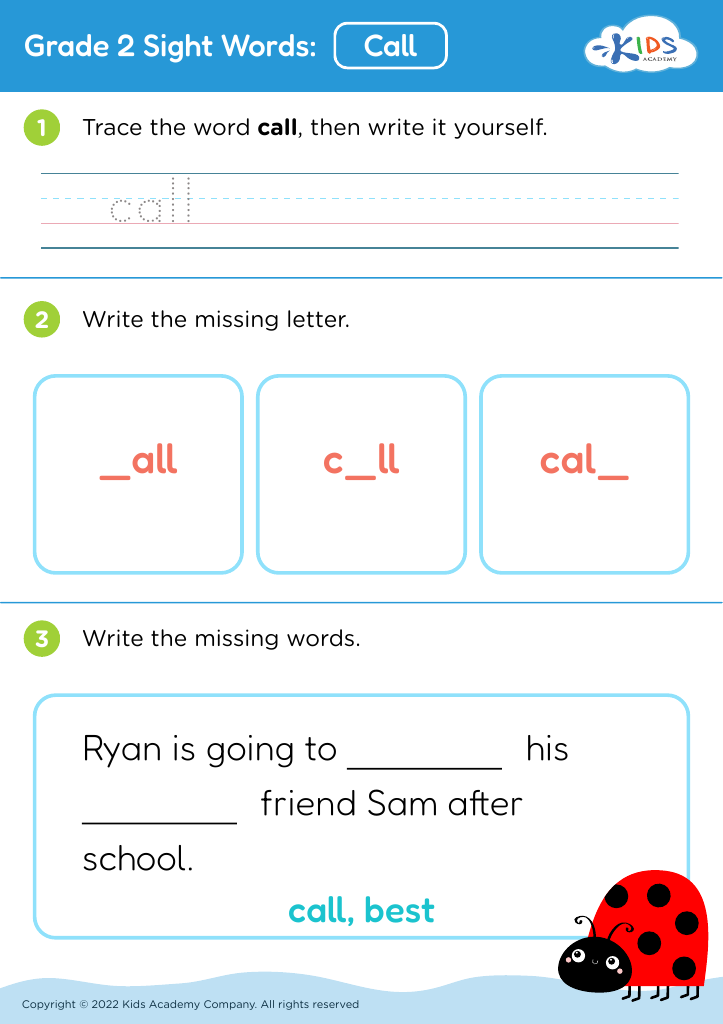
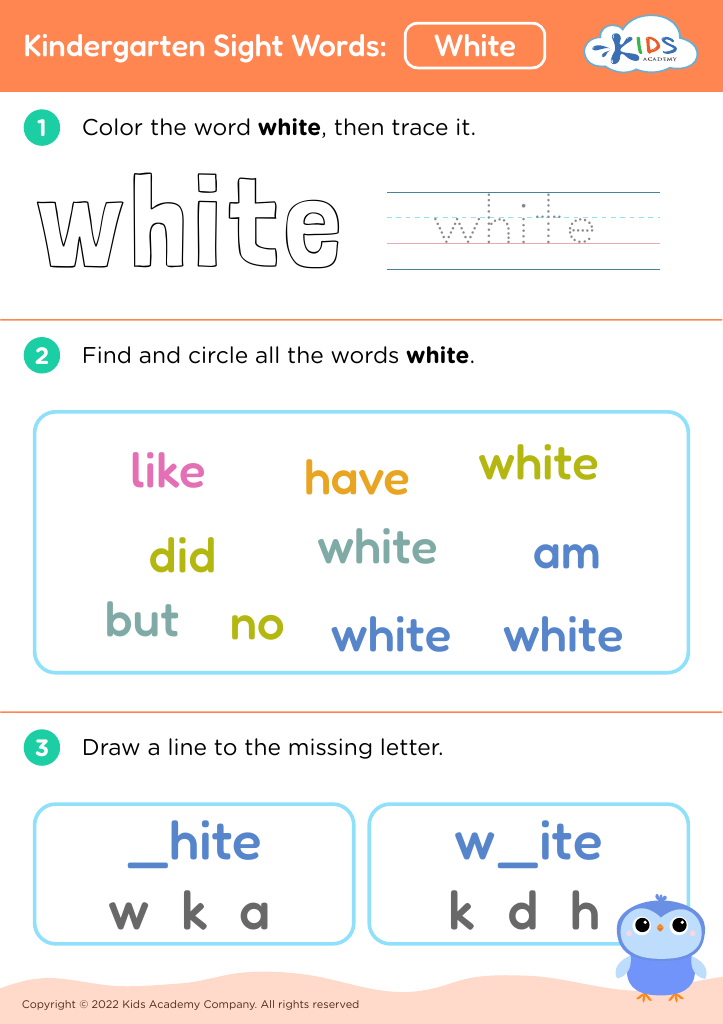
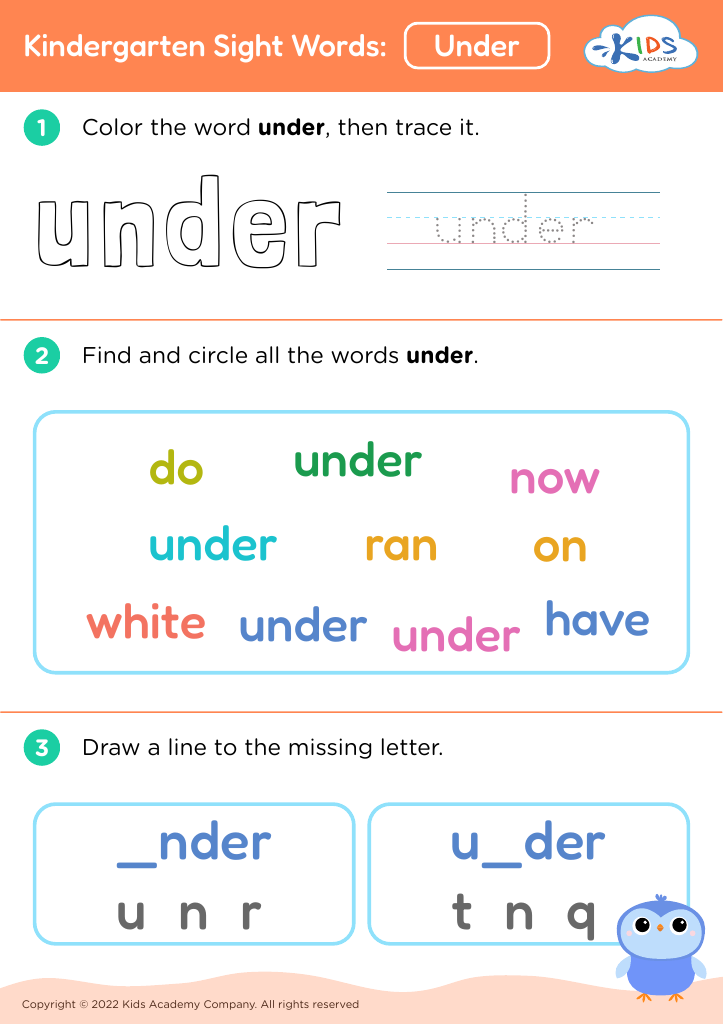
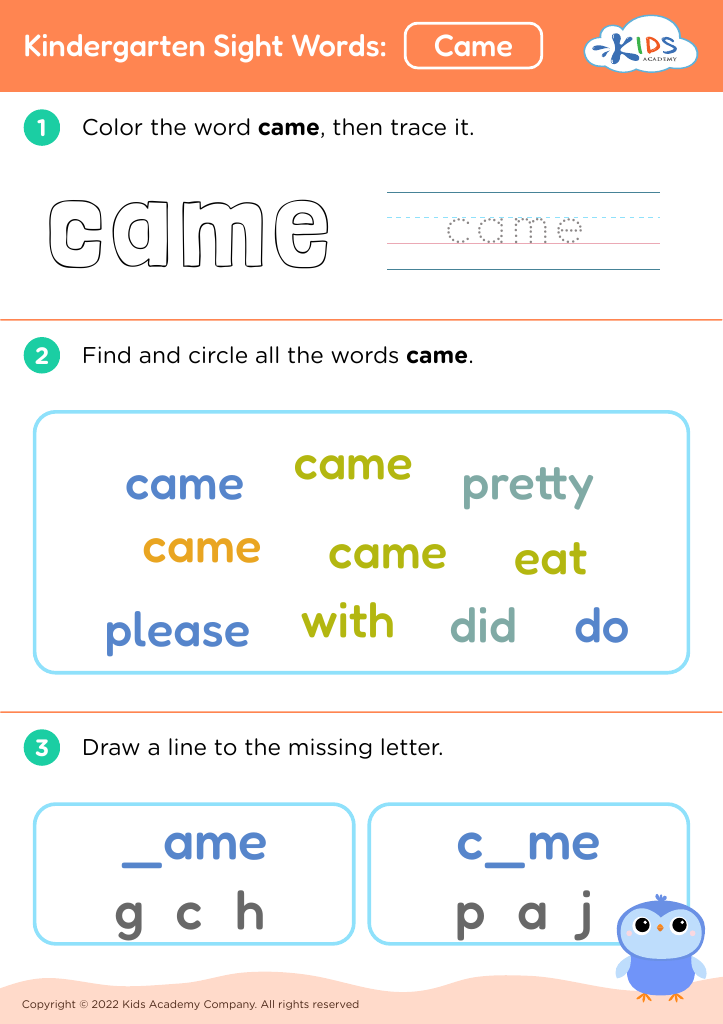
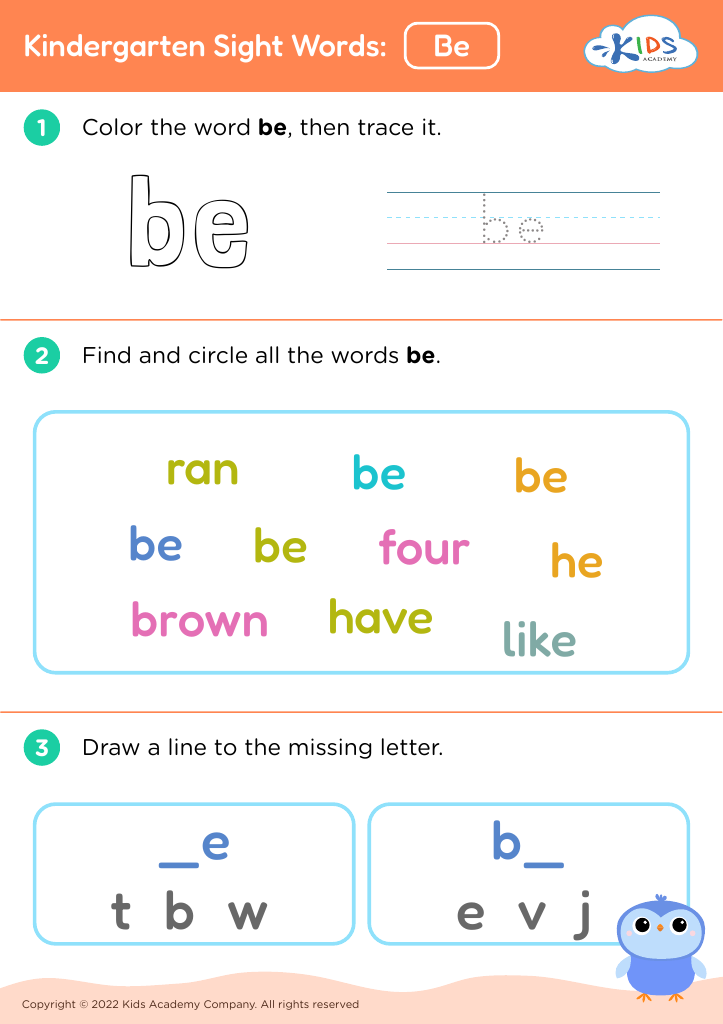








Fraction comparison sight words are essential for children aged 5-7 as they pave the way for a solid mathematical foundation and enhance overall literacy skills. At this age, children begin to encounter basic fractions in a visual and tangible way, often through diagrams or diverse instructional materials. Teaching them sight words associated with fractions—such as "half," "quarter," "more," and "less"—helps to develop their vocabulary, which is crucial for understanding and articulating mathematical concepts.
By incorporating these terms into daily activities, parents and teachers can foster a more profound engagement with mathematics. Recognizing fraction sight words allows children to communicate their understanding, compare quantities, and solve problems more effectively. This is particularly important as children are becoming more comfortable with numbers and basic operations. Furthermore, mastering these sight words supports reading comprehension strategies, promoting a more holistic approach to learning.
Ultimately, parents and teachers should care about fraction comparison sight words as they not only enhance mathematical understanding but also build essential language skills. This dual competency sets the stage for future academic success, making it a priority in both home and classroom settings. Engaging children with these words encourages curiosity and confidence in learning, shaping positive attitudes toward mathematics.