Improving math skills Sight Words Worksheets for Ages 5-7
4 filtered results
-
From - To
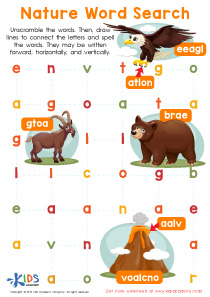
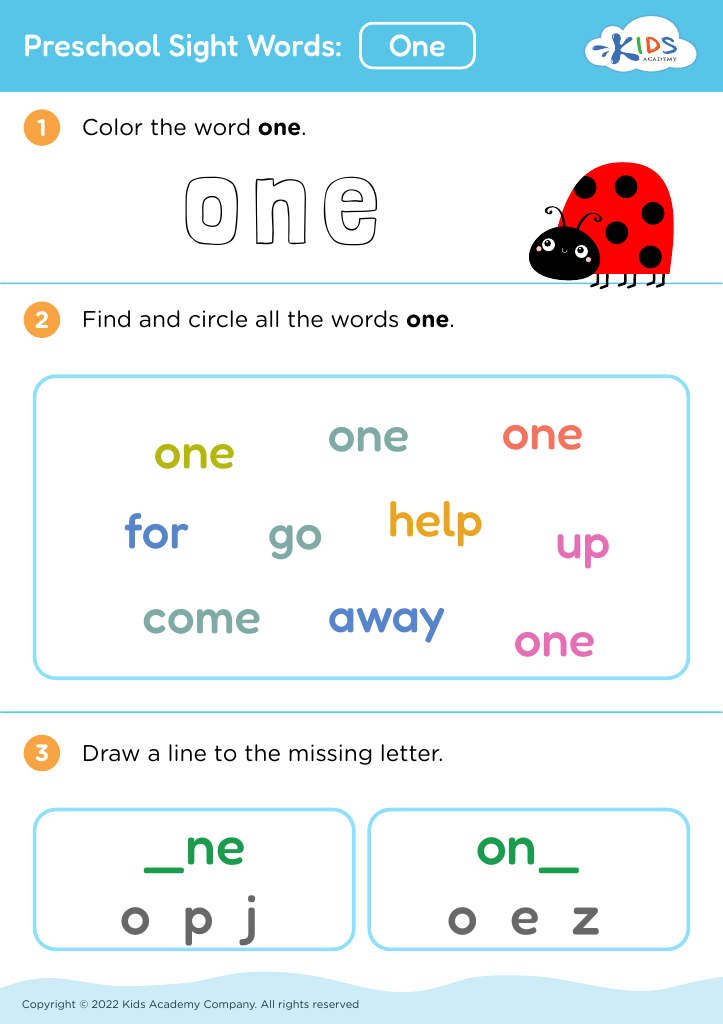
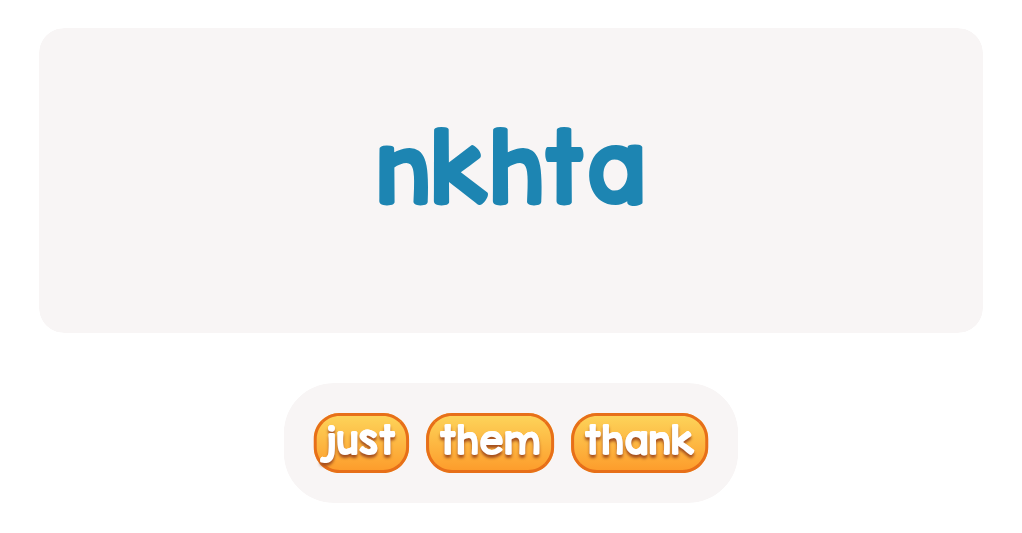
Welcome to our "Improving Math Skills Sight Words Worksheets" designed for ages 5-7! These engaging worksheets seamlessly blend literacy and numeracy, helping young learners enhance their math abilities while familiarizing themselves with essential sight words. Each activity reinforces counting, addition, and basic math concepts using fun exercises that promote learning through play. Ideal for classroom use or at-home practice, our printable resources encourage academic growth and develop critical thinking skills. Foster confidence in math while supporting reading development with our carefully crafted worksheets. Dive into a world of learning where math and sight words come together for your child's success!





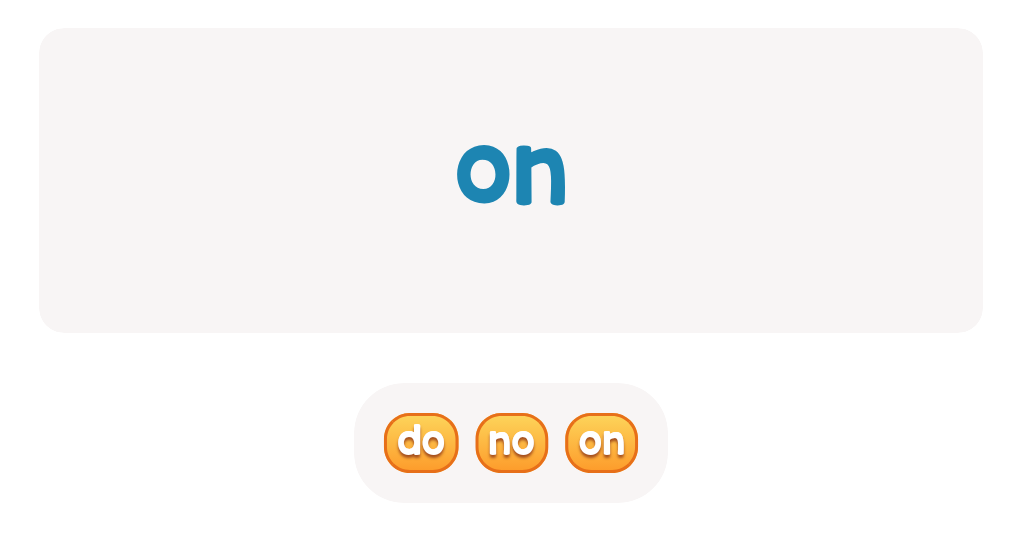
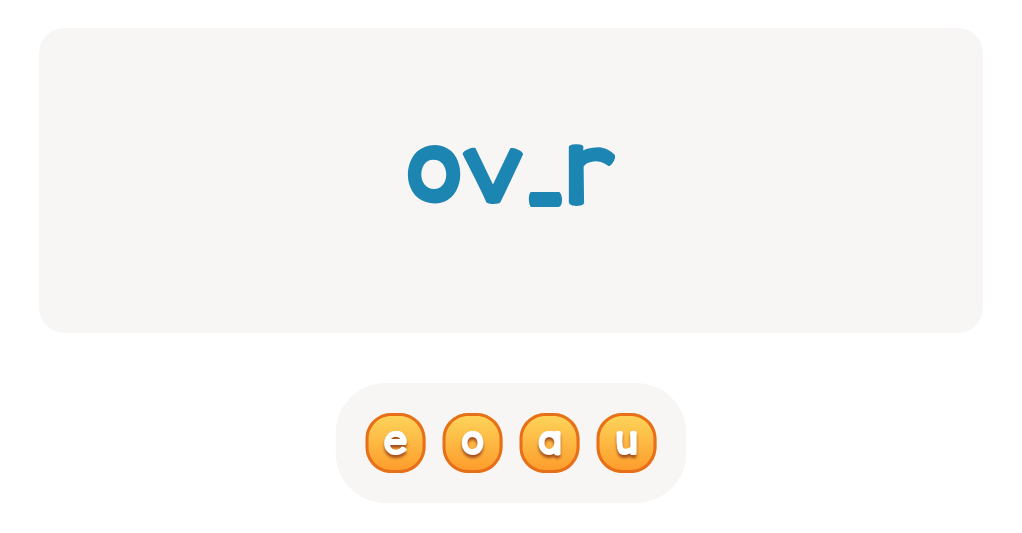
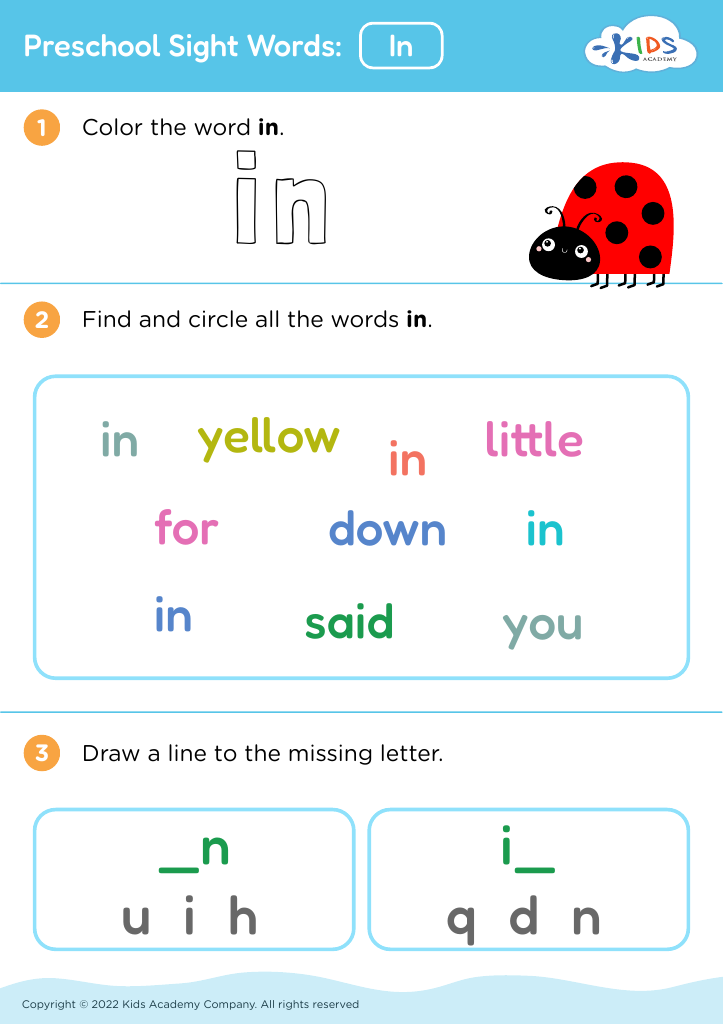
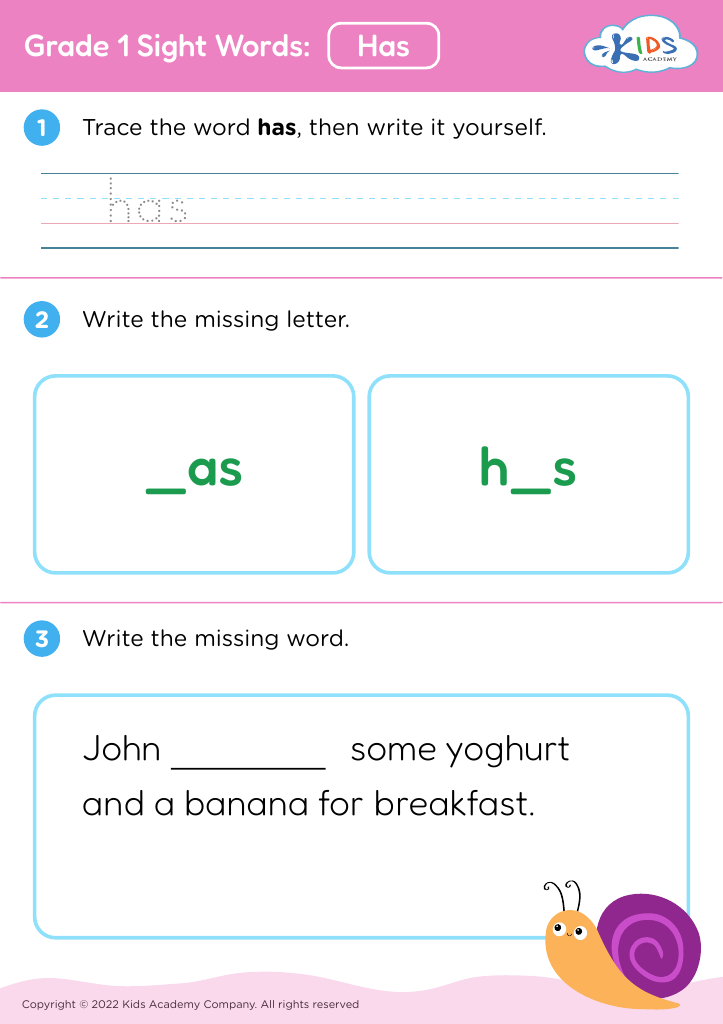
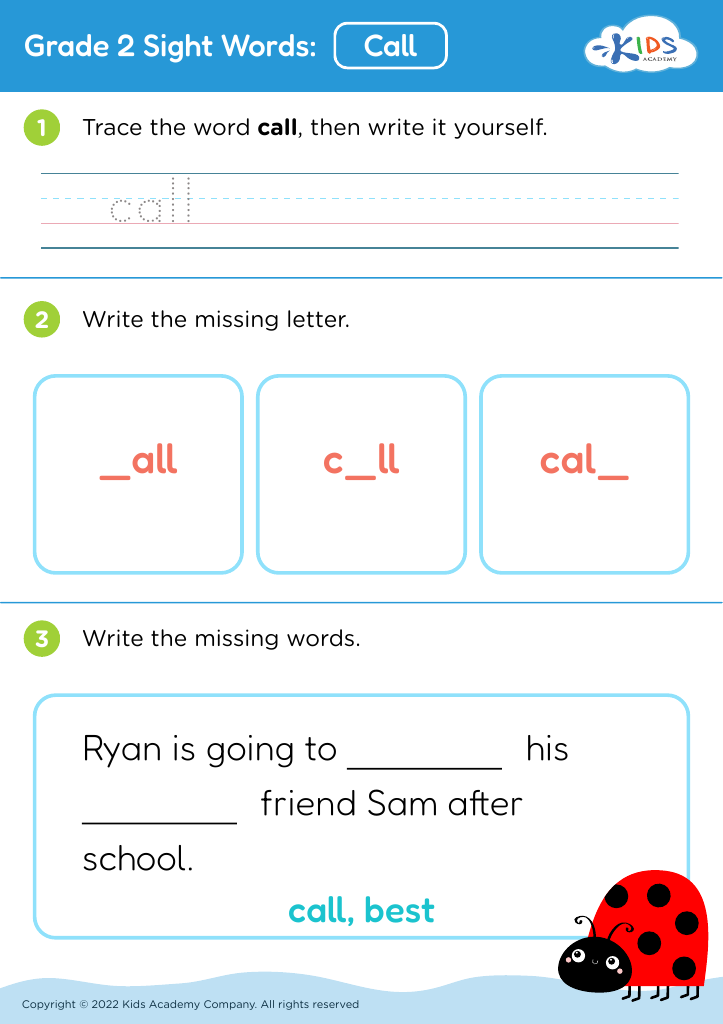








Improving math skills and sight words for children aged 5-7 is crucial for their foundational development and long-term academic success. At this formative age, children are developing essential cognitive skills that they will use throughout their education. Strong math skills help children understand basic concepts such as addition, subtraction, patterns, and problem-solving, which are building blocks for higher-level mathematics. Engaging with math early fosters a positive attitude toward the subject, encourages critical thinking, and enhances decision-making abilities.
Similarly, mastering sight words is vital for early reading proficiency. Sight words — common words that children learn to recognize without phonetic decoding — support fluency and comprehension. When children can quickly identify these words, they are better equipped to focus on understanding the meaning of sentences and stories, thereby enhancing their overall literacy skills.
Both math and reading are interconnected and contribute to a child's ability to learn across all subjects. By prioritizing these skills, parents and teachers can support children in building confidence, reducing math anxiety, and developing a love for learning. Empowered with strong foundational skills, children are more likely to succeed academically and embrace challenges throughout their educational journey.