Multiplication practice Sight Words Worksheets for Ages 5-7
5 filtered results
Difficulty Level
Grade
Age
-
From - To
Subject
Activity
Standards
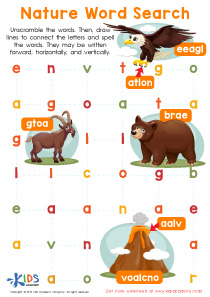
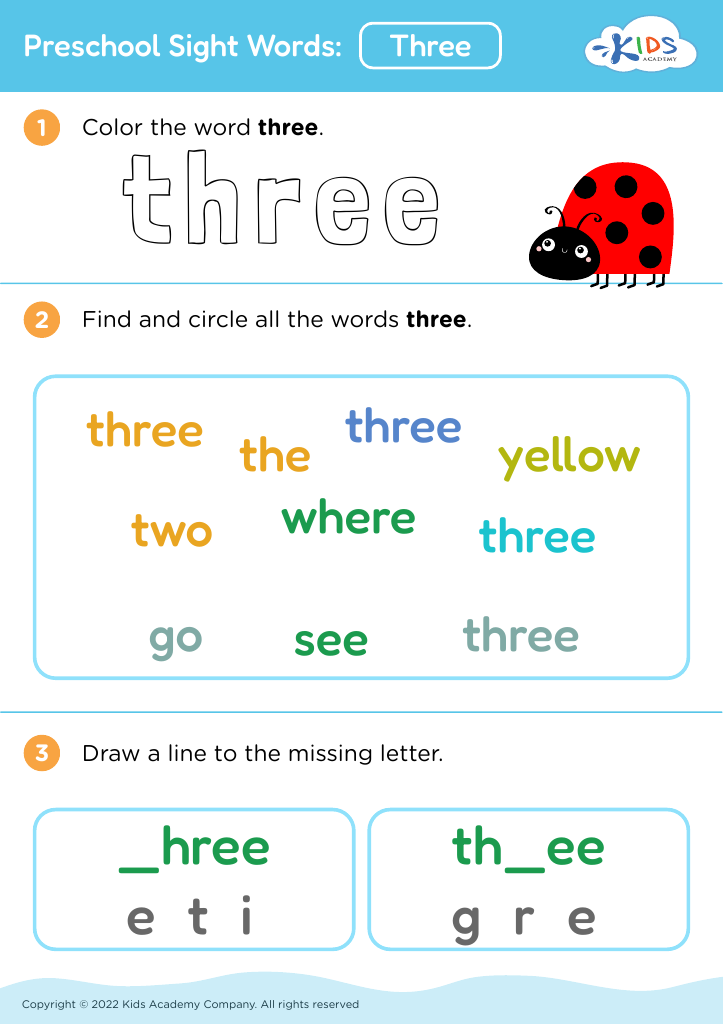
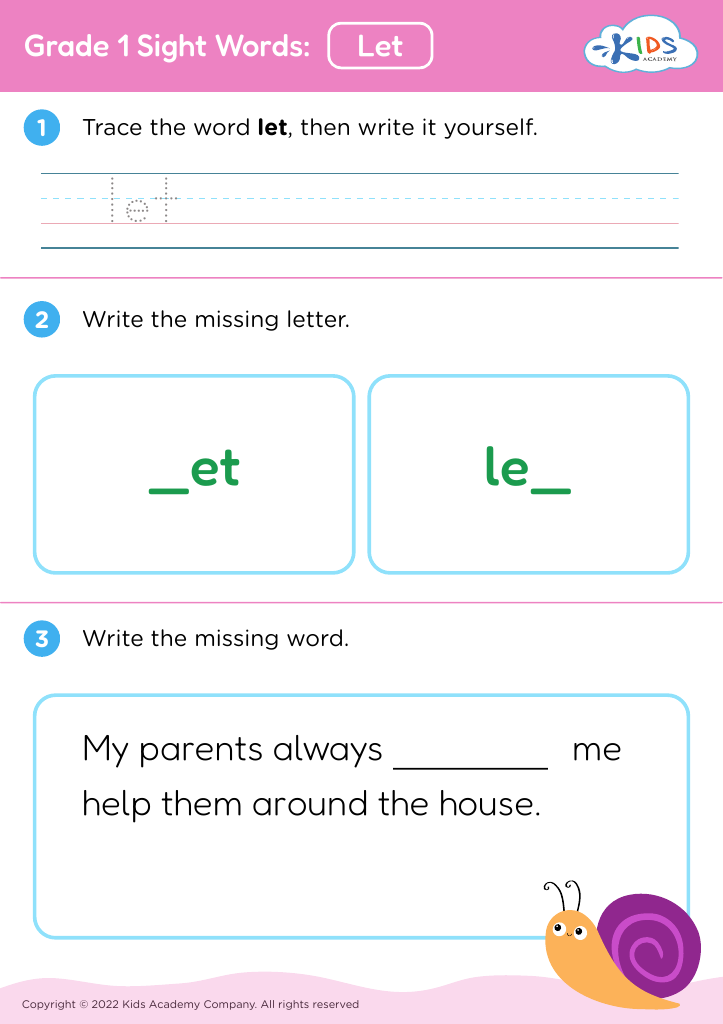
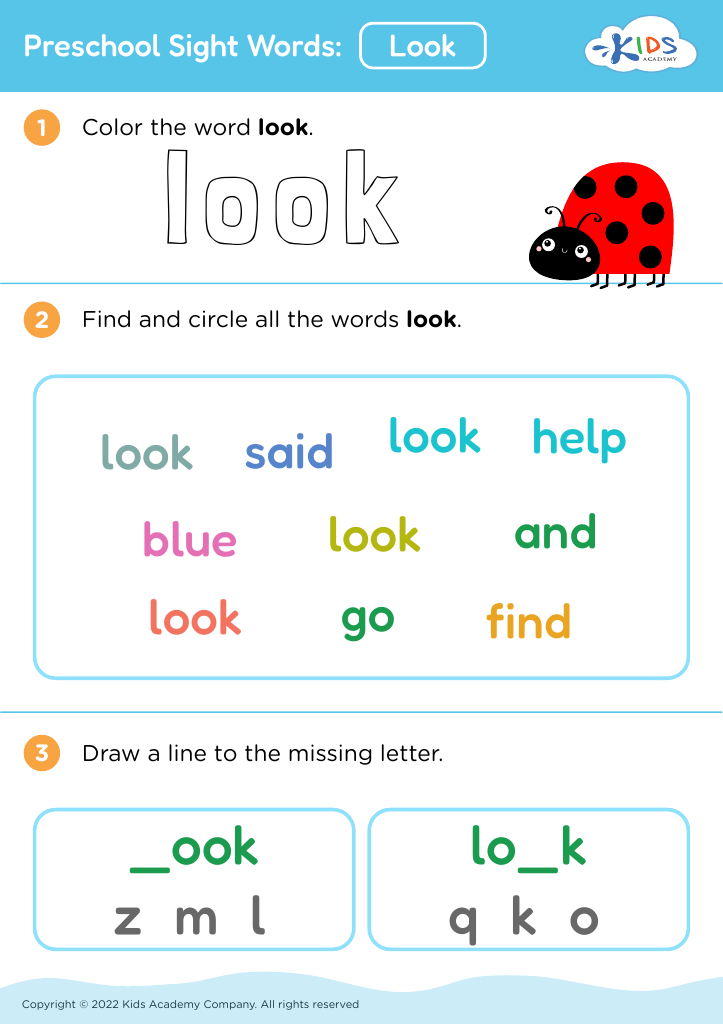
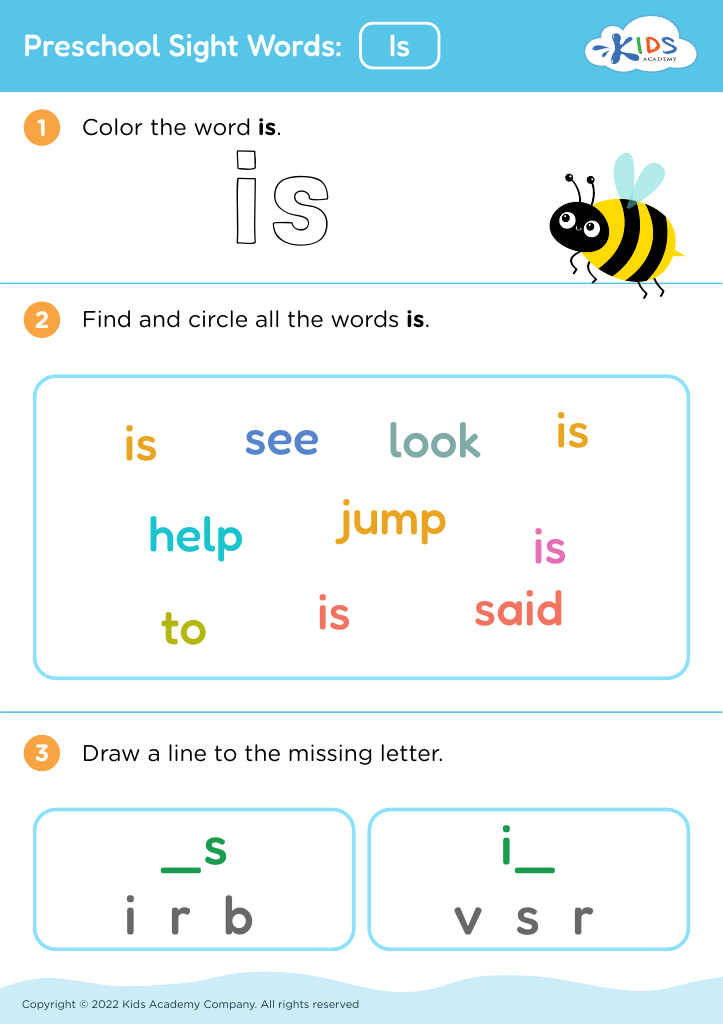
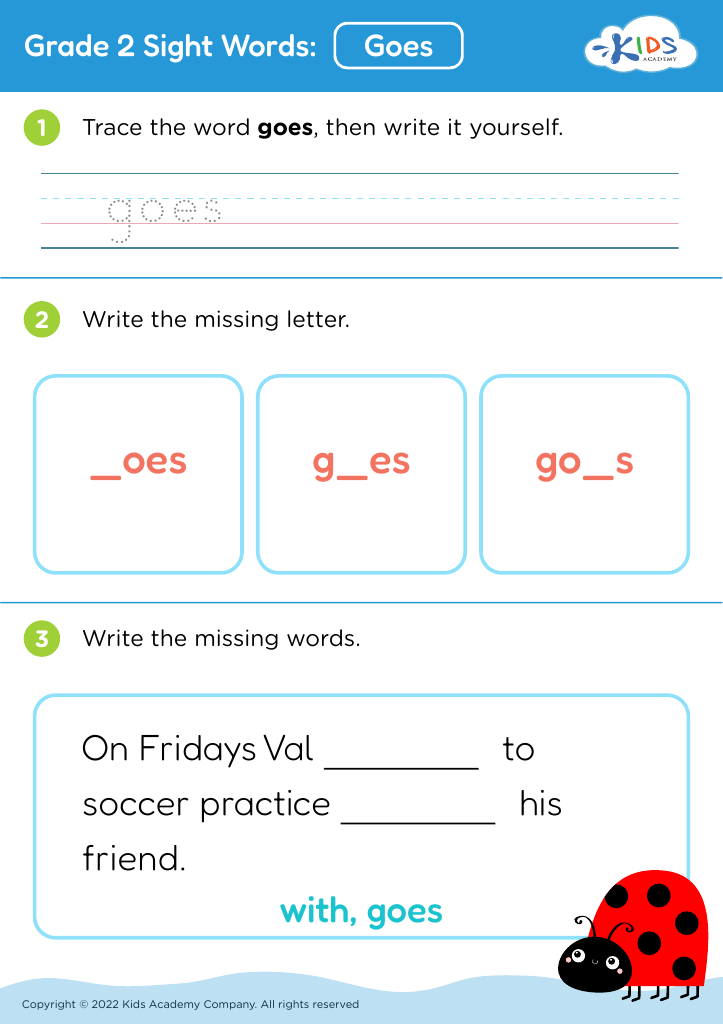
Enhance your child's learning experience with our Multiplication Practice Sight Words Worksheets, specifically designed for ages 5-7. These engaging worksheets effectively blend sight word recognition with foundational multiplication skills, fostering a deeper understanding of both math and reading. Young learners will enjoy fun activities that promote word familiarity while practicing essential multiplication facts up to 10. Our worksheets are interactive and visually appealing, making learning enjoyable and effective. Tailored to keep kids motivated, these resources support early childhood development and set the stage for future academic success. Explore our collection and watch your child thrive as they master multiplication with confidence!
Favorites
With answer key
Interactive







Join Kids Academy for Free
Who is primarily going to use this learning content?








Multiplication practice and sight words are fundamental building blocks in early education for children aged 5-7. For parents and teachers, focusing on these skills is essential for several reasons.
Firstly, multiplication lays the groundwork for more complex mathematical concepts. Mastering multiplication facts helps children develop numerical fluency, making future math learning smoother and more intuitive. When students have a solid grasp of these basic computations, they are better prepared to tackle advanced topics, fostering confidence in their mathematical abilities.
Secondly, sight words play a crucial role in reading development. These are frequent words that young readers encounter in texts, and recognizing them gives children a strong foundation in reading fluency. Proficient reading allows children to access more complex literature and enhances overall comprehension skills, crucial for academic success.
In combination, multiplication practice and sight word recognition aid in cognitive development by encouraging critical thinking and problem-solving. When parents and teachers actively promote these activities, they help create a comprehensive educational experience that supports children's growth in both math and literacy. Fostering these skills early not only boosts academic achievement but also inspires a lifelong love of learning in children.