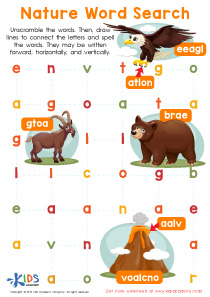
Simplifying Fractions Sight Words Worksheets for Ages 5-7
7 filtered results
-
From - To
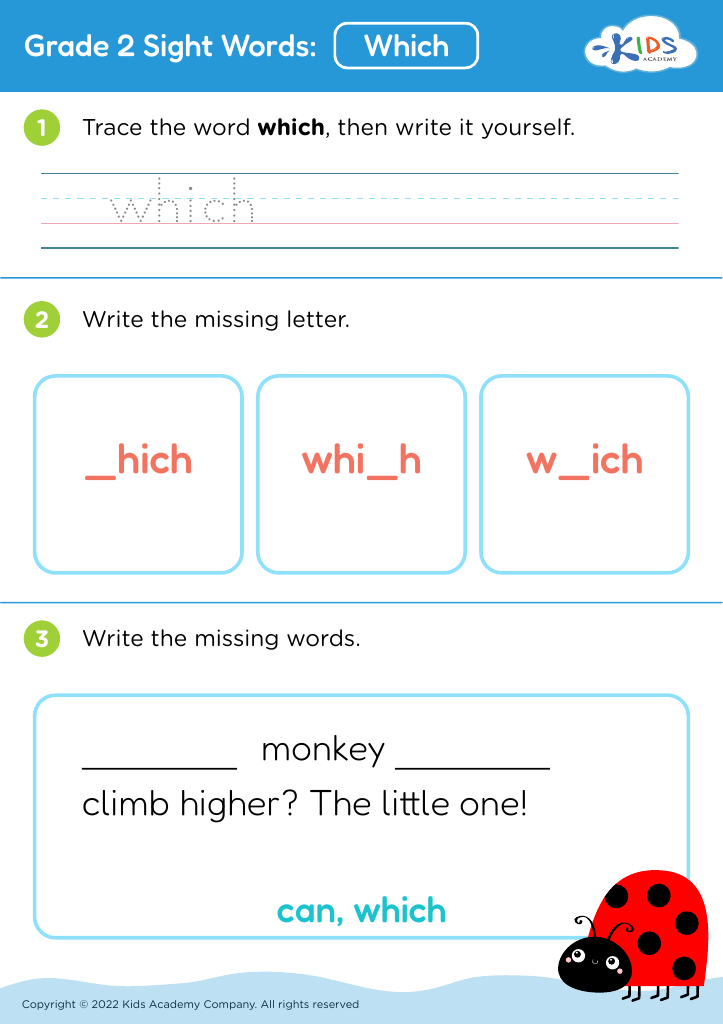
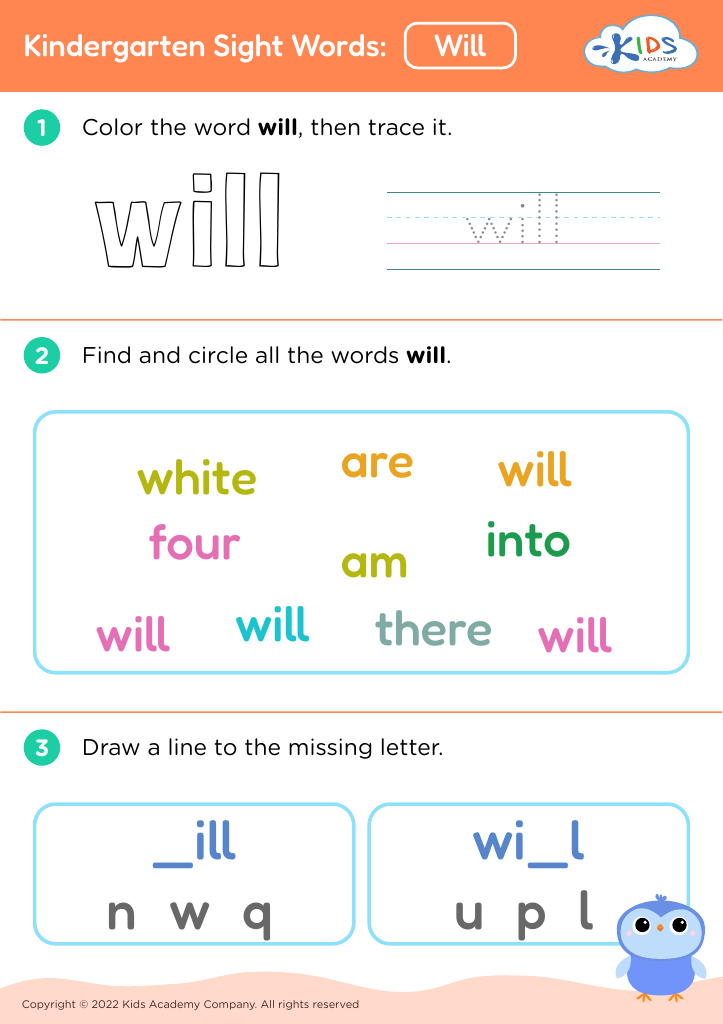
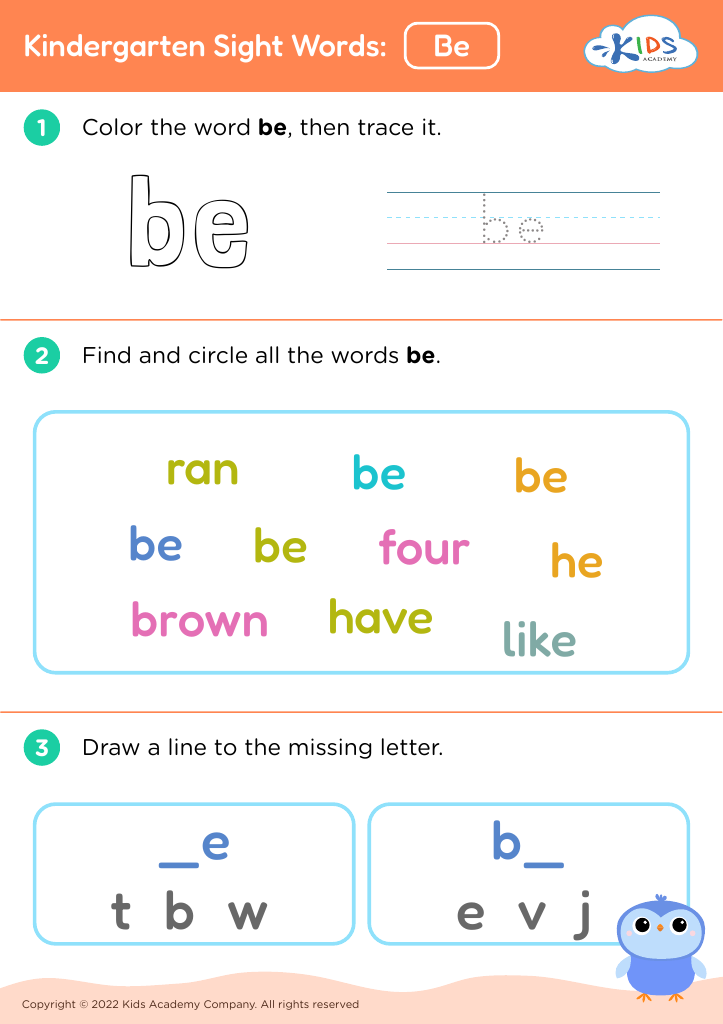
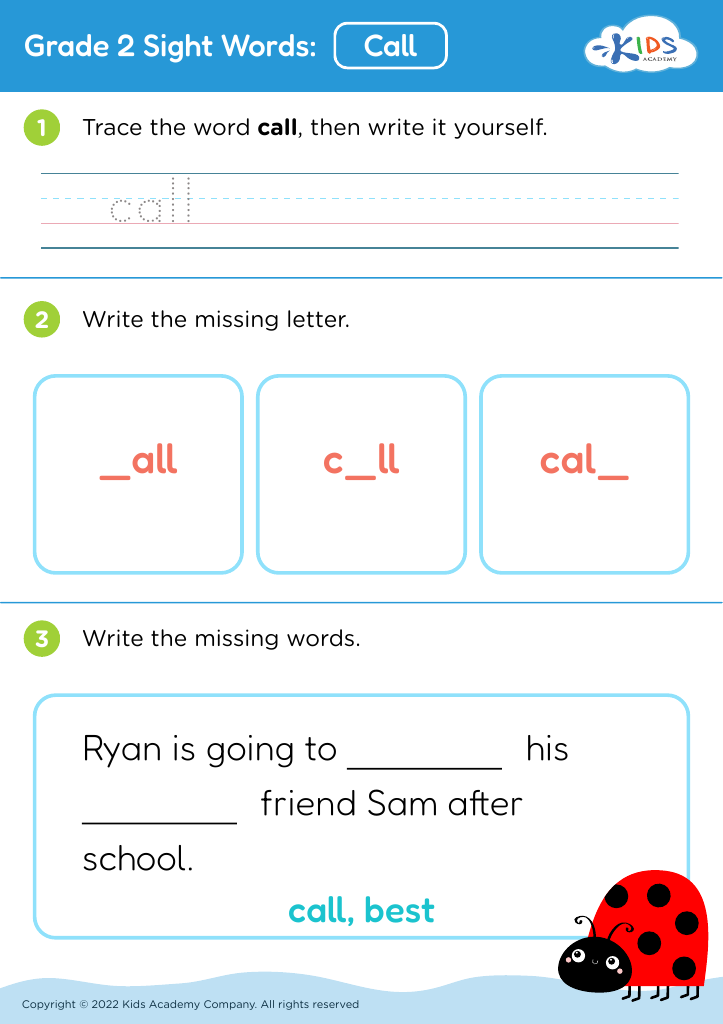
Discover our engaging "Simplifying Fractions Sight Words Worksheets" designed for young learners aged 5-7! These fun, interactive worksheets help children master sight words while introducing essential math skills related to simplifying fractions. Ideal for early grade teachers and parents, our resources promote literacy and numeracy simultaneously, reinforcing understanding through visual aids and hands-on activities. With colorful illustrations and relatable examples, kids will enjoy learning at their own pace. Encourage your child's confidence in reading and math with our thoughtfully crafted worksheets—perfect for classroom use or at-home learning. Start simplifying fractions today while boosting sight word recognition!
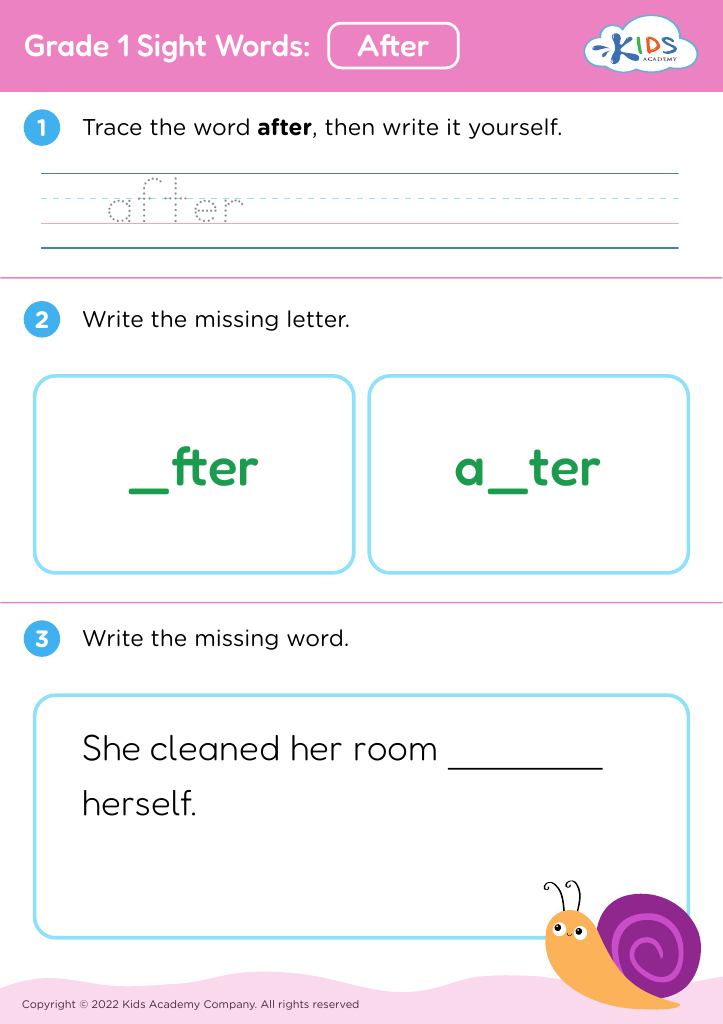













Parents and teachers should care about simplifying fraction sight words for children aged 5-7 because it lays a foundation for numeracy skills essential in their early education. At this age, children are not only learning numbers and basic arithmetic but also beginning to explore concepts that will shape their understanding of mathematics in the future. Simplifying fraction sight words—such as "half," "third," and "quarter"—makes these concepts accessible and relatable.
When children encounter simplified concepts, they can grasp mathematical ideas more quickly and confidently. This accessibility encourages participation and reduces anxiety around math, fostering a positive attitude toward the subject. Furthermore, recognizing these sight words enhances their vocabulary and comprehension skills, providing a linguistic foundation that supports mathematical thinking.
Moreover, many everyday situations involve fractions, such as sharing food or dividing objects. By using simplified fraction sight words in practical contexts, children can see the relevance of math in their lives, reinforcing their learning. By prioritizing these foundational concepts, parents and teachers can significantly enhance their children’s mathematical literacy and set them on a path toward future academic success. Ultimately, establishing strong early math skills will empower children in their lifelong learning journey.