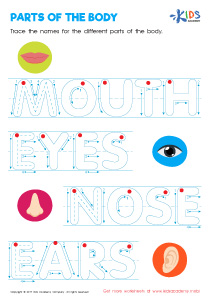
Categorization skills World Around Us Worksheets for Ages 5-7
3 filtered results
-
From - To
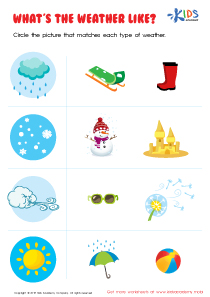
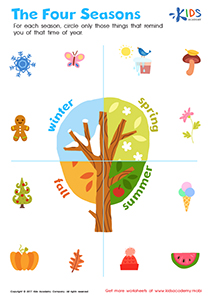
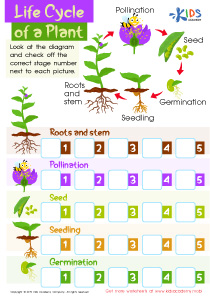
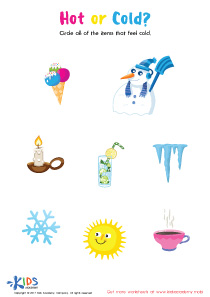
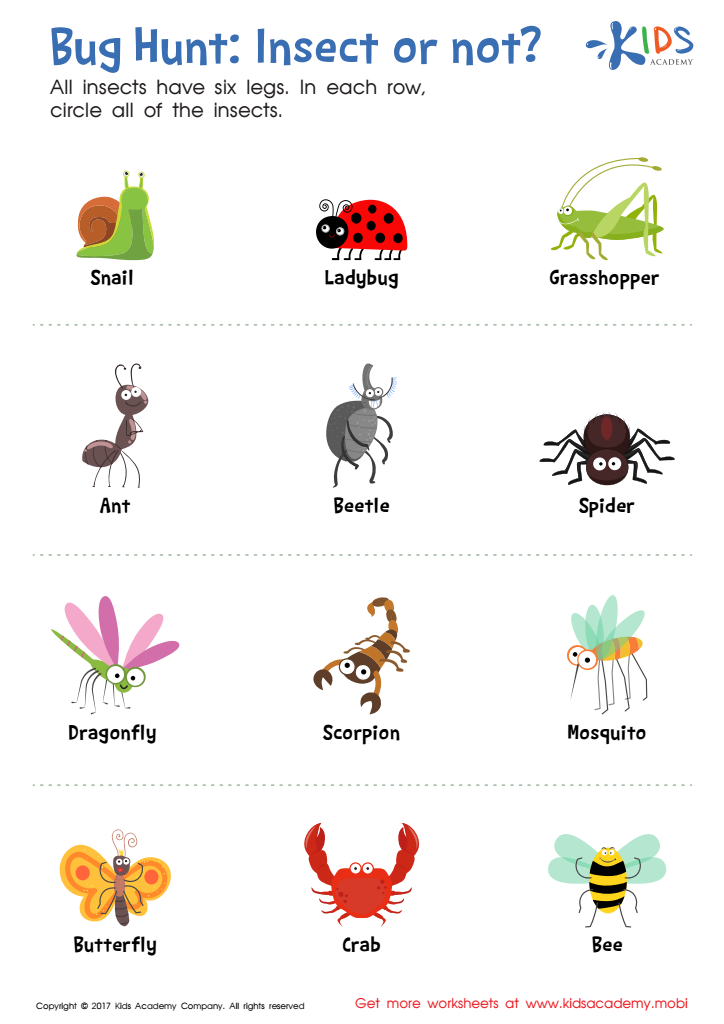
Explore our engaging "Categorization Skills World Around Us Worksheets" designed specifically for children aged 5-7! These interactive worksheets help young learners develop essential categorization skills by exploring various elements of the world around them. Through fun activities, children will practice sorting items based on characteristics, enhancing their cognitive development and critical thinking abilities. The visually appealing design makes learning enjoyable, as kids engage with subjects like animals, plants, and everyday objects. Perfect for home or classroom use, these worksheets provide a fantastic way to support early education and inspire curiosity about the world. Download today and watch your child thrive!
 Assign to My Students
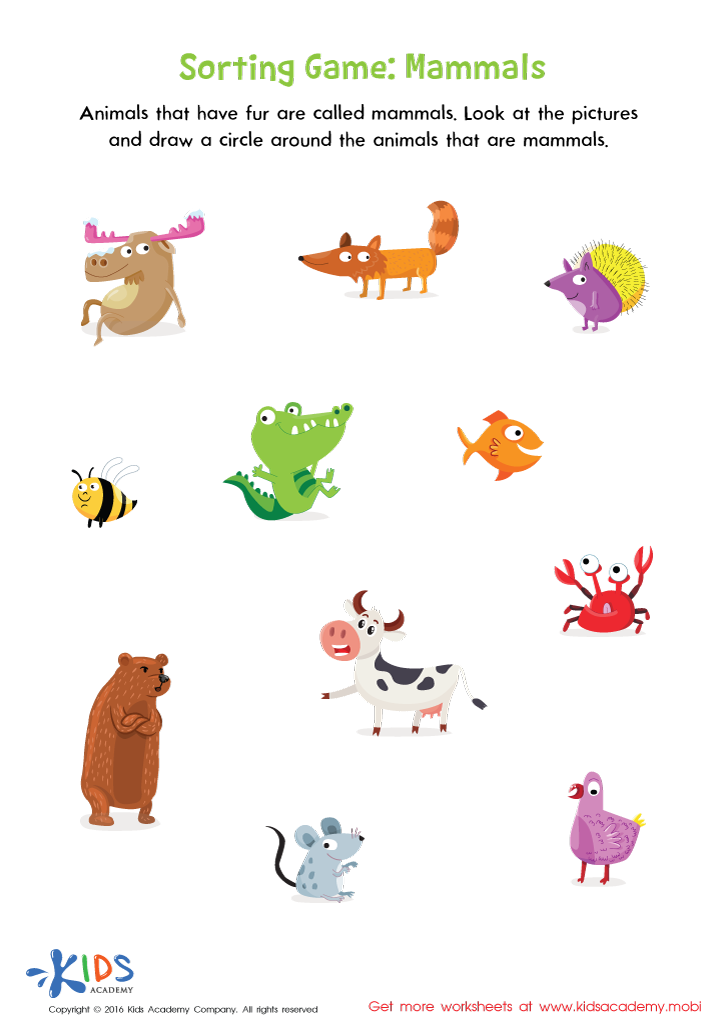
Mammals Sorting Worksheet
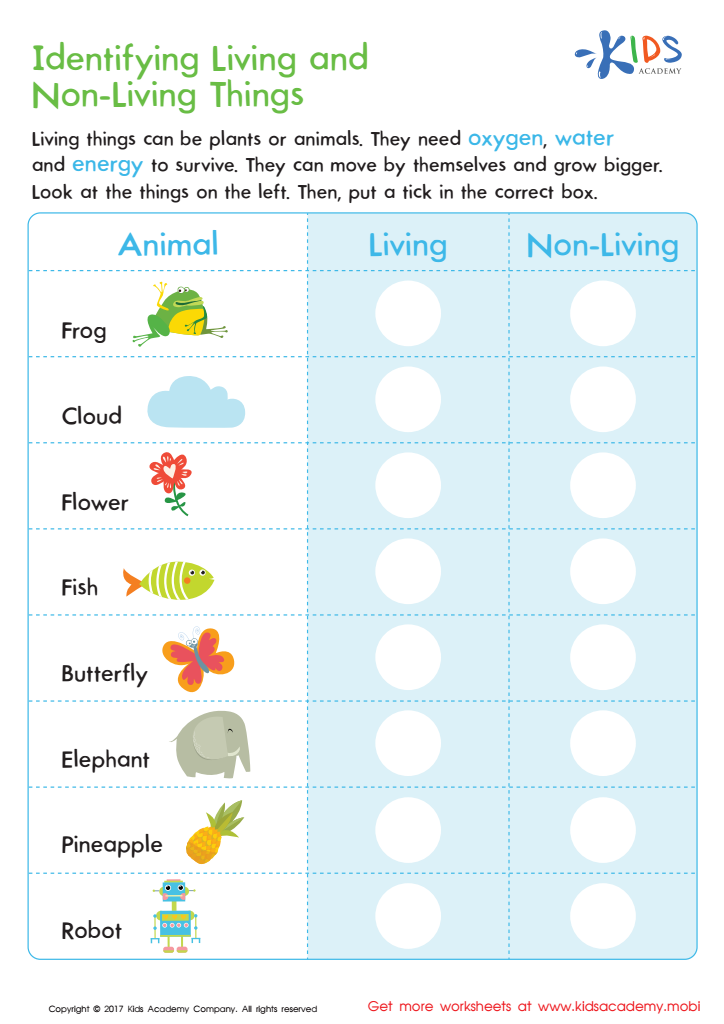
Identifying Living or Non–living Worksheet






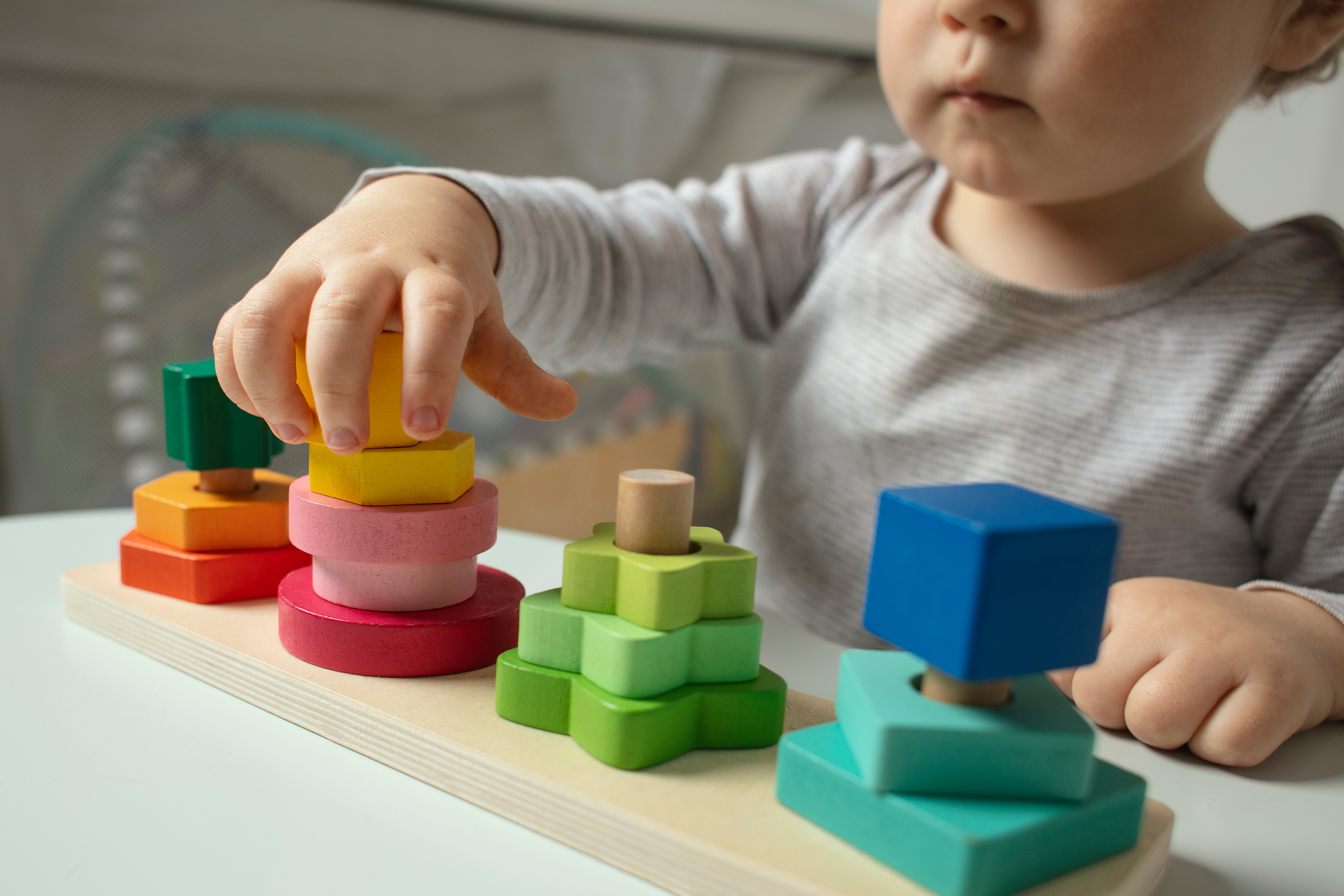

Categorization skills are crucial for children aged 5-7 as they lay the foundation for cognitive development and everyday decision-making. These skills help young learners make sense of the vast world around them, allowing them to group similar objects, ideas, or events together, which in turn aids in memory and comprehension. By understanding categories, children can learn to differentiate between concepts, classify information, and create mental frameworks that enhance their problem-solving abilities.
Parents and teachers should care about fostering these skills because they underpin a range of academic subjects, from science to language arts. For instance, math relies on categorization for sorting and recognizing patterns, while reading involves grouping words or elements in stories. Moreover, categorization promotes critical thinking, helping children develop analytical skills by evaluating and comparing different items or concepts.
Furthermore, supporting categorization can encourage social-emotional development. It can help children navigate social groups and understand relationships by categorizing friends and peers based on shared interests and traits. In a rapidly changing world, these foundational skills are critical for building children’s confidence and independence, ensuring they become capable, engaged learners who can successfully interact with their environment.