Handwriting practice ABC Letters Worksheets for Ages 5-8 - Page 2
26 filtered results
-
From - To
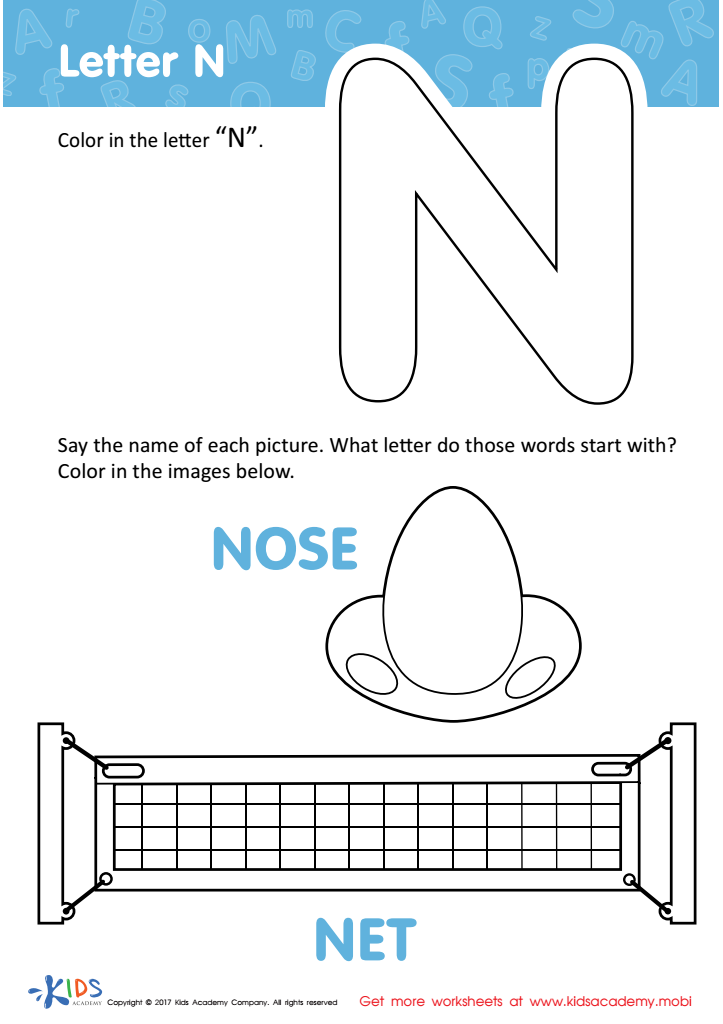
Letter N Coloring Sheet
 Assign to My Students







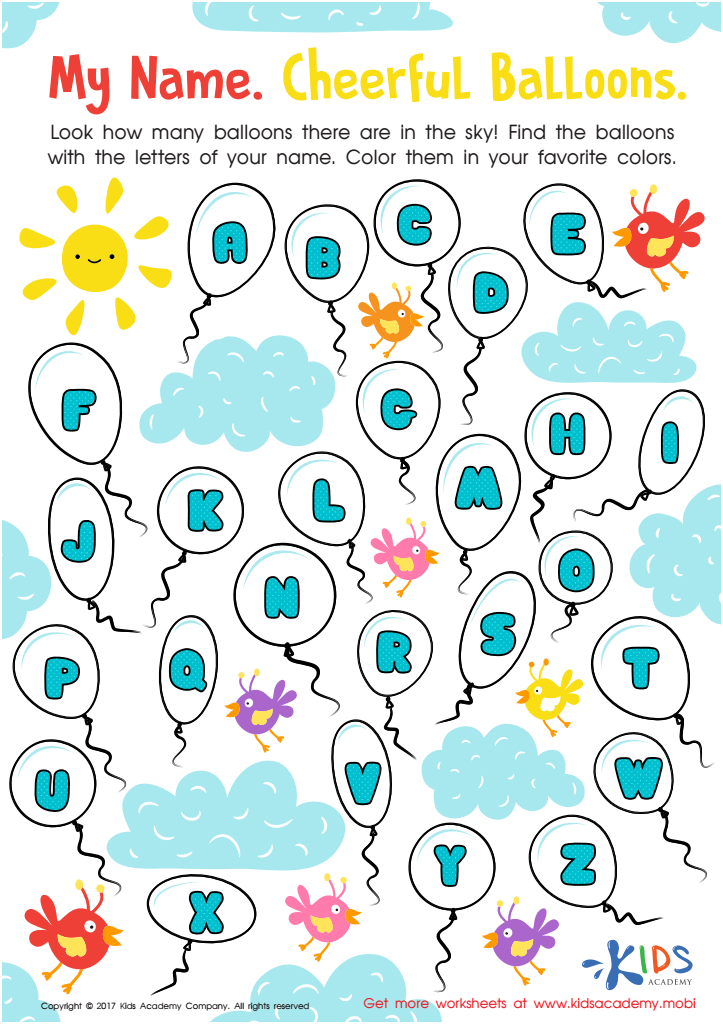
My Name: Cheerful Balloons Worksheet
Assign to My Students







Handwriting practice is vital for children aged 5-8 as it lays the foundation for literacy and communication skills. During these formative years, children are developing fine motor skills, hand-eye coordination, and cognitive abilities, all essential for writing effectively. Practicing handwriting helps reinforce letter recognition and phonics, essential components in reading and writing.
Additionally, mastering handwriting significantly contributes to a child's self-esteem and confidence. As they learn to write letters clearly and legibly, they gain a sense of accomplishment and pride in their work. Engaging in handwriting activities can also enhance focus and concentration, attributes that are beneficial for overall academic success.
Moreover, handwriting is an important tool for self-expression. As children learn to articulate their thoughts on paper, they develop their unique voice and creativity. The act of writing can also facilitate emotional expression and reflection, allowing children to share their feelings and experiences.
Not to mention, in our increasingly digital world, the ability to write by hand remains a crucial skill. Supporting handwriting practice ensures children are equipped with essential skills that benefit them in their education and everyday life. Therefore, parents and teachers should prioritize handwriting development in early childhood education.







