Vocabulary expansion Elementary Phonics Worksheets for Ages 5-8
6 filtered results
-
From - To
Expand your child's vocabulary with our engaging Elementary Phonics Worksheets for Ages 5-8! Designed to boost reading and language skills, these fun and interactive worksheets focus on phonics and foundational word concepts. Each worksheet features vibrant illustrations and engaging activities to make learning new words enjoyable and effective. With a variety of exercises that cater to different learning styles, our worksheets help children recognize, pronounce, and use new vocabulary confidently. Ideal for home or classroom use, these resources provide the perfect balance of challenge and motivation for young learners. Enhance your child's vocabulary and phonics skills today!
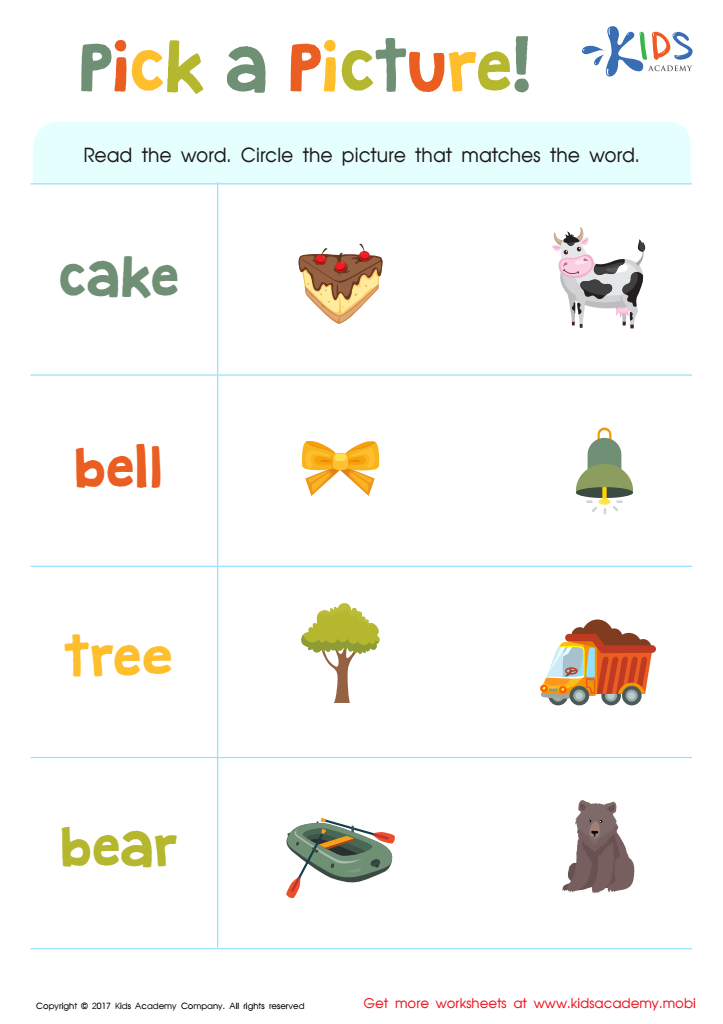
Pick a Picture Word Recognition Worksheet

Long and Short U Worksheet
 Assign to My Students
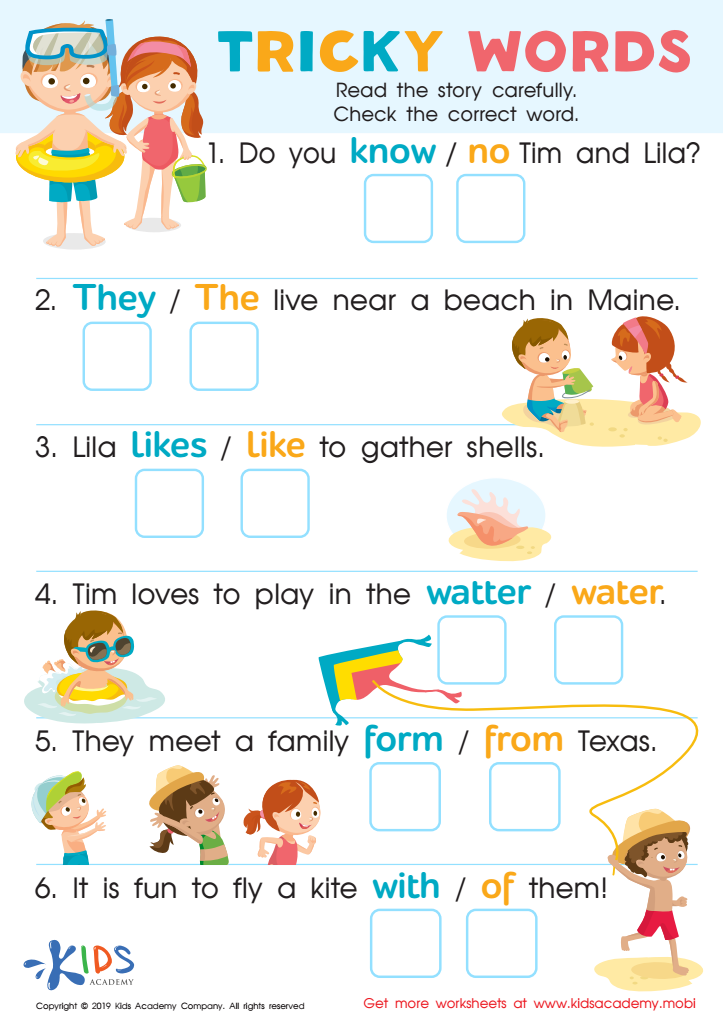
Tricky Words Worksheet
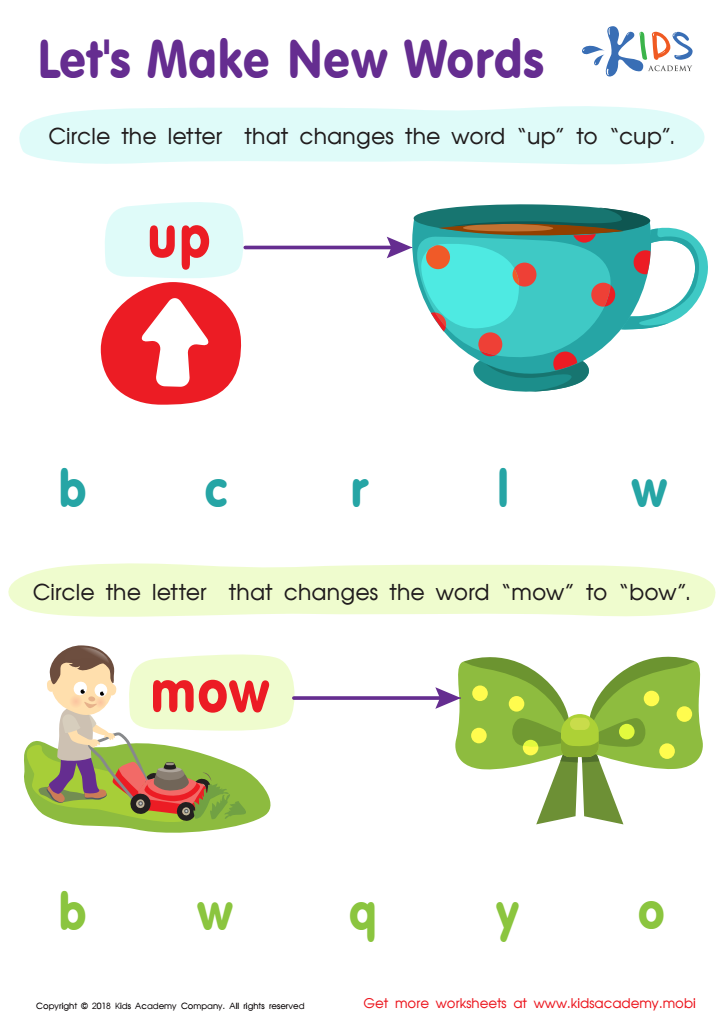
Let's Make New Words Worksheet
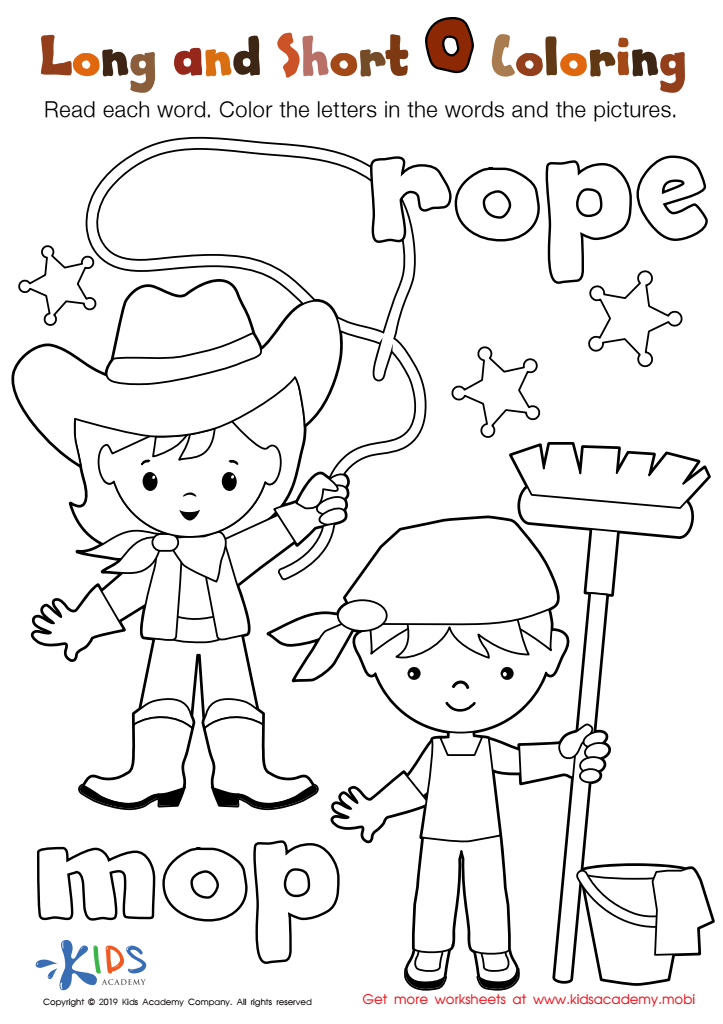
Long and Short O Worksheet
Assign to My Students
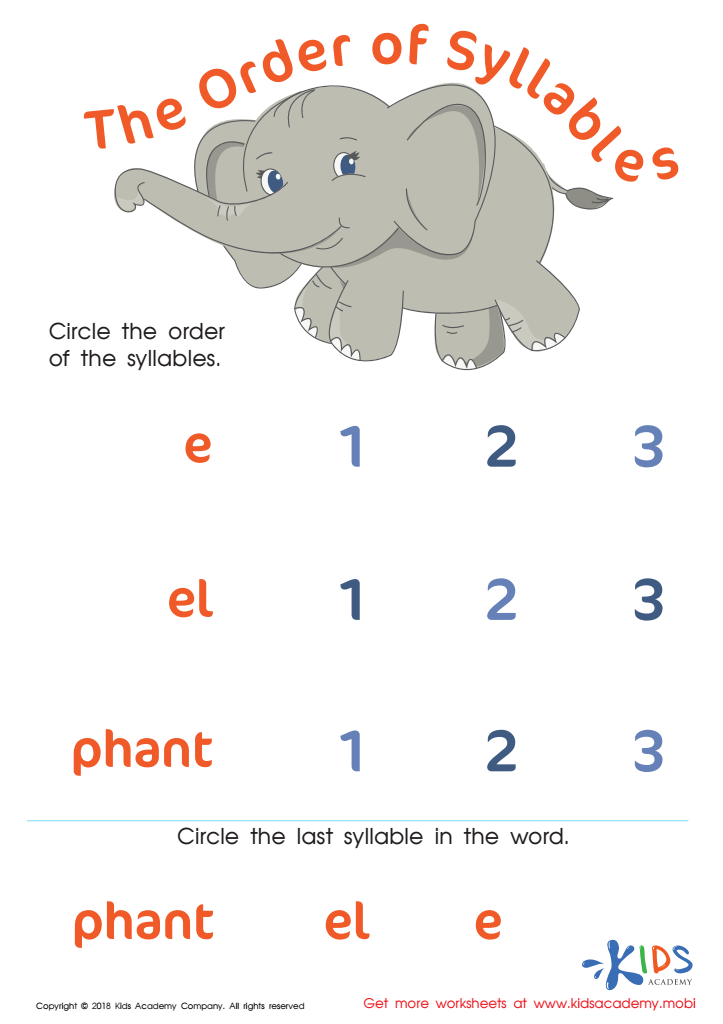
The Order of Syllables Worksheet




Vocabulary expansion and elementary phonics instruction for children ages 5-8 are foundational for their academic and social development. At this crucial age, children's brains are highly receptive to language acquisition, making it the optimal period to introduce new words and phonetic structures.
Firstly, a robust vocabulary enhances reading comprehension. When children understand more words, they can grasp the meaning of texts better, leading to improved academic performance across all subjects. Reading proficiency not only correlates with higher scores in language arts but also in mathematics, science, and social studies, as many problems and concepts are misunderstood if vocabulary is limited.
Secondly, phonics, the relationship between letters and sounds, is critnour és. This fundamental skill empowers children to decode new words independently, fostering a sense of confidence and autonomy in their reading abilities. As they become adept at phonics, they can tackle more complex texts with ease.
Additionally, an expanded vocabulary supports effective communication. Children who express their thoughts and emotions clearly are more likely to succeed socially. They can build better relationships, resolve conflicts, and interact positively with peers and adults.
In essence, prioritizing vocabulary expansion and phonics in early education equips children with the tools they need for academic success, effective communication, and lifelong learning. Parents and teachers, therefore, play a pivotal role in nurturing these skills during these formative years.







