Improve reading skills Alphabet Worksheets for Ages 5-8
3 filtered results
-
From - To
Boost your child's reading abilities with our specially-designed Alphabet Worksheets for ages 5-8. These engaging and fun printables focus on letter recognition, phonics, and early reading skills, making learning enjoyable. Each worksheet is crafted to build a solid foundation in literacy, fostering confidence in young learners. Perfect for use at home or in the classroom, our activities are tailored to support developmental milestones. Ensure your child only gets the best start on their reading journey. Explore endless possibilities with our comprehensive collection and watch as they turn into enthusiastic and capable readers. Start improving reading skills today!
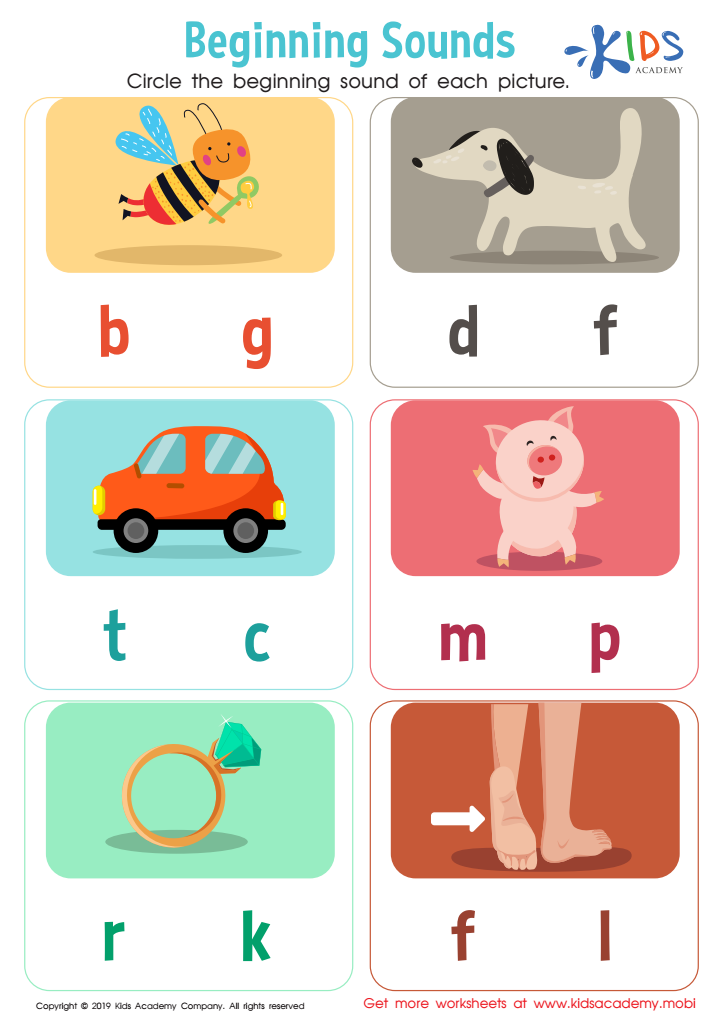
Beginning Sounds Worksheet
 Assign to My Students
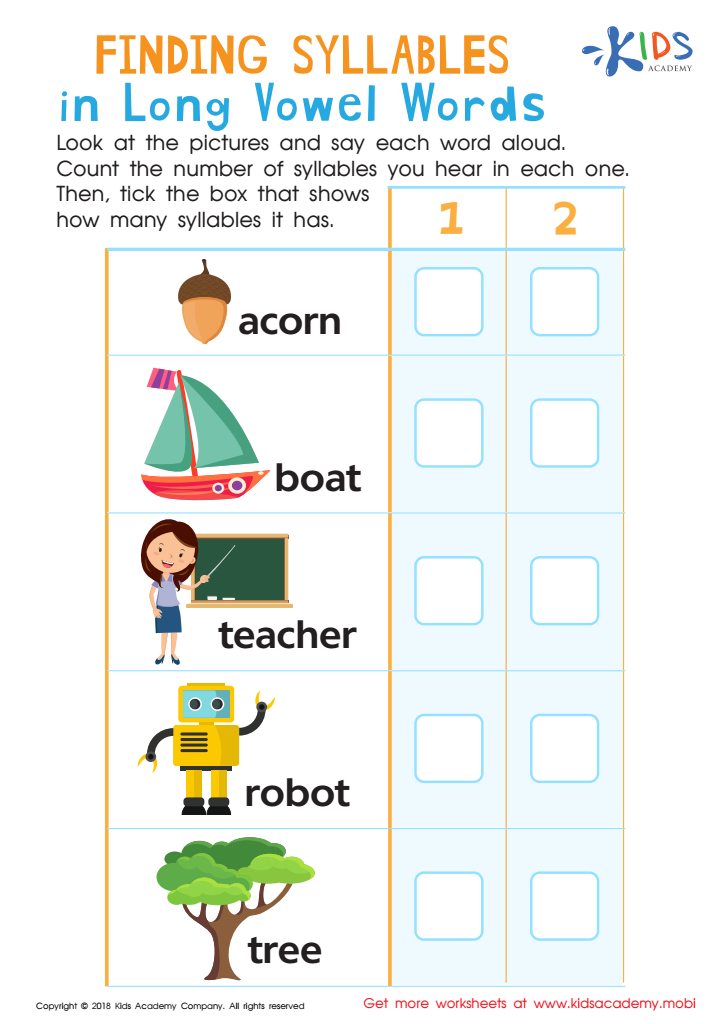
Finding Syllables in Long Vowel Words Worksheet
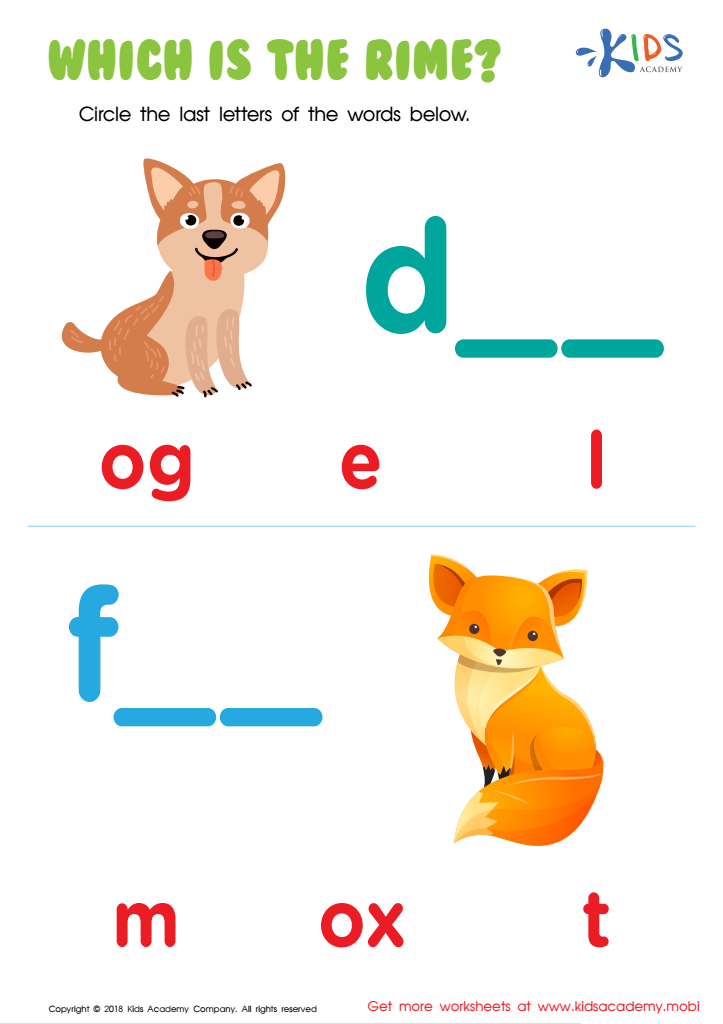
Which Is the Rime? Worksheet







Parents and teachers should care about improving reading skills through learning the alphabet for children aged 5-8 because these formative years lay the foundation for future academic success and lifelong learning. Understanding the alphabet is not just about recognizing letters; it’s the first critical step towards developing literacy skills. When children grasp the alphabet, they can begin to decode words, which leads to better reading fluency and comprehension.
Early literacy skills are strongly linked to later success in school. Research shows that children who can read proficiently by third grade are more likely to graduate from high school and pursue higher education. Moreover, reading ability influences performance in other key areas, such as mathematics and science, because so much classroom instruction is based on written content.
Improving reading skills also supports cognitive development, fostering critical thinking, imagination, and problem-solving abilities. Socially and emotionally, reading opens up new worlds, helping children understand different perspectives and cultures, thereby enhancing empathy and communication skills.
Parents and teachers play essential roles in this early-stage learning. By engaging children in alphabet games, songs, and reading sessions, they provide the encouragement and environment necessary for these young learners to thrive. Thus, a focus on reading skills and alphabet familiarity is fundamental for both immediate educational benefits and long-term achievement.







