Shape Recognition Alphabet Worksheets for Ages 5-8
4 filtered results
-
From - To
Unlock your child's potential with our engaging Shape Recognition Alphabet Worksheets, specifically designed for ages 5-8. These fun and interactive worksheets help young learners connect letters of the alphabet with various shapes, enhancing their recognition skills while fostering creativity. Each worksheet includes colorful images and simple instructions that cater to early literacy and visual learning. Ideal for classroom activities or home-based learning, these resources make mastering the alphabet an exciting adventure. Encourage your child's cognitive development and artistic expression today with our Shape Recognition Alphabet Worksheets—where learning shapes and letters becomes a delightful experience! Perfect for little learners eager to explore!
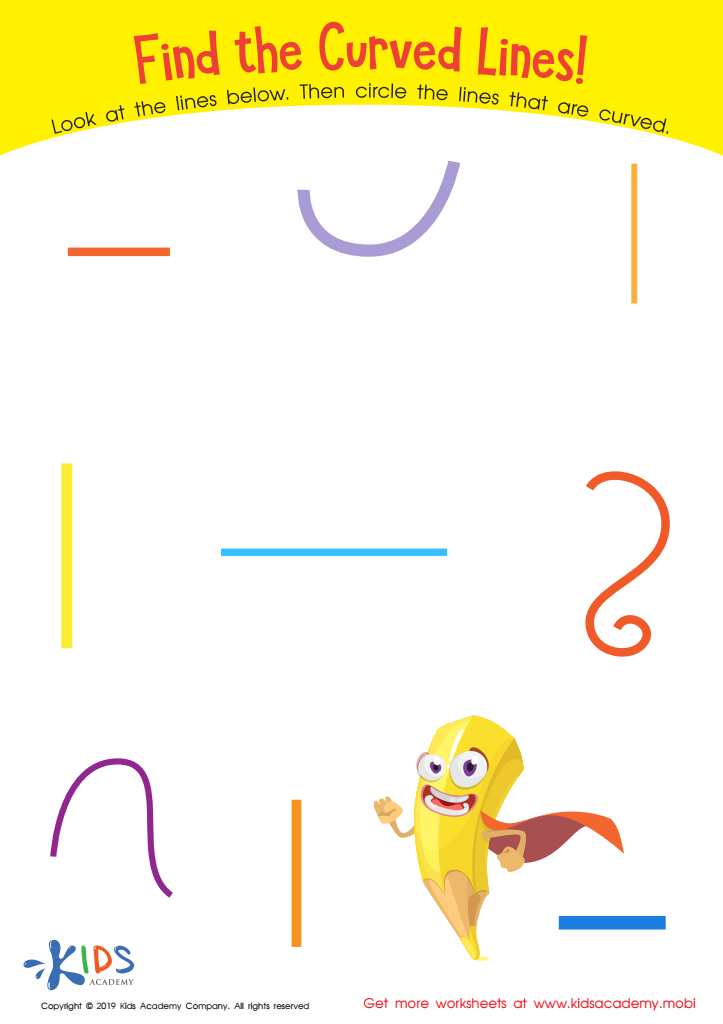
Find the Curved Lines! Worksheet
 Assign to My Students
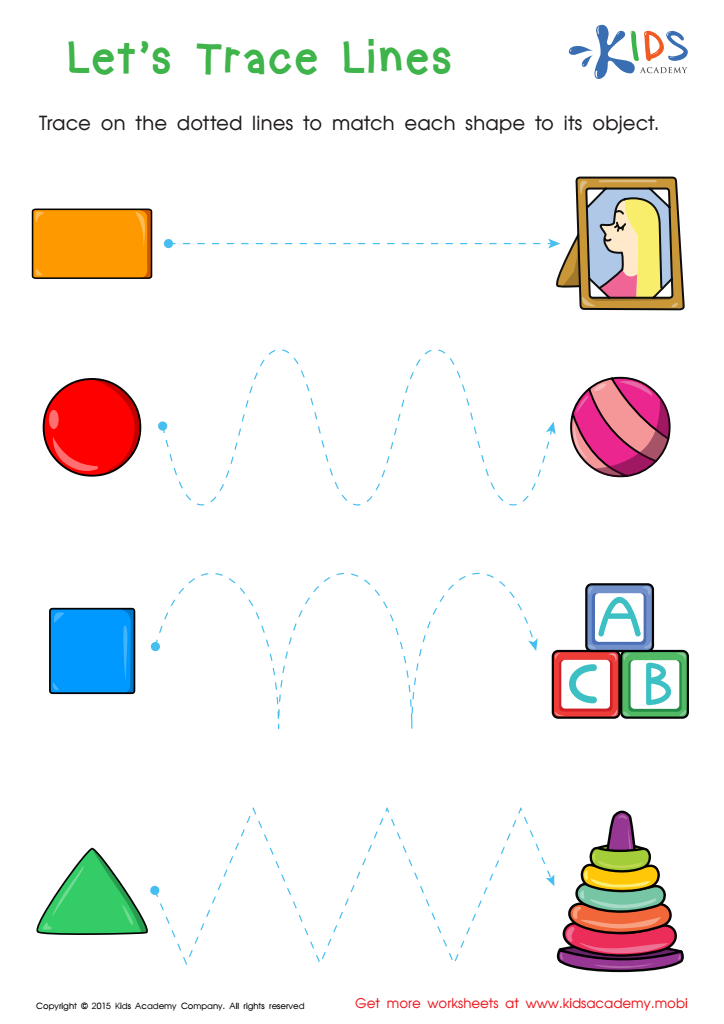
First Words: Let's Trace Lines Worksheet
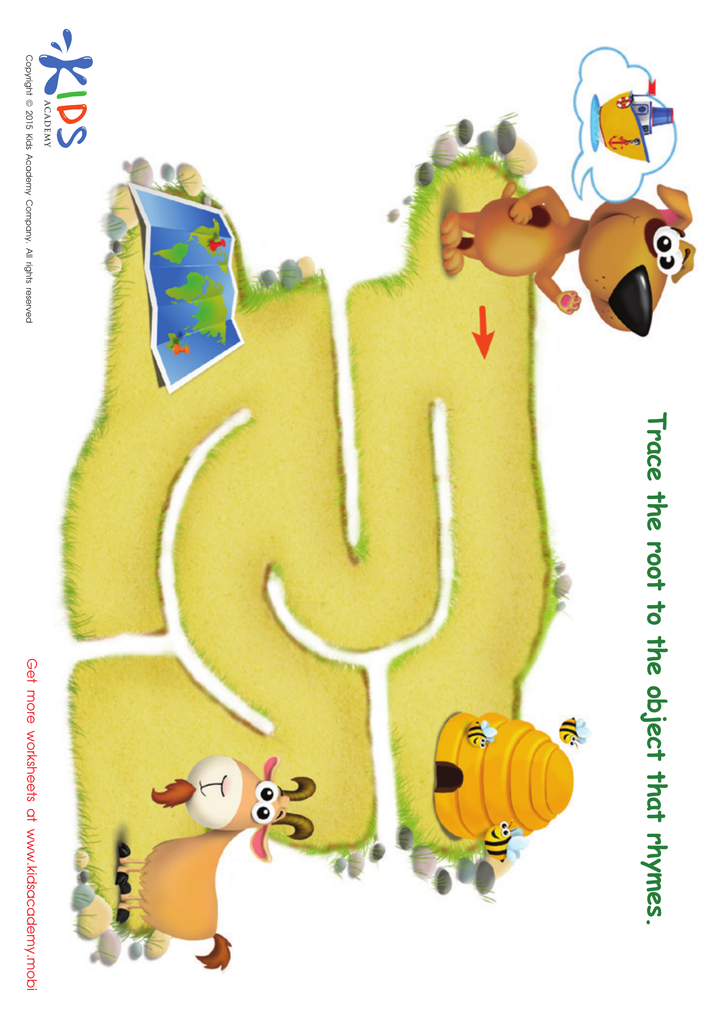
Boat Rhyming Words Worksheet
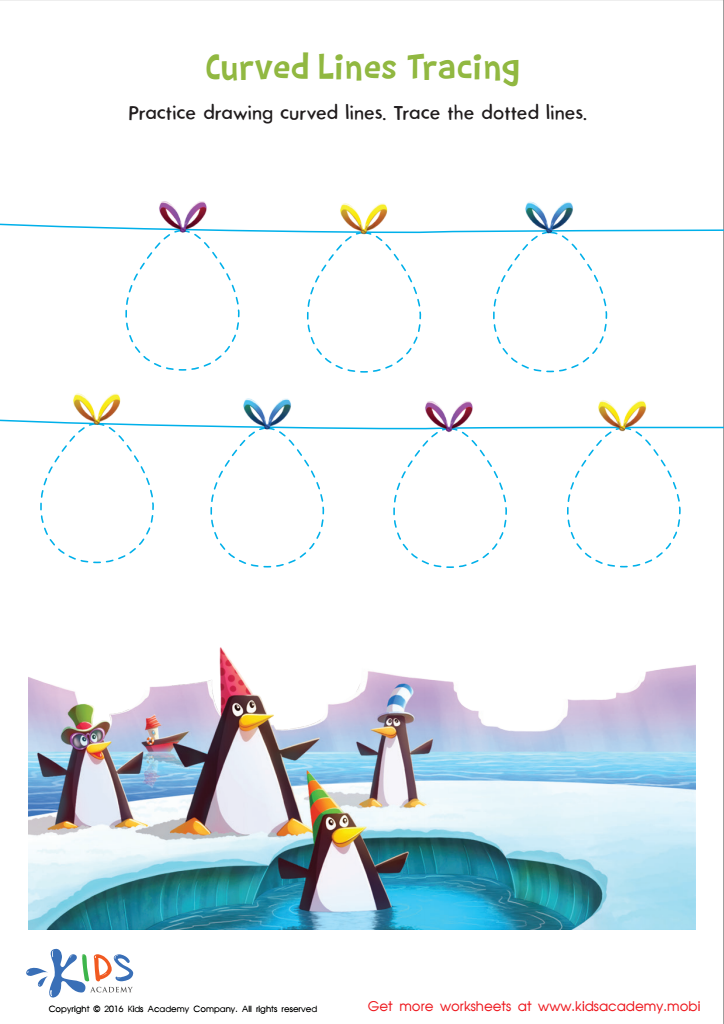
Curved Lines Tracing Worksheet







Shape recognition is a fundamental early childhood skill that plays a vital role in a child's overall development. For children aged 5 to 8, mastering shape recognition extends beyond simply identifying forms; it forms the building blocks for critical math and spatial reasoning skills. Parents and teachers should care about this because it supports cognitive development, enhances problem-solving abilities, and lays the groundwork for geometry concepts they will encounter later in school.
Understanding shapes also aids in language development, as children learn vocabulary related to geometry, such as "hexagon," "octagon," and "parallel." This vocabulary enriches their communication skills and enhances their ability to describe the world around them.
Additionally, nurturing shape recognition fosters creativity—through activities like art and design, children explore how shapes combine to create complex imagery. Engaging with shapes stimulates their visual-spatial memory, further enhancing their academic performance.
Ultimately, incorporating shape recognition activities into learning encourages teamwork and interaction among young learners, further developing social skills. Involving parents and teachers in this process can lead to more enjoyable, engaging, and effective learning experiences that prepare children for future academic success. Thus, prioritizing shape recognition offers a wealth of developmental benefits essential for young minds.







