Letter Tracing Practice Letter Recognition Worksheets for Ages 5-8
5 filtered results
-
From - To
Unlock your child’s potential with our engaging Letter Tracing Practice Letter Recognition Worksheets for Ages 5-8. Perfect for young learners, these worksheets focus on enhancing fine motor skills and boosting letter recognition through fun, interactive activities. Designed to make learning enjoyable, kids will delight in tracing each letter while reinforcing their alphabet knowledge. Develop foundational writing abilities and prepare your child for reading success with our comprehensive worksheets. It's the ideal resource to support early literacy development, providing a playful yet educational experience that will keep children excited about learning. Start tracing your way to educational success today!
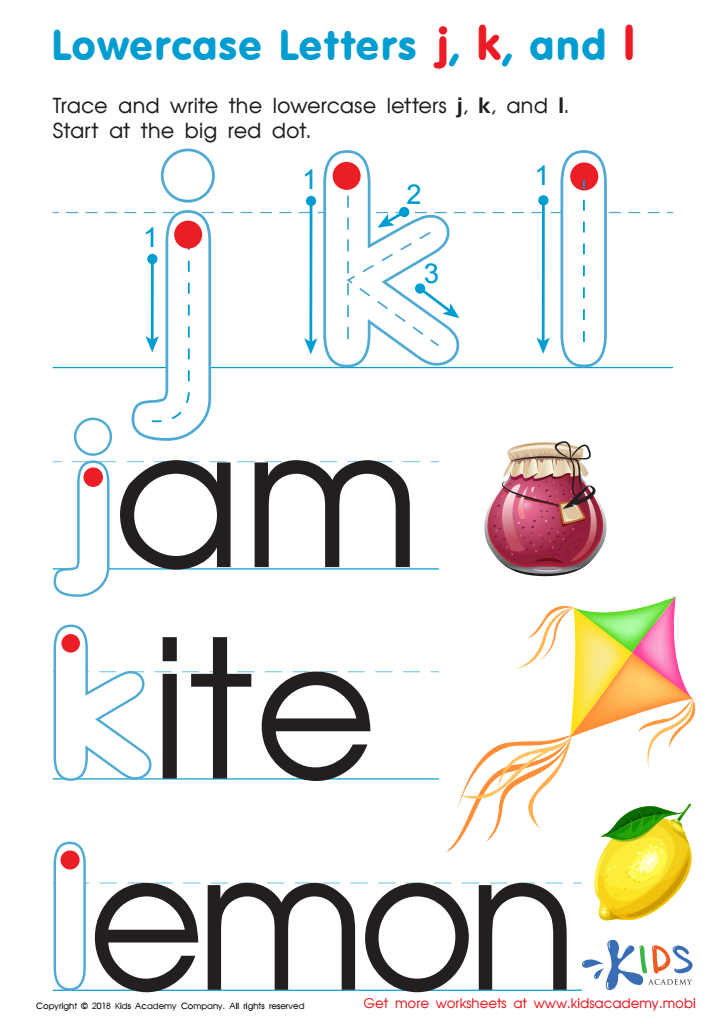
Lowercase Letters j k l Worksheet
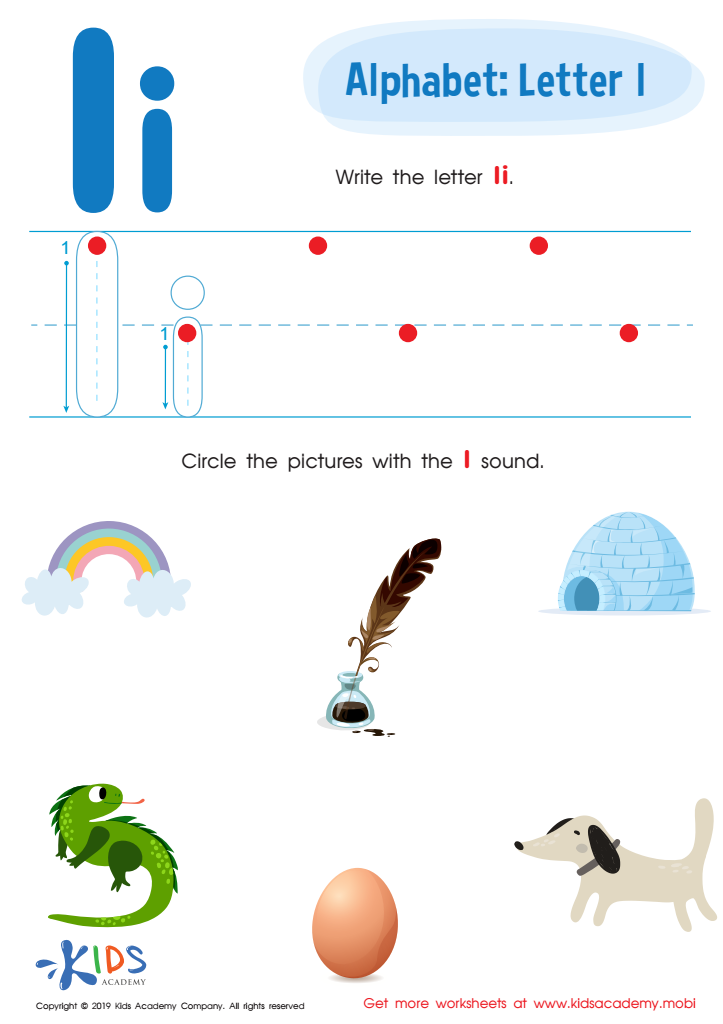
Letter I Tracing Worksheet
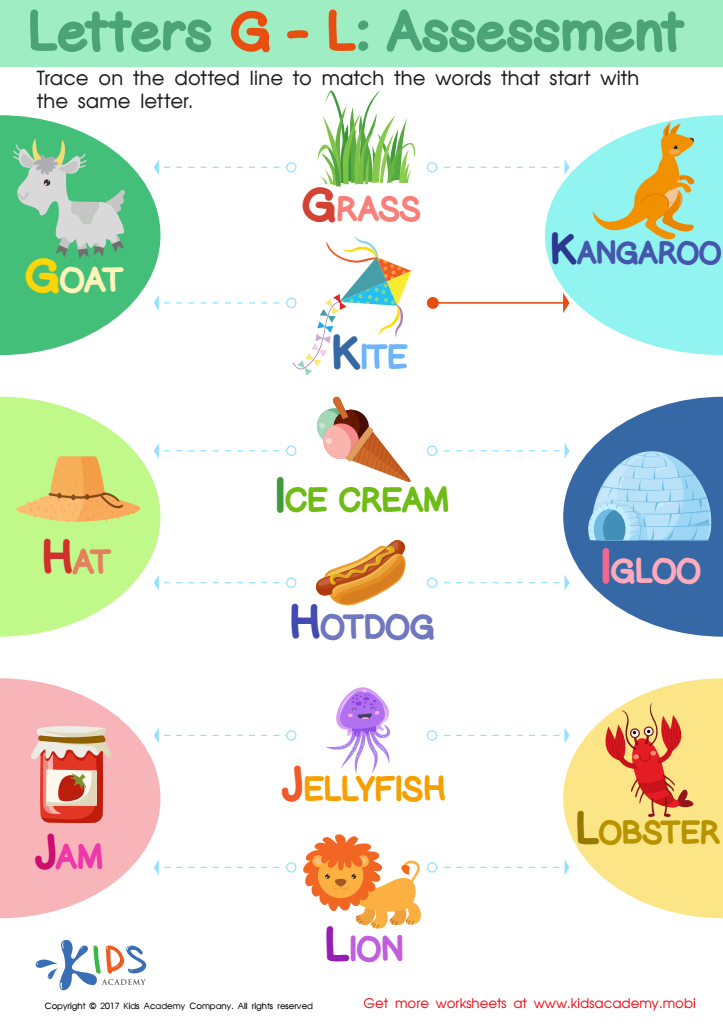
Letters G-L Worksheet
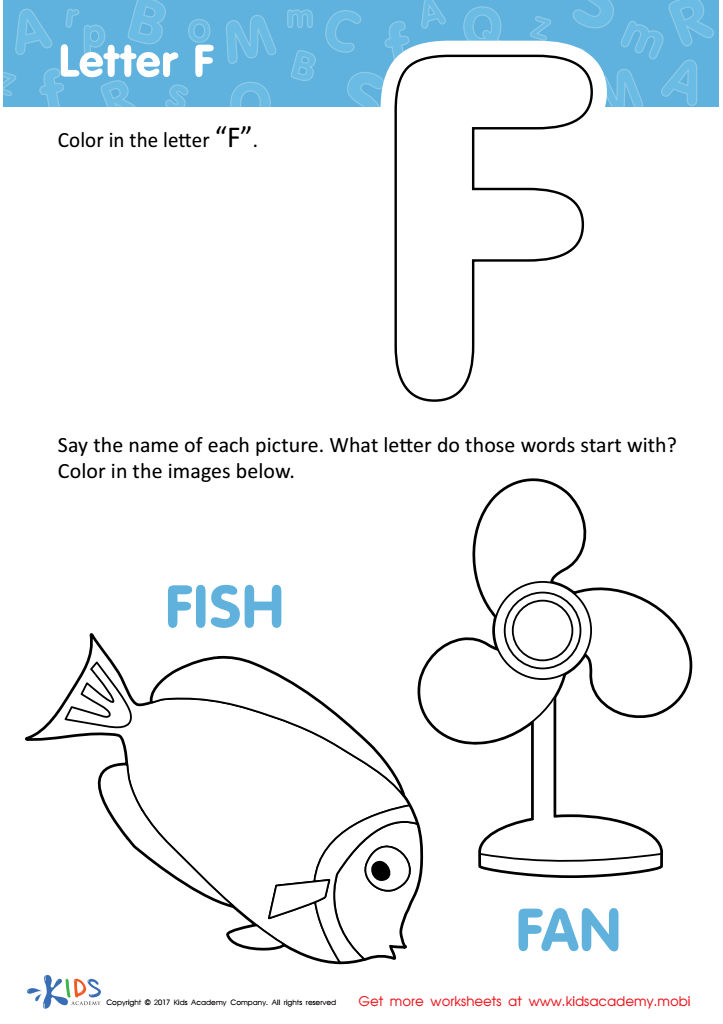
Letter F Coloring Sheet
 Assign to My Students
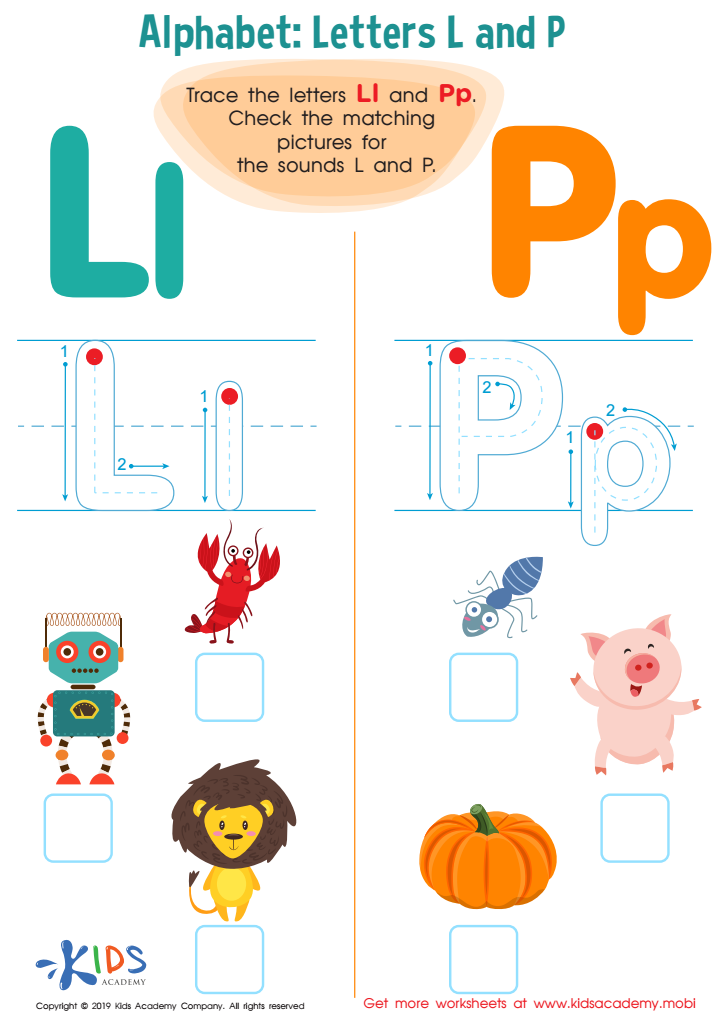
Letter L and P Tracing Worksheet








Parents and teachers should highly value letter tracing practice and letter recognition activities for children aged 5-8 because these foundational skills are essential for early literacy development. At this critical developmental stage, children's brains are especially receptive to learning symbols, sounds, and shapes associated with letters, all of which are fundamental components of reading and writing.
Letter tracing helps young learners understand the physical form of letters and improves their fine motor skills, crucial for writing. As children trace letters, they enhance their hand-eye coordination and muscle memory, making it easier for them to write independently.
Simultaneously, letter recognition enables children to identify letters and associate them with corresponding sounds. This skill is pivotal when children start decoding words and sentences, serving as the building block for proficient reading. When children recognize letters effortlessly, their reading fluency improves, leading them to better comprehend texts and fostering a love for reading.
Investing time in these practices makes the process of learning to read and write more enjoyable and accessible for young learners. By focusing on these skills, parents and teachers pave the way for children's academic success and long-term love for learning, providing them with the tools they need to communicate effectively and excel in future educational endeavors.







