Motor skills development Letter Recognition Worksheets for Ages 5-8
5 filtered results
-
From - To
Discover our engaging Motor Skills Development Letter Recognition Worksheets designed specifically for children aged 5-8! These printable resources combine fun and learning, helping young learners enhance their fine motor skills while recognizing letters of the alphabet. Each worksheet features activities such as tracing, coloring, and sorting letters, providing a hands-on approach to letter recognition. With these worksheets, kids will gain confidence in writing and identifying letters, fostering a strong foundation for reading. Perfect for both classrooms and at-home learning, our motor skill development worksheets offer a creative way to support early childhood education. Start your child's learning journey today!

Letter H Tracing Page
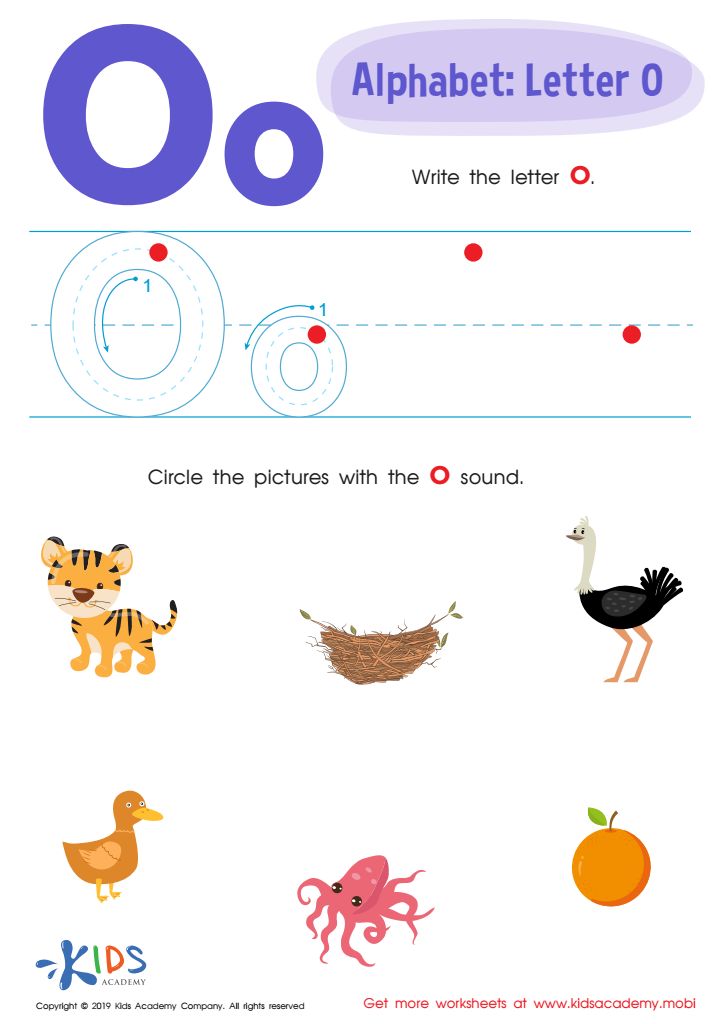
Letter O Tracing Worksheet

Letter O Coloring Sheet
 Assign to My Students

Letter B Tracing Page
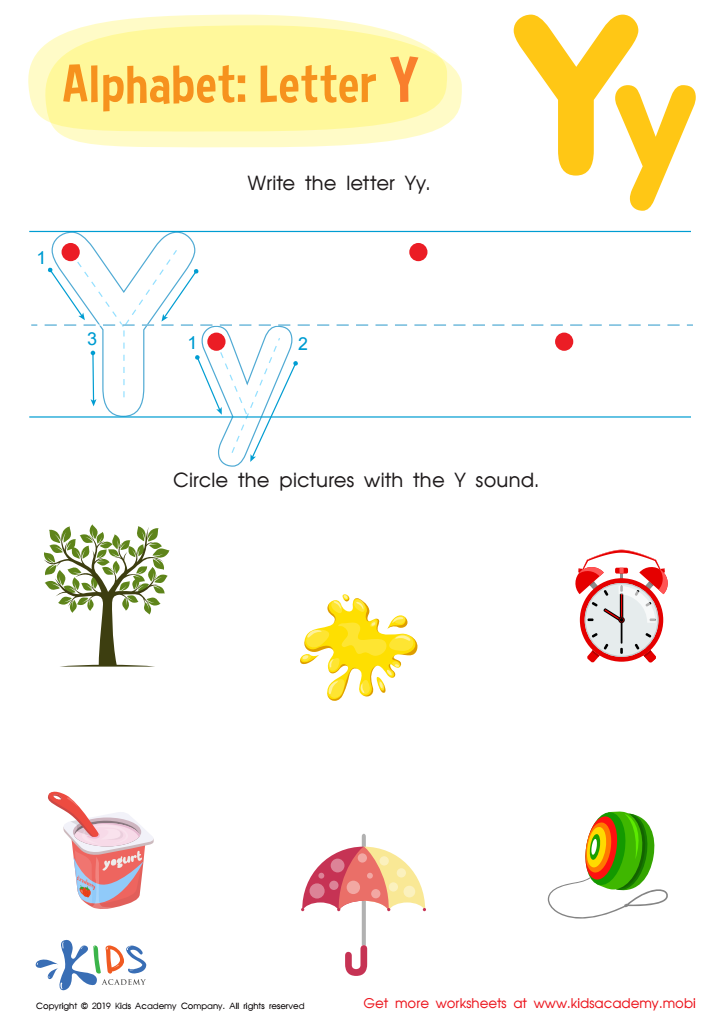
Letter Y Tracing Worksheet








Motor skills development and letter recognition are crucial in shaping a child's cognitive and academic future, particularly for those aged 5-8 years. During these formative years, children refine both fine and gross motor skills, which are essential for various tasks such as writing, drawing, cutting, and participating in physical activities. Strong motor skills enhance a child's ability to manipulate objects, improving hand-eye coordination and overall dexterity, which are vital for successful handwriting and early writing skills.
Simultaneously, letter recognition lays the groundwork for literacy. By recognizing letters, children can form connections between sounds and symbols, which is fundamental for reading and writing. Engaging in activities that promote letter recognition develops phonemic awareness and vocabulary, making it easier for children to decode words and comprehend stories.
When parents and teachers invest in fostering motor skills and letter recognition, they support a holistic development approach, allowing children to express themselves, build confidence, and become lifelong learners. This dual focus fosters readiness for complex learning tasks in later grades, ultimately preventing future literacy challenges. Therefore, active engagement in these areas is essential, ensuring children enjoy a smoother educational journey and better overall development.







