Phonics practice Letter Recognition Worksheets for Ages 5-8
5 filtered results
-
From - To
Welcome to our Phonics Practice Letter Recognition Worksheets, specially designed for children ages 5 to 8! Our engaging worksheets are ideal for enhancing early literacy skills through fun and interactive activities. Each worksheet focuses on letter recognition, helping young learners associate letters with sounds to improve their reading abilities. With a variety of exercises including tracing, matching, and coloring, your child will enjoy developing their phonics skills while building confidence in their literacy journey. Perfect for classroom use or at-home learning, these worksheets offer the ideal foundation for successful reading. Start your child's adventure in learning today!
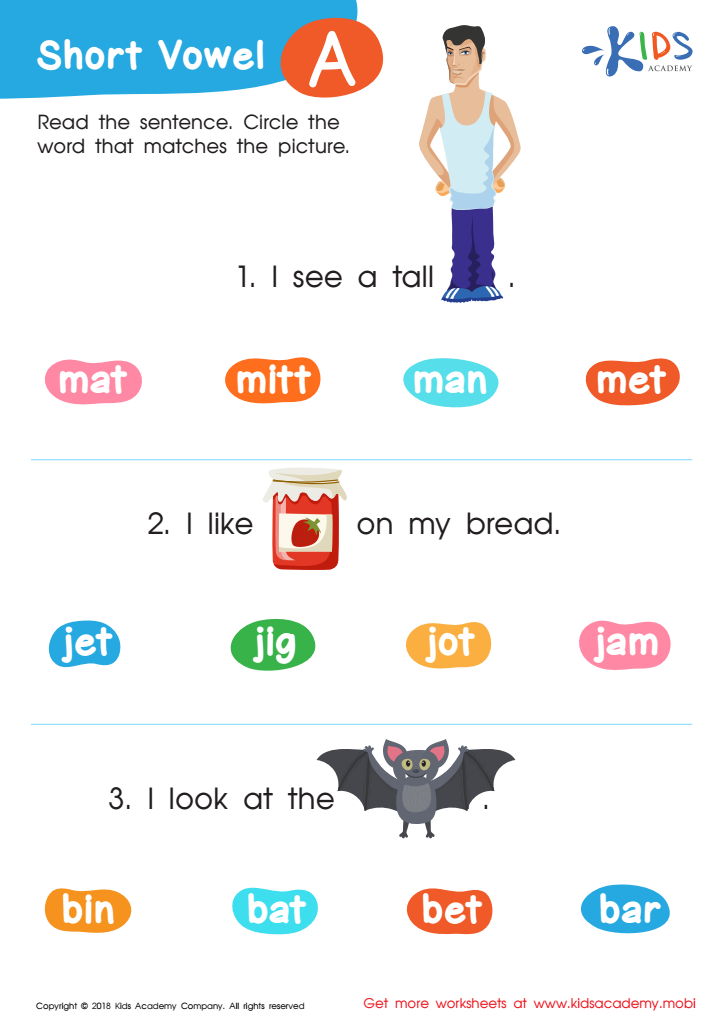
Short Vowel /a/ Worksheet
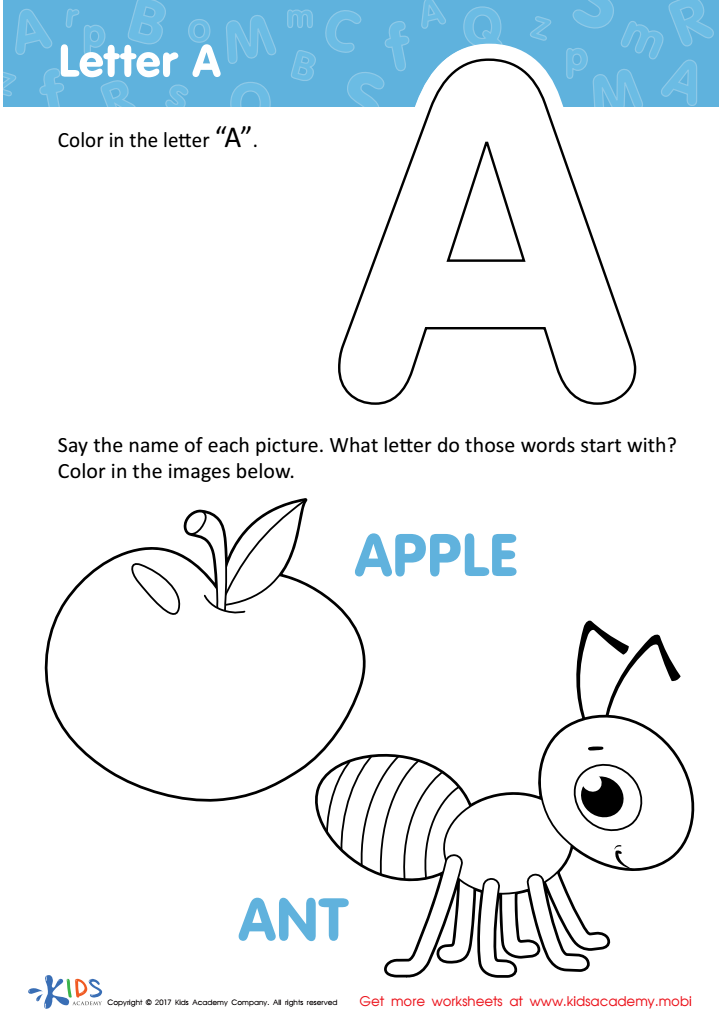
Letter A Coloring Sheet
 Assign to My Students
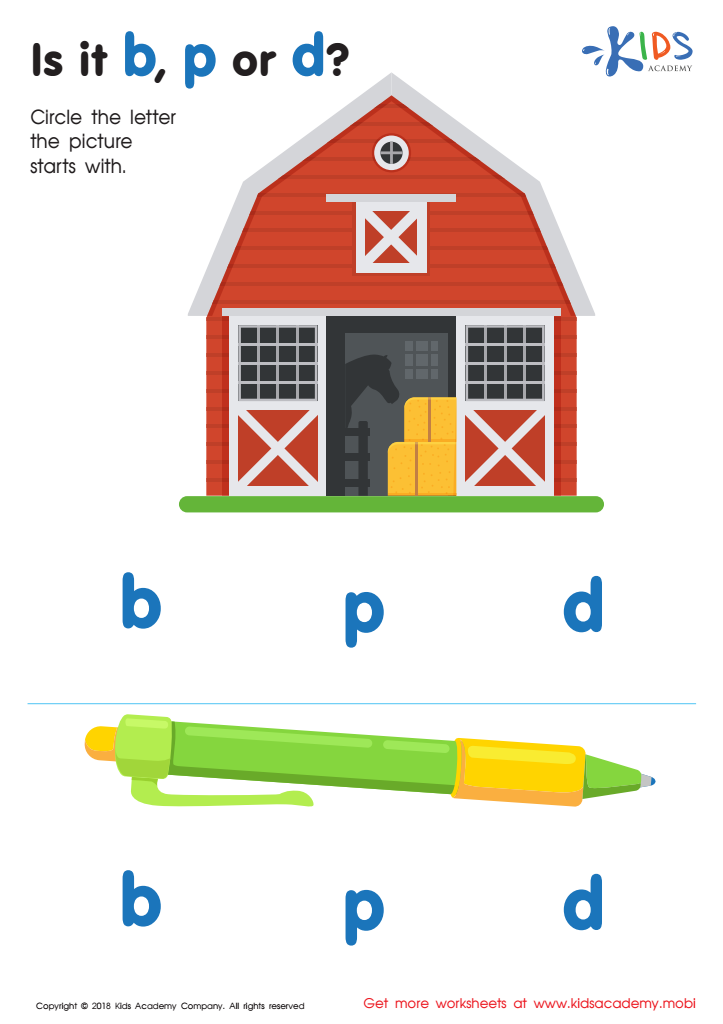
Is it b, p or d? Worksheet
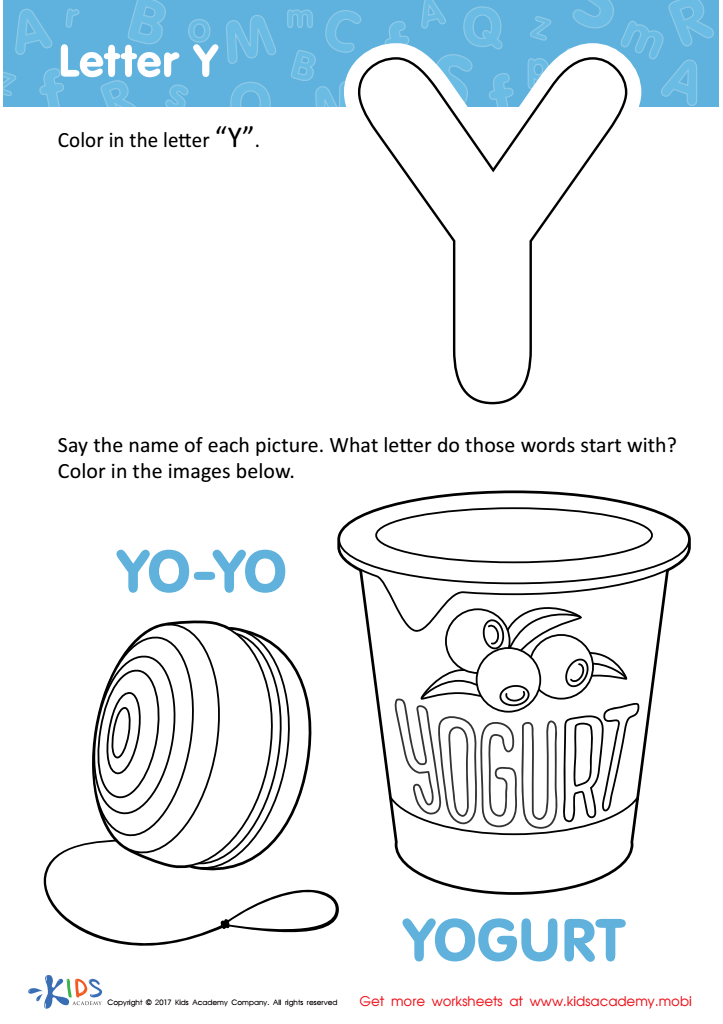
Letter Y Coloring Sheet
Assign to My Students
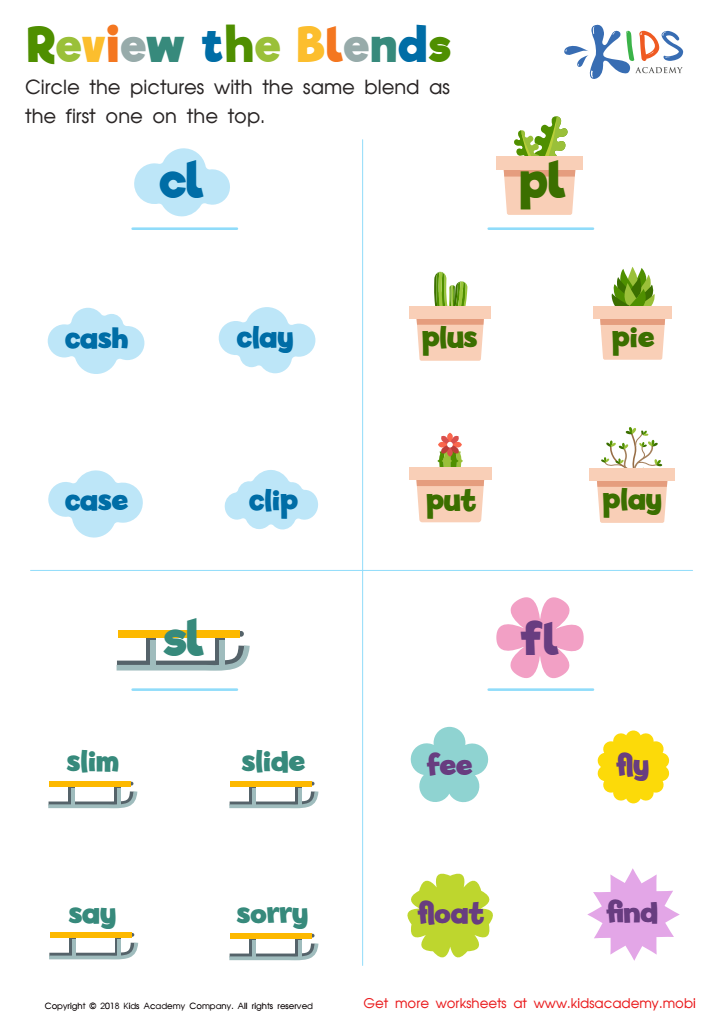
Review the Blends Worksheet








Phonics practice, particularly letter recognition, is essential for children aged 5-8 as it lays the foundation for successful reading and writing. During these formative years, children are developing critical literacy skills that directly influence their academic success and confidence. Understanding and recognizing letters is not just about memorization; it’s about building strong associations between sounds and shapes, which ultimately allows children to decode words.
For parents and teachers, emphasizing letter recognition is vital because it empowers children to become independent readers. Mastery of the alphabet equips students to engage with texts, enhancing their comprehension and vocabulary. Early reading skills foster a love for literature, encouraging curiosity and exploration of knowledge.
Additionally, children who struggle with letter recognition may experience difficulties in other academic areas, potentially leading to low self-esteem or frustration. By promoting phonics and letter practice, parents and teachers can support children’s overall cognitive development and emotional well-being. In fostering an environment rich in literacy opportunities, both at home and in the classroom, caregivers can encourage lifelong learners who are equipped to navigate their educational journeys with confidence and joy. Ultimately, prioritizing phonics practice cultivates a strong basis for future academic success.







