Spelling practice Letter Recognition Worksheets for Ages 5-8
4 filtered results
-
From - To
Boost your child's literacy skills with our Spelling Practice Letter Recognition Worksheets designed for ages 5-8! These engaging worksheets help young learners identify and familiarize themselves with letters while enhancing their spelling abilities. With vibrant illustrations and interactive activities, children will enjoy tracing letters, matching sounds to letters, and spelling simple words. Each exercise promotes confidence in reading and writing through fun, hands-on learning experiences. Ideal for homeschooling or classroom use, these resources aim to support early education and a love for letters. Unlock the key to literacy success and watch your child's skills flourish with our tailored worksheets!
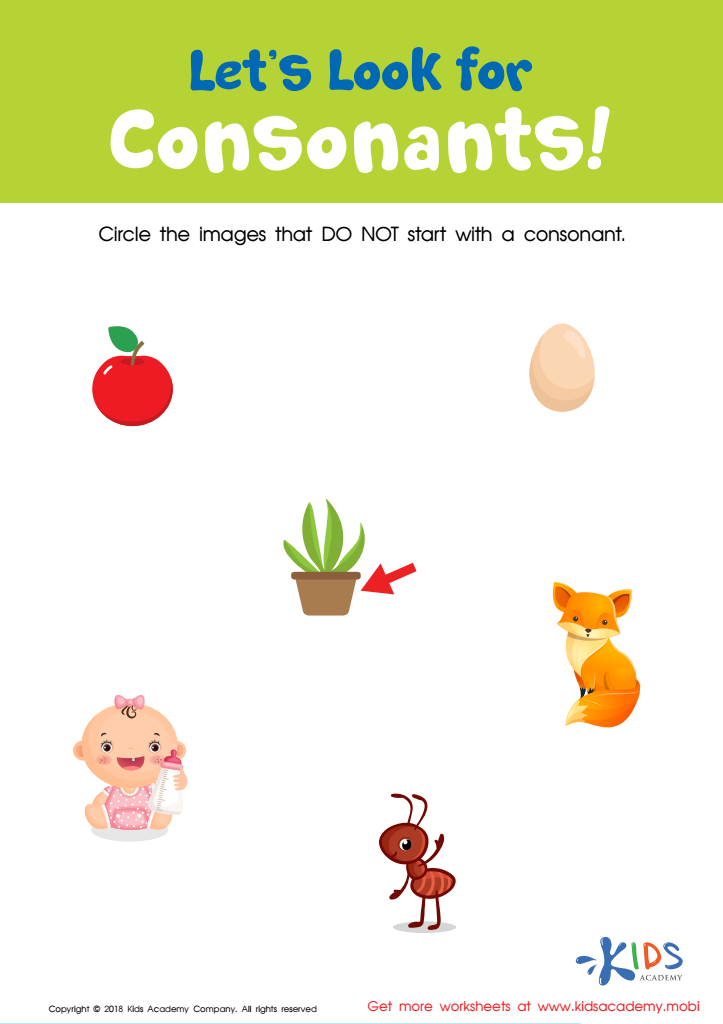
Let's Look for Consonants Worksheet
 Assign to My Students
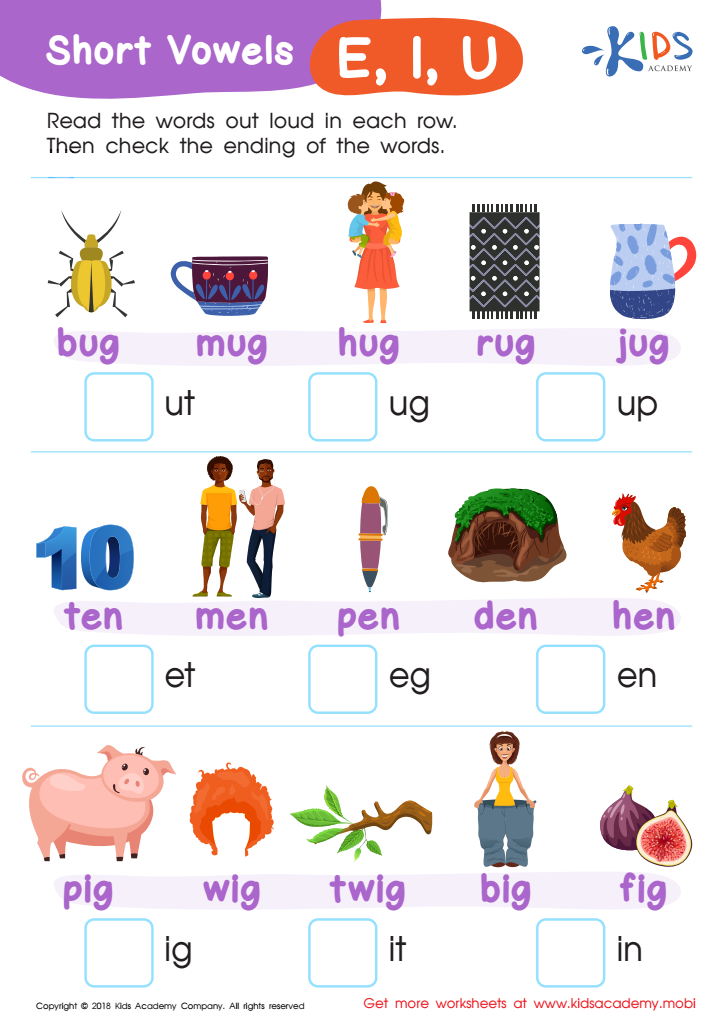
Short Vowels /e/, /i/, and /u/ Worksheet
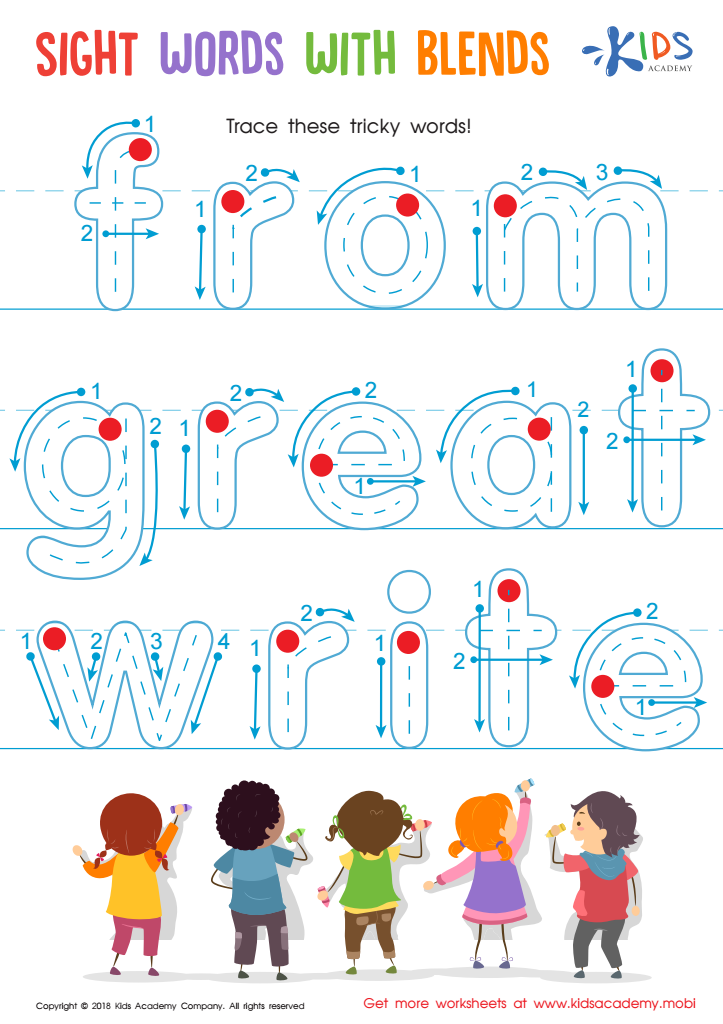
Sight Words with Blends Worksheet
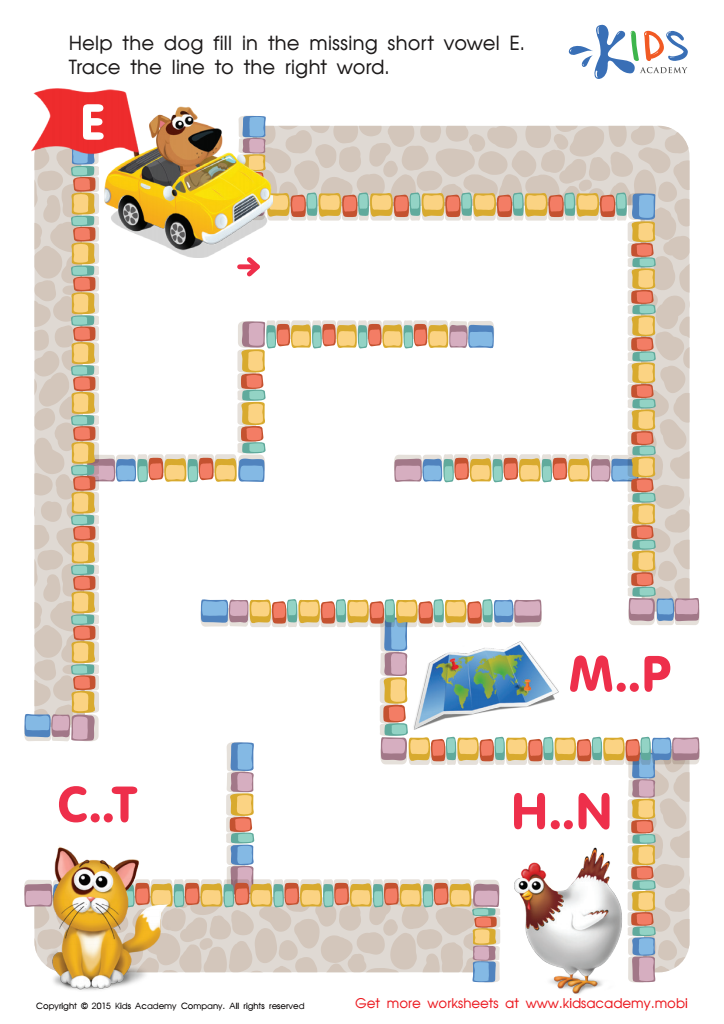
Short Vowel Sound E Worksheet








Spelling practice and letter recognition are crucial aspects of early literacy development for children aged 5-8. At this stage, children are forming the foundational skills necessary for reading and writing. Recognizing letters and understanding their sounds enables young learners to decode words, which is essential for reading fluency and comprehension.
When children regularly practice spelling and identify letters, they develop a concrete understanding of how letters combine to form words. This understanding supports their ability to spell correctly, enhancing their writing skills and boosting their communication abilities. Furthermore, strong spelling skills correlate with improved confidence in language arts, motivating children to engage more deeply with reading and writing activities.
Parents and teachers play a vital role in creating a supportive learning environment. Incorporating fun spelling games, interactive activities, and consistent practice at home or in class fosters a love for learning. Engaging children in these activities not only makes learning enjoyable but also strengthens their cognitive skills, such as memory and critical thinking.
In sum, prioritizing spelling practice and letter recognition helps lay the groundwork for future academic success, fostering enthusiastic learners equipped with essential literacy skills for life.







