Visual discrimination Letter Recognition Worksheets for Ages 5-8
5 filtered results
-
From - To
Enhance your child's literacy skills with our engaging Visual Discrimination Letter Recognition Worksheets for ages 5-8! Designed to help young learners identify letters with ease, these worksheets promote visual discrimination—the ability to distinguish between similar letters and symbols. Our vibrant and interactive activities ensure that children not only develop essential pre-reading skills but also enjoy the learning process. Perfect for use in classrooms or at home, these worksheets cater to various learning styles and are ideal for both independent and guided practice. Empower your child’s educational journey and reinforce their letter recognition with our thoughtfully crafted resources today!
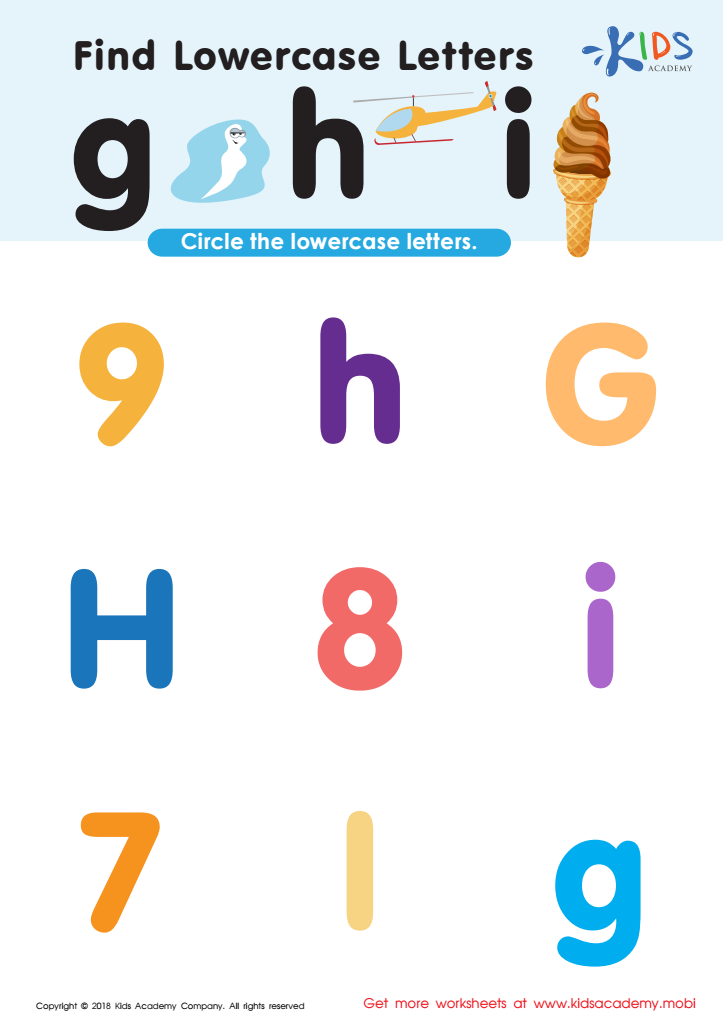
Find Lowercase Letters g h i Worksheet
 Assign to My Students
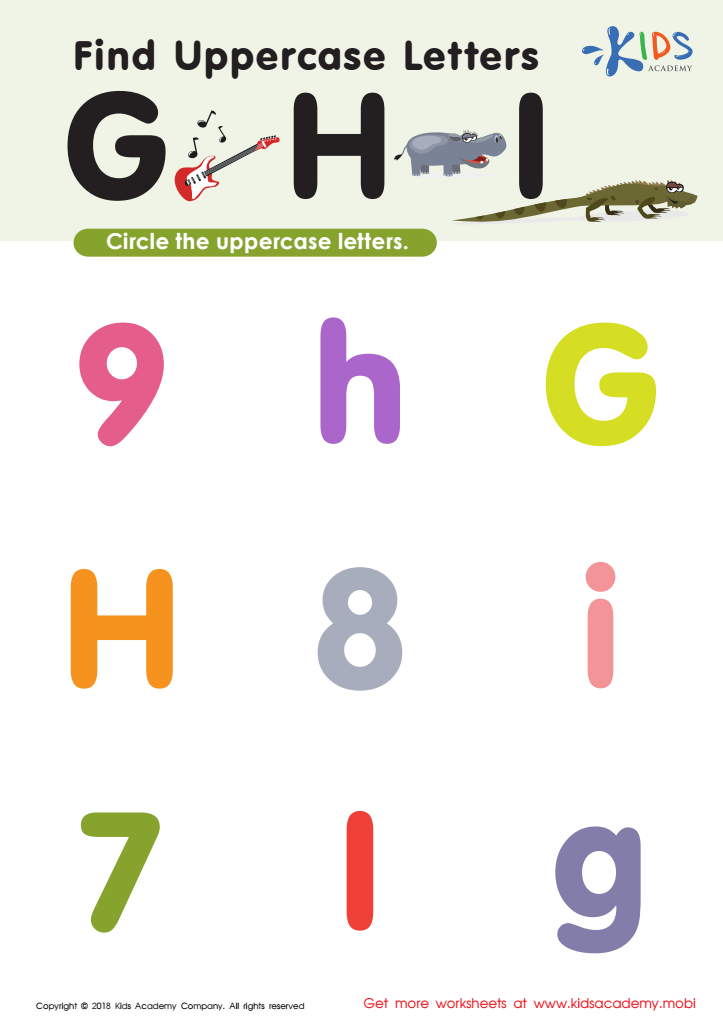
Find Uppercase Letters G, H, and I Worksheet
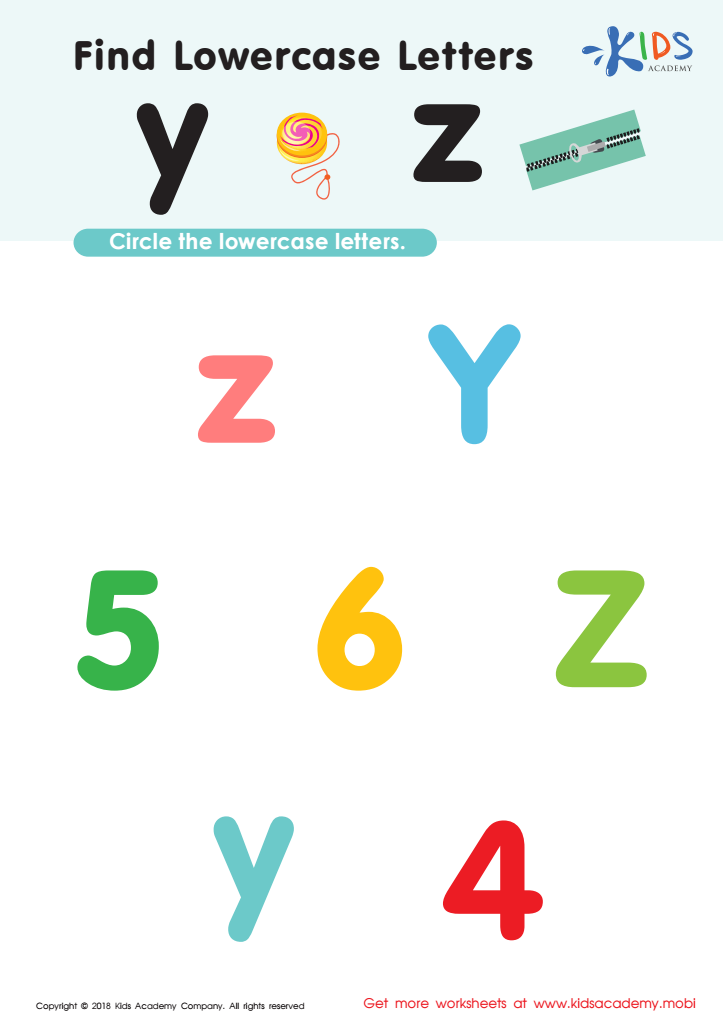
Find Lowercase Letters y z Worksheet
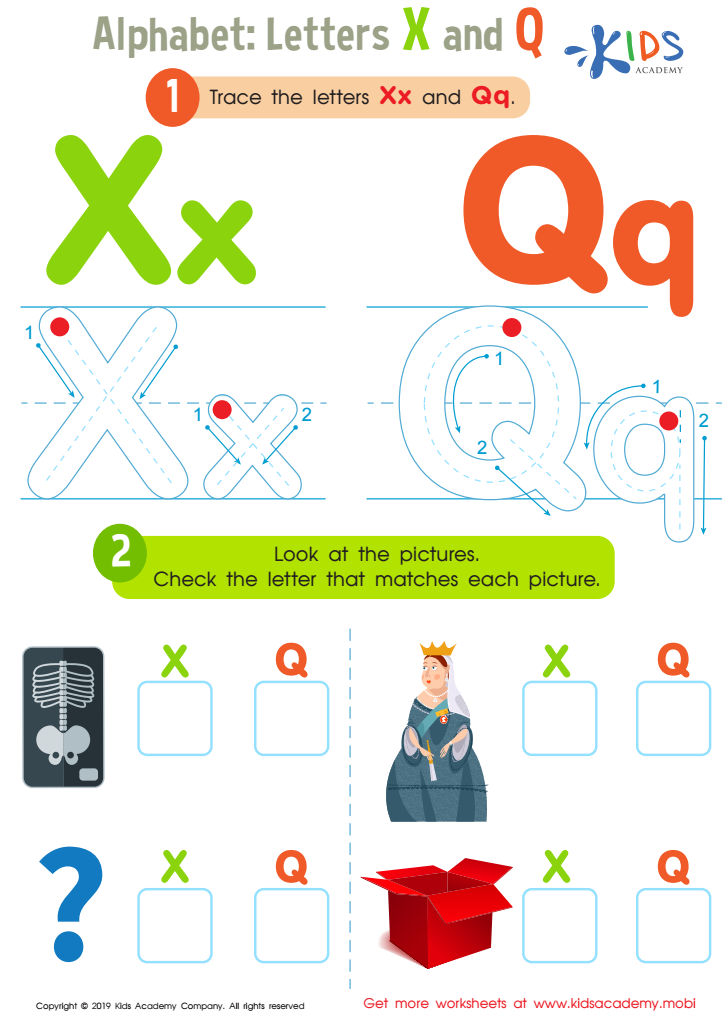
Letters X and Q Tracing Worksheet
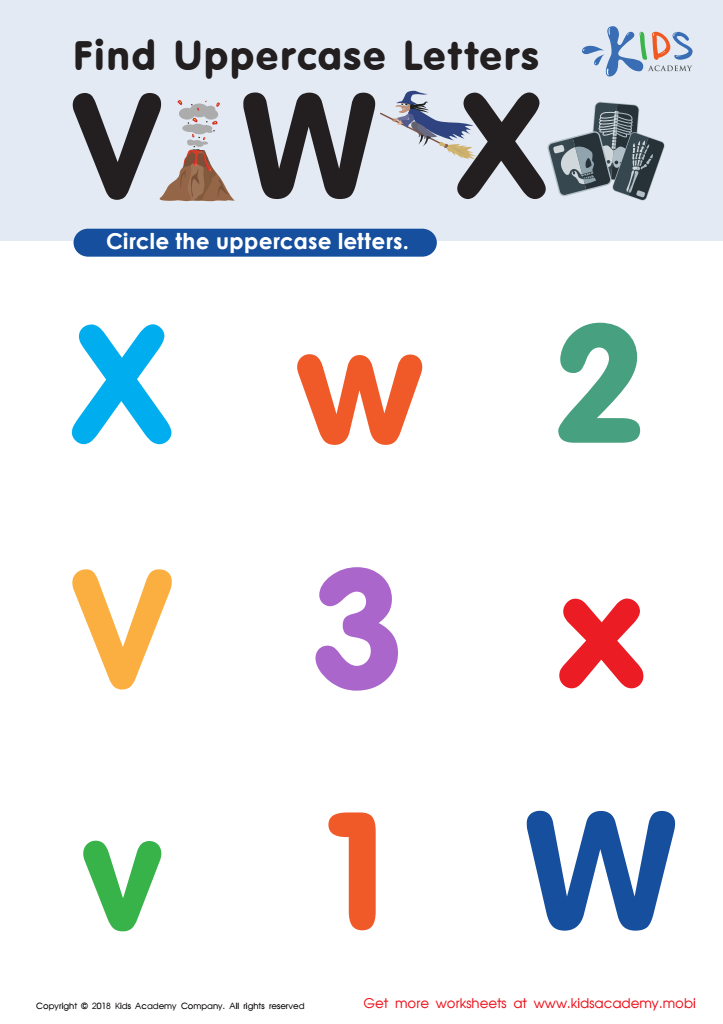
Find Uppercase Letters V, W, X Worksheet








Visual discrimination letter recognition is crucial for children aged 5-8 as it lays the foundation for reading and literacy. At this developmental stage, children are increasingly exposed to letters and words, making it essential for them to recognize and differentiate between various letters quickly and accurately. Strong visual discrimination skills help children identify letters with similar shapes (like "b" and "d") and distinguish between uppercase and lowercase forms.
Parents and teachers should care about this skill as it directly impacts a child's reading Fluency, comprehension, and writing abilities. Early proficiency in letter recognition allows children to decode words, leading to improved reading skills. Furthermore, when children can easily identify letters, they gain confidence, which fosters a positive attitude towards learning.
Encouraging visual discrimination through engaging activities, such as letter games and flashcards, can make learning enjoyable while reinforcing these essential skills. Developing visual discrimination not only aids literacy but also cultivates critical thinking and observation skills important for overall academic success. Additionally, supporting these abilities ensures that children are better prepared for more complex literacy tasks as they progress in their education, making it a vital focus for both parents and educators.







