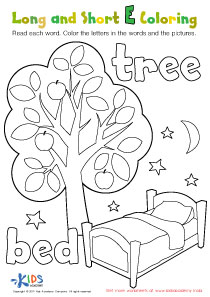
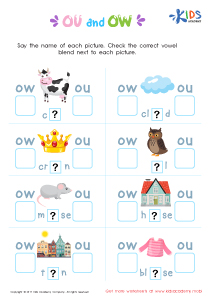
Spelling practice Long And Short Vowel Worksheets for Ages 5-8
5 filtered results
-
From - To
Boost your child's spelling skills with our engaging Long and Short Vowel Worksheets designed for ages 5-8! These worksheets are perfect for young learners as they explore the fascinating world of vowels. Through fun, interactive activities, kids will differentiate between long and short vowel sounds, improving their pronunciation and reading confidence. Our worksheets are thoughtfully crafted to reinforce foundational spelling skills needed for academic success. Ideal for both teachers and parents, these printable resources make learning a joyful and productive experience. Dive into our collection today and see the difference in your child's language proficiency!
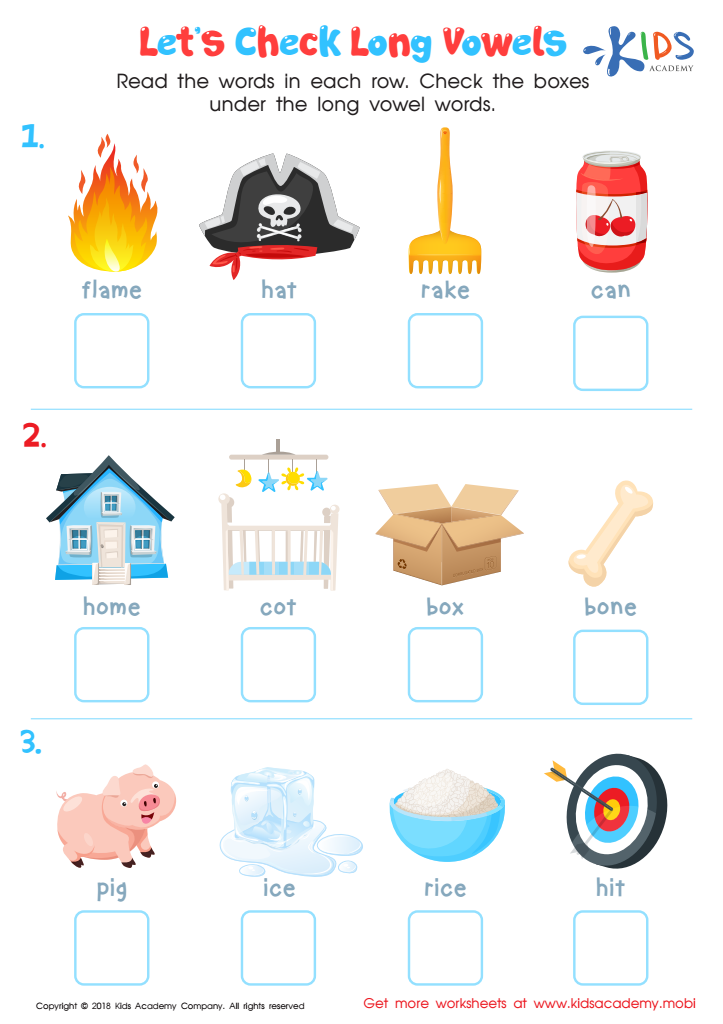
Let's Check Long Vowels: Assessment Worksheet
 Assign to My Students
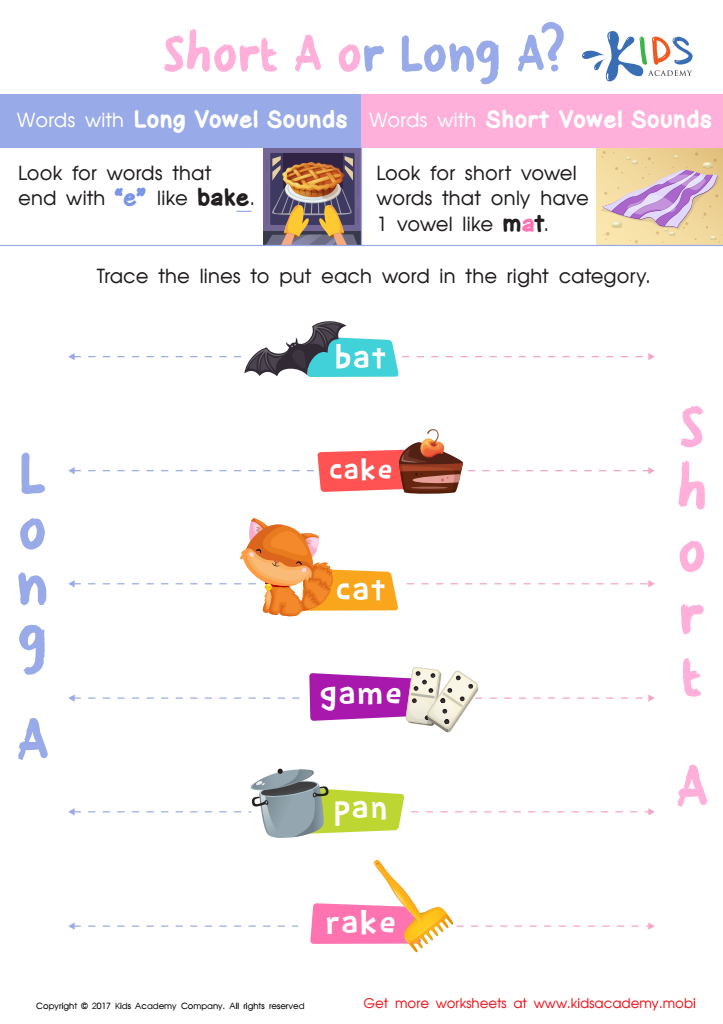
Short /a/ or Long /a/? Worksheet
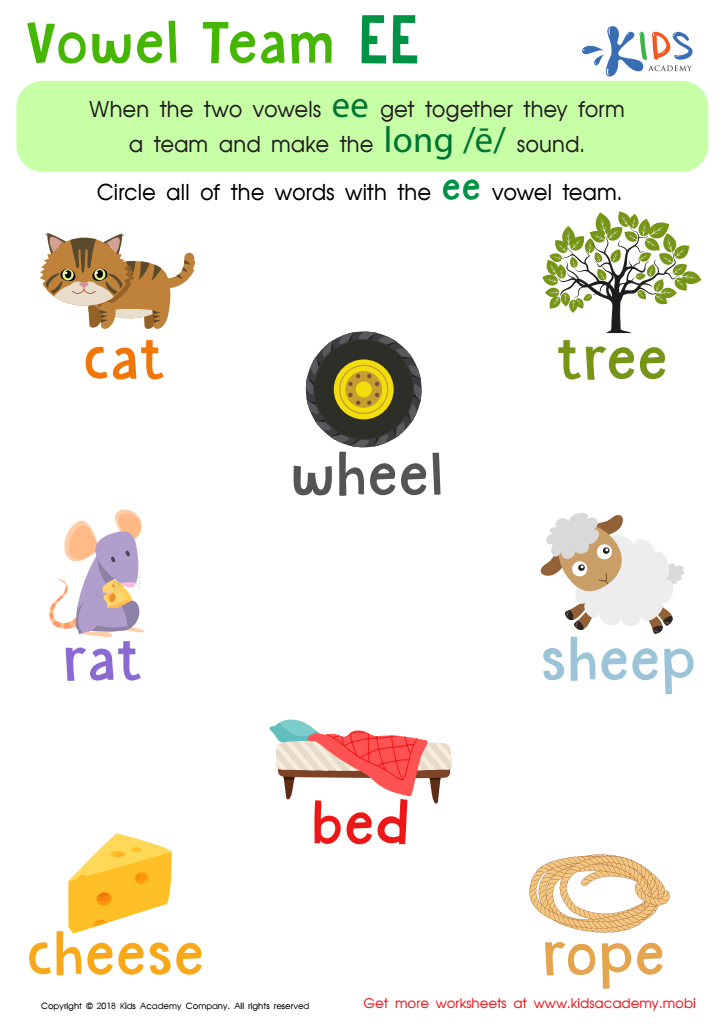
Reading: Vowel Team EE Worksheet
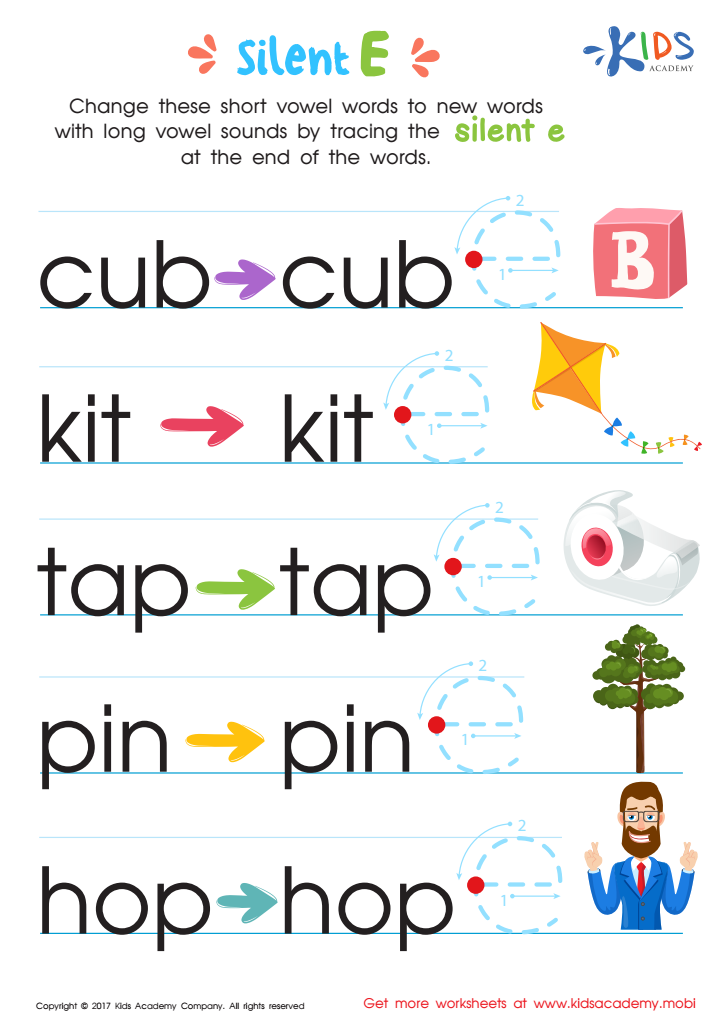
Silent E Words Worksheet
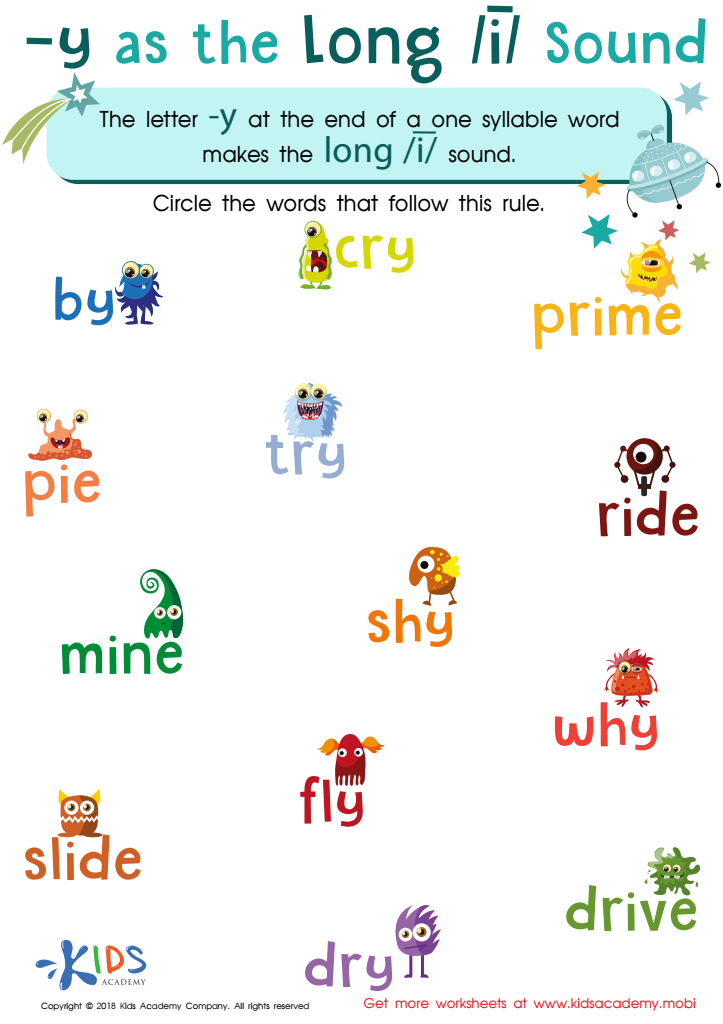
Reading: Y as Long I Worksheet




Parents and teachers should care about spelling practice, particularly focusing on long and short vowels, for children aged 5-8 because mastering these skills is foundational for literacy development. At this early age, children's brains are highly receptive to language acquisition. Understanding the differences between long and short vowel sounds helps improve both reading and writing abilities.
When children learn to distinguish vowel sounds, they become more adept at decoding words, which enhances their reading fluency. Accurate spelling practice reinforces this skill, allowing children to recognize patterns in words, thus boosting their phonemic awareness. Phonemic awareness is crucial for reading comprehension, as it enables children to sound out words correctly and understand what they read.
Additionally, correct spelling helps children to effectively communicate their ideas in writing. As they practice, they become more confident in their abilities to express themselves, which positively impacts their overall academic performance.
Neglecting these skills can lead to difficulties in reading and writing later on, potentially hindering a child’s academic trajectory. Therefore, consistent and supportive spelling practice that includes both long and short vowels equips children with the essential tools they need for lifelong literacy success.