Alphabet sequencing Upper & Lowercase Letters Worksheets for Ages 5-8
4 filtered results
-
From - To
Discover our engaging Alphabet Sequencing Upper & Lowercase Letters Worksheets, specially designed for children ages 5-8. These printable worksheets are perfect for helping your young learners master the sequence of the alphabet while differentiating between uppercase and lowercase letters. Boost early literacy skills, enhance letter recognition, and improve handwriting with fun activities that keep kids motivated. With colorful graphics and intuitive exercises, our worksheets offer an enjoyable learning experience that aligns with educational standards. Ideal for classroom use or at-home practice, these resources support foundational reading and writing skills essential for early elementary students.
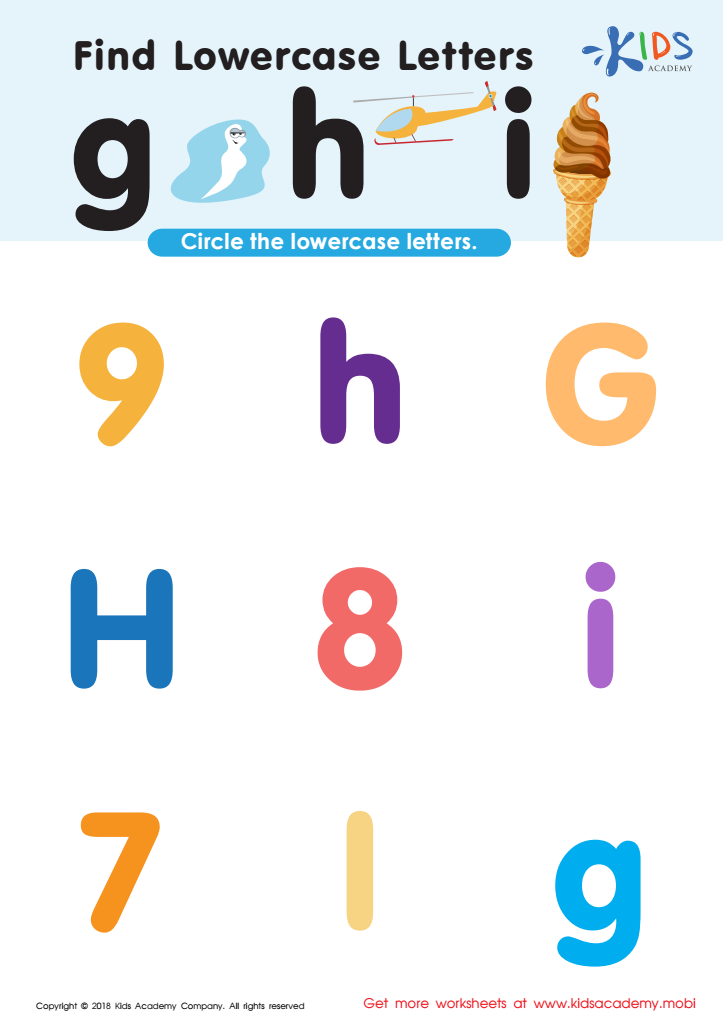
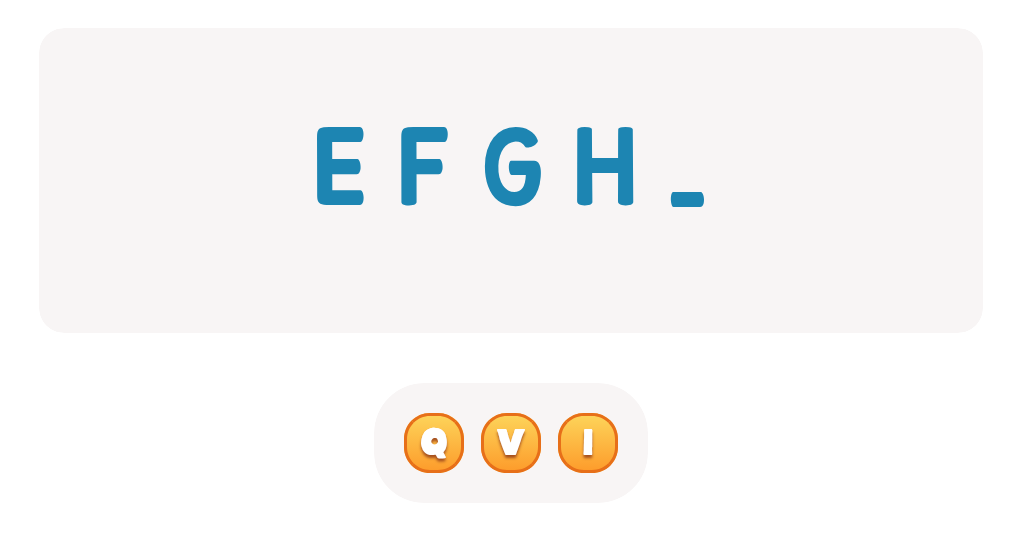
Find Lowercase Letters g h i Worksheet
 Assign to My Students
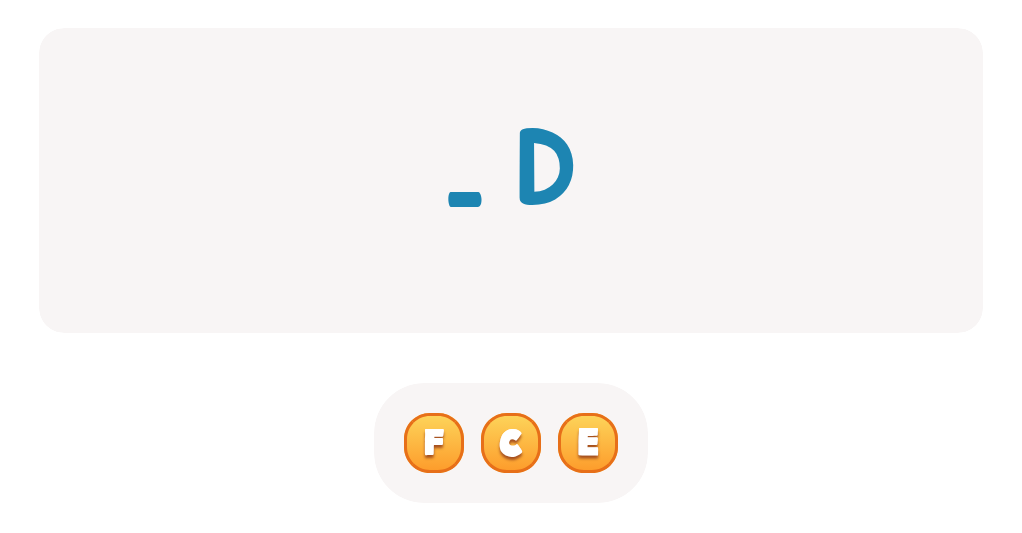

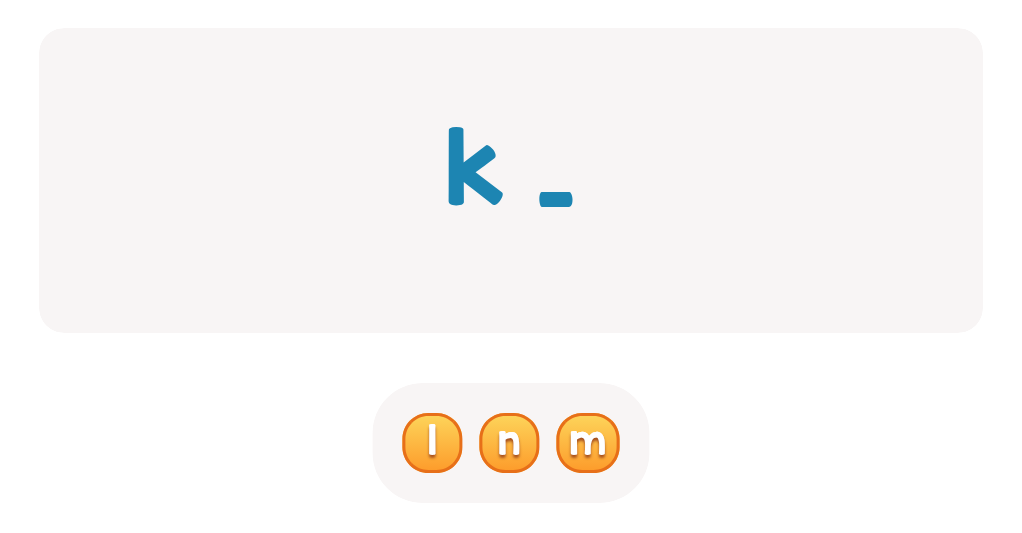
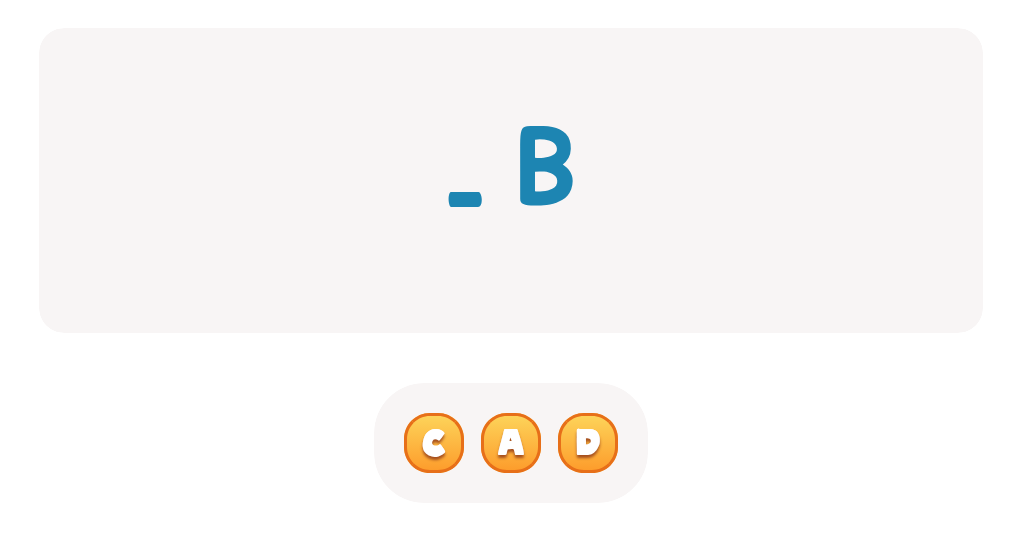
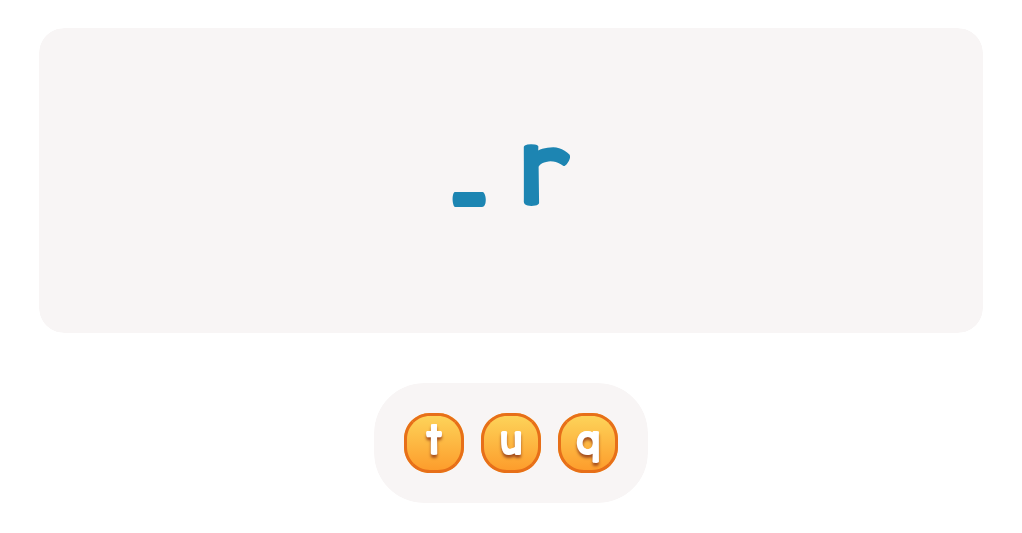
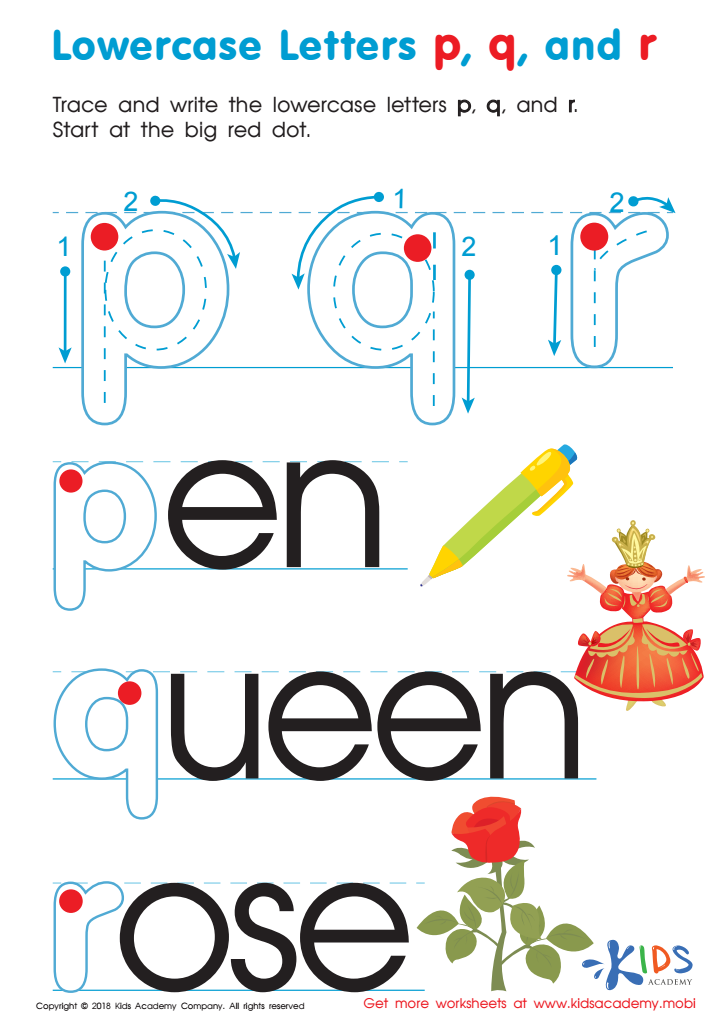
Lowercase Letters p q r Worksheet
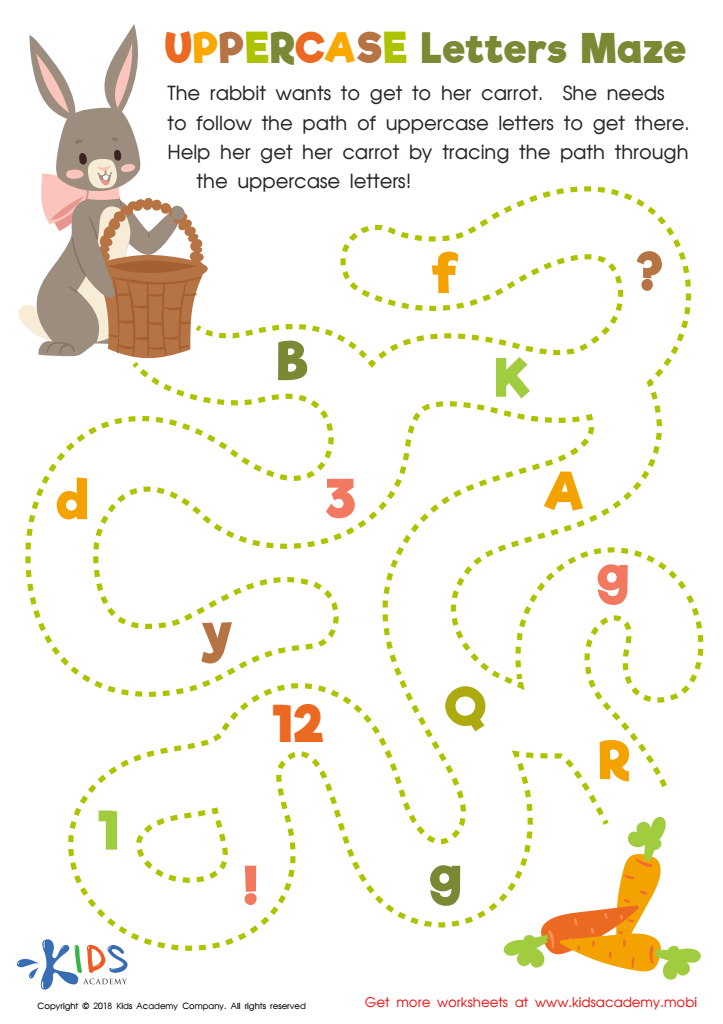
Uppercase Letters Maze Worksheet
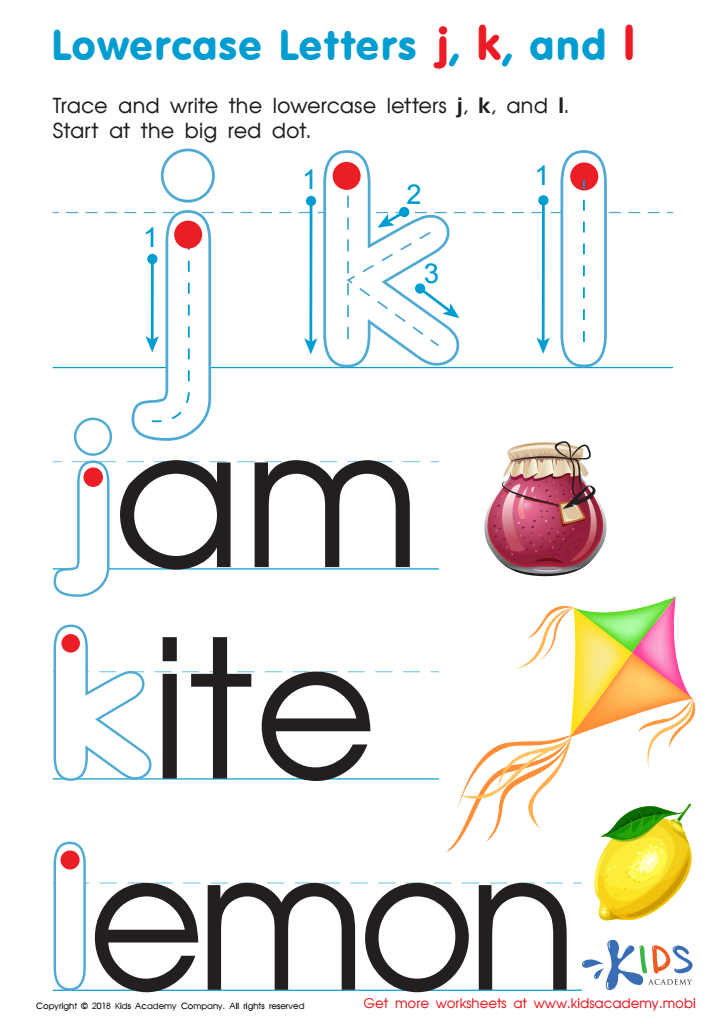
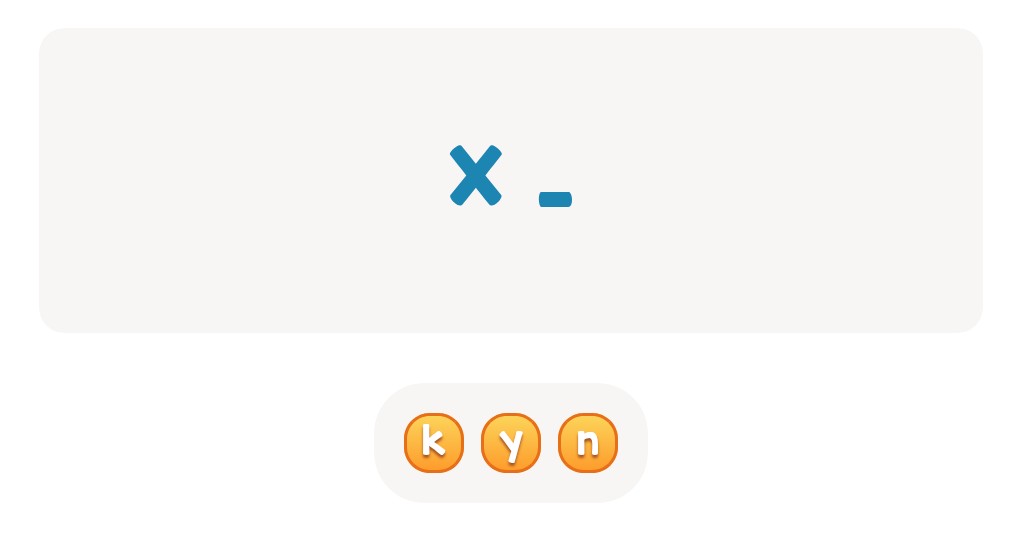
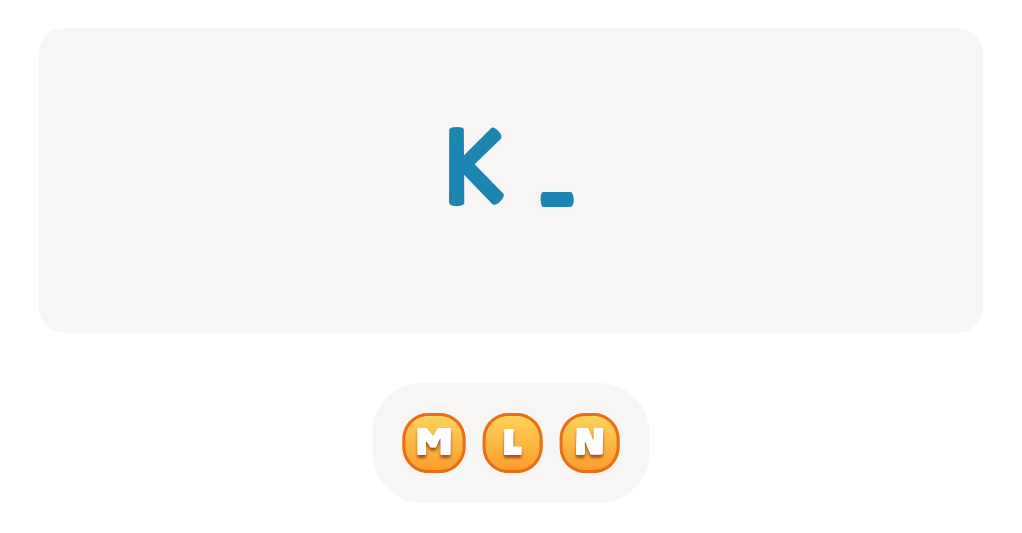
Lowercase Letters j k l Worksheet






Alphabet sequencing and recognizing both uppercase and lowercase letters is foundational for early literacy, crucial for children aged 5-8. During these formative years, establishing a strong grasp of the alphabet sets the stage for reading and writing proficiency, critical skills for academic success.
For parents and teachers, ensuring children master alphabet sequencing means fostering their understanding of the alphabetical order, which aids in dictionary skills, alphabetical filing, and other organizational tasks essential for academic development. Recognizing and differentiating between uppercase and lowercase letters is equally important as it directly impacts their reading abilities. Many children's literature and learning materials use both upper and lowercase letters interchangeably. Without this awareness, children might struggle with text recognition, hampering their reading fluency and comprehension.
Moreover, engaging with letters in both forms helps in developing fine motor skills, as writing different letter shapes necessitates control and precision. By caring about alphabet sequencing and recognizing both letter forms, parents and teachers lay down the groundwork for a child’s ability to spell correctly, enhance vocabulary, and step confidently into more complex literacy activities. This focused approach builds a robust educational foundation and instills a lifelong love for learning and reading.
Encouraging children through playful and interactive methods—like alphabet games, tracing, and storytelling—can make this critical learning phase enjoyable and effective.







