Letter-sound association Upper & Lowercase Letters Worksheets for Ages 5-8
3 filtered results
-
From - To
Boost your child's literacy skills with our Letter-Sound Association Upper & Lowercase Letters Worksheets, perfect for ages 5-8. These engaging, printable worksheets from Kids Academy help young learners master the crucial connection between letters and their sounds. Each activity invites children to match upper and lowercase letters, promoting phonemic awareness and reinforcing foundational reading skills. By incorporating interactive exercises, these worksheets make learning enjoyable and effective, laying a strong groundwork for future success in reading and writing. Watch your child's confidence soar as they explore the captivating world of letters and sounds!
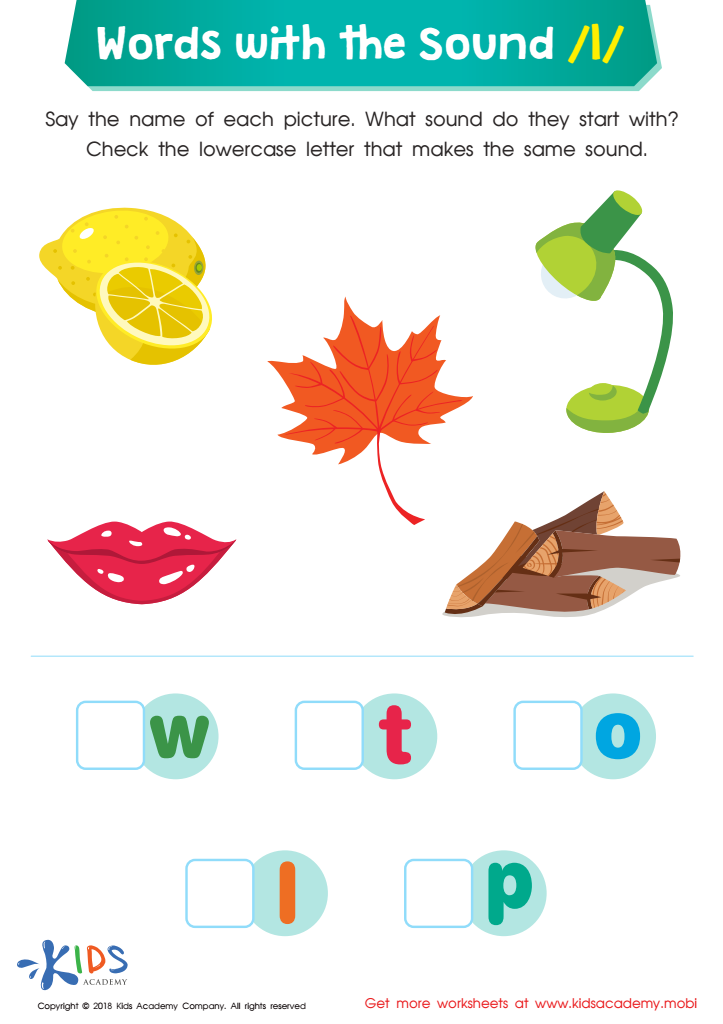
Words with Sound L Reading Worksheet
 Assign to My Students

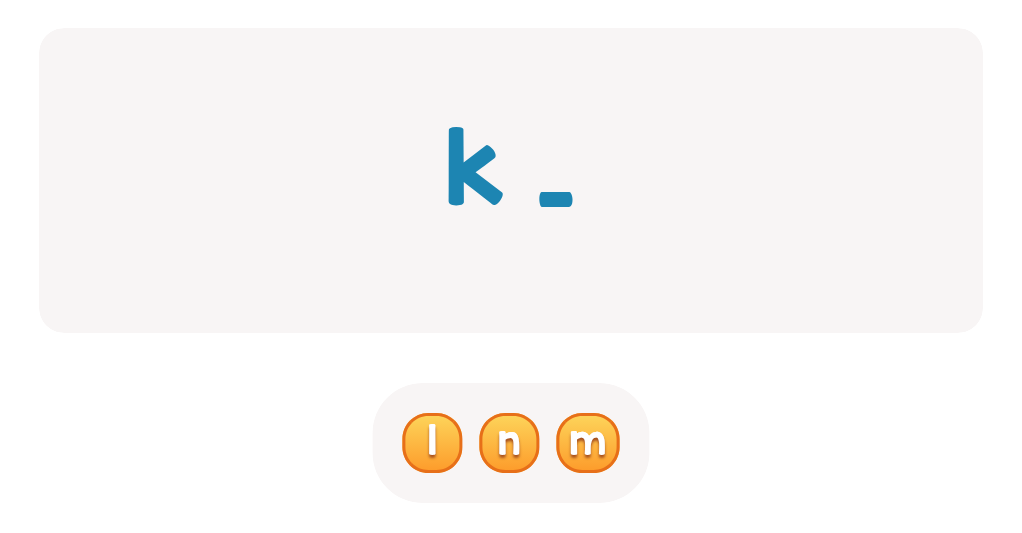
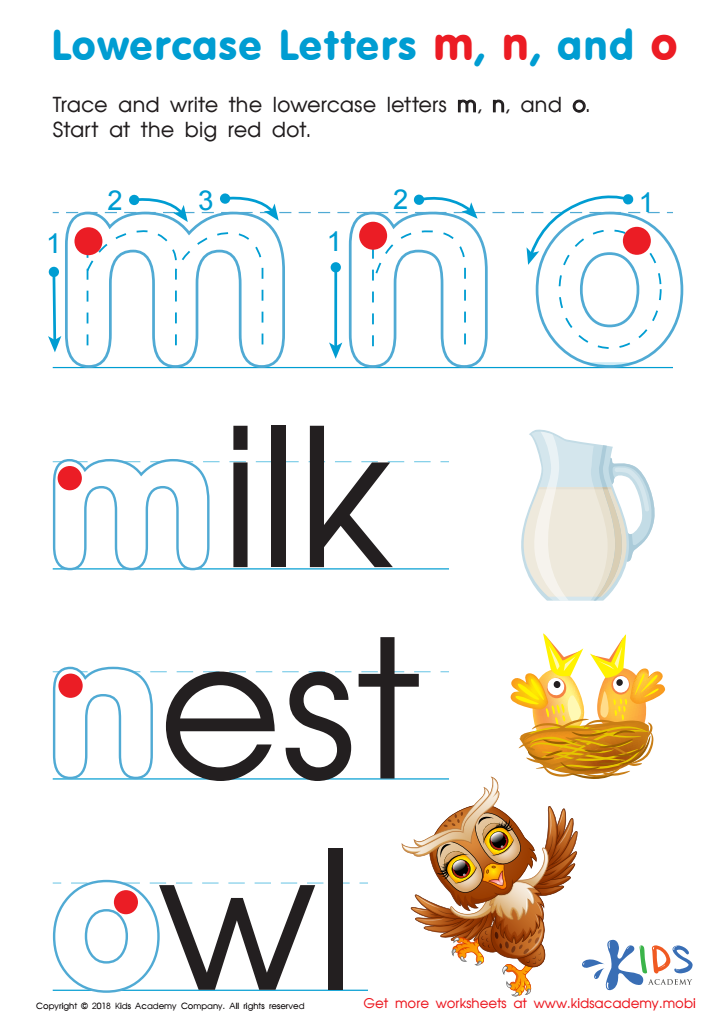
Lowercase Letters m n o Worksheet
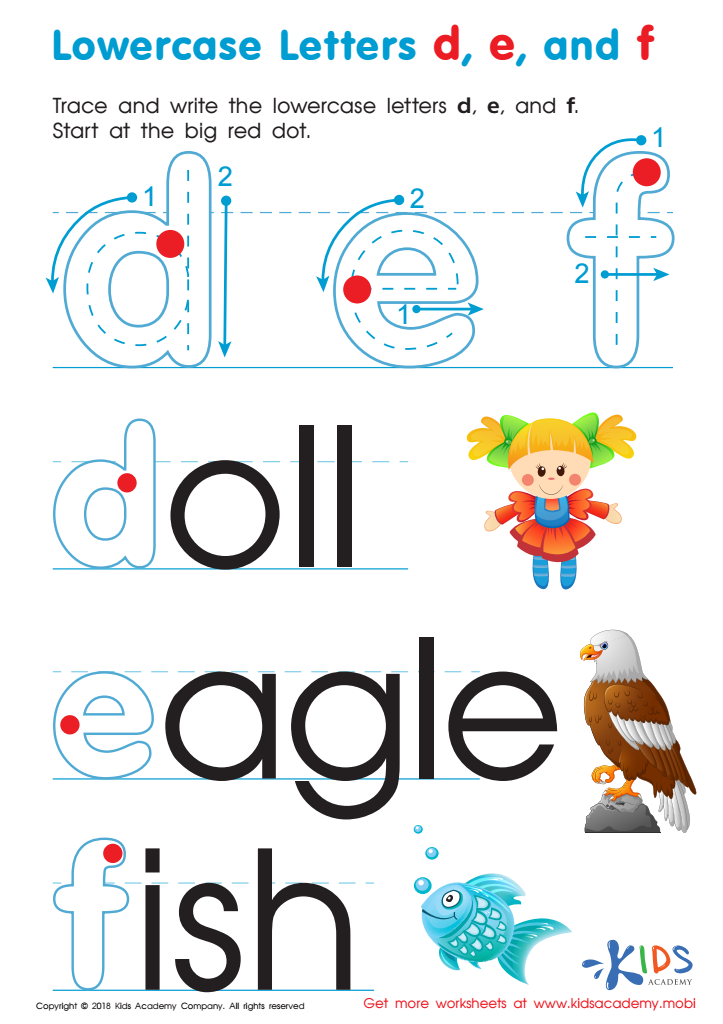
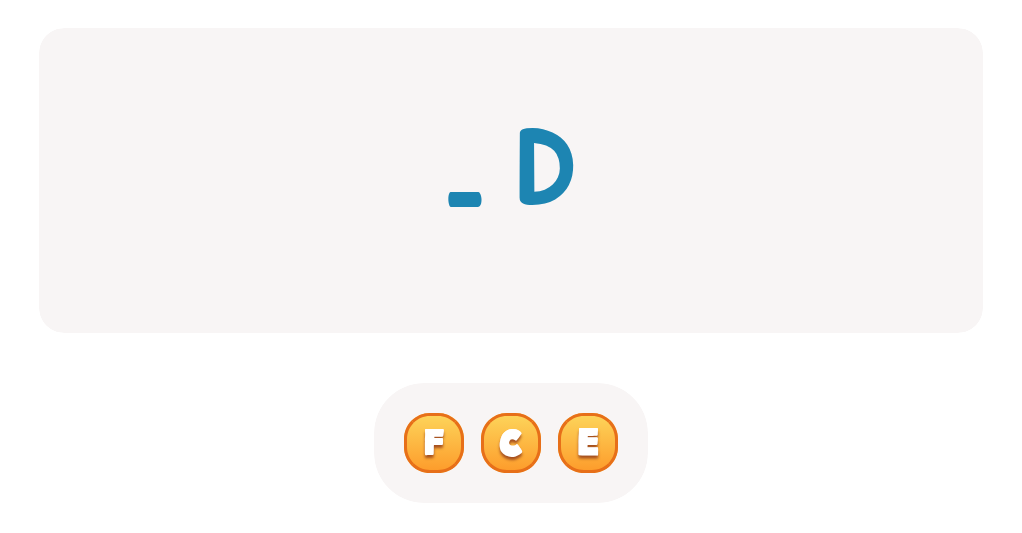
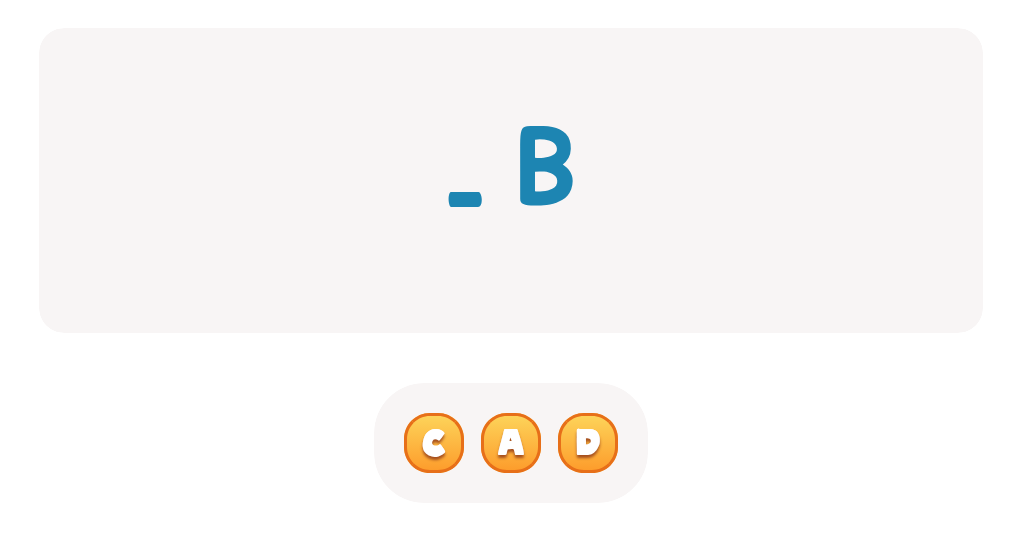
Lowercase Letters d e f Worksheet






Letter-sound association and recognition of both uppercase and lowercase letters are fundamental skills for early literacy. For children aged 5-8, mastering these basics is crucial for several reasons.
First, letter-sound association, often referred to as phonics, enables children to "decode" words when reading. This means they can connect letters with the sounds they make, allowing them to sound out words and gradually read with fluency. Without this skill, even familiar words would need to be memorized individually, creating significant obstacles to reading comprehension.
Recognizing uppercase and lowercase letters equally is essential because both are used interchangeably in reading and writing. Stories, instructions, signs, and educational materials utilize both forms, so familiarity with only one can hinder a child’s ability to read accurately and fluidly.
Furthermore, strong literacy skills are foundational for future academic success across all subjects. Children who struggle with reading often face difficulties in science, math, and social studies because reading is integral to learning.
From a cognitive and developmental perspective, engaging with letters and sounds encourages fine motor skills, memory, and cognitive flexibility. It builds confidence and a positive attitude towards learning.
Therefore, both parents and teachers should devote attention to these skills, employing fun and engaging methods to foster a love of reading and set the stage for lifelong learning.







