Lowercase letter writing Upper & Lowercase Letters Worksheets for Ages 5-8
3 filtered results
-
From - To
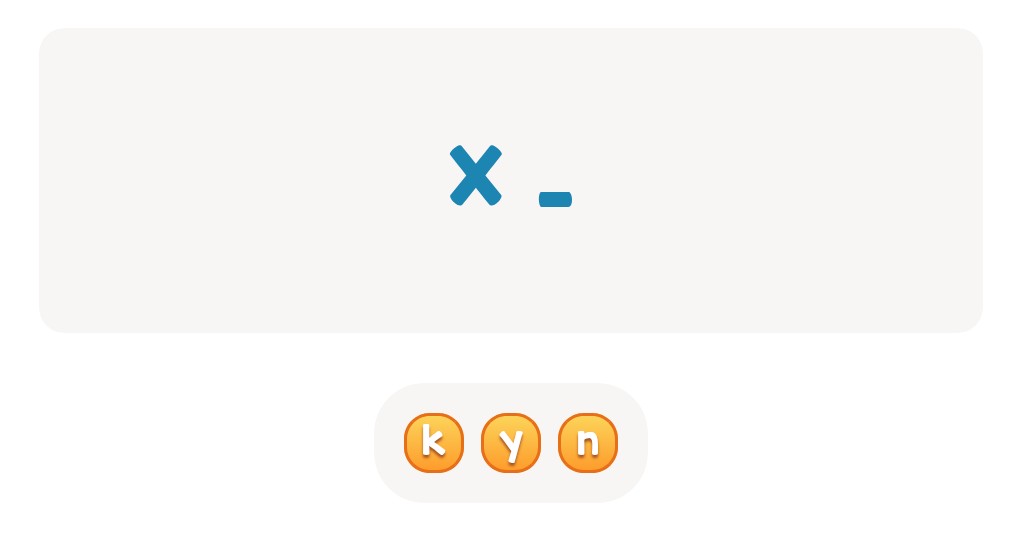
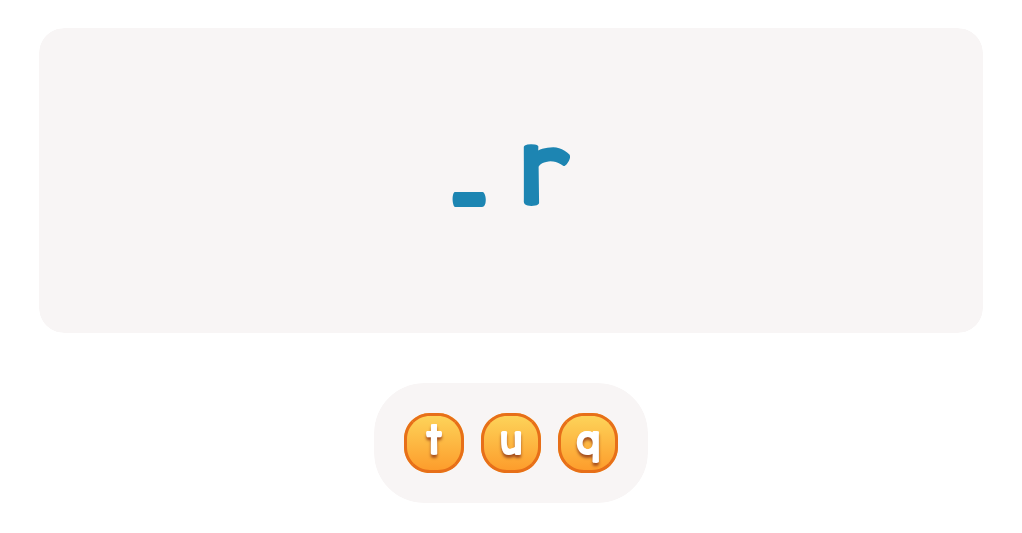
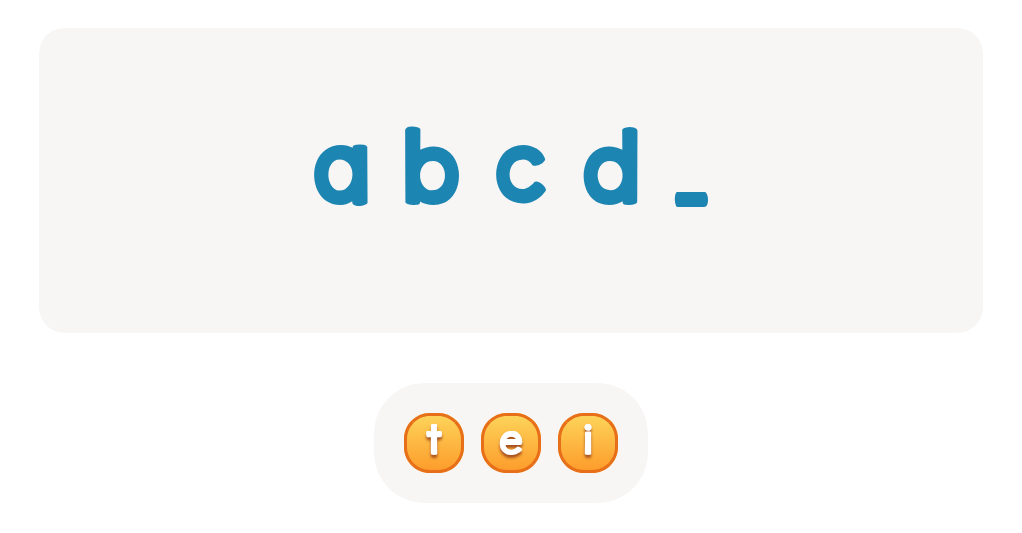
Unlock the world of writing with our engaging Upper & Lowercase Letters Worksheets designed for children aged 5-8! Perfect for early learners, these worksheets focus on lowercase letter writing, enhancing fine motor skills and reinforcing letter recognition. Each worksheet offers a fun and interactive way to practice writing through tracing, coloring, and various activities that keep kids motivated. Watch their confidence grow as they master both uppercase and lowercase letters! These resources are ideal for home or classroom use, making learning to write enjoyable and effective. Help your child develop essential writing skills with our thoughtfully curated activities today!
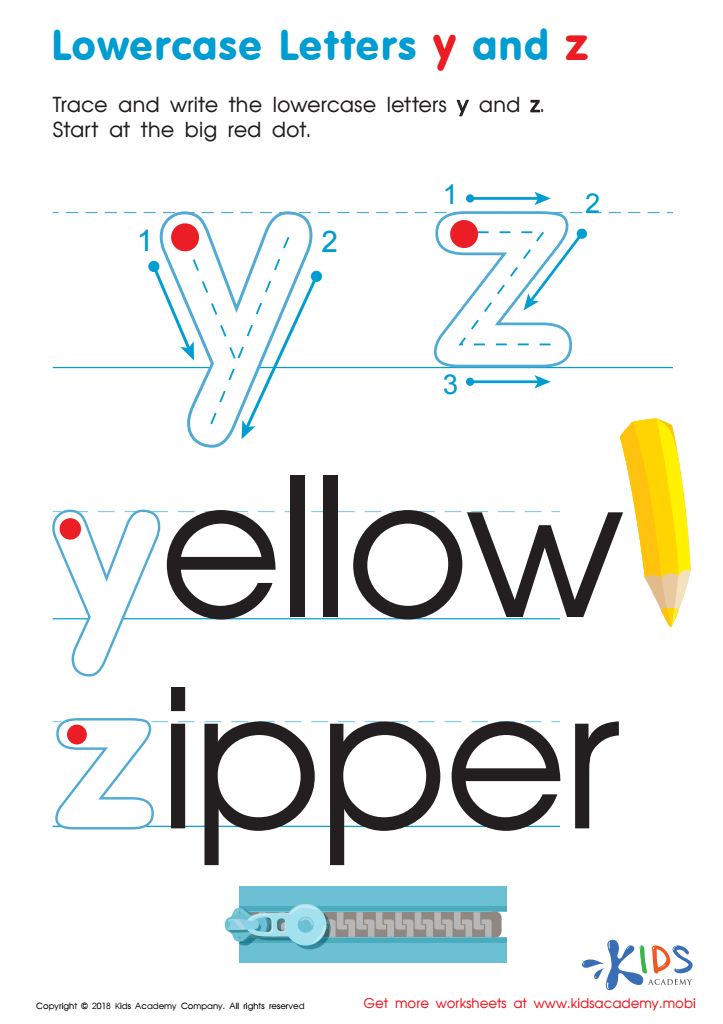
Lowercase Letters y z Worksheet
 Assign to My Students

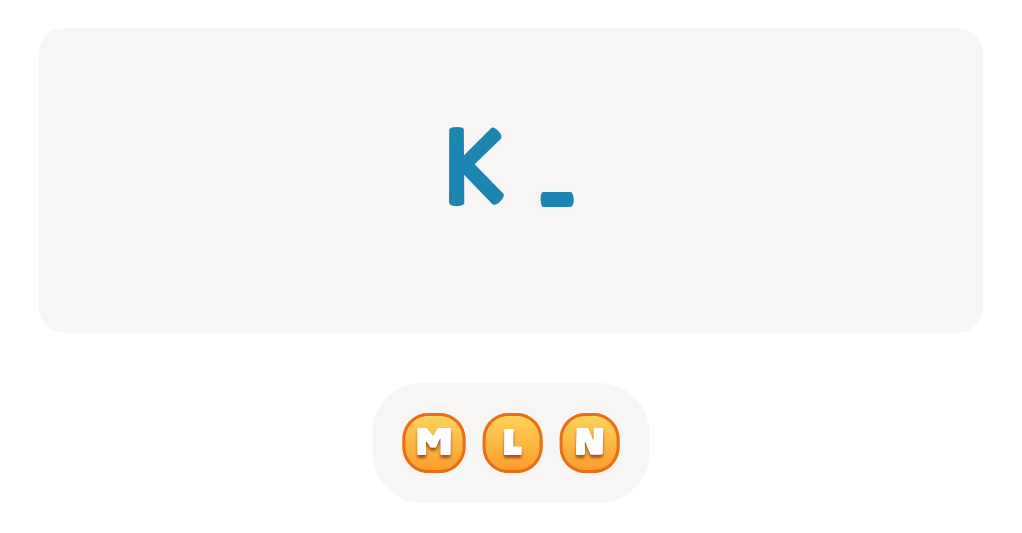

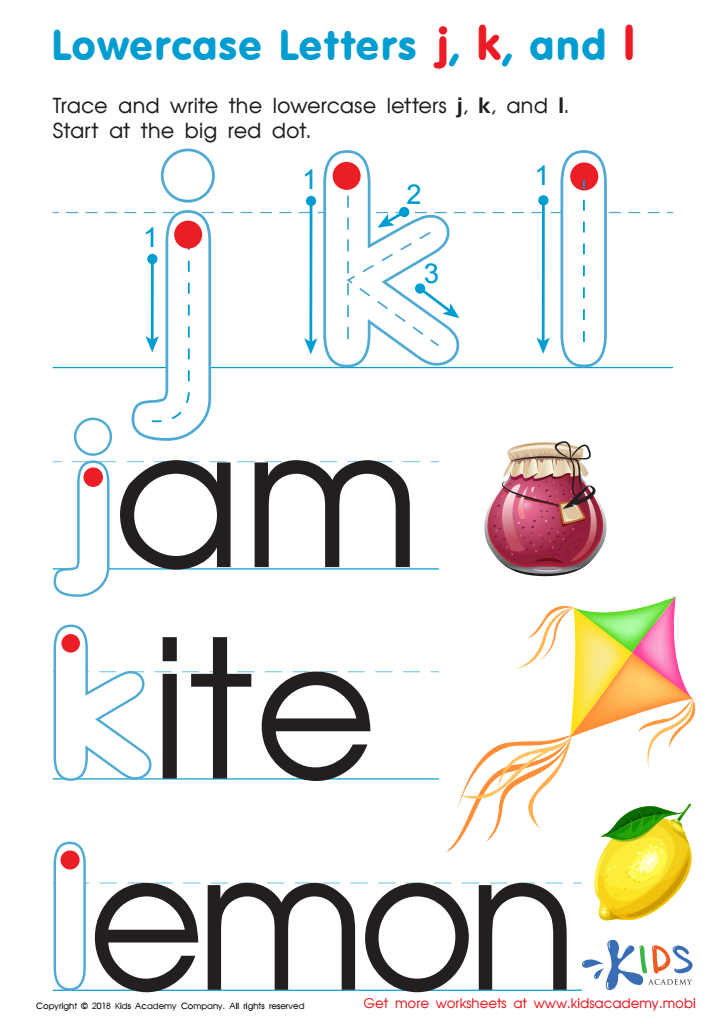
Lowercase Letters j k l Worksheet
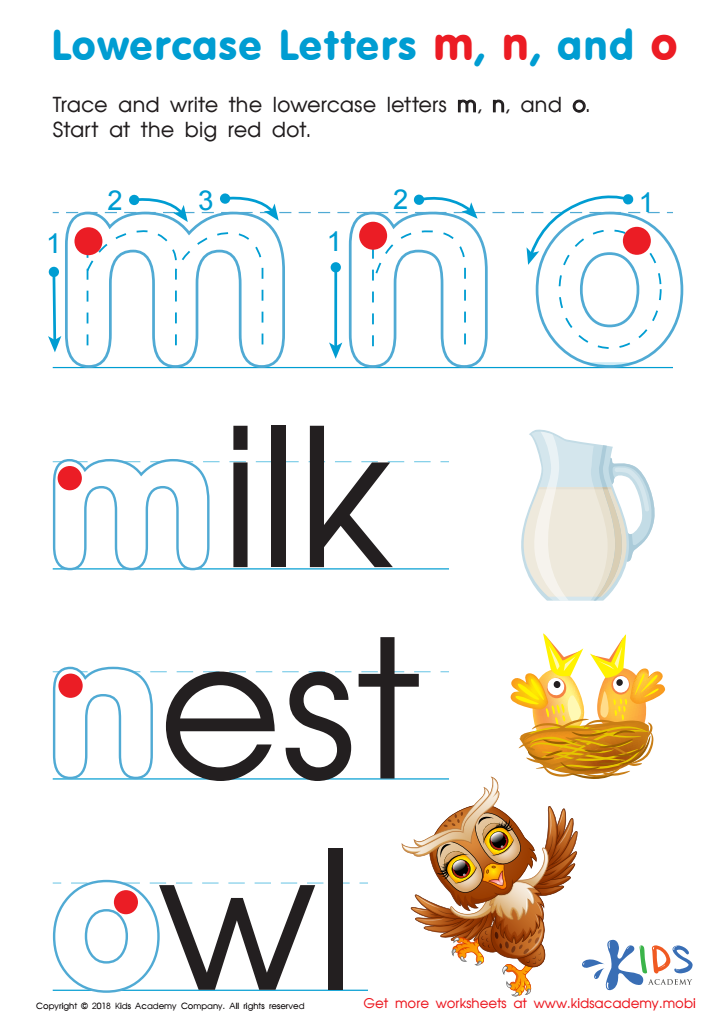
Lowercase Letters m n o Worksheet






Parents and teachers must prioritize lowercase letter writing for children aged 5-8 because it plays a crucial role in literacy development, communication skills, and overall academic success. During this formative stage, children learn to differentiate between uppercase and lowercase letters, which is essential for reading comprehension and effective writing. Understanding lowercase letters is vital since they constitute a significant portion of the text in books, educational materials, and daily communication.
Mastering lowercase letter writing helps develop fine motor skills and hand-eye coordination, as children practice grip, control, and precision while holding a pencil or crayon. This foundational skill enables them to express thoughts, feelings, and ideas more clearly, fostering a love for writing from an early age.
Moreover, recognizing the importance of lowercase letters aids in teaching proper grammar and punctuation. Children who grasp the distinctions between uppercase and lowercase letters enhance their reading fluency, allowing them to engage with texts more confidently and meaningfully. By supporting practices focused on both uppercase and lowercase letter writing, parents and teachers lay the groundwork for effective communication and a successful educational journey. Cultivating these skills will not only impact literacy but also build the self-esteem and confidence necessary for lifelong learning.







