Uppercase identification Upper & Lowercase Letters Worksheets for Ages 5-8
5 filtered results
-
From - To
Welcome to our Uppercase Identification Worksheets designed for children ages 5-8! Perfect for early learners, these engaging worksheets help kids differentiate between uppercase and lowercase letters, enhancing their alphabet recognition skills. Featuring vibrant illustrations and fun activities, students will enjoy identifying and tracing uppercase letters through various exercises. As they practice, they'll build a strong foundation for reading and writing. Our worksheets are easily printable, making them perfect for school or home use. Encourage your child’s literacy development and boost their confidence with our Uppercase Identification Worksheets today! Explore the joy of learning letters in an exciting way!
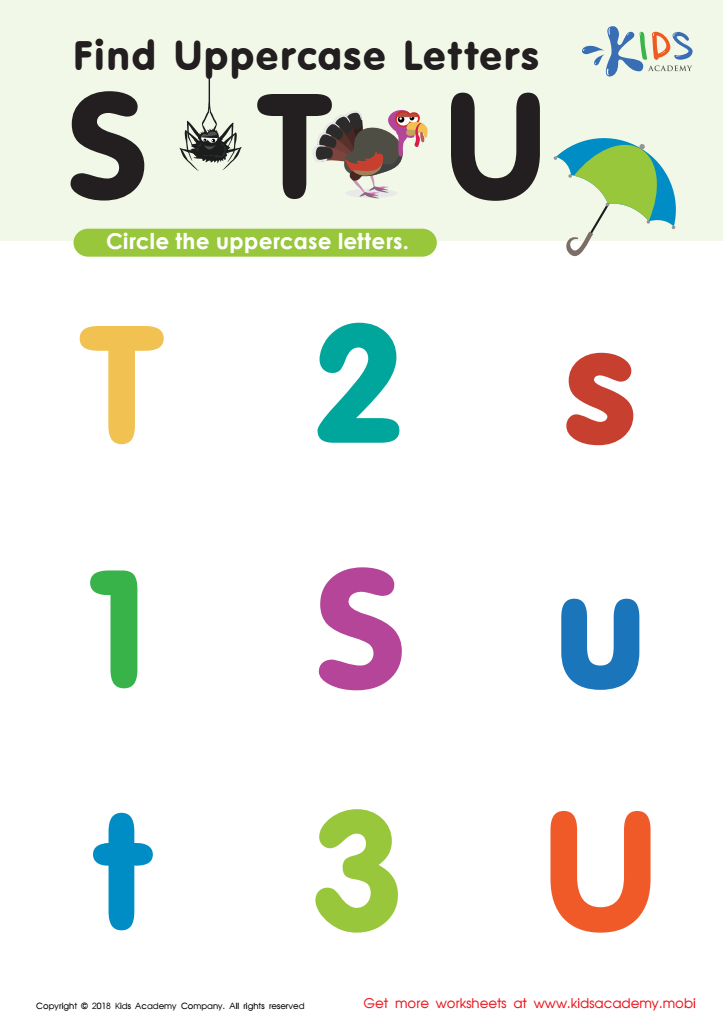
Find Uppercase Letters Worksheet
 Assign to My Students
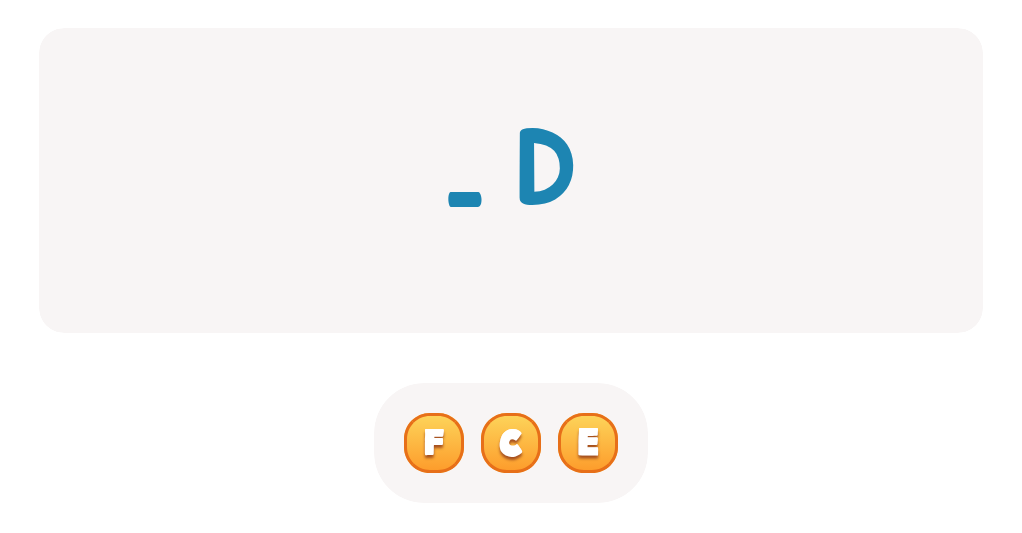

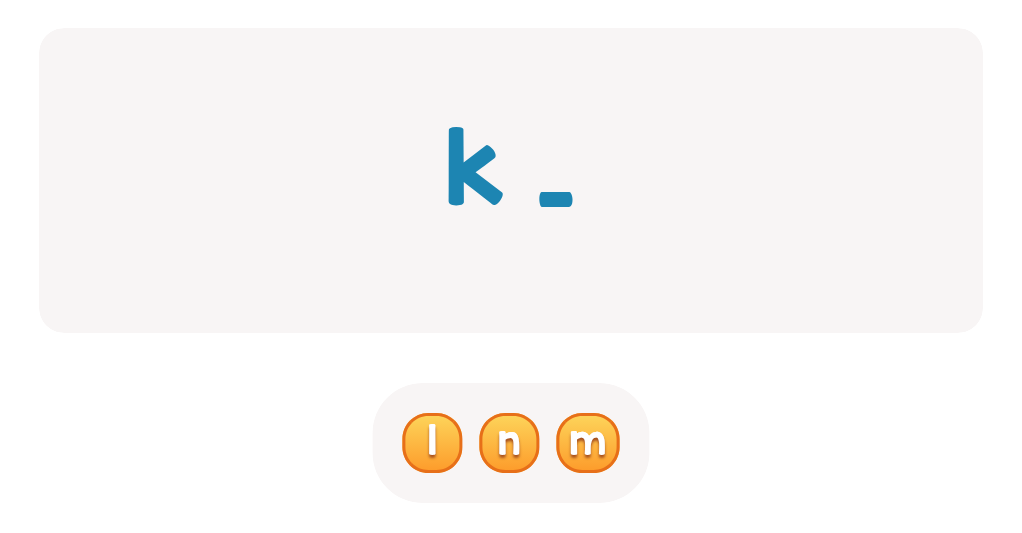
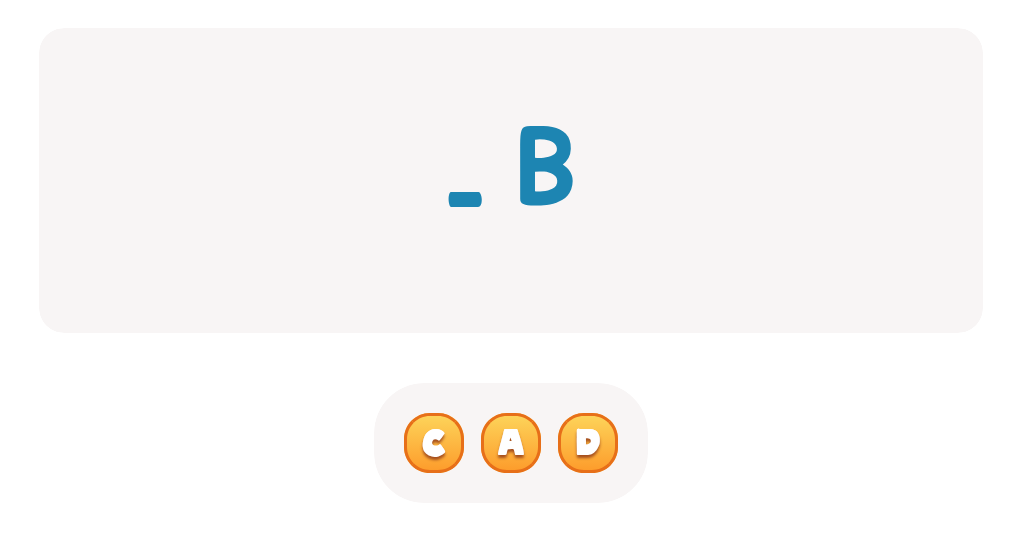
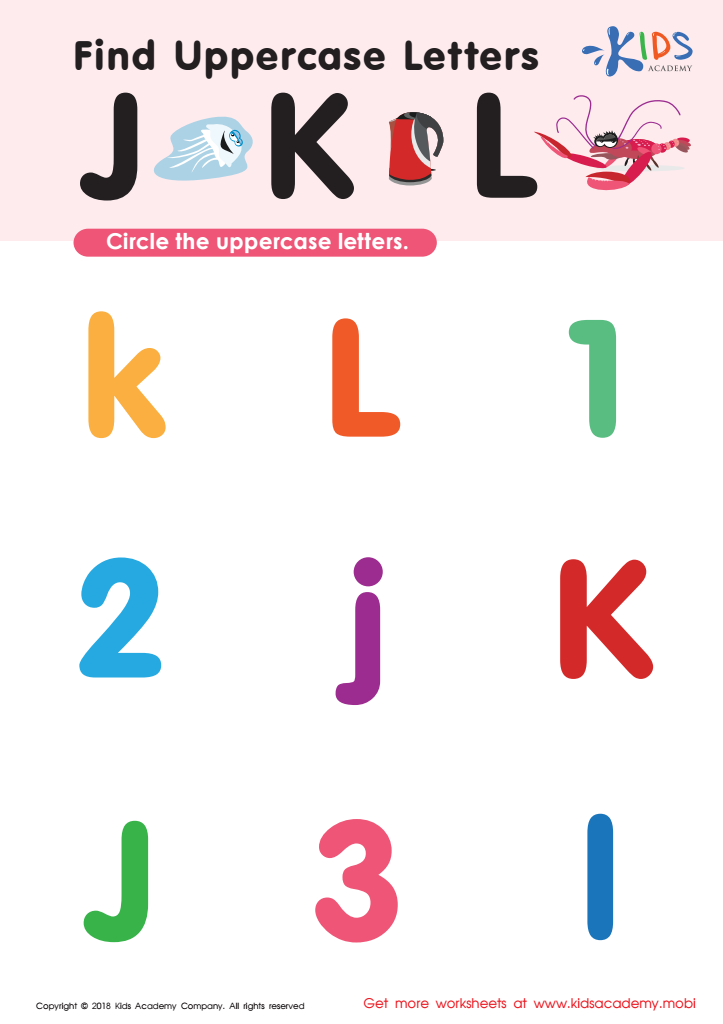
Find Uppercase Letters J, K, and L Worksheet
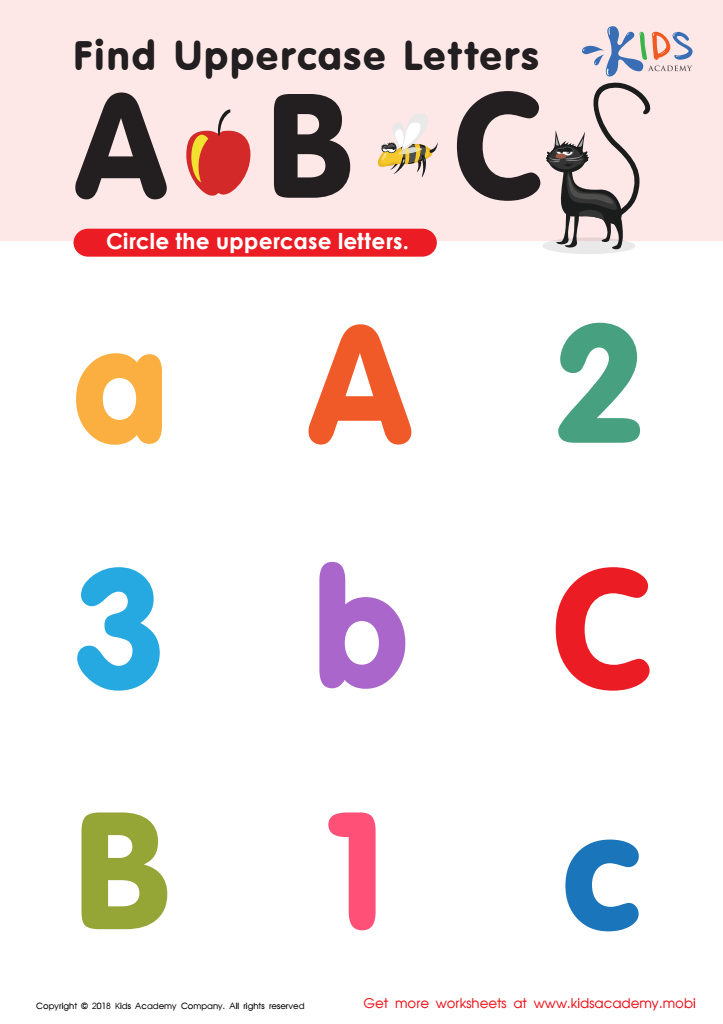
Find Uppercase Letters A, B, and C Worksheet

Find Uppercase Letters V, W, X Worksheet
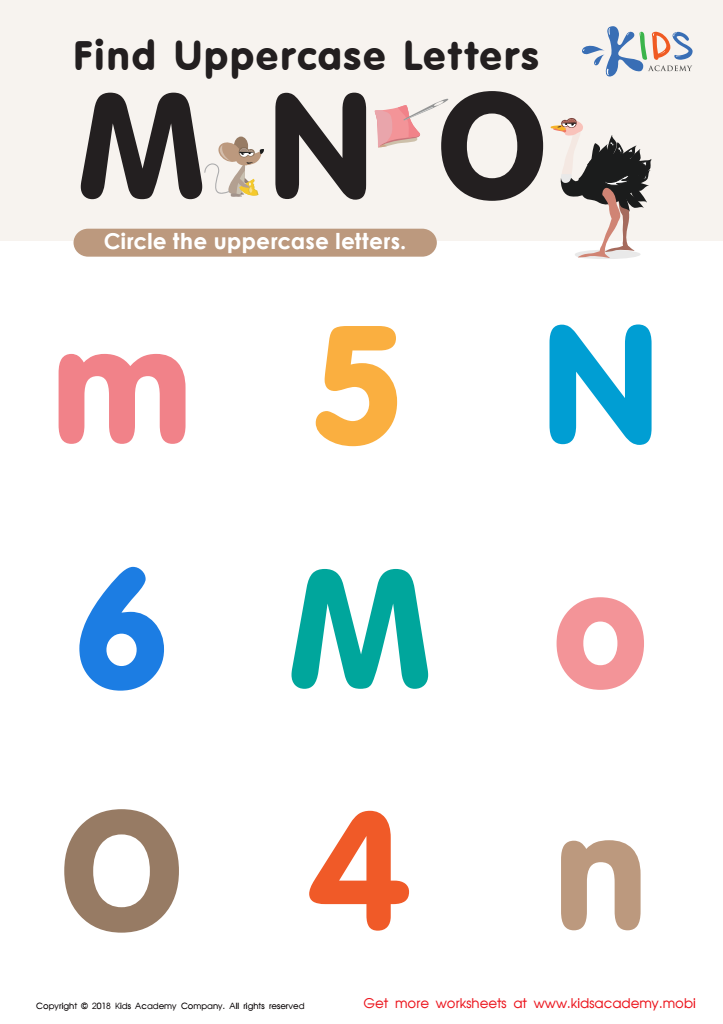
Find Uppercase Letters M, N, and O Worksheet






Understanding uppercase and lowercase letters is crucial for children aged 5-8 because it forms the foundation of their literacy skills. Firstly, recognizing the distinction between uppercase and lowercase letters enhances children's ability to read and write. Uppercase letters typically signify the beginning of sentences and proper nouns, helping students construct meaning in reading. If children do not grasp these concepts, their comprehension can be hindered.
Additionally, consistent practice with both uppercase and lowercase letters bolsters fine motor skills as children learn to write each form properly. This skill is critical at this age, as it helps prepare them for more complex writing tasks in later grades.
Furthermore, learning uppercase and lowercase letters fosters early spelling skills. Many sight words are acquired and recognized in both forms; thus, mastering letter identification aids in vocabulary development.
Moreover, this knowledge promotes a sense of academic achievement and confidence. When children can easily distinguish and identify letters, they engage more willingly in reading activities.
For educators and parents, prioritizing uppercase and lowercase letter recognition creates a pathway toward successful literacy development, laying the groundwork for future academic endeavors and lifelong learning.







