Visual discrimination Upper & Lowercase Letters Worksheets for Ages 5-8
4 filtered results
-
From - To
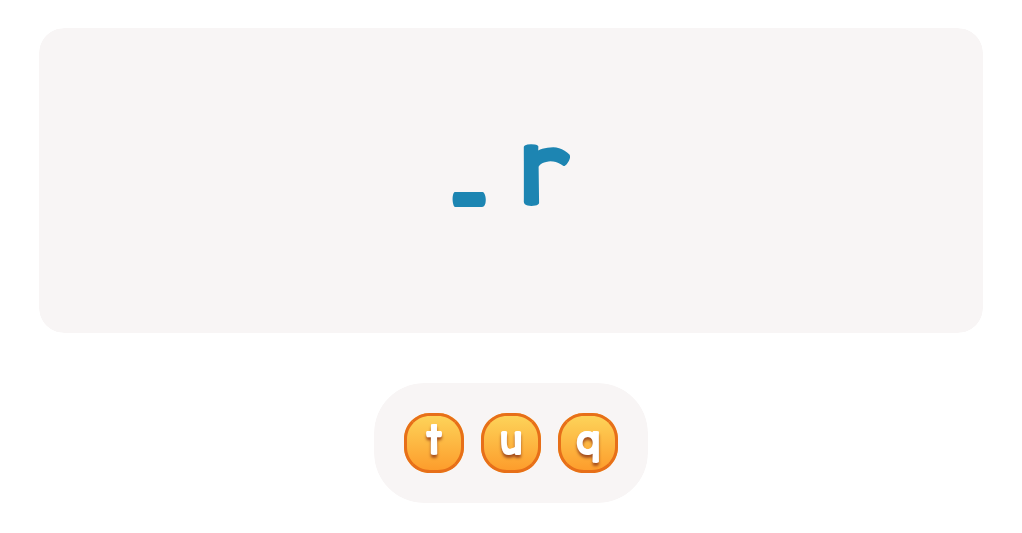
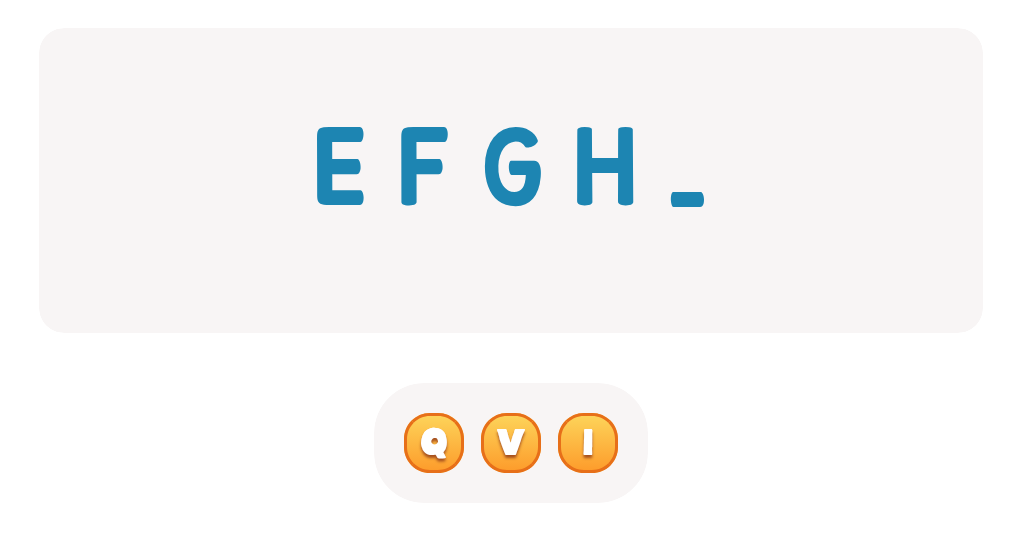
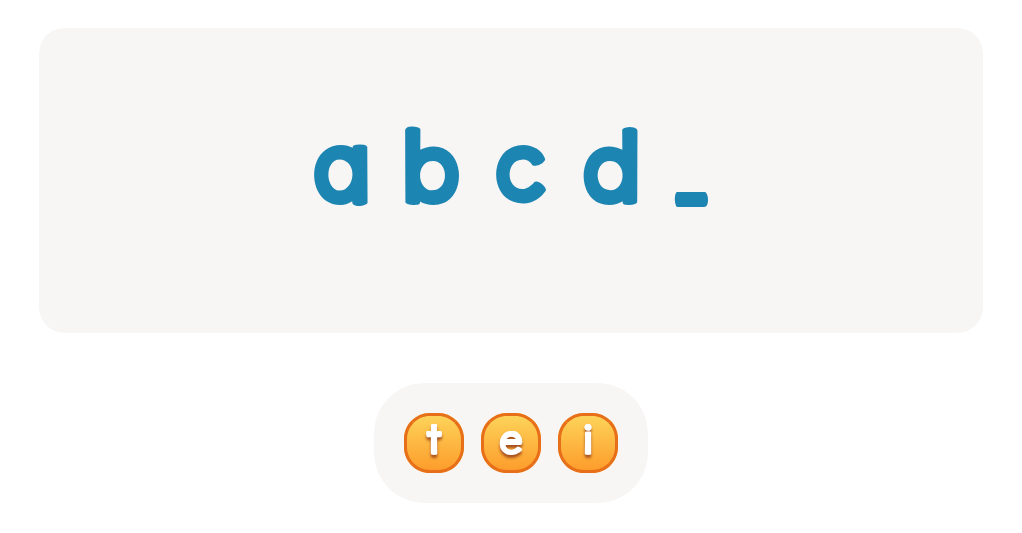
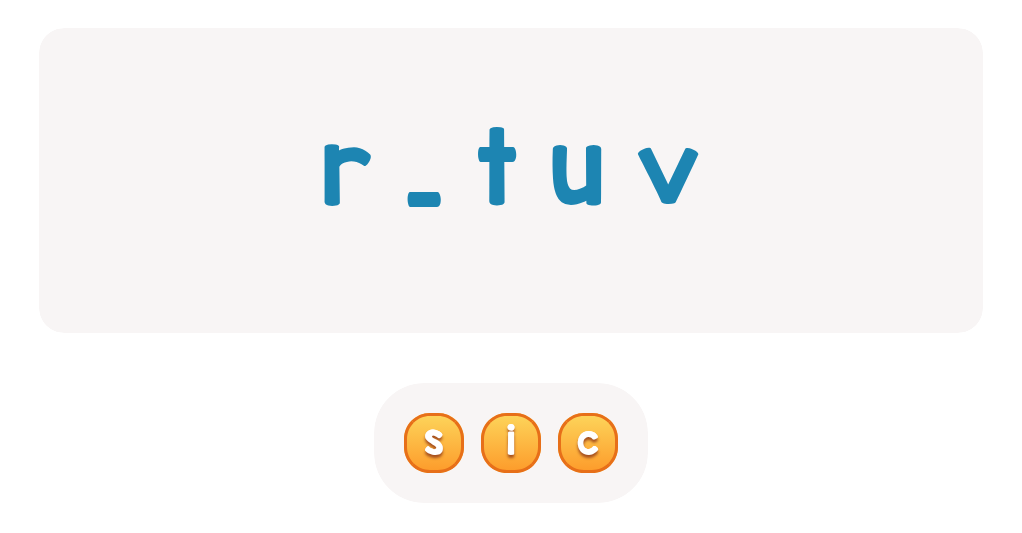
Enhance your child's visual discrimination skills with our engaging Upper & Lowercase Letters Worksheets, designed for ages 5-8. These interactive resources help young learners distinguish between uppercase and lowercase letters, fostering essential literacy foundations. Each worksheet includes a variety of fun and educational activities, from matching exercises to letter recognition. Perfect for home or classroom use, these worksheets encourage practicing visual differentiation in a playful manner, making learning enjoyable. Invest in your child's reading readiness and boost their confidence with our thoughtfully crafted visual discrimination worksheets, ensuring they develop strong skills for successful learning paths ahead. Download and start exploring today!
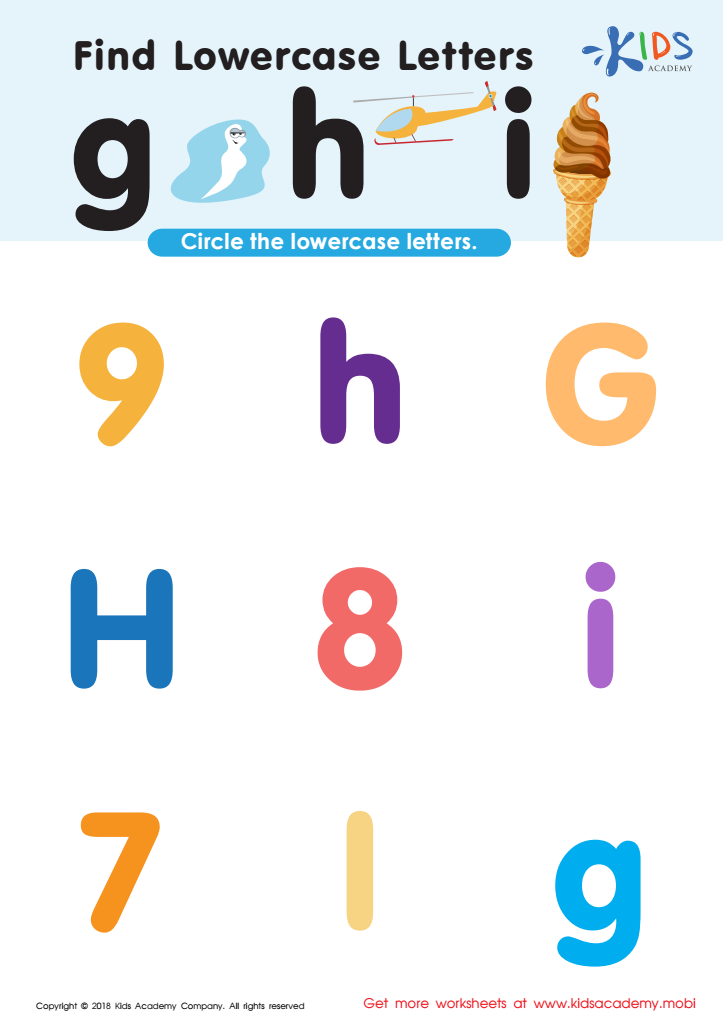
Find Lowercase Letters g h i Worksheet
 Assign to My Students




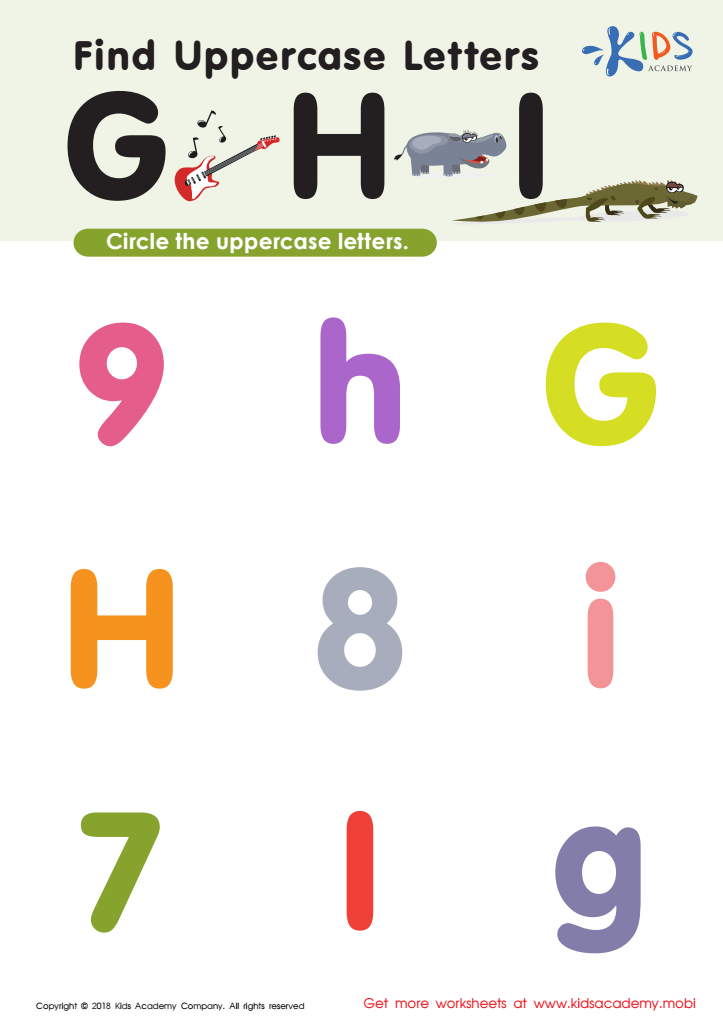
Find Uppercase Letters G, H, and I Worksheet
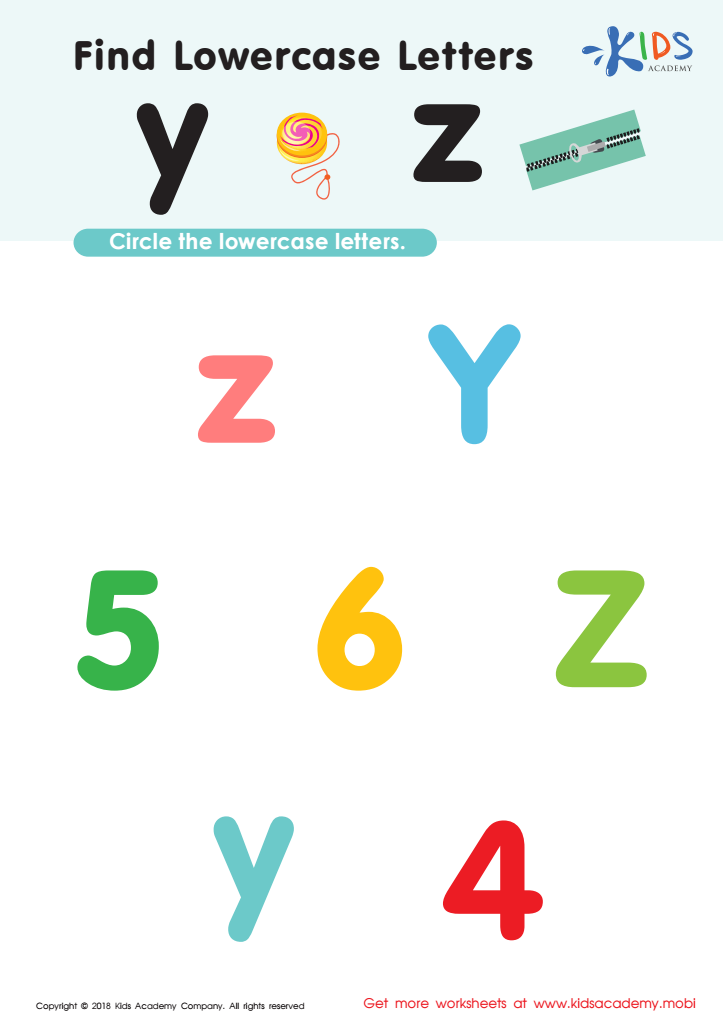
Find Lowercase Letters y z Worksheet
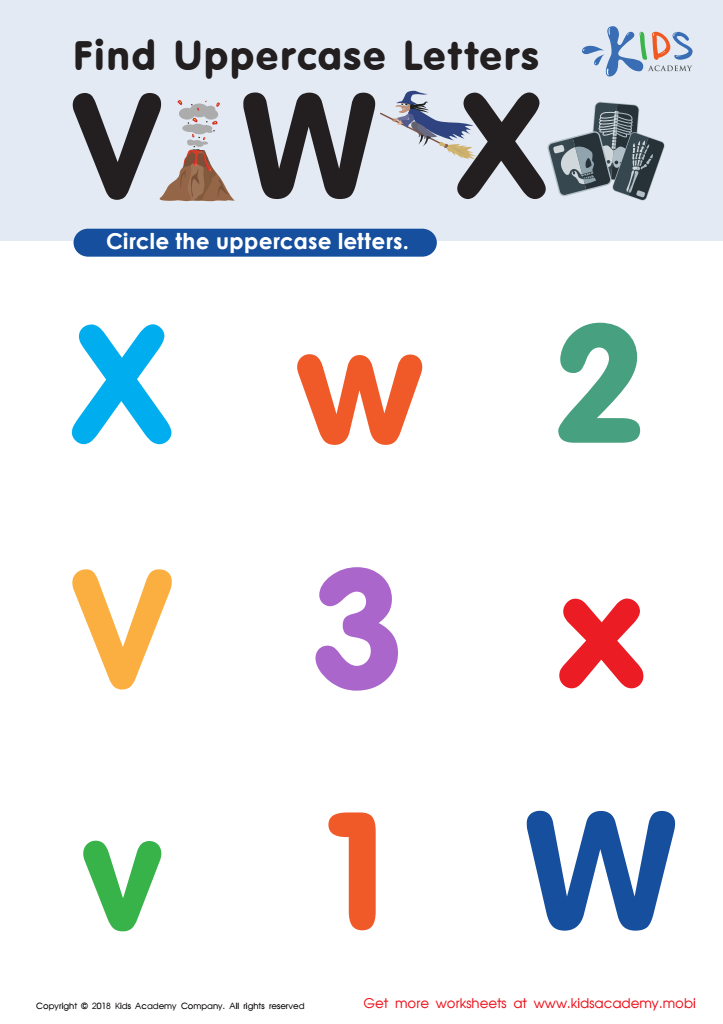
Find Uppercase Letters V, W, X Worksheet






Visual discrimination of uppercase and lowercase letters is a critical skill for children aged 5-8, as it lays the foundation for literacy and comprehension. Parents and teachers should care about this skill for several reasons.
Firstly, recognizing the differences between uppercase and lowercase letters is essential for reading and writing. Children need to be able to distinguish between the two forms to decode words correctly. Misreading a word due to confusion between similar-looking letters, such as 'b' and 'd', can hinder their reading fluency and comprehension.
Secondly, strong visual discrimination skills contribute to improved writing. Children must recognize which case to use in different contexts, such as starting sentences or proper nouns. This understanding builds a foundation for good spelling and grammar.
Moreover, fostering visual discrimination skills promotes cognitive development. Activities that enhance these skills encourage critical thinking and problem-solving, which are essential as children progress in their education.
Lastly, improved visual discrimination leads to increased confidence. As children master letter recognition, they feel more competent in their learning abilities, encouraging a positive attitude toward reading and writing. By supporting this skill, parents and teachers can significantly influence children's academic success and love for learning.







