Letter recognition Coloring Pages Worksheets for Ages 5-8
3 filtered results
-
From - To
Unlock your child's potential with our engaging Letter Recognition Coloring Pages Worksheets for ages 5-8! These fun and interactive resources are designed to make learning letters enjoyable and effective. Each worksheet features colorful illustrations and easy-to-follow activities that promote letter recognition, phonics skills, and fine motor development. Perfect for classrooms or home practice, our worksheets allow children to identify and color letters while reinforcing their understanding of the alphabet. Boost your child’s confidence in reading and writing with these creative worksheets that make learning a delightful adventure. Visit us today to explore our wide range of coloring activities tailored specifically for young learners!
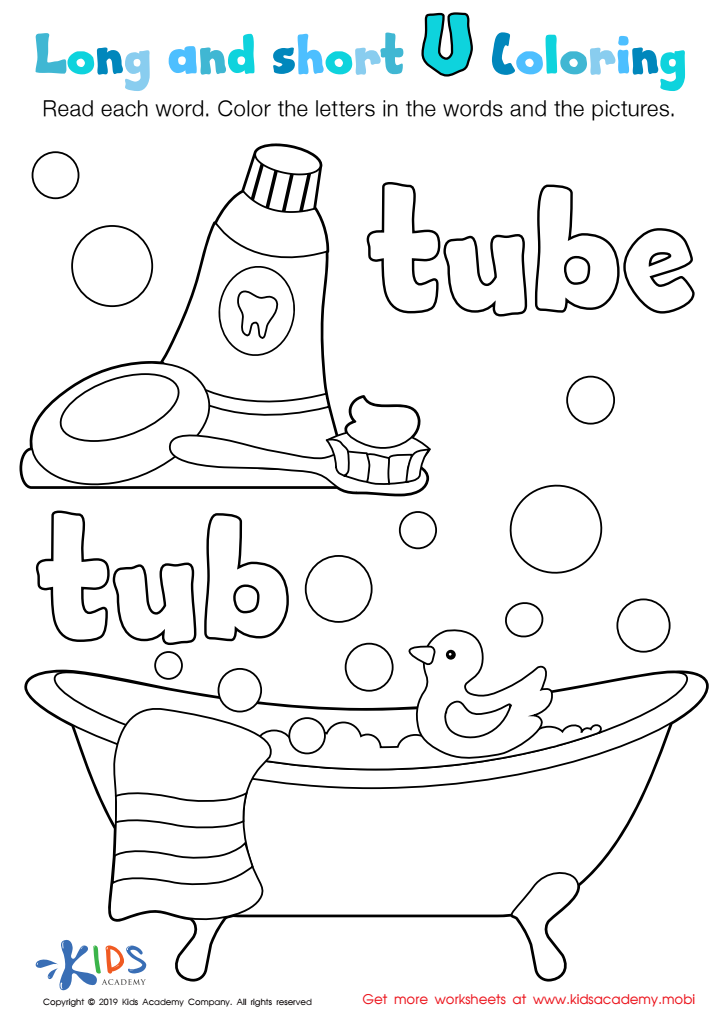
Long and Short U Worksheet
 Assign to My Students
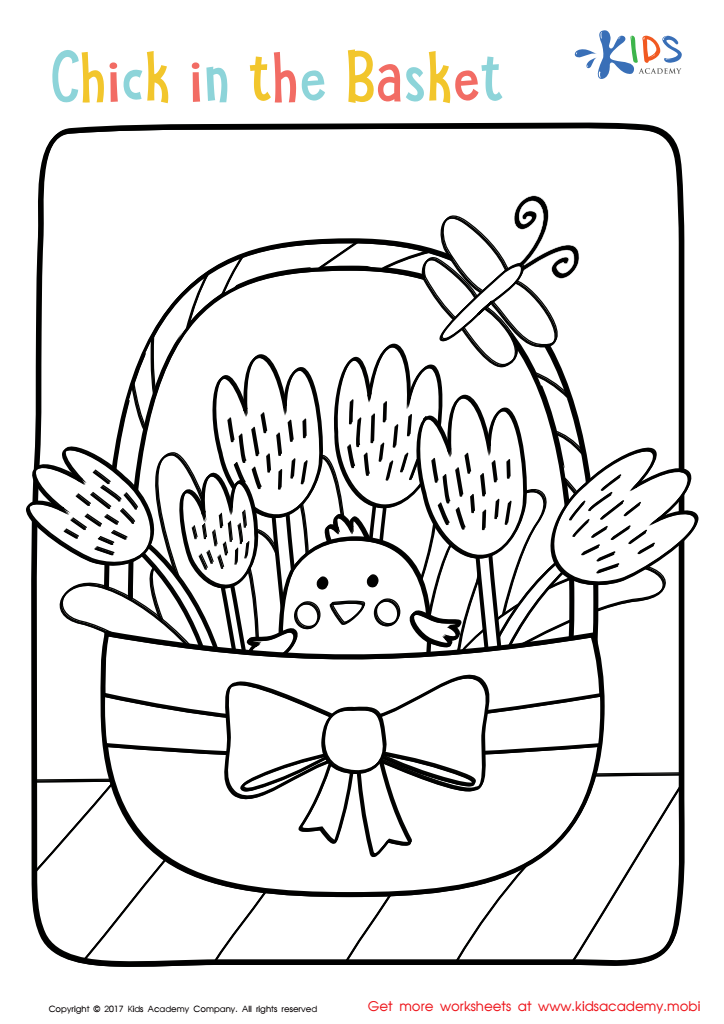
Easter: Chick in the Basket Worksheet
Assign to My Students
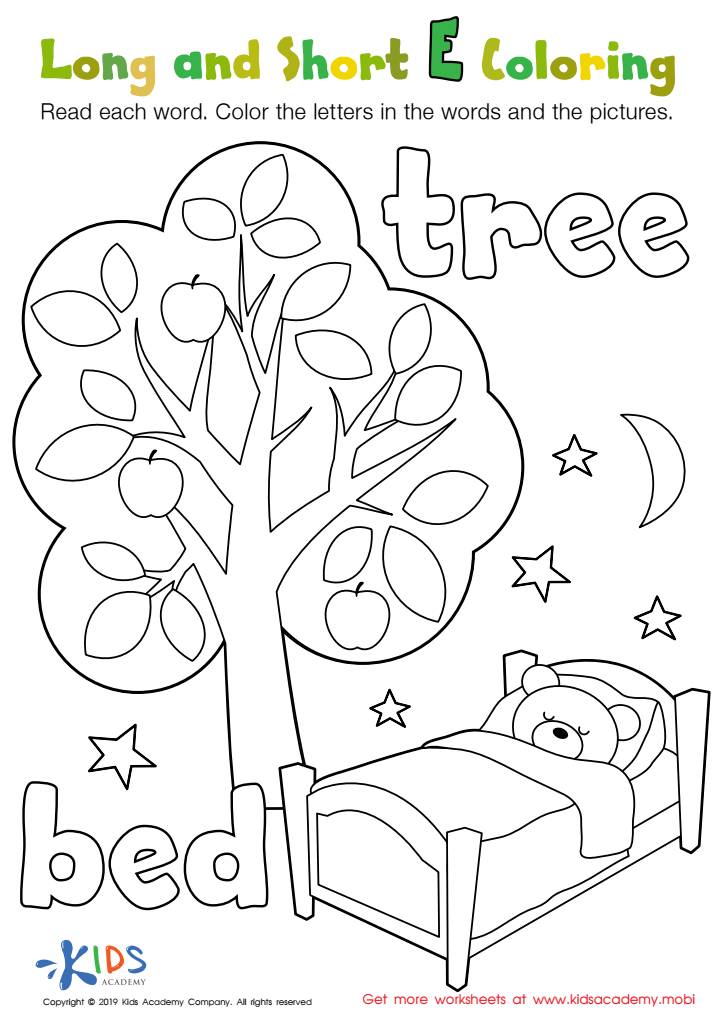
Long and Short E Worksheet
Assign to My Students





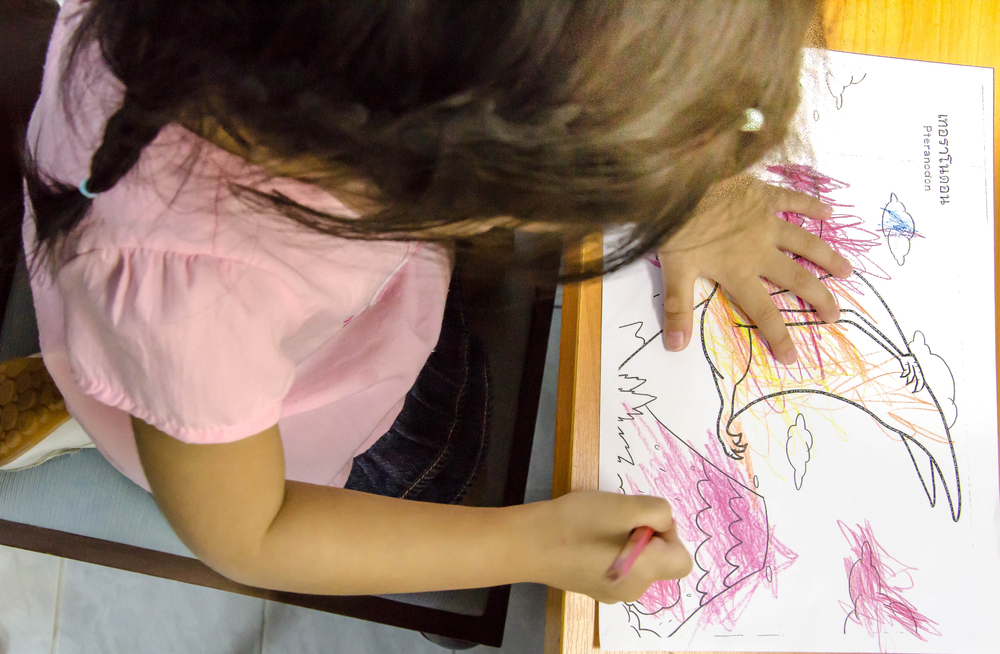

Letter recognition coloring pages are invaluable tools for parents and teachers of children aged 5-8. During this critical developmental stage, children are just beginning to learn the basics of reading and writing. Engaging in letter recognition activities helps reinforce the alphabet's shapes and sounds, fostering early literacy skills.
Coloring pages allow for multi-sensory learning, combining visual, auditory, and kinesthetic experiences. When kids associate letters with colors and imagery, they create mental connections that can enhance memory retention. Moreover, the process of coloring helps improve fine motor skills crucial for writing, as children practice grip control and hand-eye coordination.
In addition, these coloring activities can provide a relaxing, enjoyable way for children to interact with letters. They can do it independently or collaboratively with family or peers, promoting social interaction. This playful approach reduces anxiety about learning while enhancing focus and patience.
Ultimately, incorporating letter recognition coloring pages into educational activities enriches the overall learning experience by making letters fun and approachable, ensuring that children build a solid foundation for their future literacy journey. Hence, both parents and teachers should prioritize these resources to support emergent literacy skills effectively.