Hand-eye Coordination Math Coloring Pages Worksheets for Ages 5-8
3 filtered results
-
From - To
Enhance your child's learning experience with our Hand-eye Coordination Math Coloring Pages Worksheets designed for ages 5-8. These engaging worksheets combine math practice with creative coloring activities, helping young learners develop essential math skills while improving their hand-eye coordination. Each printable page features fun, age-appropriate math problems that encourage children to solve problems and color their way to understanding numbers and basic arithmetic concepts. Perfect for classroom environments or at-home learning, these worksheets make math enjoyable and interactive. Download now to inspire a love for learning math while honing fine motor skills in a playful way!
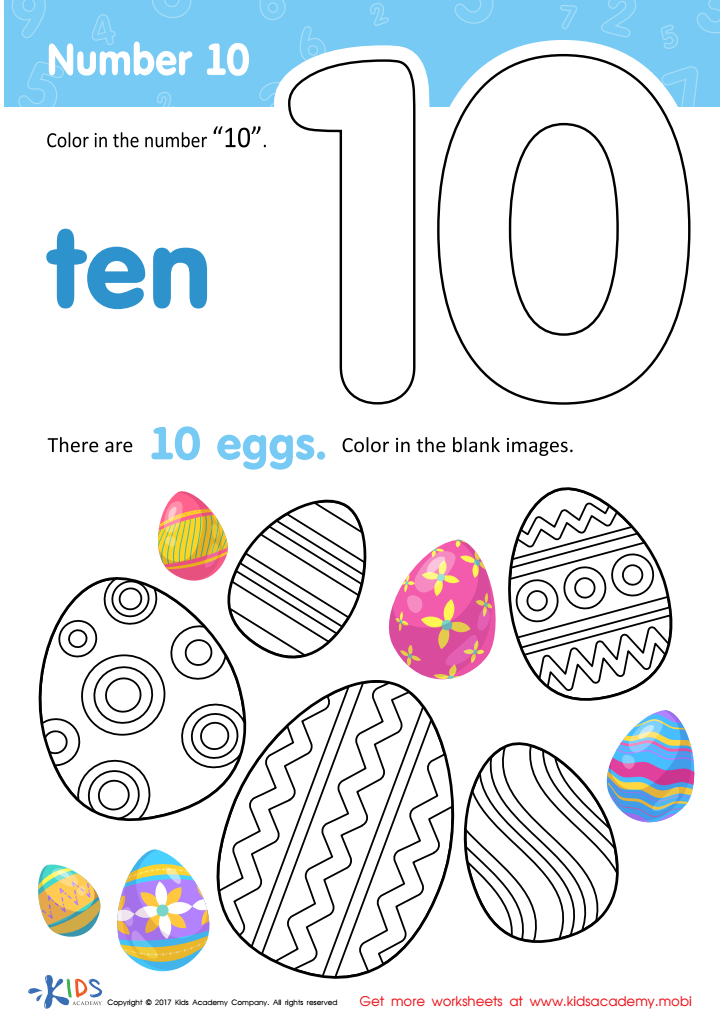
Number 10 Printable
 Assign to My Students
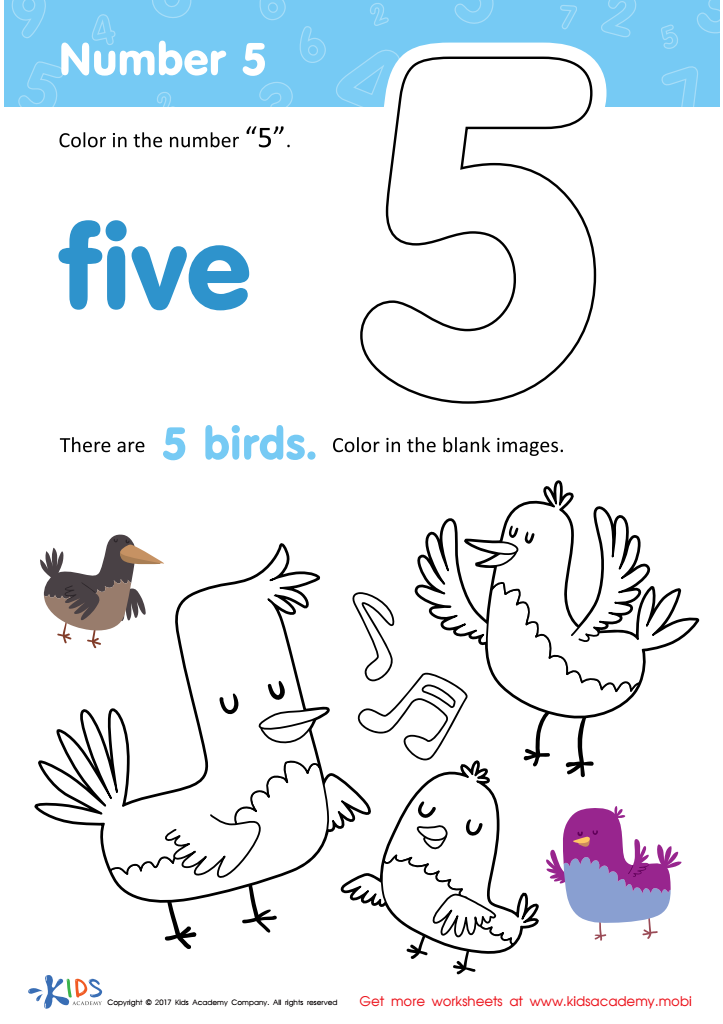
Number 5 Printable
Assign to My Students
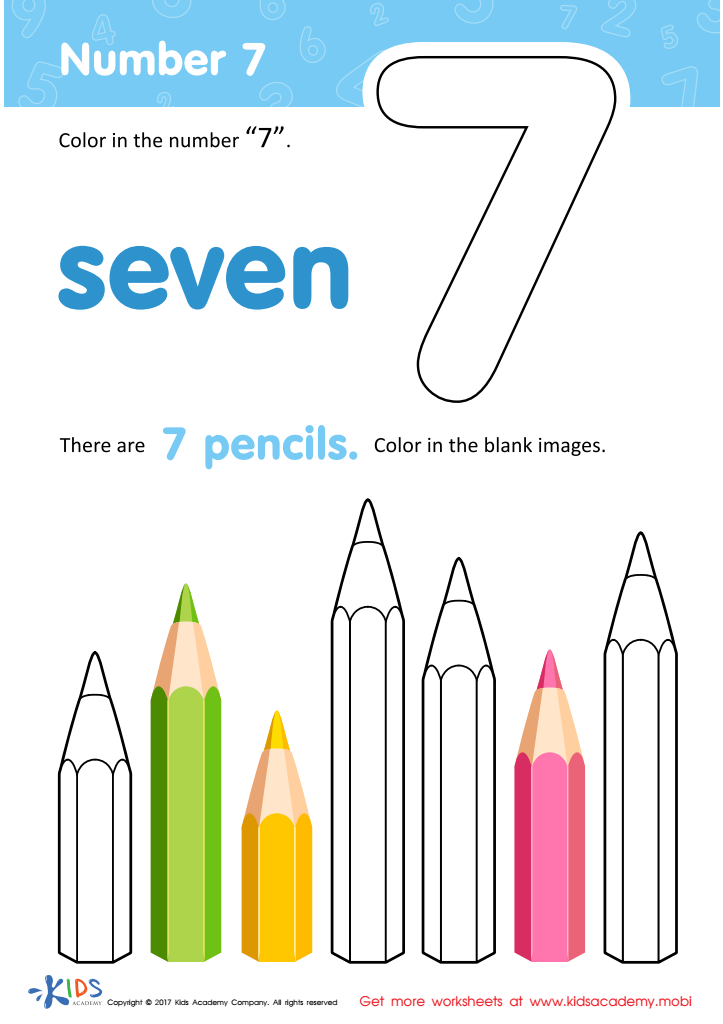
Number 7 Worksheet
Assign to My Students





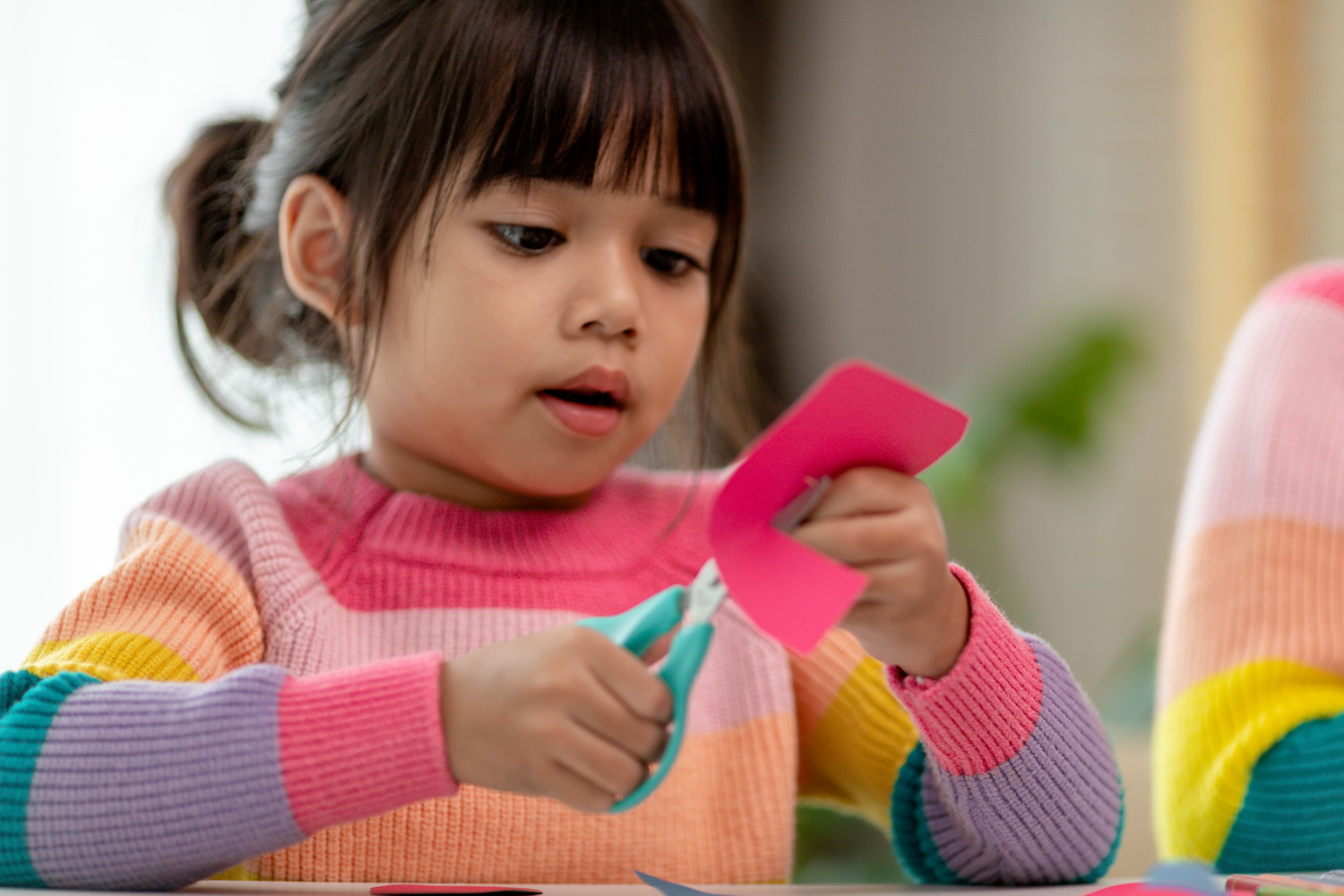

Hand-eye coordination is a vital skill that significantly impacts a child's ability to perform various tasks, from writing to playing sports. Math coloring pages specifically designed for children ages 5-8 not only engage young learners with mathematical concepts, such as numbers, shapes, and patterns, but also promote the development of hand-eye coordination. Through the process of coloring, kids learn to control their hand movements and improve their precision, skills that are crucial for later academic tasks, like reading and writing.
Parents and teachers should prioritize these activities because they foster a love of learning by making math enjoyable and interactive. By combining creativity with calculations, children experience a holistic approach to education, catering to various learning styles. Furthermore, collaboration in coloring activities can enhance social skills, allowing kids to work together, share materials, and discuss their strategies.
In addition, coloring reinforces fine motor skills, as children must navigate within lines, grip tools properly, and recognize colors. This multisensory experience builds a foundation for strong academic achievement. Ultimately, integrating hand-eye coordination activities, like math coloring pages, nurtures essential life skills, encourages self-expression, and supports cognitive development—all reasons why parents and teachers should embrace these resources.