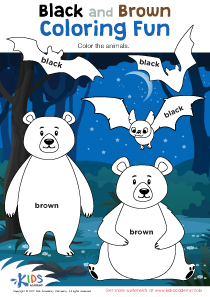
Letter tracing skills English for Beginners Worksheets for Ages 5-8
3 filtered results
-
From - To
Boost your child's letter tracing skills with our comprehensive English for Beginners Worksheets, designed specifically for ages 5-8. These printable sheets offer engaging and effective practice to help young learners master the basics of writing letters in English. Perfect for children learning English as a second language, our worksheets feature fun activities that keep kids motivated and excited to learn. Build a strong foundation in handwriting, enhance fine motor skills, and foster confidence in young writers. With colorful illustrations and step-by-step guidance, these worksheets make learning both enjoyable and accessible. Start tracing today and watch your child’s skills flourish!
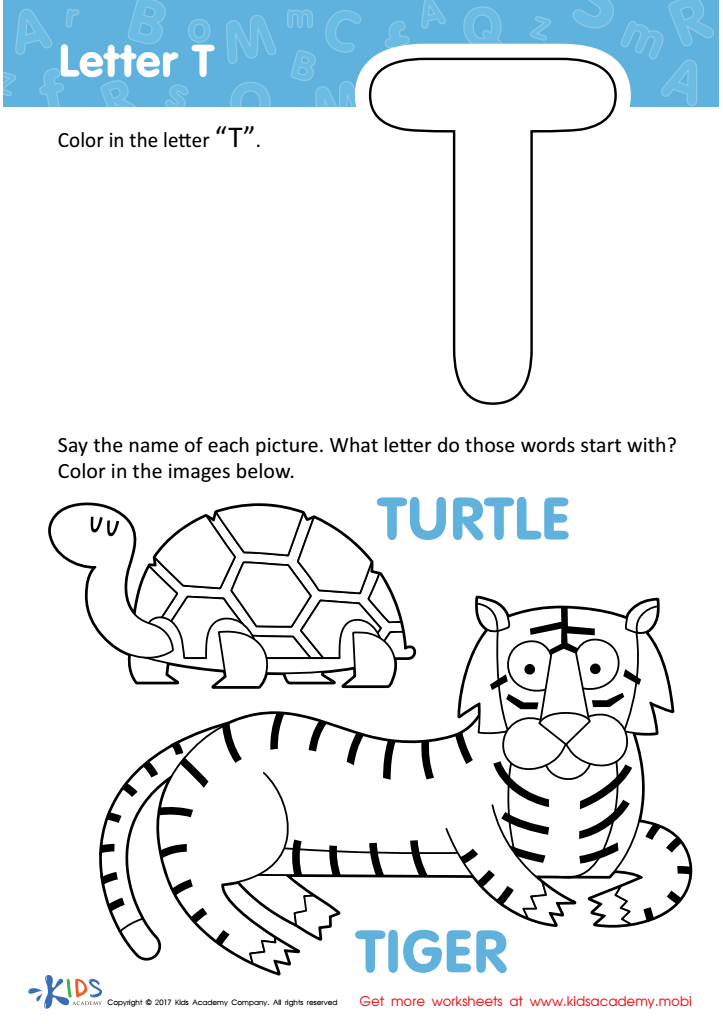
Letter T Coloring Sheet
 Assign to My Students
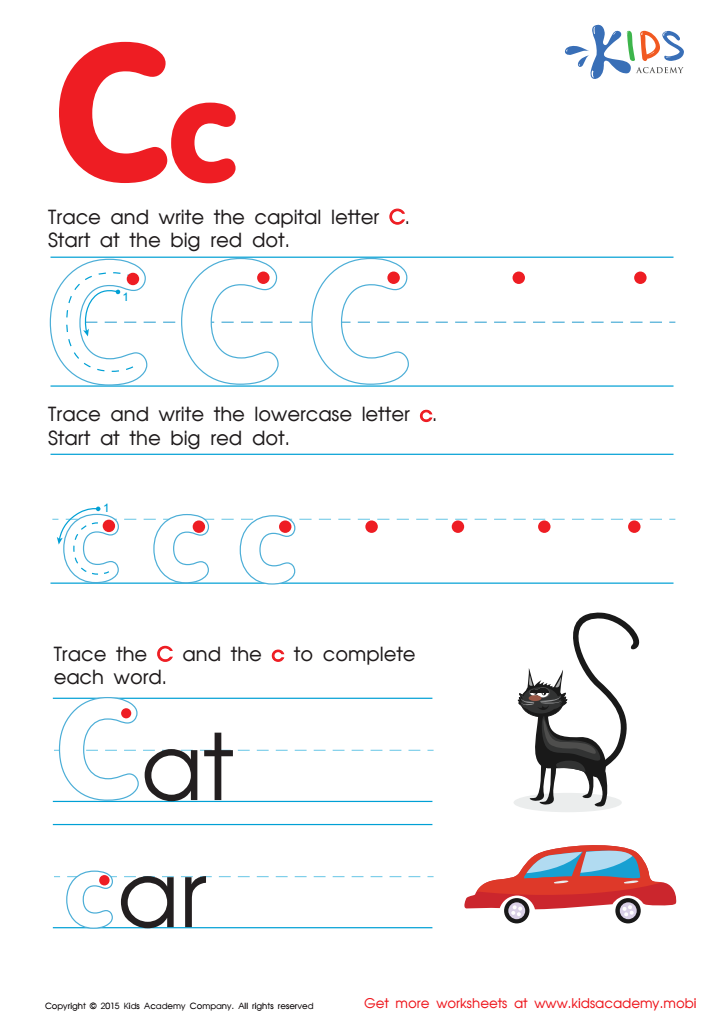
Letter C Tracing Page
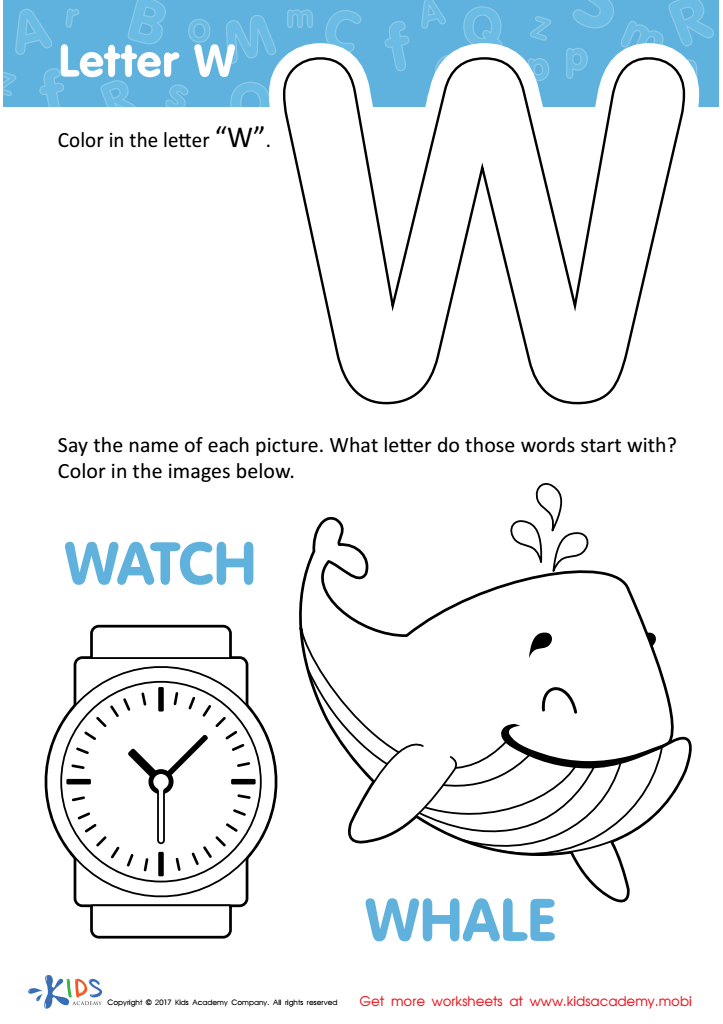
Letter W Coloring Sheet
Assign to My Students





Parents and teachers should care about letter tracing skills for beginners aged 5-8 because these early literacy skills build the foundation for reading and writing proficiency. Letter tracing helps young learners develop fine motor skills, hand-eye coordination, and muscle memory, which are essential for writing letters legibly and efficiently. As children practice tracing, they become more familiar with the shapes and forms of each letter, which aids in letter recognition and phonemic awareness—key components in learning to read.
Further, consistent practice through letter tracing can boost a child's confidence in their writing abilities, making them more inclined to engage in writing activities independently. Engaging children in these activities supports cognitive development as they learn to focus and follow instructions. Since the ability to read and write proficiently influences overall academic success, fostering strong literacy skills at an early age prepares children for future educational challenges. Beyond academics, effective communication skills are vital in everyday life and learning environments.
Moreover, activities such as letter tracing can be fun and engaging for young children, encouraging a positive attitude toward learning. Through playful and creative approaches, parents and teachers can make early literacy an enjoyable experience, laying a strong educational foundation.