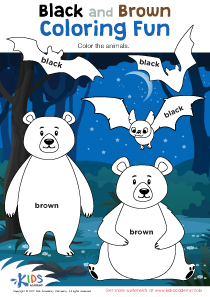
Vocabulary Building English for Beginners Worksheets for Ages 5-8
6 filtered results
-
From - To
Discover our engaging "Vocabulary Building English for Beginners Worksheets" designed specifically for ages 5-8! Perfect for young learners, these worksheets focus on enhancing vocabulary and comprehension through fun, interactive activities. Our carefully crafted resources help children practice essential words and concepts while developing their language skills in a delightful way. Each worksheet encourages creativity and critical thinking, ensuring that learning remains enjoyable. Ideal for both classroom use and homeschooling, our vocabulary-building worksheets foster a strong foundation in English language skills. Empower your child’s learning journey today with these essential tools and watch them grow in confidence and fluency!
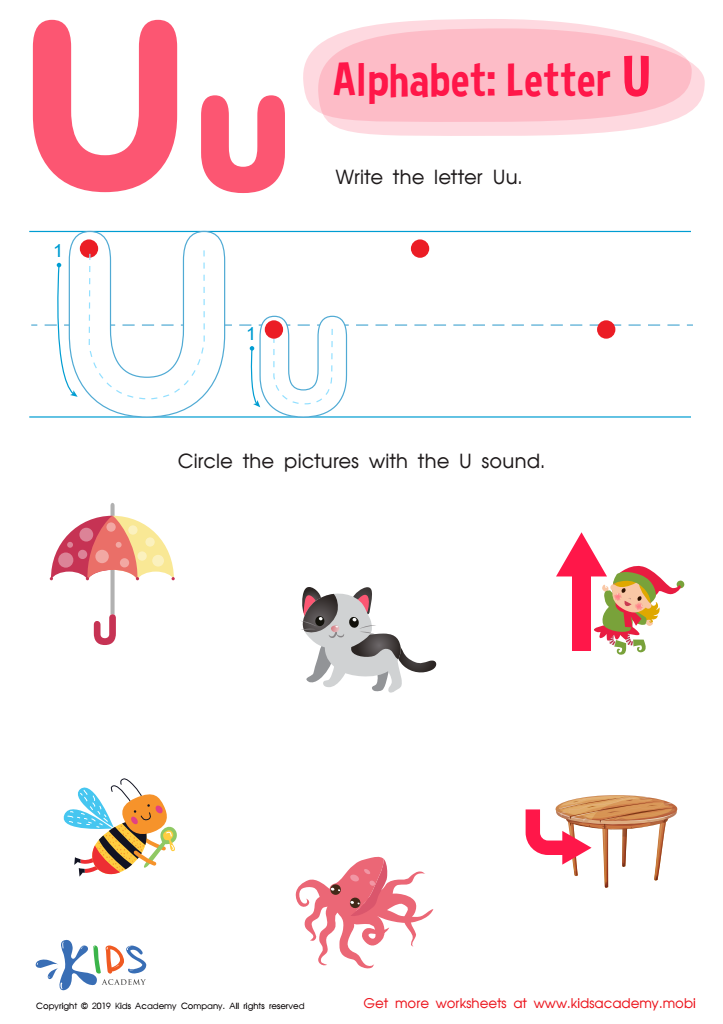
Letter U Tracing Worksheet
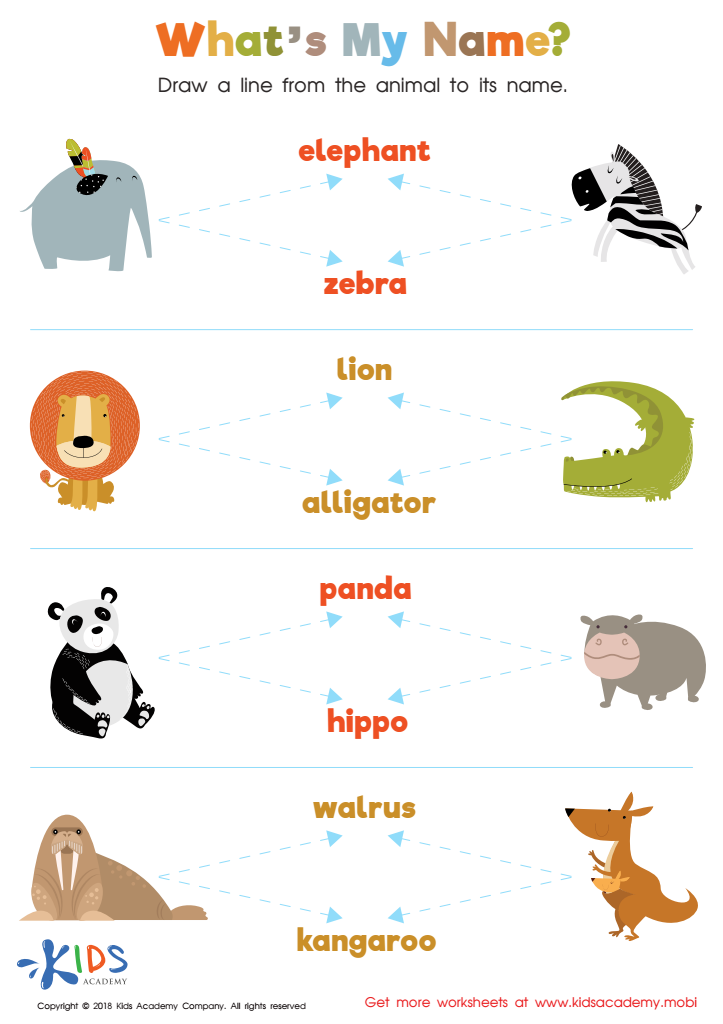
Animals and Their Names Worksheet
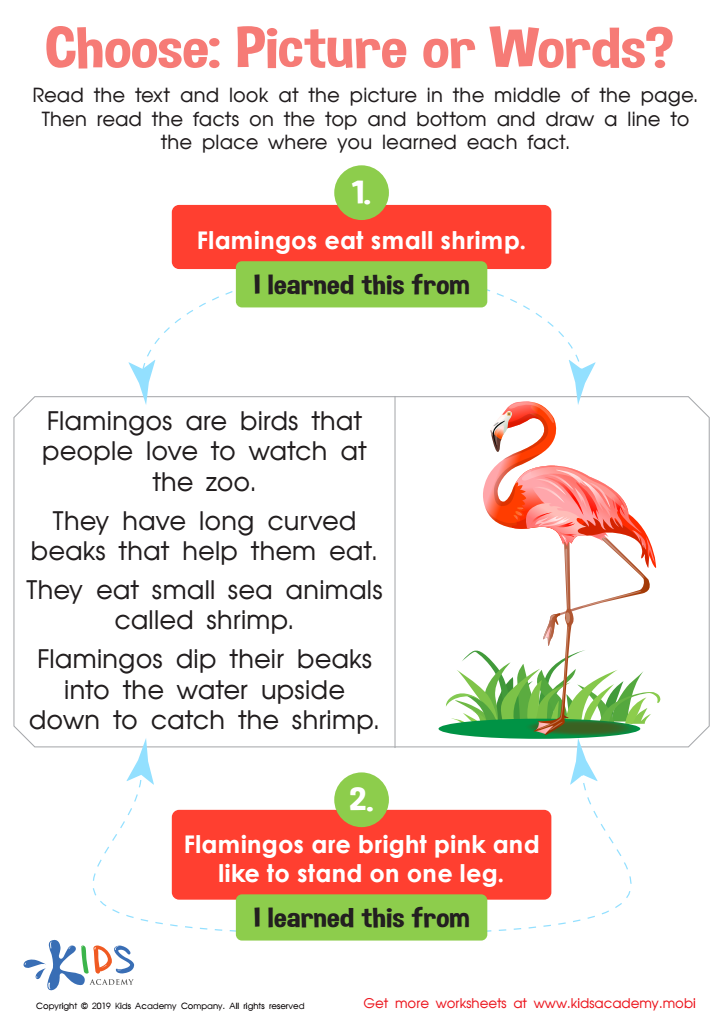
Choose Picture Words Worksheet
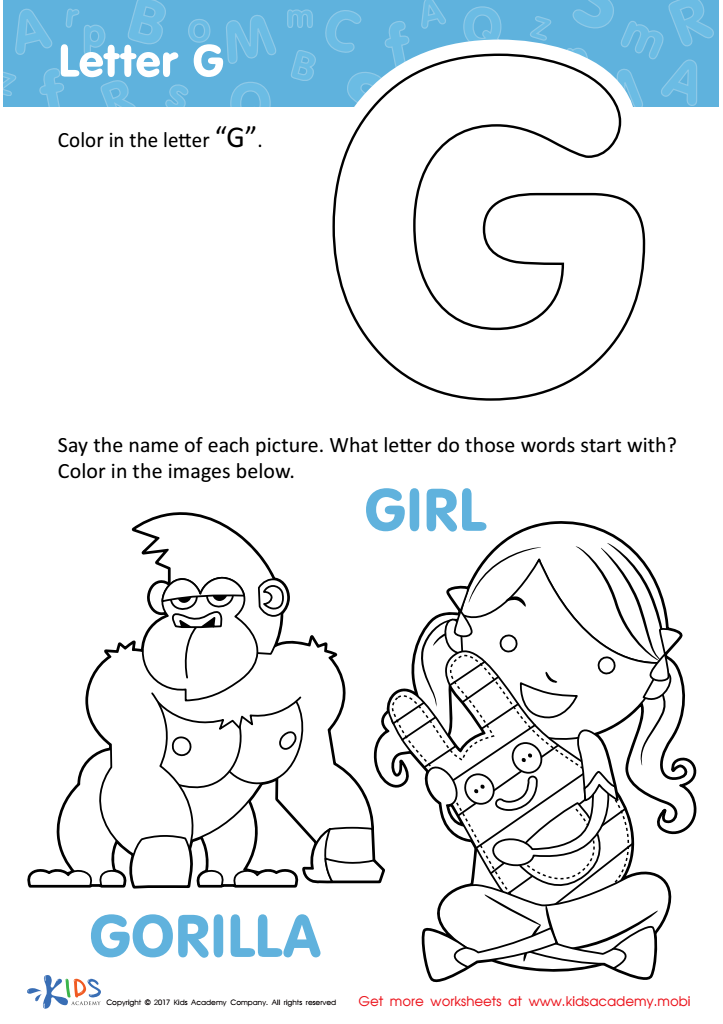
Letter G Coloring Sheet
 Assign to My Students
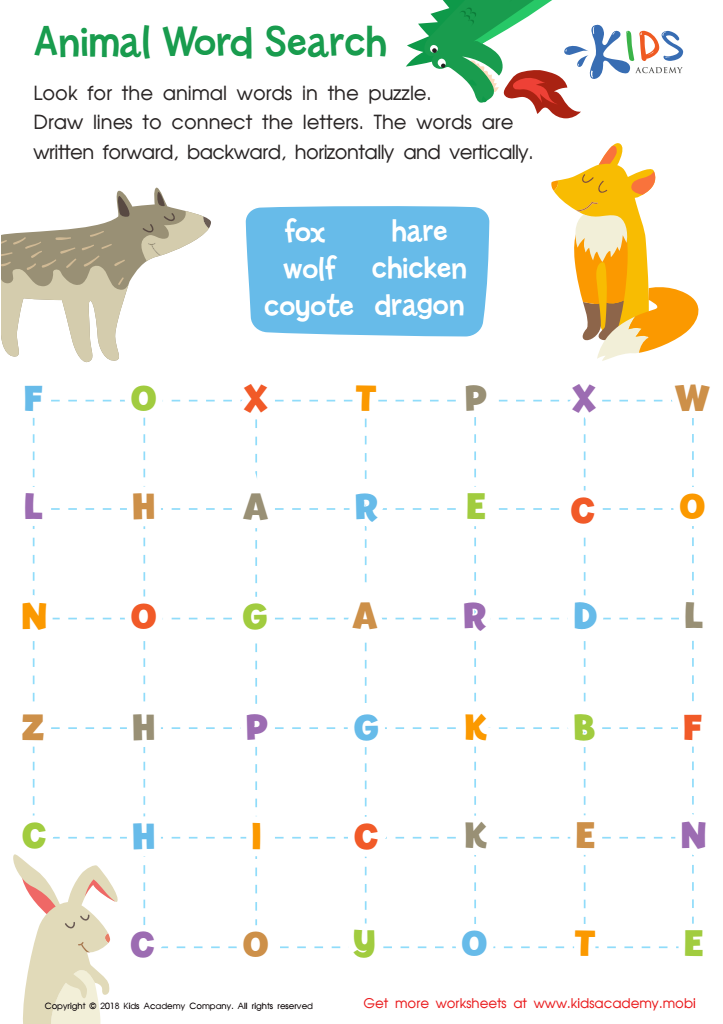
Animal Word Search Worksheet
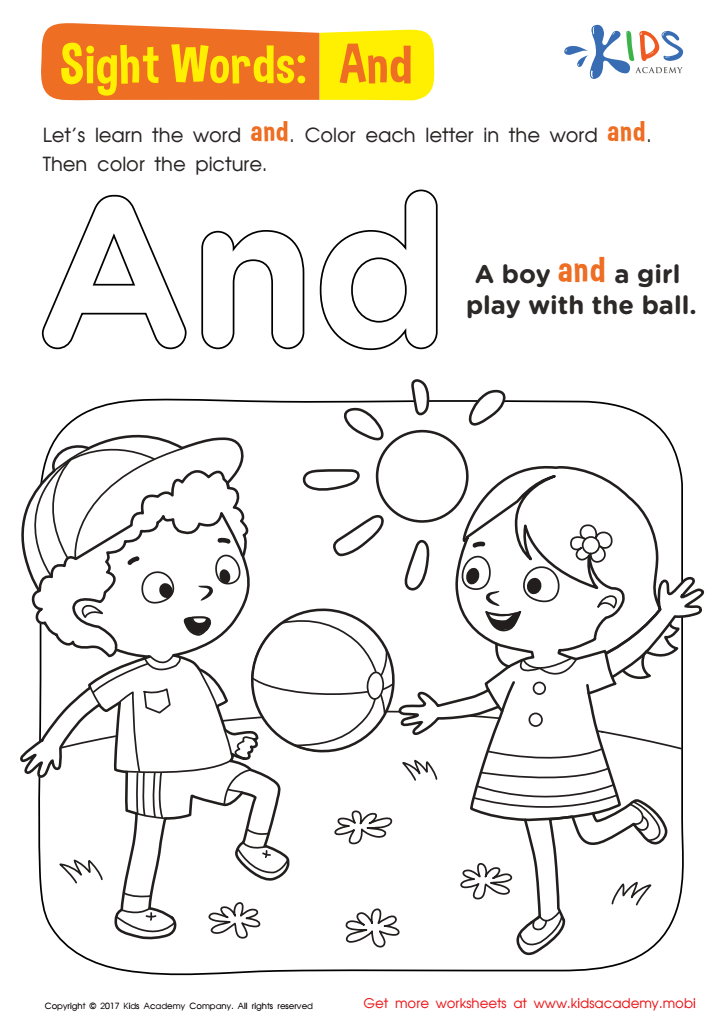
And Worksheet Sight Words Worksheet
Assign to My Students




Vocabulary building is crucial for children ages 5-8 as it lays the foundation for their future learning and communication skills. At this developmental stage, children are naturally curious and are rapidly expanding their language abilities. A strong vocabulary enhances their reading comprehension, allowing them to understand and enjoy stories, textbooks, and other written materials.
Parents and teachers should prioritize vocabulary building because it significantly affects children's academic success. A rich vocabulary not only helps children express themselves more clearly but also aids in their ability to articulate thoughts and emotions, fostering effective communication skills. This is particularly important in a diverse classroom, where collaboration and conversation with peers are essential.
Engaging in activities that promote vocabulary growth, such as reading aloud, word games, and storytelling encourages children to actively participate in conversations and explore new ideas. Furthermore, a robust vocabulary equips children to handle complex concepts in subjects like mathematics, science, and social studies in later grades.
In summary, vocabulary building is a vital component of early childhood education, providing children with the tools to succeed academically and socially in their formative years and beyond.