Attention to Detail Worksheets for Ages 5-8 - Page 2
29 filtered results
-
From - To
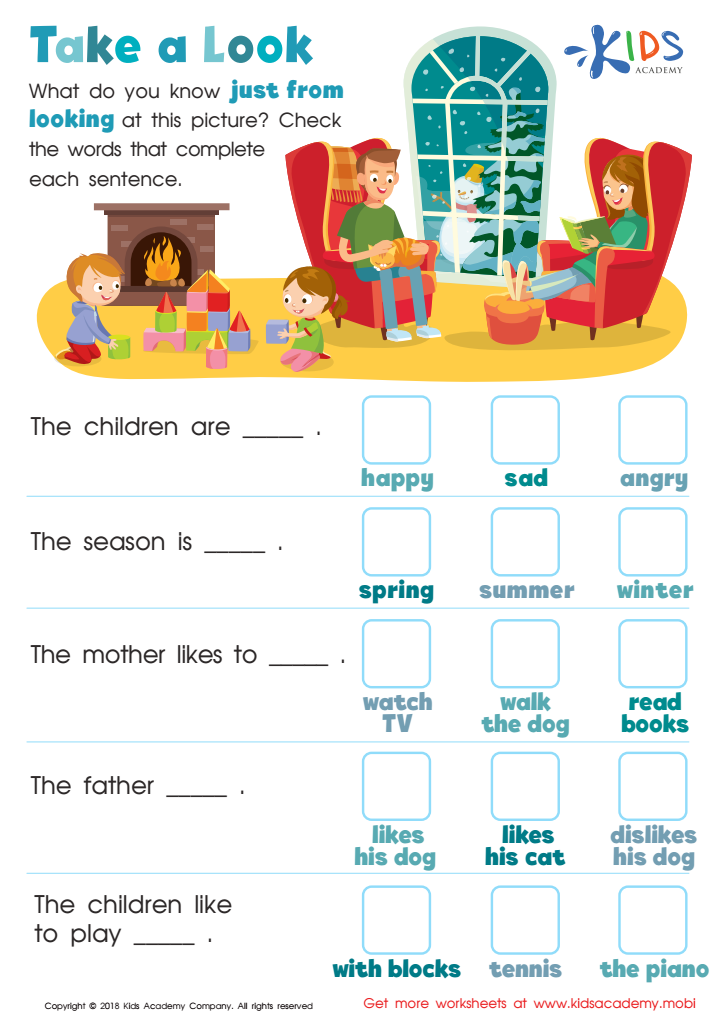
Take a Look - Part 1 Worksheet
 Assign to My Students
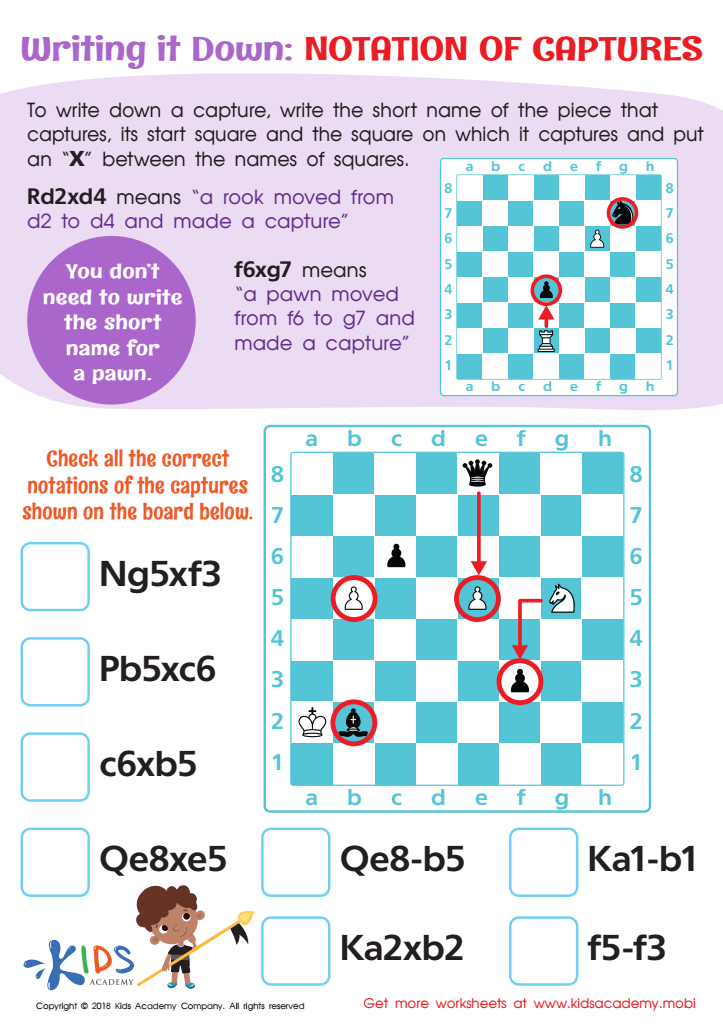
Notation of Captures Writing it Down Worksheet

Find 5 Worksheet
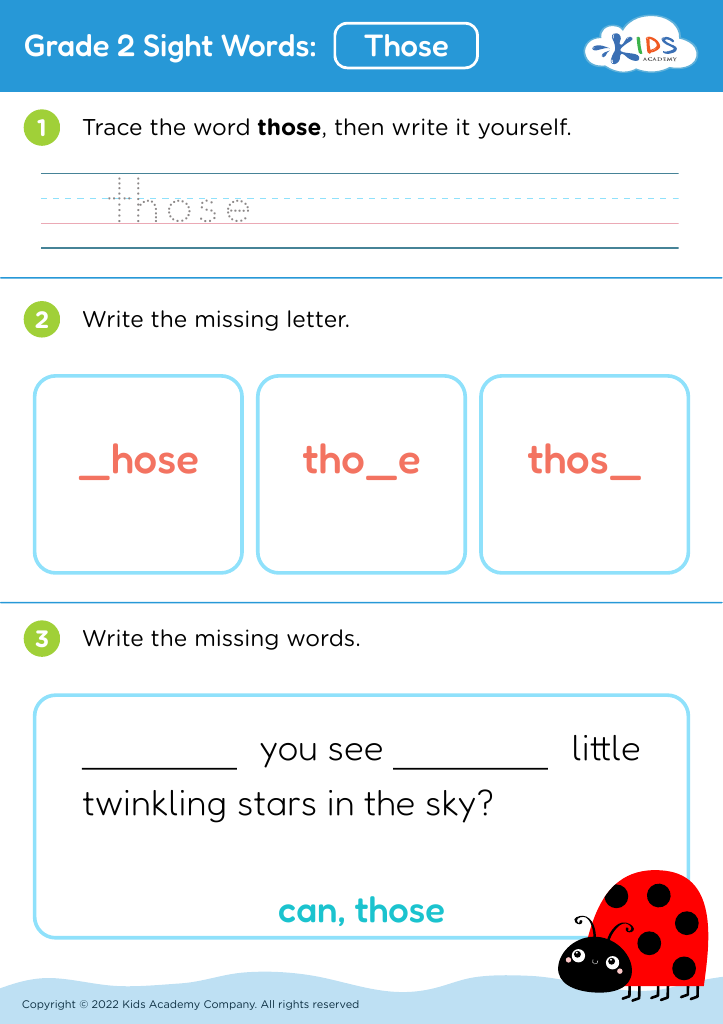
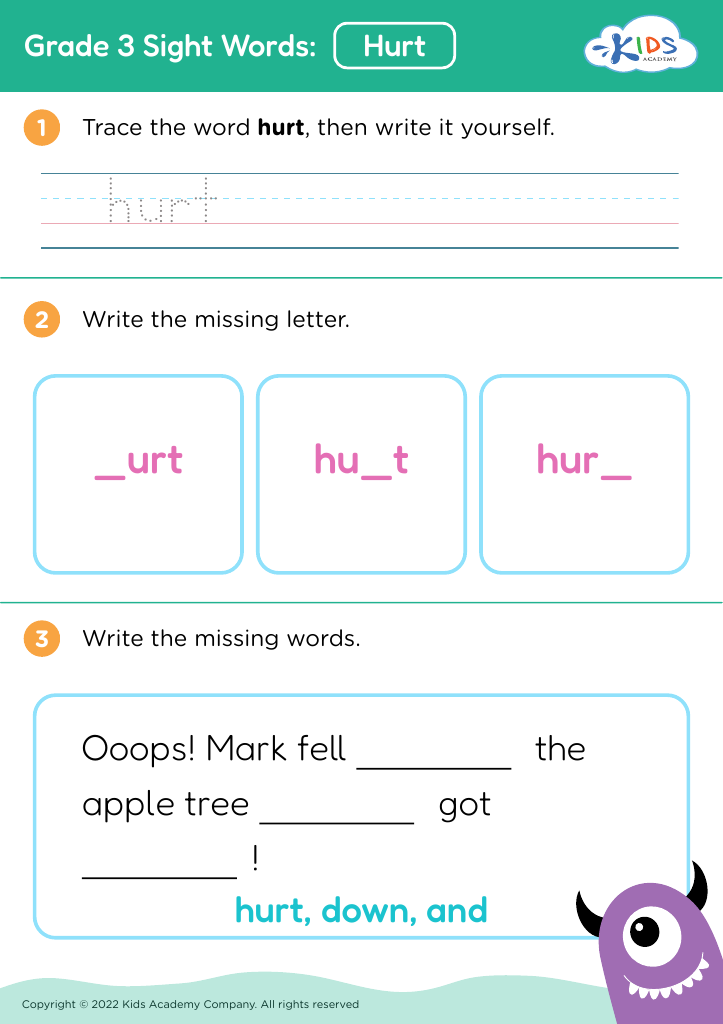






.jpg)
Attention to detail is crucial for children ages 5-8 as it lays the foundation for their cognitive and social development. During these formative years, children are rapidly acquiring new skills and knowledge, and the ability to focus on small elements in their environment enhances their learning experiences. When parents and teachers emphasize attention to detail, they promote critical thinking, problem-solving, and observation skills.
Children who attend to details in their tasks can better understand complex concepts, whether in mathematics, reading comprehension, or art projects. This skill allows them to make connections, recognize patterns, and develop a more profound understanding of subjects. Additionally, learning to notice details can improve a child's ability to follow instructions accurately, fostering independence and self-esteem.
Furthermore, attention to detail aids in social interactions. Recognizing subtle cues, such as facial expressions or tone of voice, helps children navigate friendships and peer dynamics, enhancing their emotional intelligence. By encouraging attention to detail, parents and teachers empower children to be more engaged learners and adept communicators, better preparing them for future challenges academically and socially. In fostering this skill, caregivers play a critical role in shaping well-rounded and thoughtful individuals.








