
Basic Math knowledge Worksheets for Ages 5-8
3 filtered results
Difficulty Level
Grade
Age
-
From - To
Subject
Activity
Standards
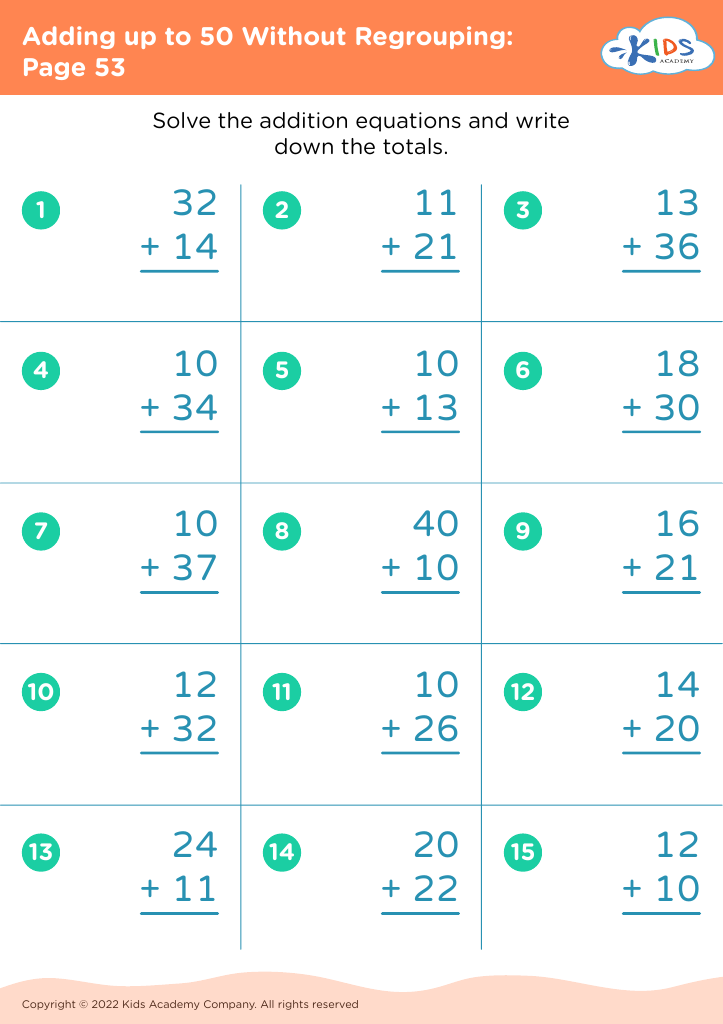
Our Basic Math Knowledge Worksheets for Ages 5-8 are designed to lay a strong foundation in mathematics for young learners. These printable worksheets from Kids Academy cover essential skills such as counting, addition, subtraction, and number recognition. Engaging and structured activities foster a positive learning experience while building crucial math concepts that will benefit them throughout their educational journey. Perfect for both classroom use and at-home practice, these worksheets make math fun and accessible. Help your child develop the confidence and skills they need to excel in math with our expertly crafted resources.
Favorites
With answer key
Interactive
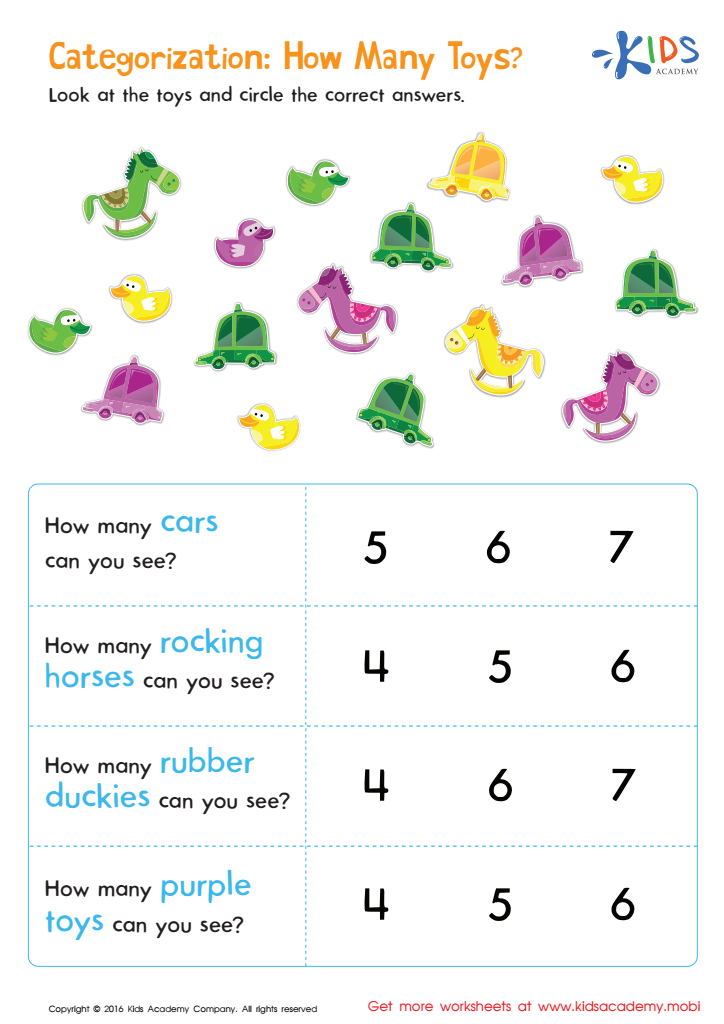
Classifying Toys by Type and Color Sorting Worksheet
Kids Academy offers free math worksheets to help practice counting, categorization & recognition skills. Kids will enjoy counting by color & type while strengthening problem-solving & literacy skills.
 Assign to My Students
Classifying Toys by Type and Color Sorting Worksheet
Worksheet
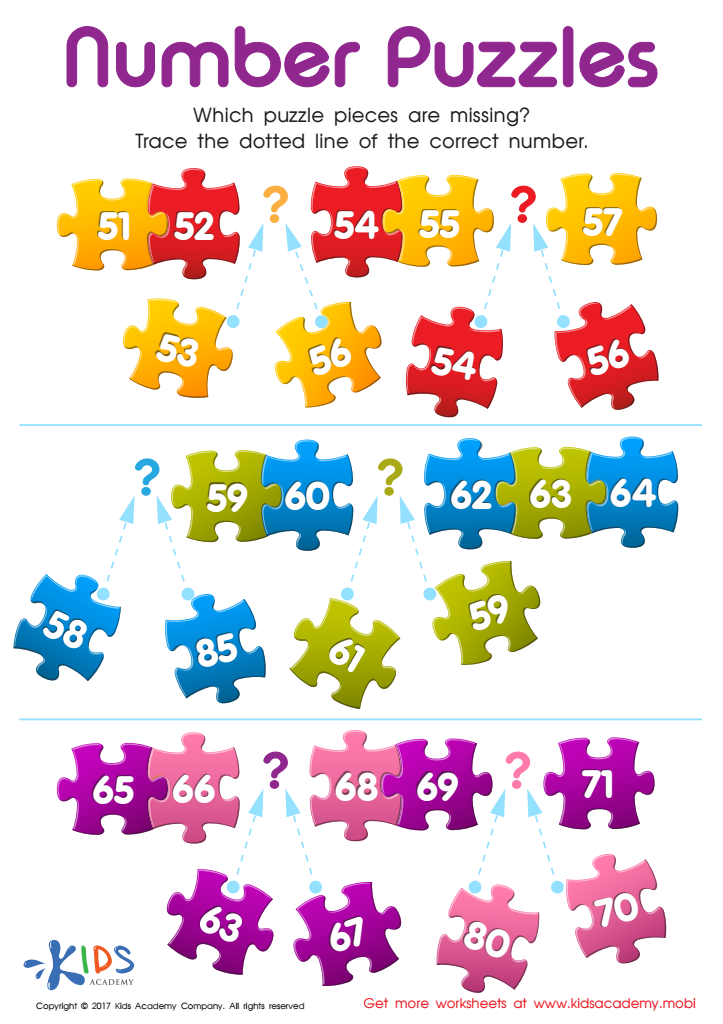
Number Puzzles Worksheet
In this tracing paper, your child must identify the missing numbers in the puzzle. Guide them as they trace the line for the correct number to complete the worksheet. This activity will help boost their problem-solving skills.
Number Puzzles Worksheet
Worksheet
Join Kids Academy for Free
Who is primarily going to use this learning content?








Basic math knowledge forms the cornerstone of cognitive development for children aged 5-8, making it vital for parents and teachers to prioritize its learning. At this age, youngsters are naturally curious and quick to grasp foundational concepts such as counting, addition, subtraction, shapes, and patterns. These concepts are not just academic milestones but essential life skills that foster critical thinking and problem-solving abilities. Understanding numbers and basic arithmetic helps children make sense of the world, like identifying time, managing simple finances, and recognizing patterns in daily life.
Moreover, early math success builds confidence in young learners. When children achieve proficiency in basic math, they develop a sense of accomplishment and a positive attitude toward more complex subjects. It smoothens the pathway for future educational endeavors in STEM (Science, Technology, Engineering, and Mathematics) fields, which are increasingly significant in a technologically advanced world.
Teachers and parents play a crucial role in nurturing this foundational skill. Engaging, hands-on activities like counting games, puzzles, and interactive stories not only aid comprehension but also make learning enjoyable. Additionally, reinforcing math knowledge at home and in school creates a cohesive learning environment, ensuring that children receive consistent support.
By committing to solidifying basic math skills during these formative years, we equip children with the tools they need for long-term academic and personal success.








