Comparative analysis Worksheets for Ages 5-8
10 filtered results
-
From - To
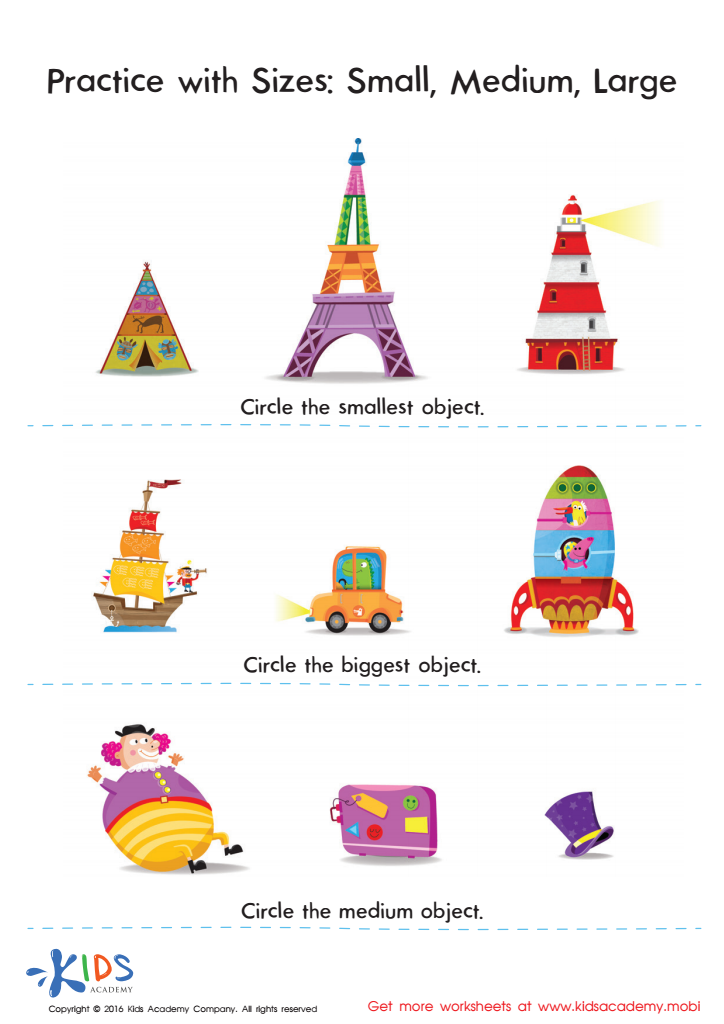
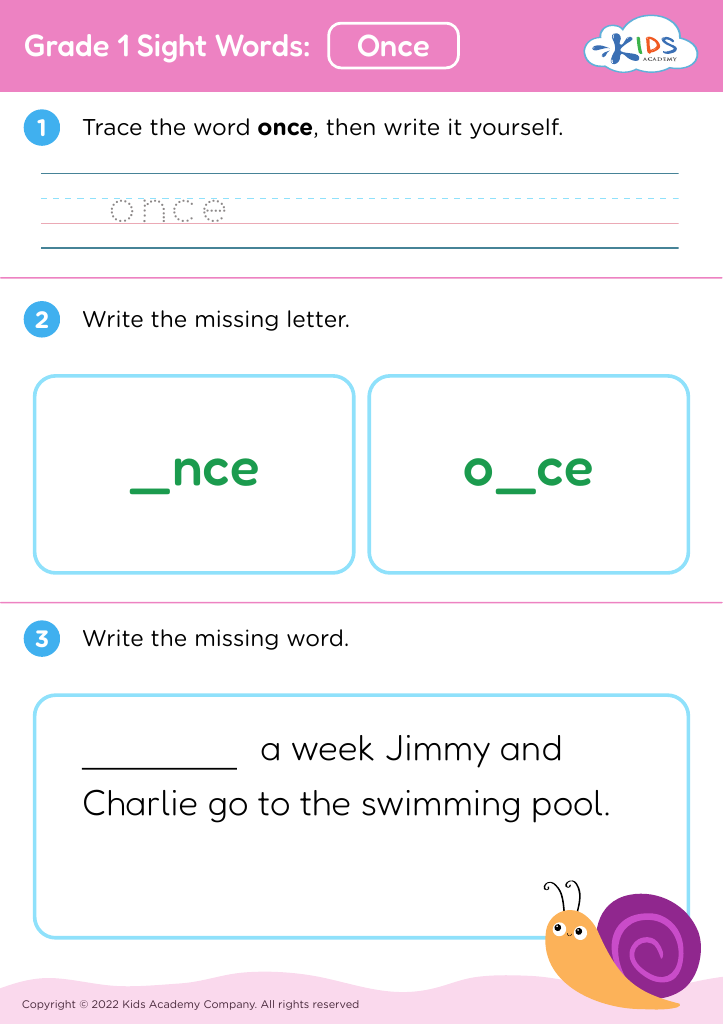
Unlock the power of learning with our Comparative Analysis Worksheets for Ages 5-8! Designed to foster critical thinking and analytical skills, these engaging worksheets help young learners compare and contrast various elements, enhancing their understanding of concepts. With colorful illustrations and age-appropriate content, children will enjoy exploring similarities and differences in a fun way. Ideal for home or classroom use, our worksheets support cognitive development while reinforcing literacy and vocabulary skills. Encourage curiosity and analytical thinking in your child—download our Comparative Analysis Worksheets today and watch them thrive as they explore the world around them!
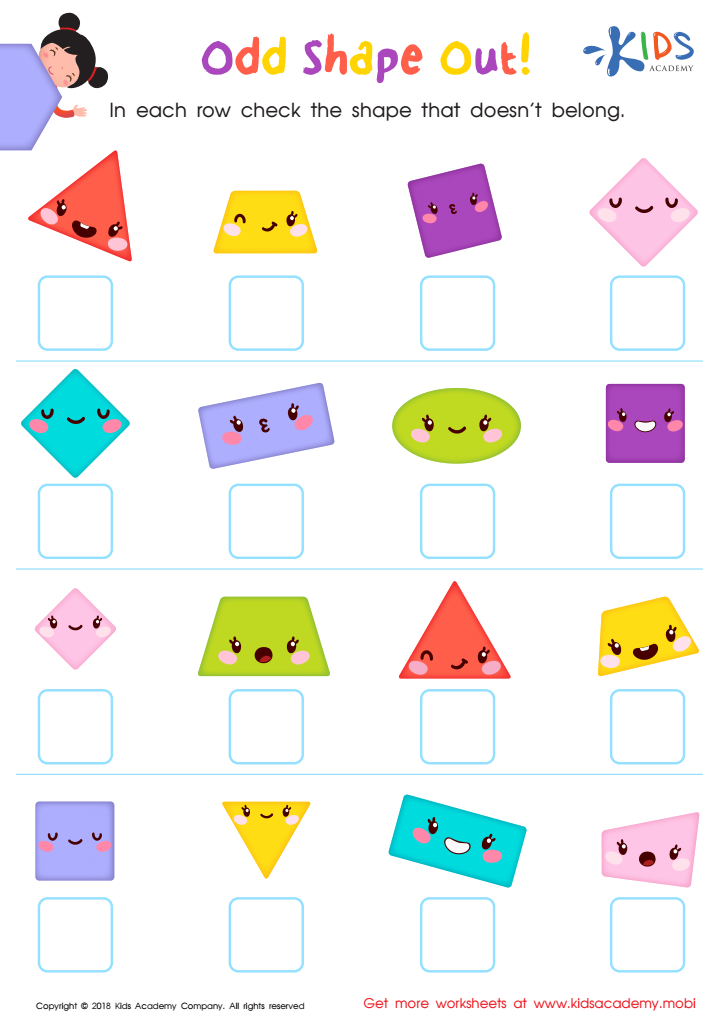
Odd Shape Out Worksheet for Grade 3
 Assign to My Students
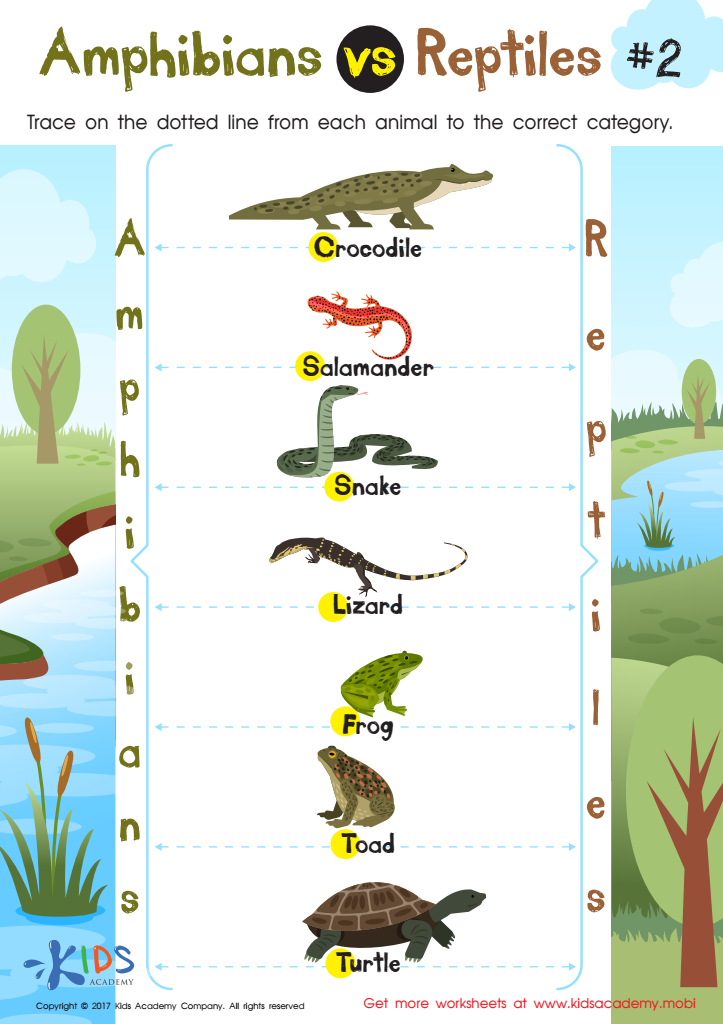
Amphibians vs Reptiles Worksheet for 3rd Grade
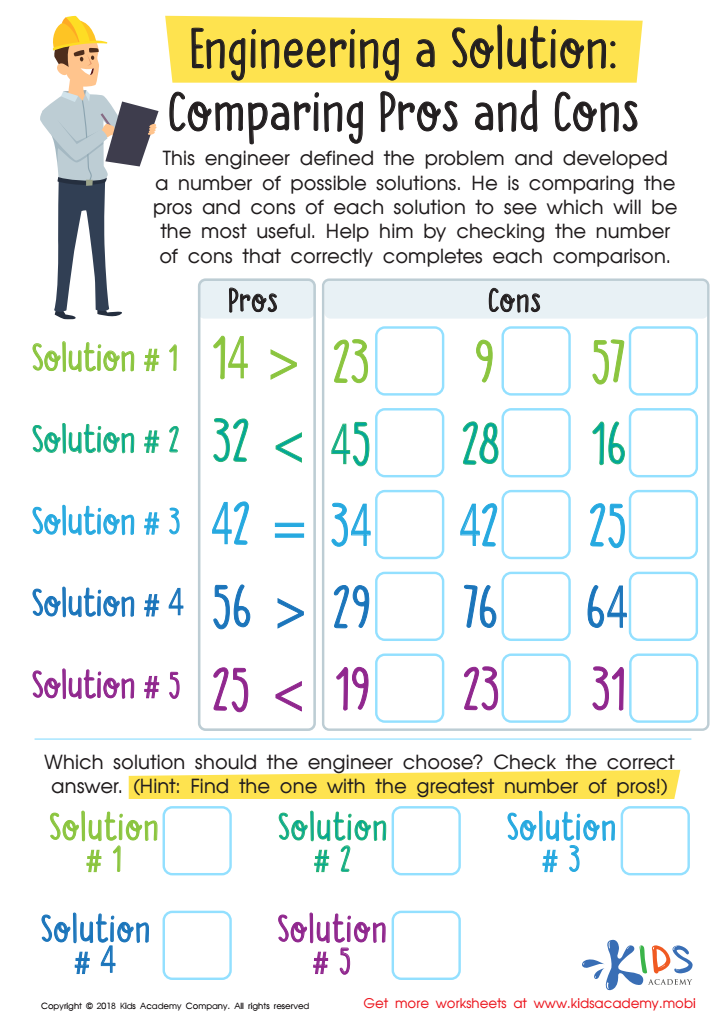
Engineering a Solution: Comparing Pros and Cons Worksheet
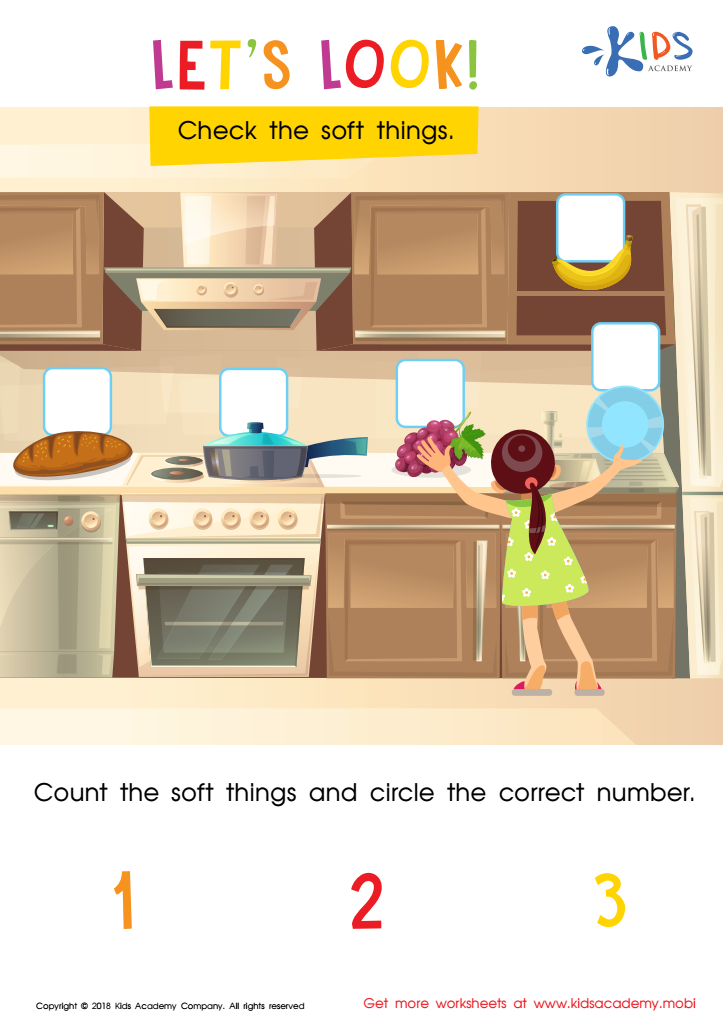
Let's Look! Assessment Worksheet
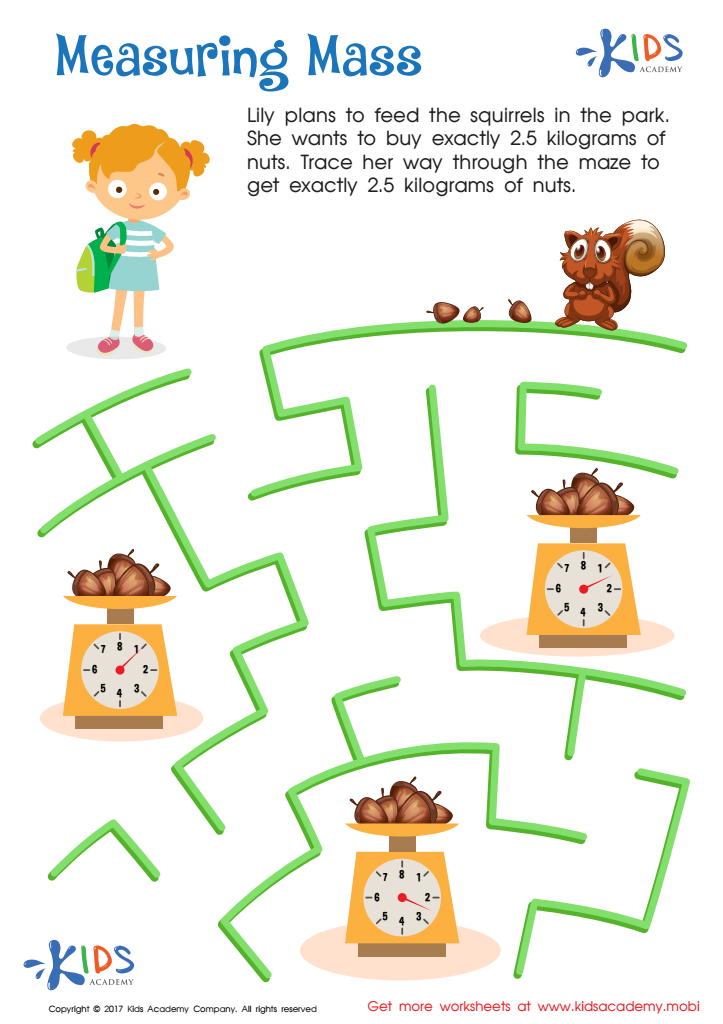
Measuring Mass Worksheet
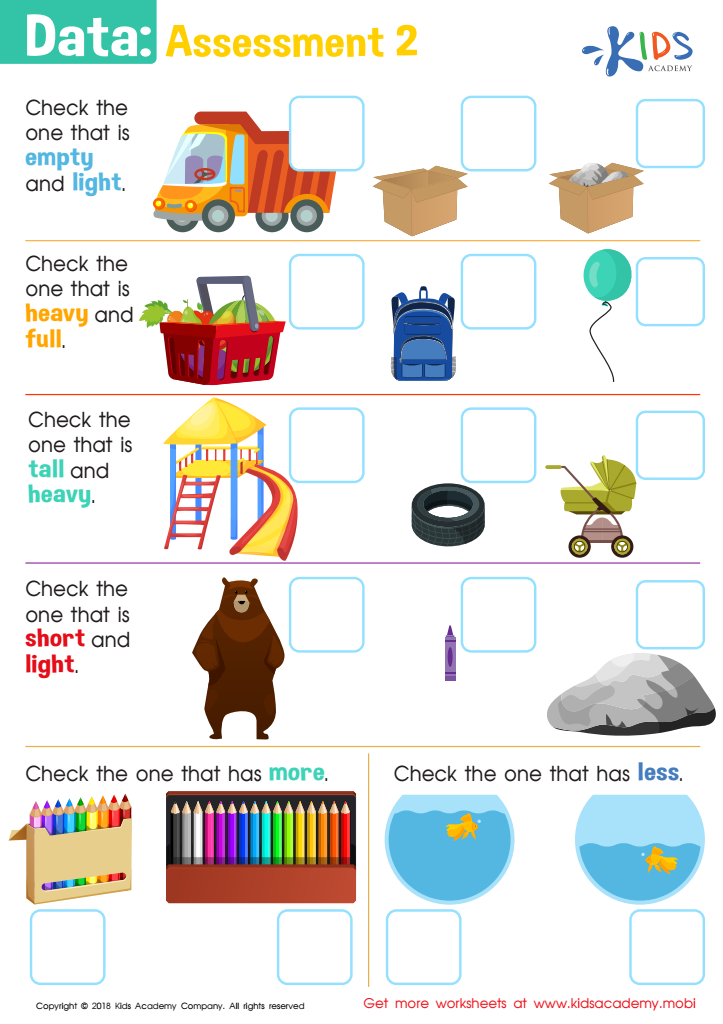
Data: Assessment 2 Worksheet
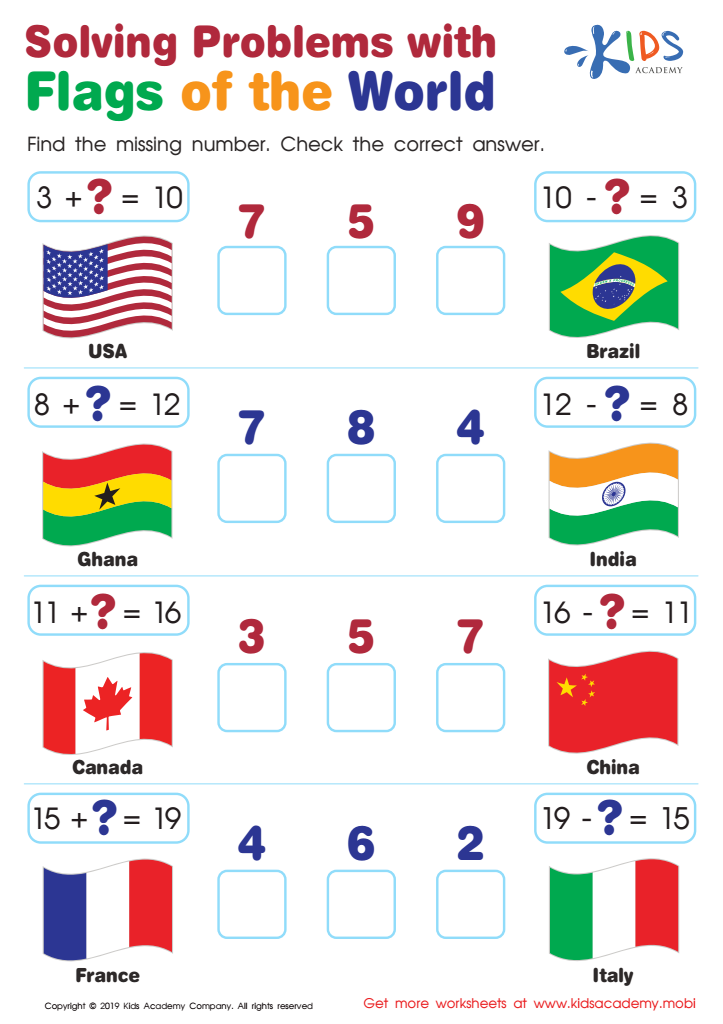
Solving Problems with Flags of the World Worksheet
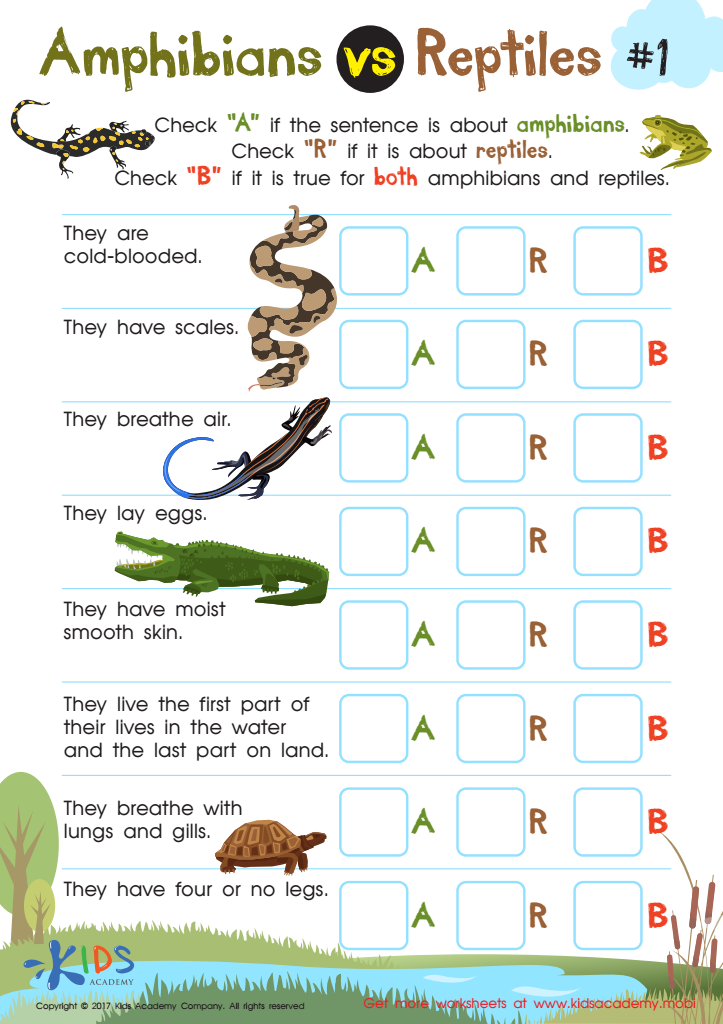
Amphibians vs Reptiles Worksheet


.jpg)





Comparative analysis for children aged 5-8 is crucial for both parents and teachers as it provides insights into developmental milestones, learning styles, and educational outcomes. At this formative stage, children exhibit varying abilities in areas such as language, math, and social skills. By engaging in comparative analysis, educators and caregivers can identify individual strengths and weaknesses, tailoring their approaches to meet each child's needs more effectively.
Moreover, this analysis enables the detection of trends and patterns in children's learning. Understanding how different instructional strategies impact various groups can help educators refine their teaching methods. For parents, these insights help them support their child’s learning path at home, fostering a collaborative environment between school and family.
Additionally, comparative analysis aids in cultivating an appreciation for diversity. Children from different backgrounds may exhibit unique learning preferences. Recognizing and valuing these differences encourages inclusivity and empathy among peers.
Ultimately, understanding comparative analysis empowers parents and teachers to advocate for and provide enhanced educational experiences that can bolster confidence, foster a love of learning, and improve academic proficiency in young children. By caring about these assessments, adults play a pivotal role in shaping a well-rounded and equitable educational landscape.








