Counting money Worksheets for Ages 5-8
3 filtered results
-
From - To
Explore our engaging Counting Money Worksheets designed for children ages 5-8! These interactive worksheets help young learners develop essential money management skills through fun activities and colorful illustrations. Children will practice identifying coins and bills, counting, and making simple calculations, all while enhancing their confidence with financial concepts. Each worksheet is tailored to different skill levels, ensuring that kids can progress at their own pace. Perfect for home or classroom use, our counting money worksheets foster an enjoyable learning experience while laying a solid foundation for future money-related skills. Start your child’s financial literacy journey today!
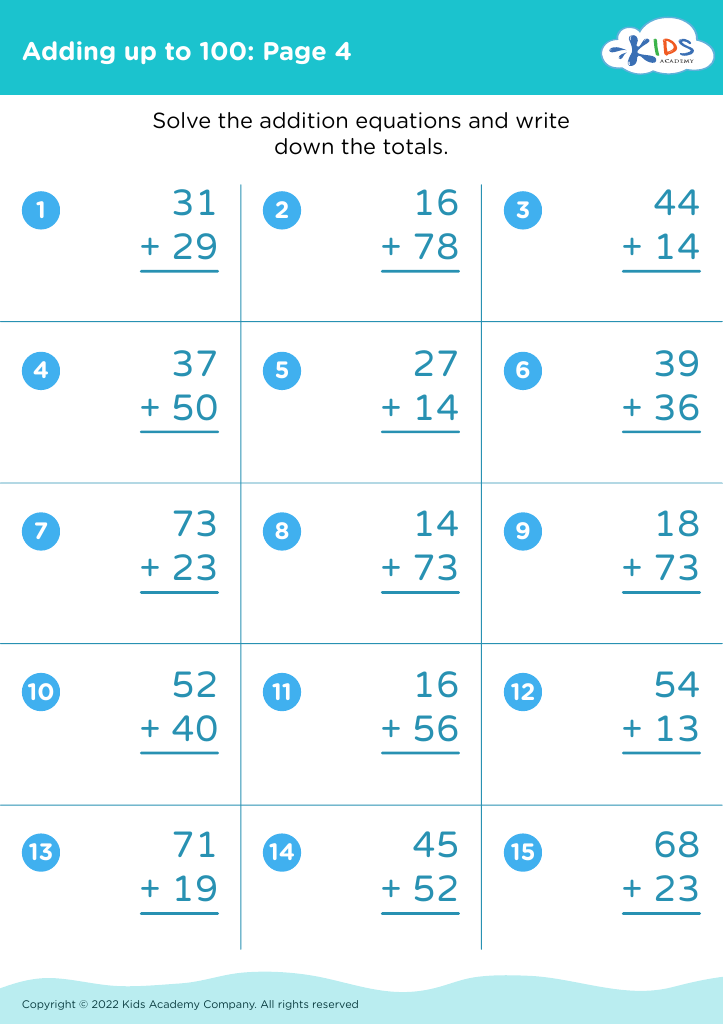
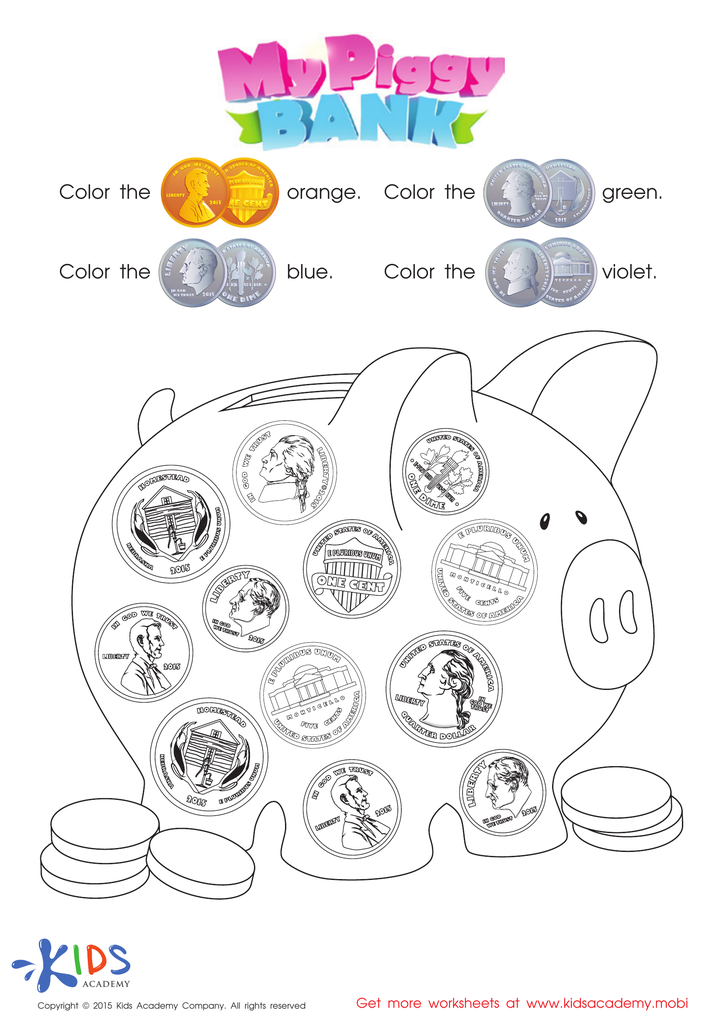
Recognizing Money Money Worksheet
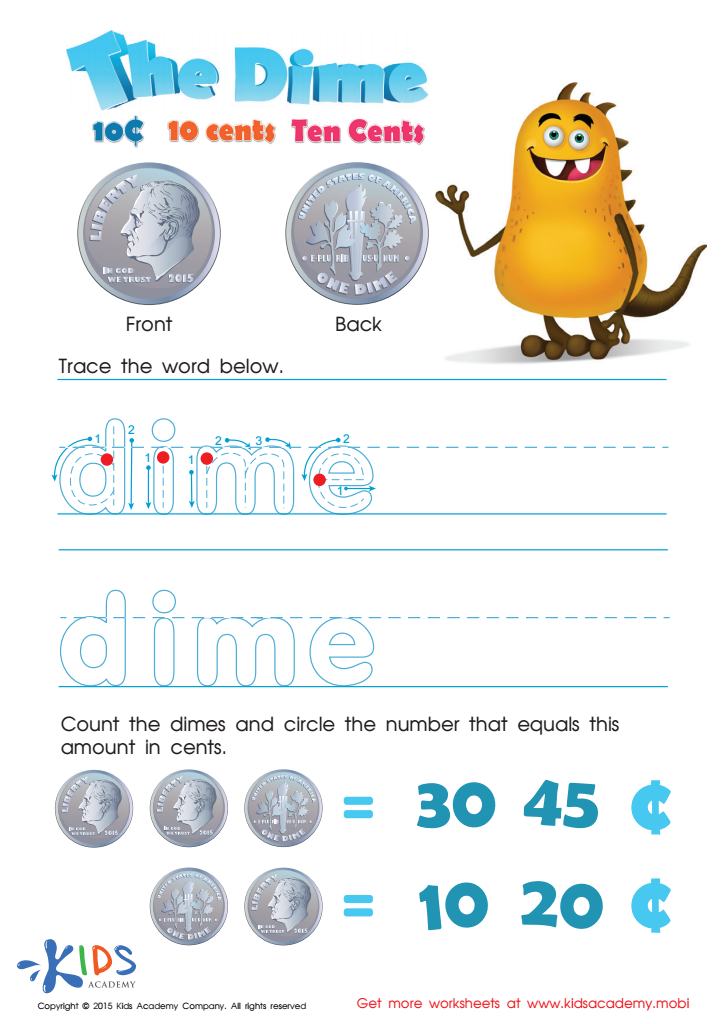
Ten Cents or the Dime Money Worksheet
 Assign to My Students








Counting money is a fundamental skill that lays the foundation for financial literacy, and it is crucial for parents and teachers to prioritize this learning in children ages 5-8. At this stage, children are naturally curious about the world around them, and learning to count money helps them develop foundational math skills. It enhances their understanding of addition, subtraction, and the concept of values, empowering them to make informed decisions as they grow.
Introducing money counting can also foster essential life skills such as responsibility, budgeting, and making choices. When children learn how to handle money, they become better equipped to understand the implications of spending and saving, thereby instilling a sense of financial independence.
Additionally, practical experiences—like playing store or grocery shopping—make learning engaging and relatable. These hands-on activities encourage teamwork and problem-solving while creating bonds between parents and children or among classmates in a classroom setting.
Ultimately, understanding money is essential in today’s world. Children equipped with these skills are more likely to carry positive financial habits into adulthood, ensuring they grow into responsible and informed citizens. By prioritizing money counting, parents and teachers can pave the way for a brighter financial future for their children.








