Cultural awareness Worksheets for Ages 5-8 - Page 2
29 filtered results
-
From - To
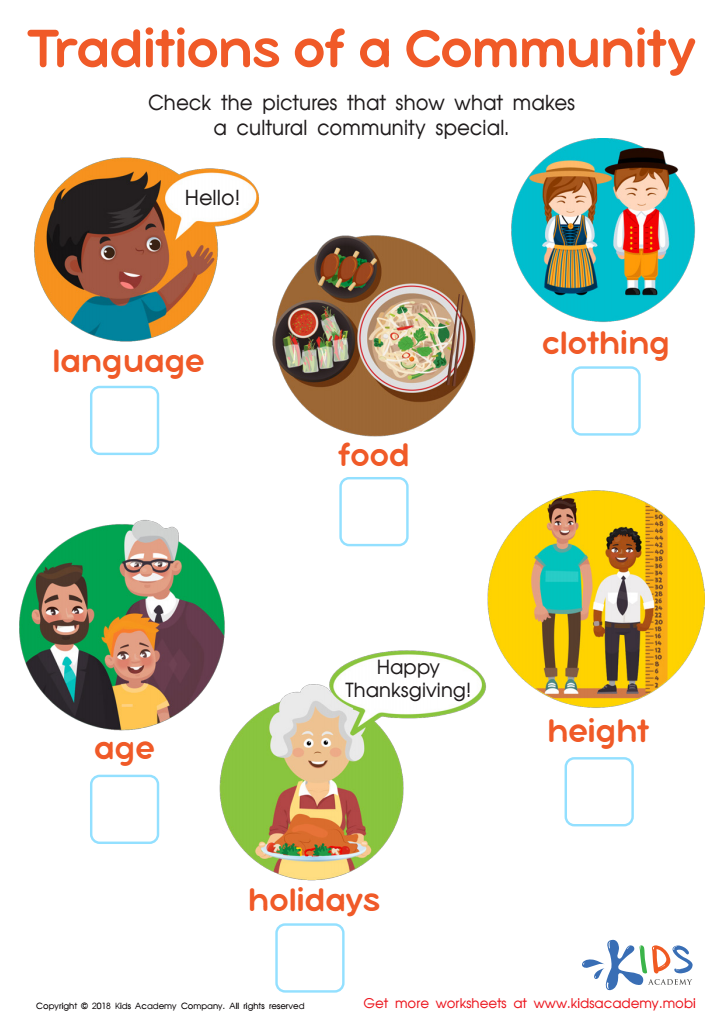
Traditions of a Community Worksheet
 Assign to My Students
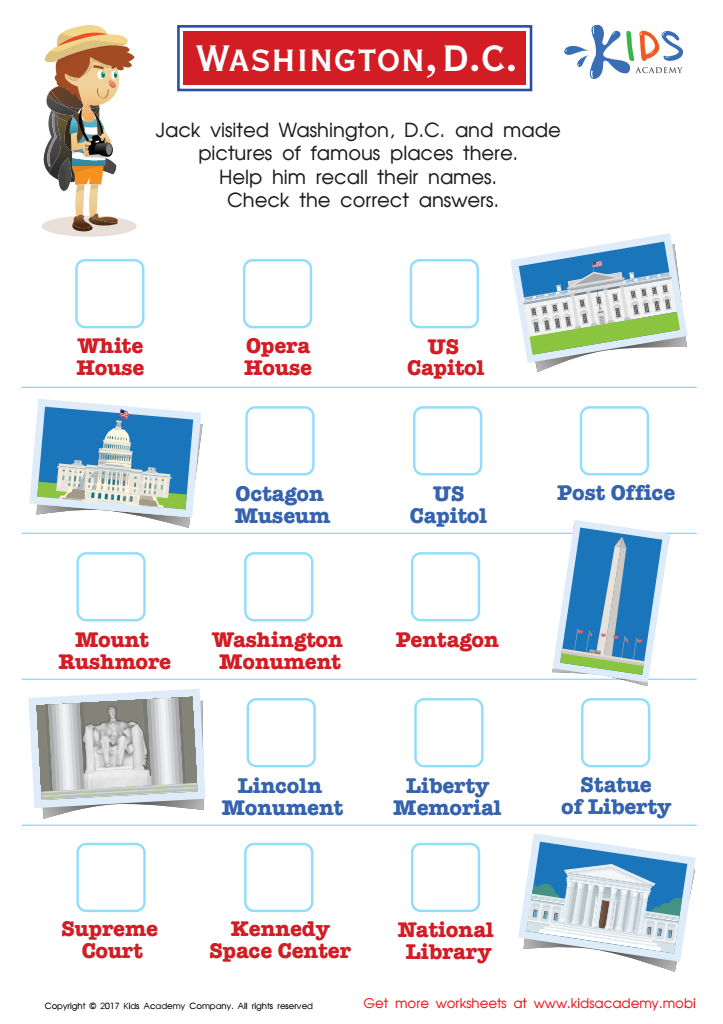
Washington D.C. Printable Worksheet
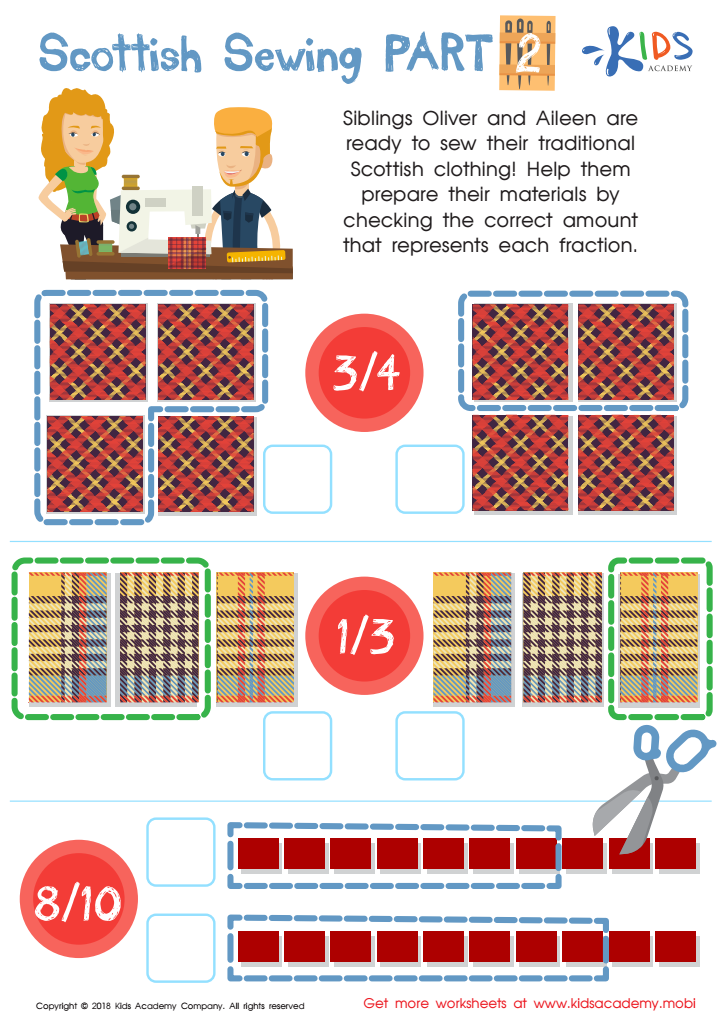
Scottish Sewing Part 2 Worksheet
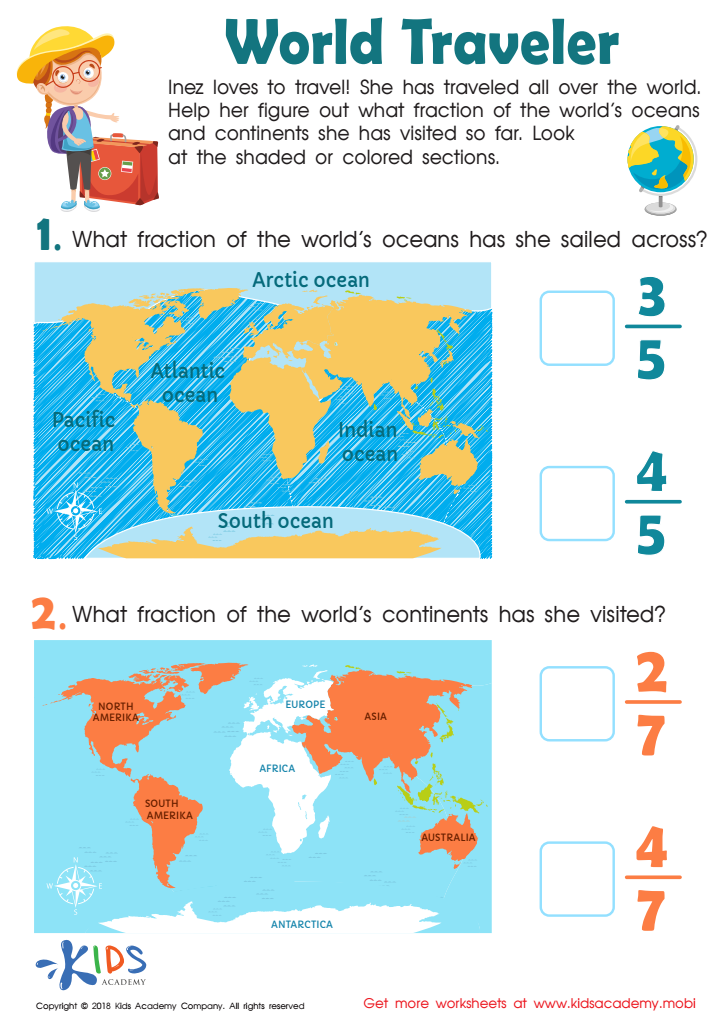
World Traveler Worksheet






Cultural awareness is indispensable in children ages 5-8 because it sets the foundation for empathy, respect, and open-mindedness as they grow. At this developmental stage, children's minds are highly impressionable and they begin forming attitudes and beliefs that can last a lifetime. Introducing them to diverse cultures helps prevent the formation of biases and stereotypes by fostering an appreciation for differences from an early age.
For teachers and parents, cultivating cultural awareness equips children with the social skills necessary for effective communication and collaboration in an increasingly globalized world. Understanding and respecting cultural differences prepare children to interact positively with peers from various backgrounds, enhancing their social and emotional development.
Moreover, cultural awareness can enrich children’s educational experiences. Exposure to different traditions, languages, and perspectives enhances cognitive skills like critical thinking and creativity. Activities such as storytelling from different cultures, music, art projects, or food tasting encourage curiosity and a love for learning.
Parents and teachers who prioritize cultural awareness build inclusive environments where all children feel valued. This inclusivity is crucial for fostering self-esteem and identity in children from diverse cultural backgrounds. By starting cultural education early, we lay the groundwork for a more harmonious, tolerant, and understanding society.








