Develop sequencing skills Worksheets for Ages 5-8
3 filtered results
-
From - To
Enhance your child's learning experience with our Sequencing Skills Worksheets for ages 5-8! Designed to foster critical thinking and organizational skills, these engaging activities help young learners understand the order of events, improve comprehension, and boost their problem-solving abilities. With colorful visuals and fun scenarios, our worksheets make sequencing a delightful adventure! From simple picture sequences to more complex story lines, each worksheet promotes cognitive development and reinforces essential skills needed for reading and language arts. Ideal for home or classroom use, our resources support early education while keeping children motivated and excited to learn. Explore our worksheets and watch your child thrive!
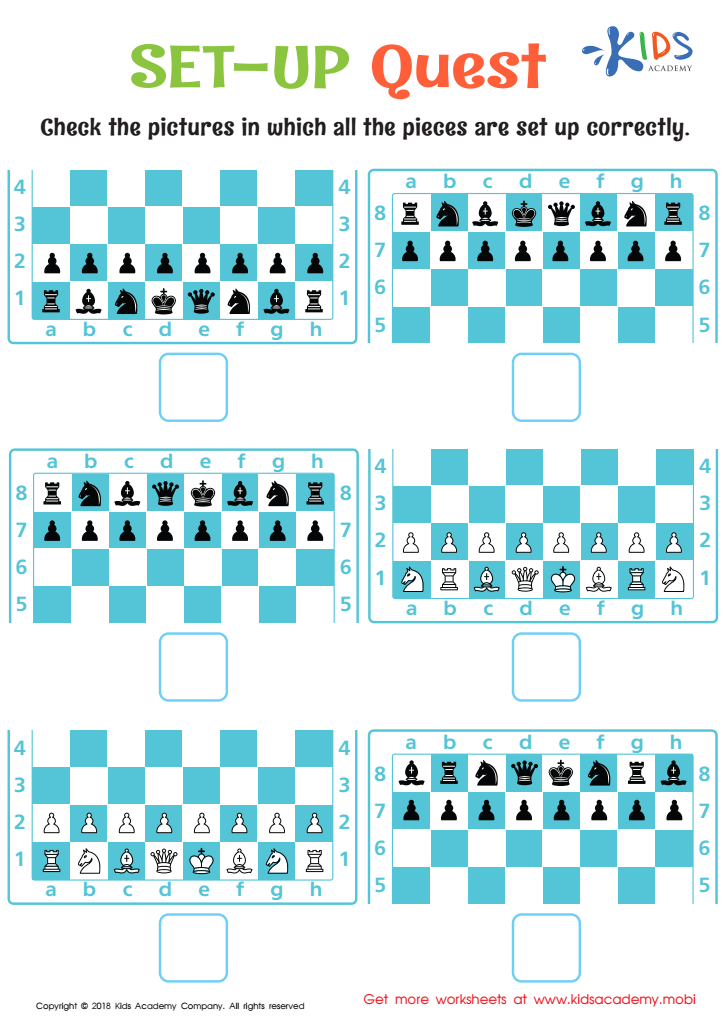
Set-up Quest Worksheet
 Assign to My Students
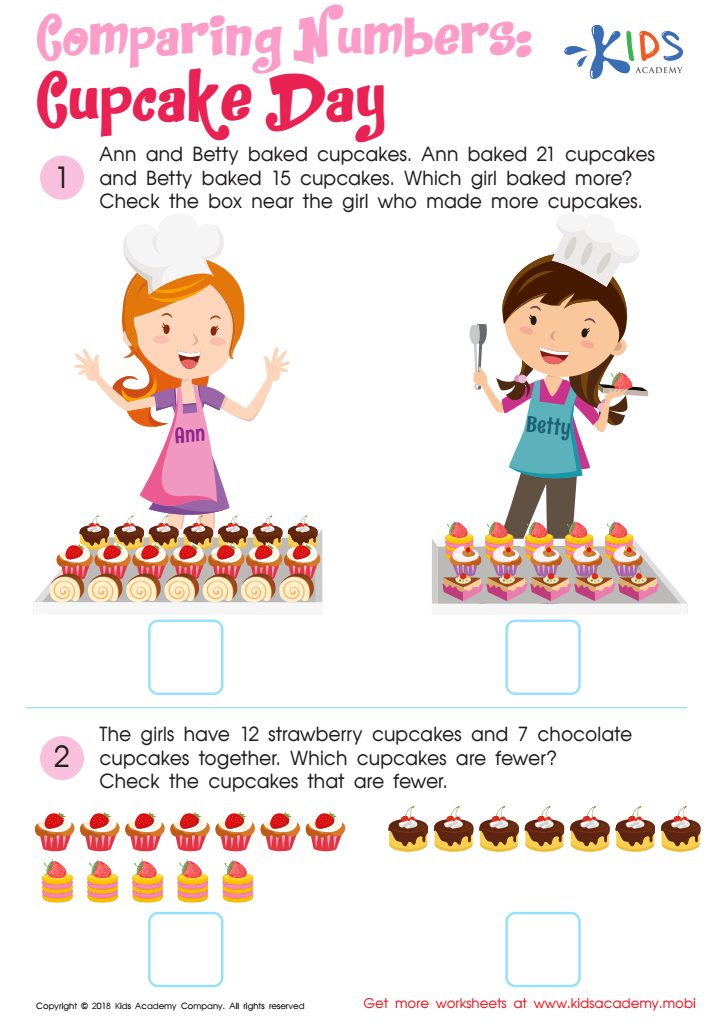
Cupcake Day Worksheet
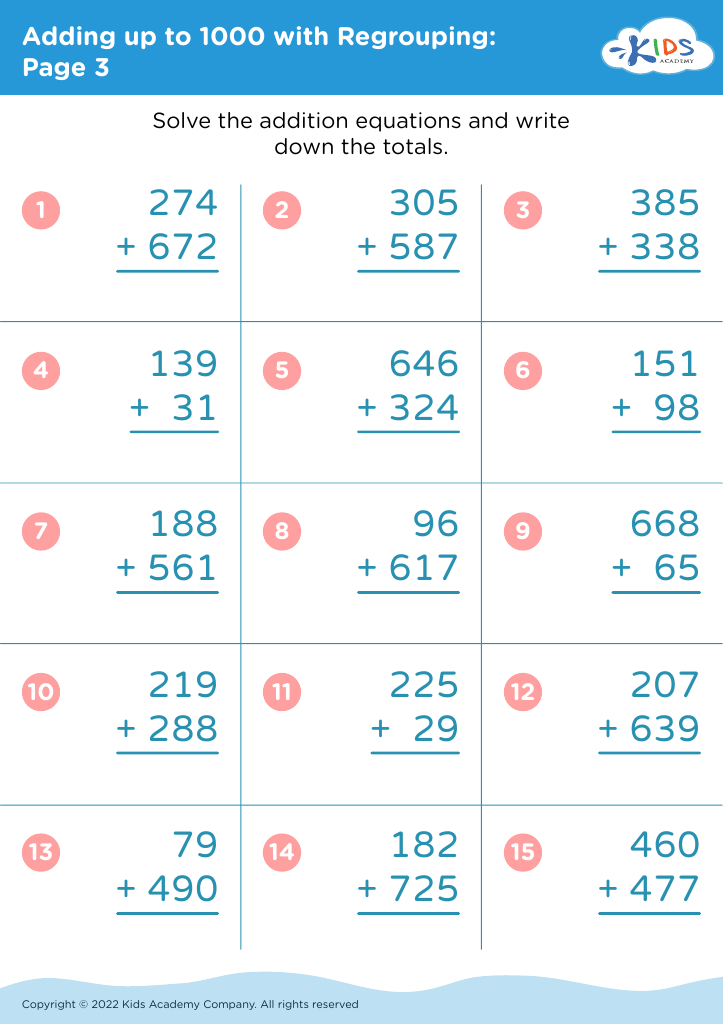







Developing sequencing skills in children aged 5-8 is crucial for their overall learning and cognitive development. These skills involve the ability to understand and arrange events or ideas in a logical order, laying the foundation for critical thinking and problem-solving abilities. For parents and teachers, fostering sequencing skills can enhance literacy, as children learn to comprehend stories, improve their narrative abilities, and grasp cause-and-effect relationships.
Additionally, sequencing is integral to math and scientific understanding. Children who can sequence numbers, for example, build a grasp of patterns and organizational logic essential for higher-level mathematics. Moreover, these skills enable children to follow instructions effectively, which is vital in daily tasks and classroom activities.
Emphasizing sequencing also helps enhance memory and attention skills, encouraging children to focus and engage with learning materials. Ultimately, when parents and teachers prioritize sequencing, they empower children to develop a stronger sense of time and order, which is essential for navigating an increasingly complex world. By integrating sequencing activities into early education, adults can significantly influence the cognitive growth of the children in their care, promoting lifelong learning habits.








