
Developing analytical thinking Worksheets for Ages 5-8
6 filtered results
Difficulty Level
Grade
Age
-
From - To
Subject
Activity
Standards
Unlock the power of analytical thinking for ages 5-8 with our engaging worksheets! Designed to stimulate young minds, these activities promote critical thinking, problem-solving, and reasoning skills. Each worksheet features fun and interactive exercises that encourage children to explore patterns, compare and contrast, and make connections. Ideal for classrooms or at-home learning, our resources help kids develop essential skills that lay the foundation for future academic success. With captivating visuals and age-appropriate challenges, your little learners will enjoy honing their analytical abilities while having fun. Download our worksheets today and watch their confidence and thinking skills soar!
Favorites
With answer key
Interactive
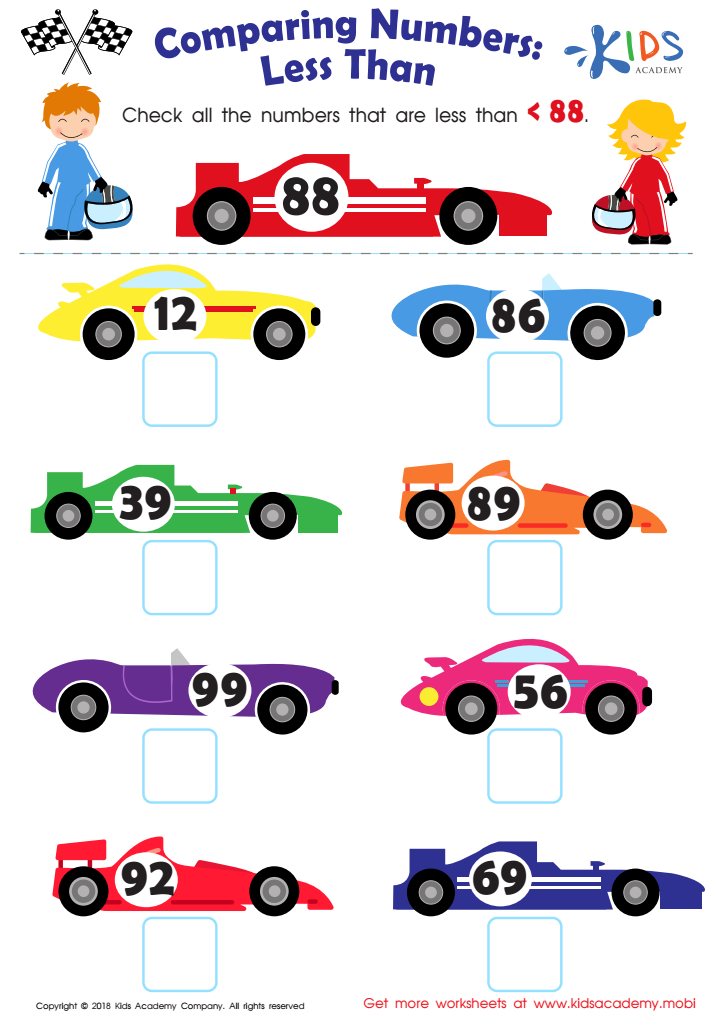
Less Than Worksheet
Compare numbers with your child using this fun worksheet! Paintings of sports cars add visuals to the task of counting up to 88. Make learning enjoyable with this colorful activity - your child will stay engaged and eager to learn more.
 Assign to My Students
Less Than Worksheet
Worksheet
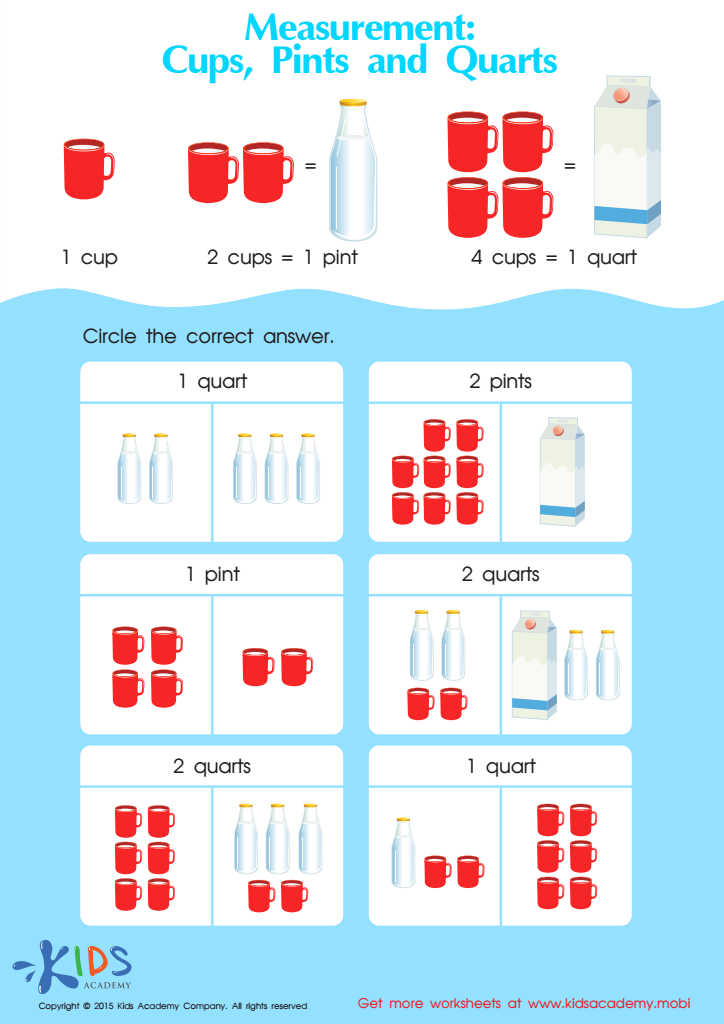
Cups, Pints and Quarts Worksheet
Let your kids explore the world of math with our worksheet! Have them count cups, pints and quarts in pictures and circle the right answer. Get even more free printable math worksheets for kindergarten on our website. Come on, join the adventure!
Cups, Pints and Quarts Worksheet
Worksheet
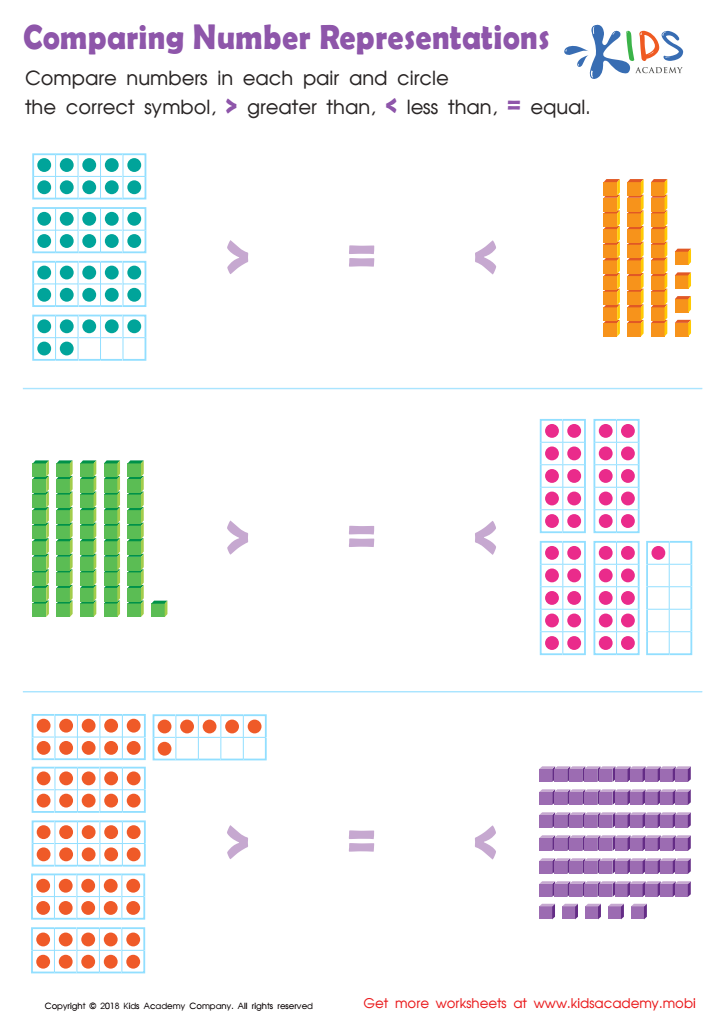
Comparing Number Representations Worksheet
Children need number representation skills to develop efficient computation and number sense. This free worksheet gives them practice with ten frames and place value blocks. They compare numbers and select the right comparative symbol: <, > or =. This helps them build a solid foundation for math.
Comparing Number Representations Worksheet
Worksheet
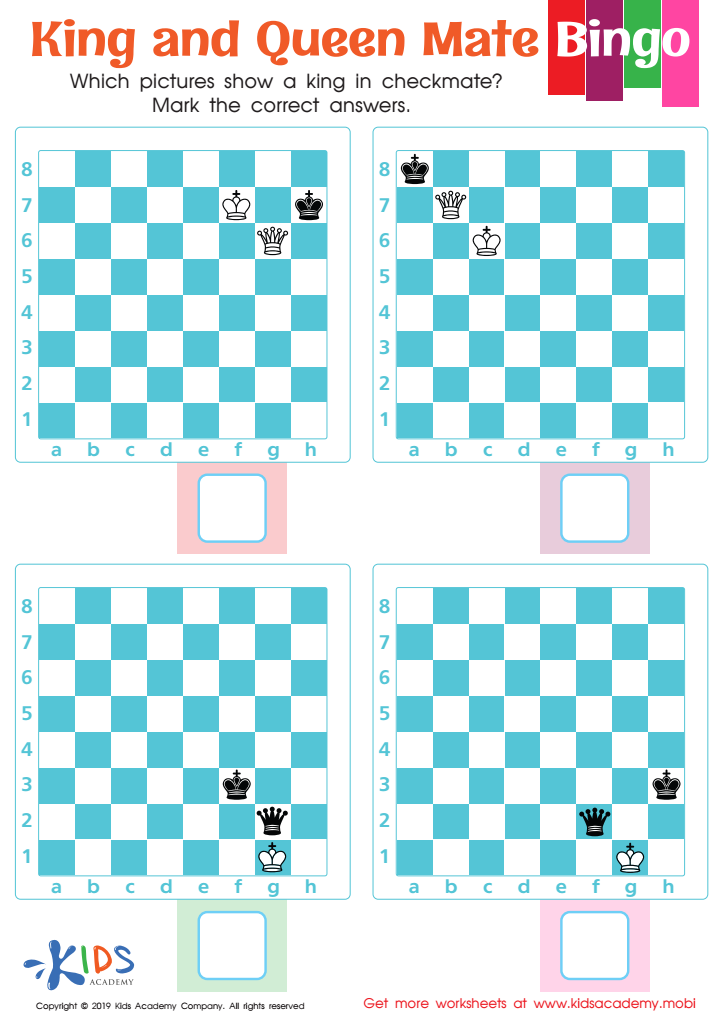
King and Queen Mate: Bingo Worksheet
Let your child strengthen their strategy skills with this free King and Queen Mate Bingo worksheet. They must decide which board uses the King and Queen effectively for checkmate and victory. Check the correct board off in the box, and enjoy sharpening your little one's skills!
King and Queen Mate: Bingo Worksheet
Worksheet
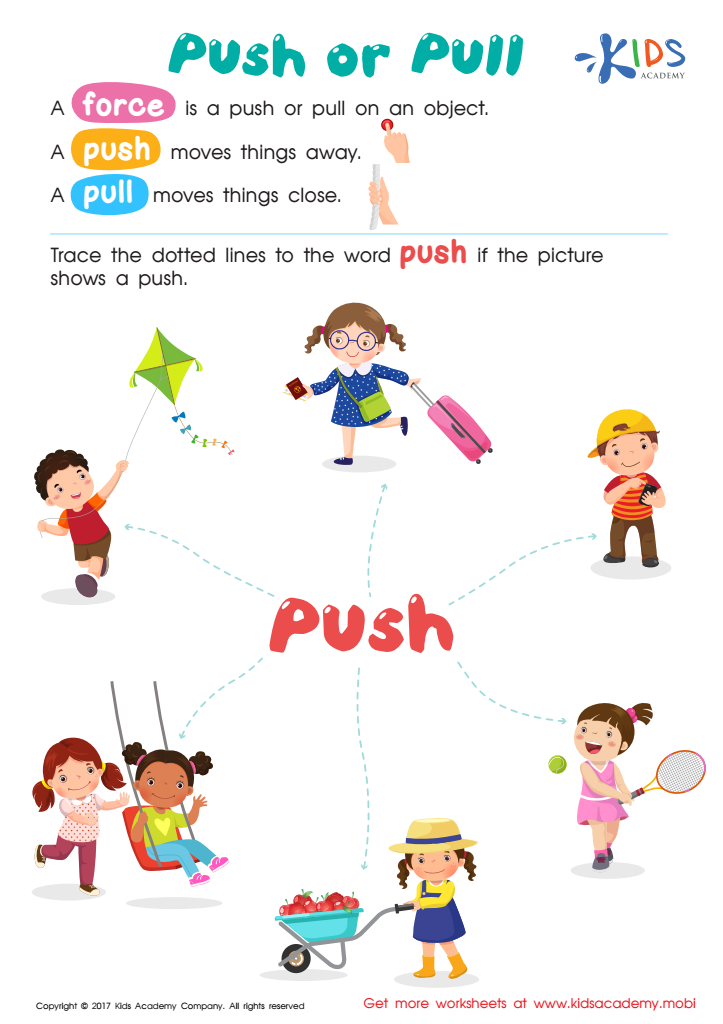
Push or Pull Worksheet
and which involve pulling! With this fun worksheet, your child will learn about force and its simple application in everyday activities. Get them started with Push or Pull! (80 words)
Push or Pull Worksheet
Worksheet
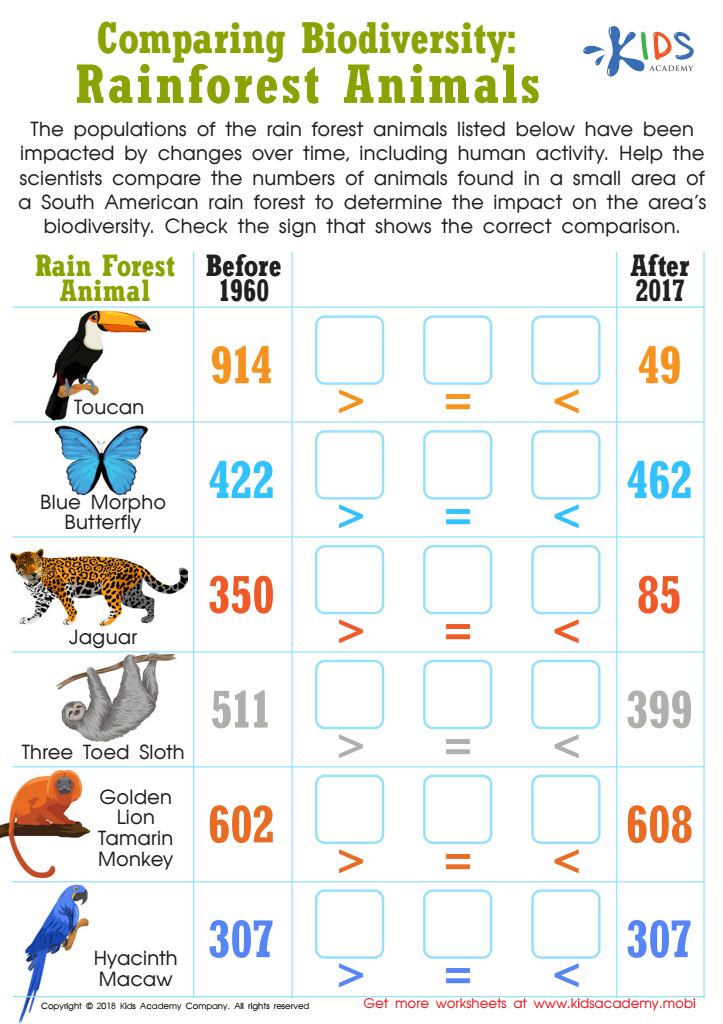
Comparing Biodiversity: Rainforest Animals Worksheet
This dynamic PDF worksheet combines fun and education. Kids will explore rainforest animals and biodiversity, comparing numbers from 1960 to 2017. They'll strengthen number sense and reasoning skills while learning about area biodiversity and its effects. A perfect mix of math and social science!
Comparing Biodiversity: Rainforest Animals Worksheet
Worksheet
Join Kids Academy for Free
Who is primarily going to use this learning content?



.jpg)




Developing analytical thinking in children aged 5-8 is crucial for their cognitive and social growth. This stage of early childhood is when children begin to explore and make sense of the world around them. By nurturing analytical thinking skills, parents and teachers can encourage children to ask questions, recognize patterns, and make connections between concepts.
Analytical thinking helps children evaluate information critically, enhancing their problem-solving abilities and creativity. This skill promotes independent thinking, allowing them to express opinions, weigh evidence, and draw conclusions based on logical reasoning. Additionally, analytical thinking supports emotional development, as children learn to understand different perspectives and manage conflicts effectively.
Moreover, fostering these skills early sets the foundation for future academic success. As school becomes more complex, students talented in analysis can navigate challenges in subjects like math and science more skillfully. Parents and teachers play a key role in this development by providing engaging activities, encouraging inquiry, and guiding discussions that stimulate curiosity.
Ultimately, investing in analytical thinking prepares children not only for academic achievement but also for meaningful participation in society. It empowers them to think critically about the world and equips them for the challenges of the future.








