Develops fine motor skills Worksheets for Ages 5-8
6 filtered results
-
From - To
Our "Develops Fine Motor Skills Worksheets for Ages 5-8" are designed to enhance your child's hand-eye coordination, dexterity, and muscle control through engaging and fun activities. Focused on developing crucial fine motor skills, these worksheets include tasks like tracing, cutting, drawing, and more. Each activity is carefully crafted to align with children’s developmental stages, ensuring they build confidence and proficiency. Ideal for both classroom settings and at-home practice, our resources support early education by promoting fine motor development that is essential for everyday tasks and academic success. Unlock your child's potential with our comprehensive, expertly designed worksheets today.
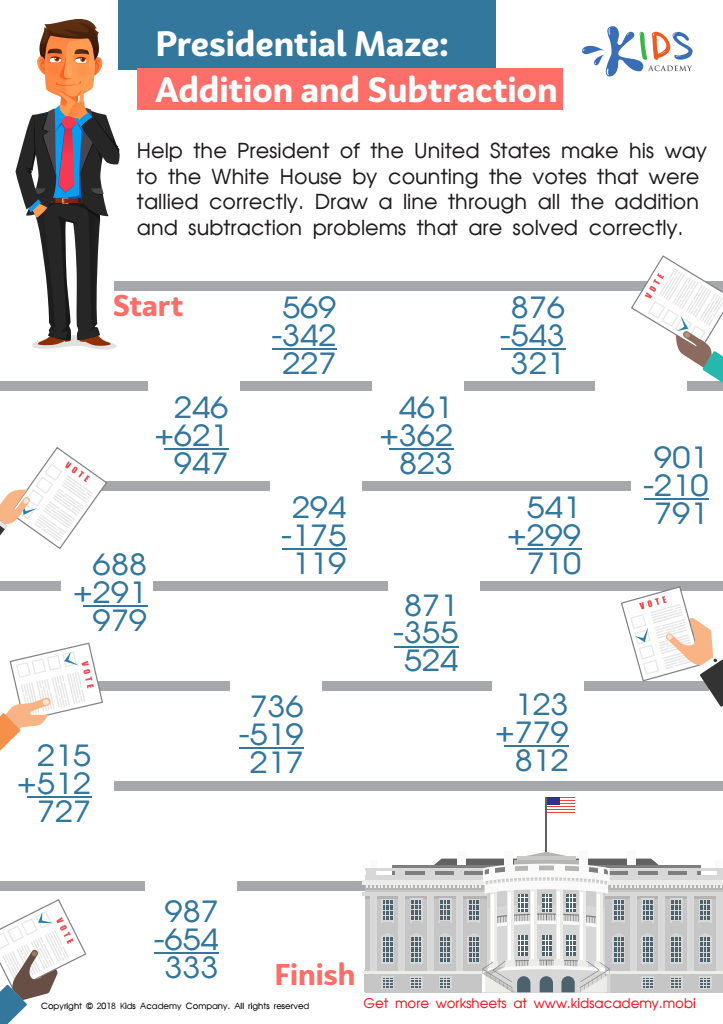
Presidential Maze: Addition and Subtraction Worksheet
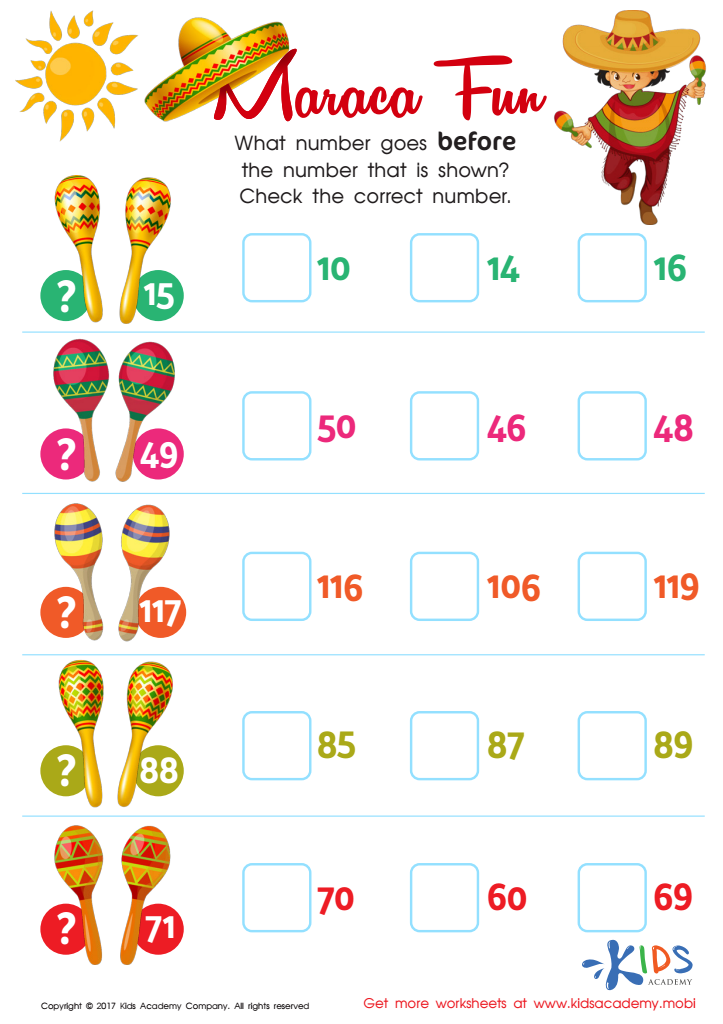
Counting: Maraca Fun Worksheet
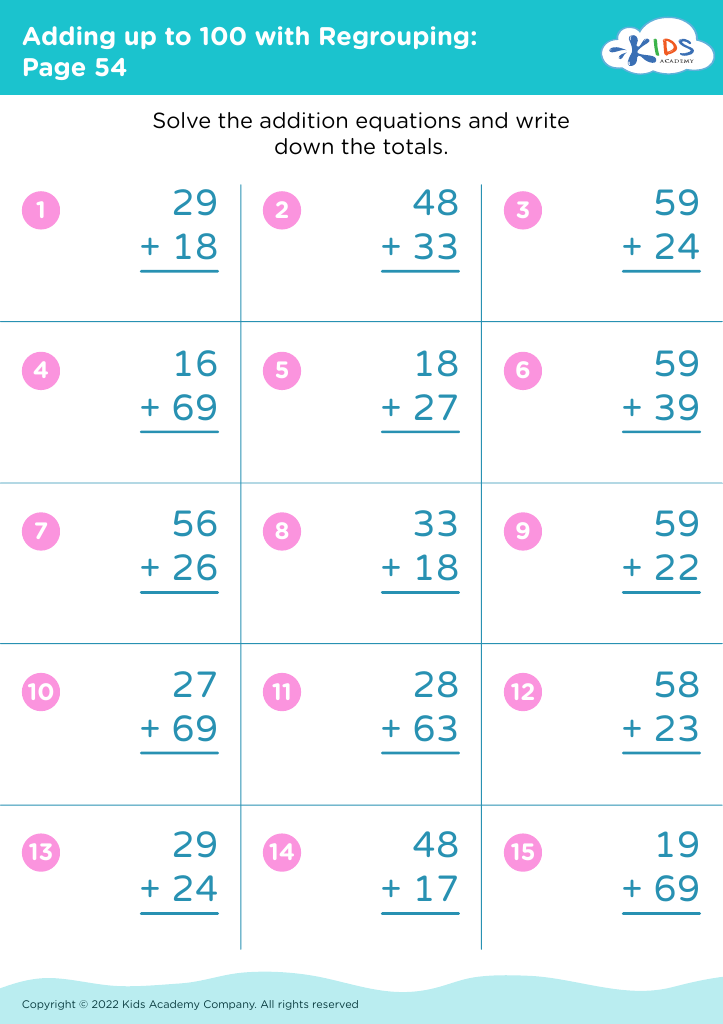
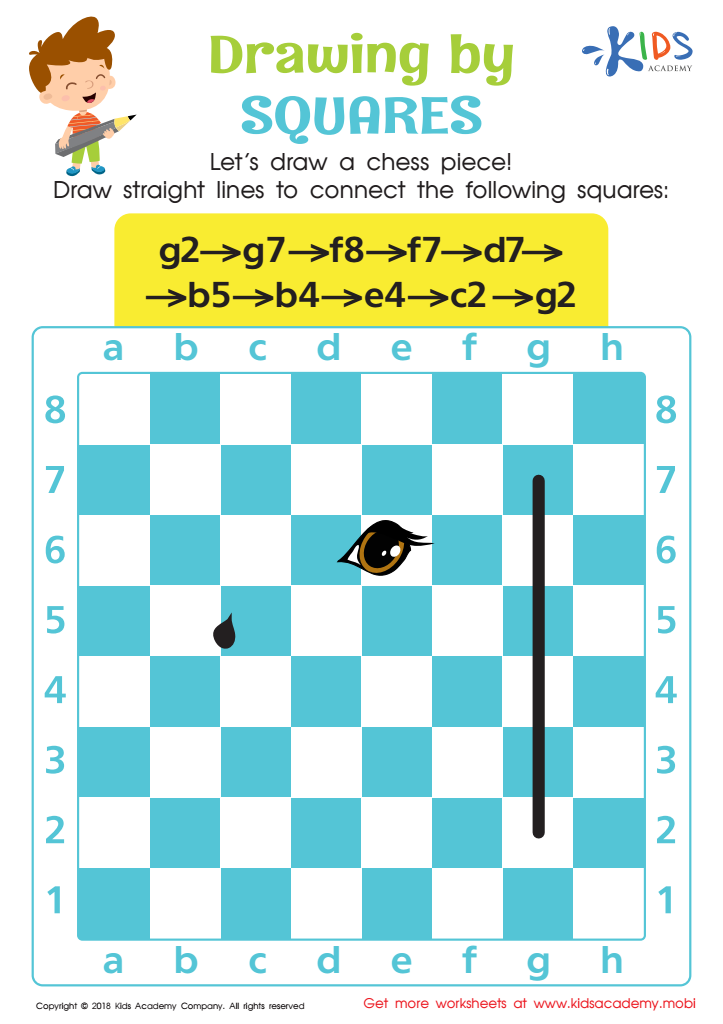
Drawing by Squares Worksheet
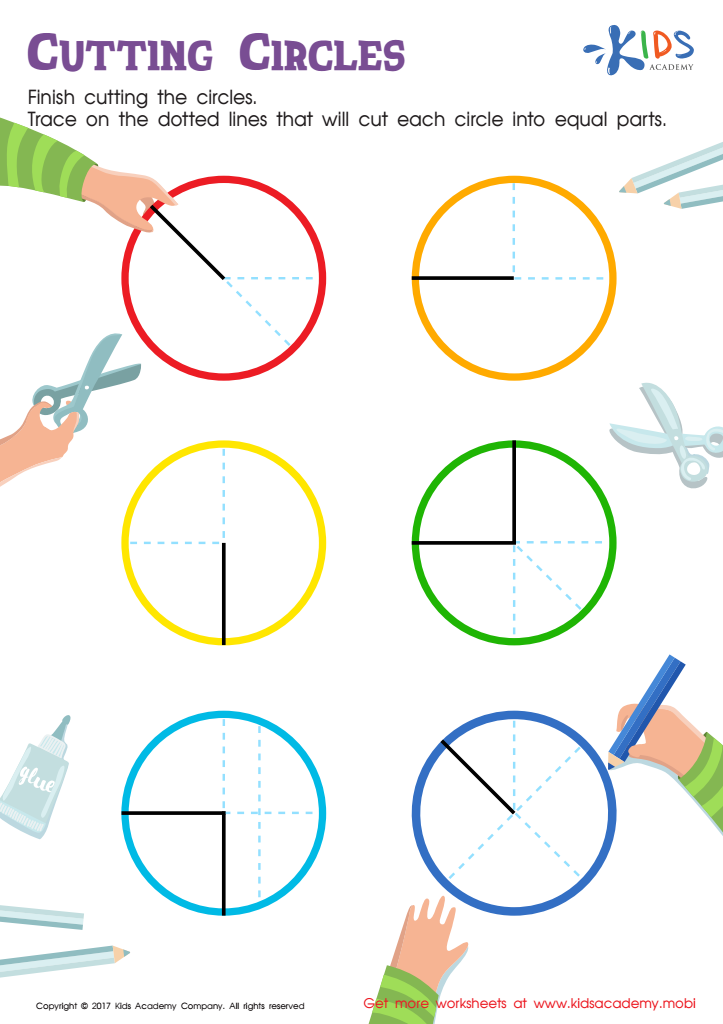
Cutting Circles Worksheet
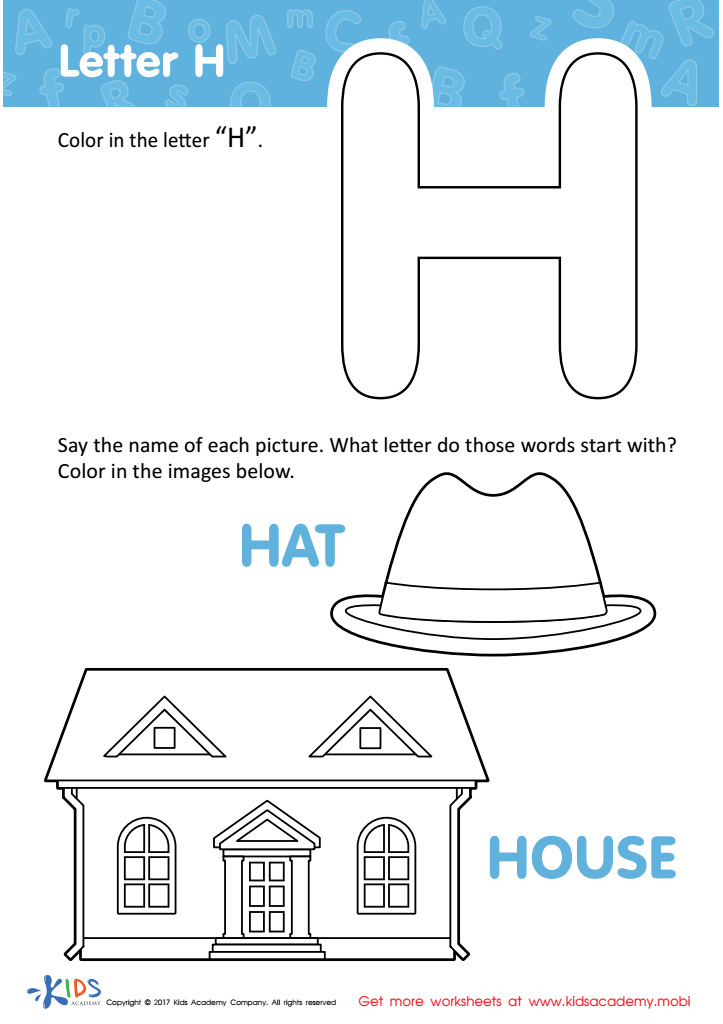
Letter H Coloring Sheet
 Assign to My Students







Developing fine motor skills in children ages 5-8 is crucial for their overall growth and learning. Fine motor skills involve the coordination of small muscles in the hands and fingers, essential for tasks like writing, buttoning shirts, and using utensils. When children enhance these skills, it directly improves their ability to perform daily activities independently, boosting their self-confidence and self-reliance.
In the classroom, strong fine motor skills influence a child's academic success. For instance, the precision required for writing and drawing helps in learning letters and numbers, which are foundational for reading and math. Kids who struggle with fine motor tasks may experience frustration or lag behind their peers, potentially affecting their self-esteem and interest in school.
Moreover, engaging in activities that develop fine motor skills, such as cutting with scissors, playing with playdough, or threading beads, also encourages cognitive development. These activities promote concentration, problem-solving, and hand-eye coordination, essential skills for many future academic and life tasks.
Teachers and parents should prioritize these developmental milestones because they play a key role in a child's intellectual, emotional, and physical well-being. Addressing fine motor skill development early on sets a strong foundation for their future learning experiences and functional abilities.








