Enhance vocabulary knowledge Worksheets for Ages 5-8
3 filtered results
-
From - To
Welcome to our "Enhance Vocabulary Knowledge Worksheets for Ages 5-8" page! Designed to ignite curiosity and promote language development, these engaging worksheets are perfect for young learners. Our resources focus on expanding vocabulary through fun exercises, including matching, fill-in-the-blanks, and picture association activities. Each worksheet is tailored to help children explore new words, understand their meanings, and use them in context—making learning both effective and enjoyable. Ideal for parents and educators alike, these printable worksheets support early literacy skills, fostering a love for reading and language that will last a lifetime. Start enriching your child's vocabulary today!


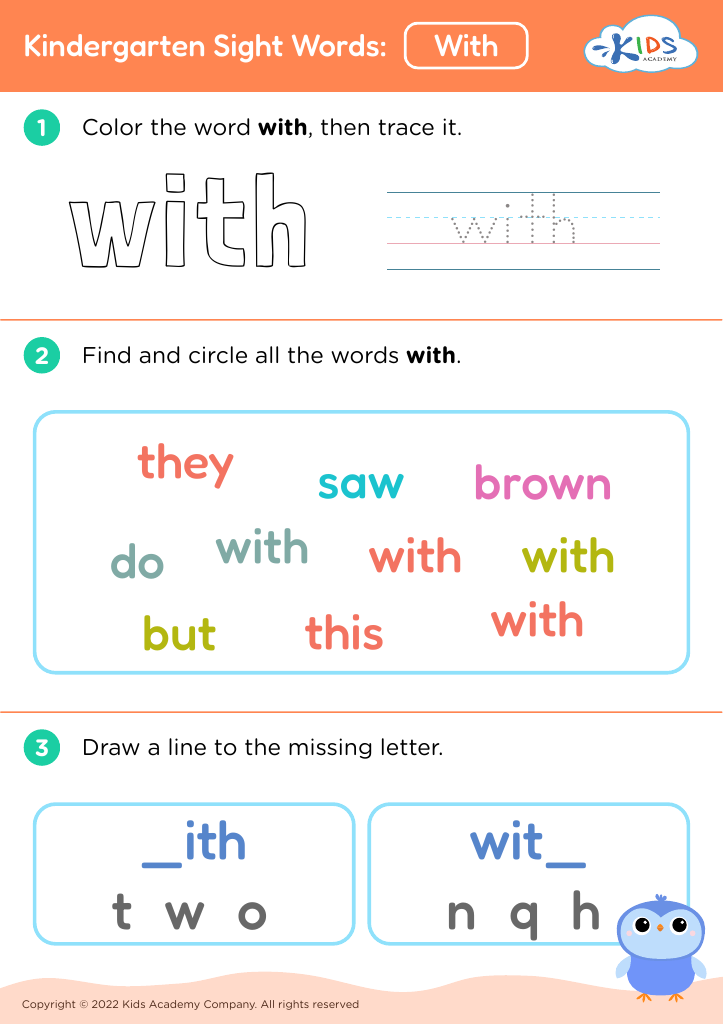








Enhancing vocabulary knowledge for children aged 5-8 is crucial for their overall development and academic success. At this stage, children are rapidly acquiring language skills, making it the perfect time to enrich their vocabulary. A robust vocabulary lays the foundation for effective communication, enabling children to express themselves clearly and confidently.
Additionally, vocabulary knowledge significantly impacts reading comprehension. As children learn to decode words, a rich vocabulary allows them to understand and engage with texts on a deeper level. This fosters a love for reading, which is essential for lifelong learning. Children with enhanced vocabulary also excel in writing, allowing them to articulate their thoughts and ideas creatively.
Moreover, a diverse vocabulary supports critical thinking and academic performance across subjects. When children can grasp new concepts, discuss them articulately, and express their opinions effectively, they are more likely to succeed in school.
Finally, enhancing vocabulary encourages social skills. Children with strong vocabulary are better equipped to engage in conversations, make friends, and navigate social situations. Thus, both parents and teachers play an essential role in cultivating a rich linguistic environment, ensuring children are well-prepared for future challenges and opportunities.








