Enhances number recognition Worksheets for Ages 5-8
7 filtered results
-
From - To
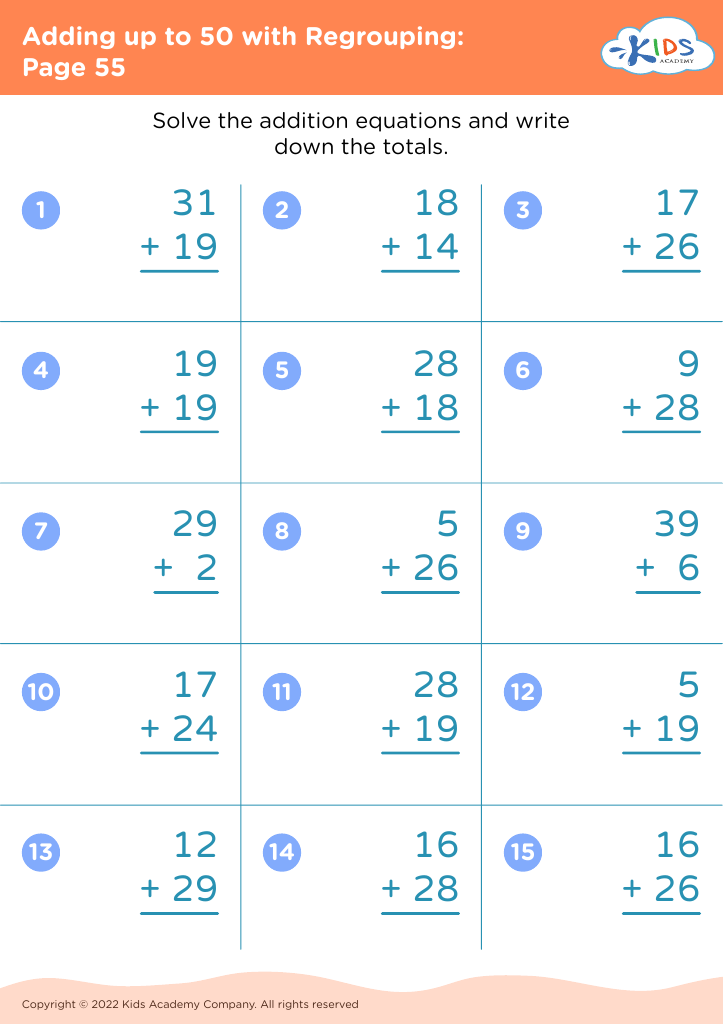
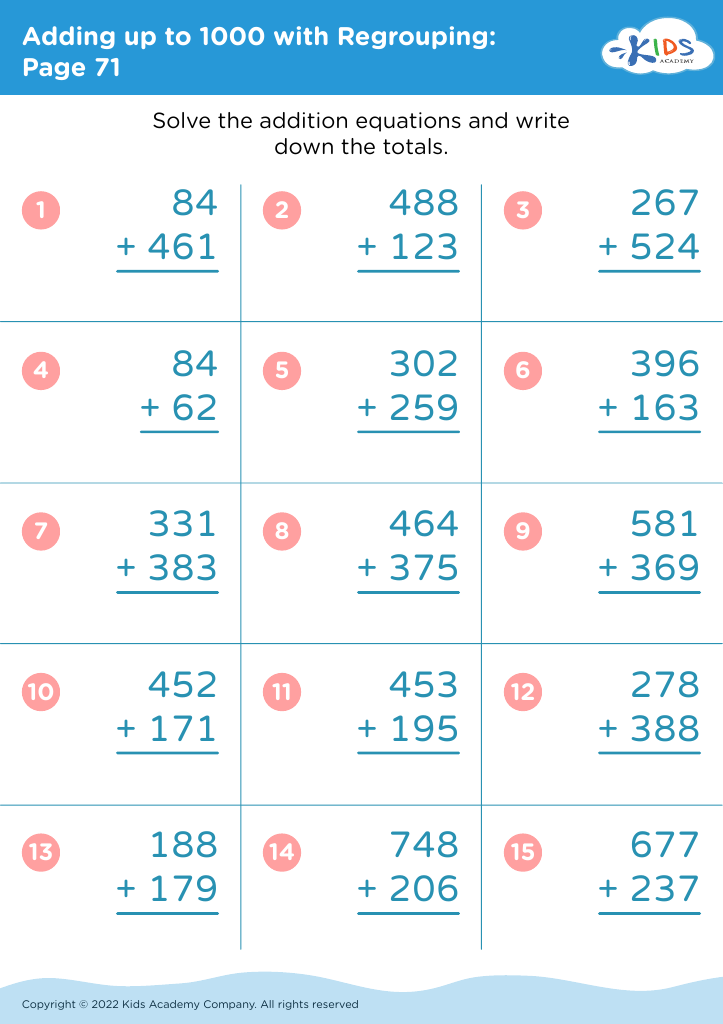
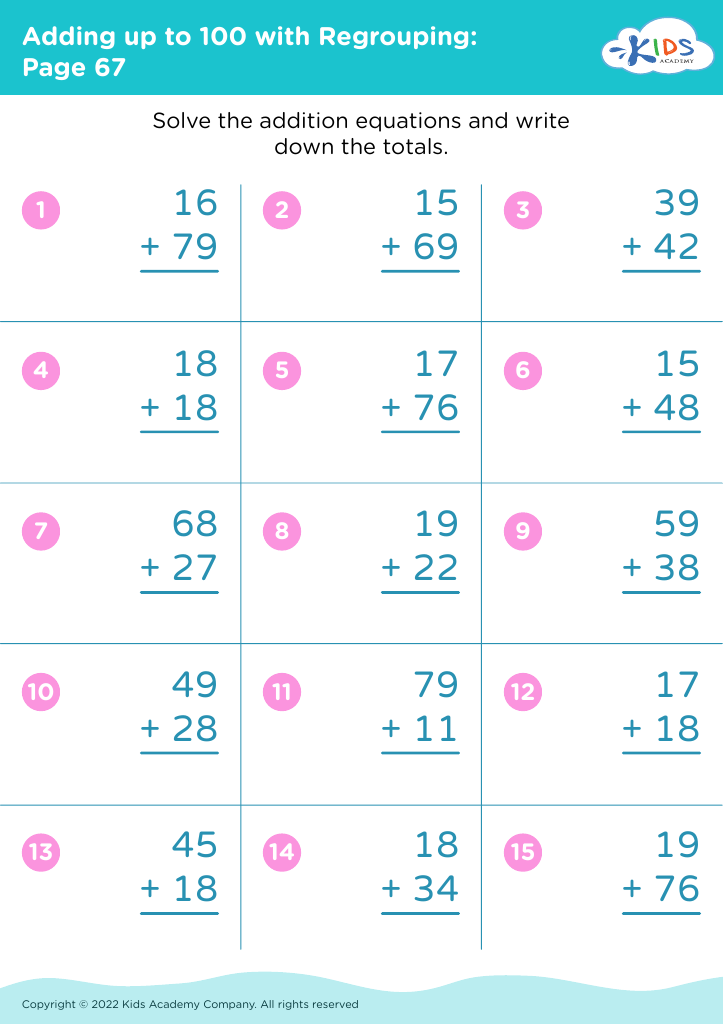
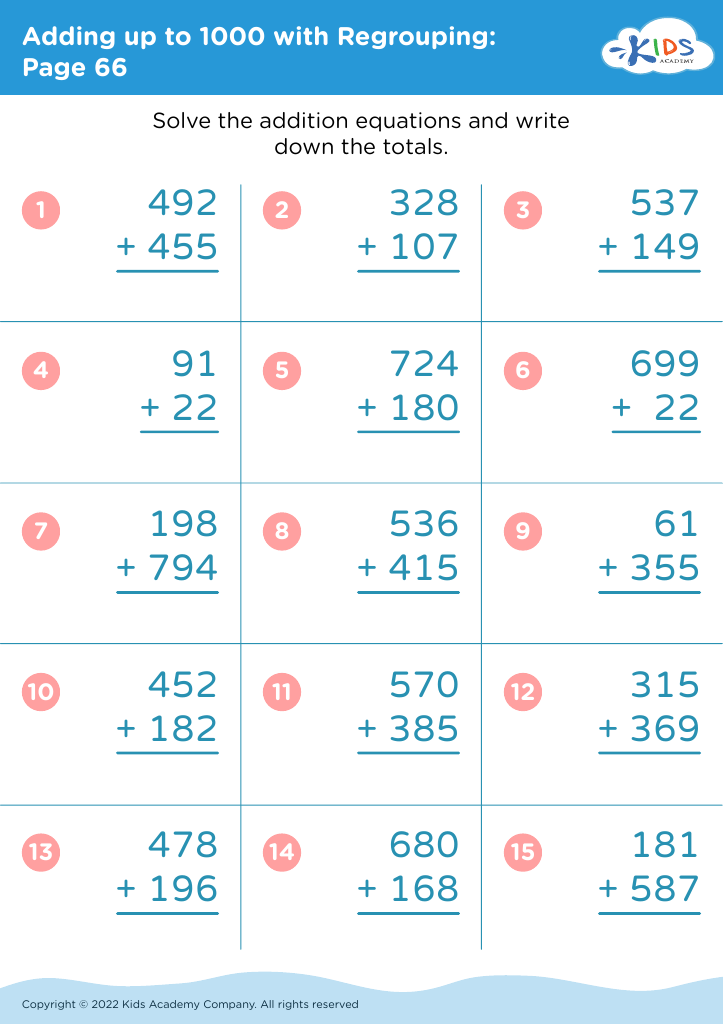
Discover our "Enhances Number Recognition Worksheets" tailored for children ages 5-8! These engaging, playful, and educational worksheets are designed to reinforce numerical understanding, from identifying numbers to mastering counting sequences. Each activity is curated to spark curiosity and boost confidence through vibrant illustrations and interactive tasks. Ideal for both classroom settings and at-home practice, our worksheets encourage kids to develop essential math skills while having fun. Give your child the tools they need to excel in number recognition, setting a strong foundation for future learning. Start exploring today and watch their numerical confidence soar!
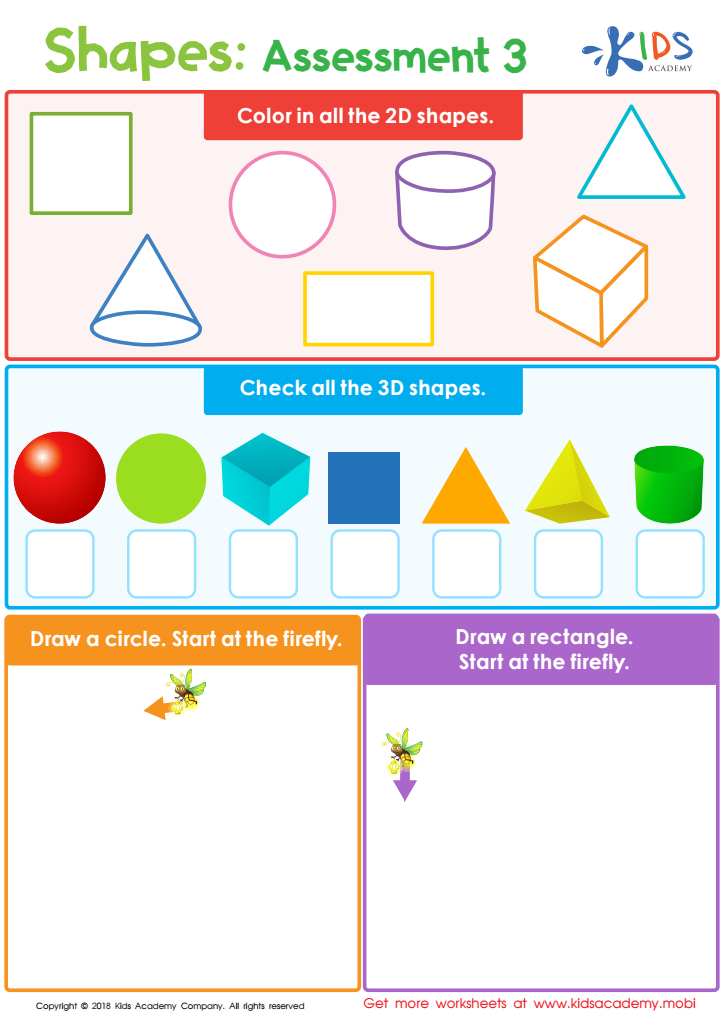
Shapes: Assessment 3 Worksheet
 Assign to My Students







Enhancing number recognition in children aged 5-8 is crucial for their overall cognitive and academic development. At this formative stage, young learners are developing foundational skills that will support their future learning experiences. Strong number recognition abilities enable children to better understand mathematical concepts, which are integral parts of daily life and academic achievement.
Firstly, early number recognition lays the groundwork for arithmetic operations such as addition, subtraction, multiplication, and division. By recognizing numbers quickly and accurately, children can more easily grasp these basic arithmetic concepts, leading to greater confidence and success in mathematics. This early proficiency can often set the tone for a positive attitude towards math in later years.
Furthermore, number recognition is linked to problem-solving skills. Children who can identify and work with numbers effortlessly are better equipped to approach and solve problems logically, both in and out of school. This cognitive skill translates into real-world situations, enabling children to manage money, tell time, and follow instructions that involve numerical information.
Lastly, strong number recognition skills are associated with improved overall academic performance. Proficiency in mathematics often correlates with enhanced abilities in other subjects, as it promotes critical thinking, pattern recognition, and logical reasoning abilities. Therefore, parents and teachers should prioritize number recognition to help children build a solid foundation for lifelong learning and success.








