Fine motor skills (writing) Worksheets for Ages 5-8 - Page 2
46 filtered results
-
From - To
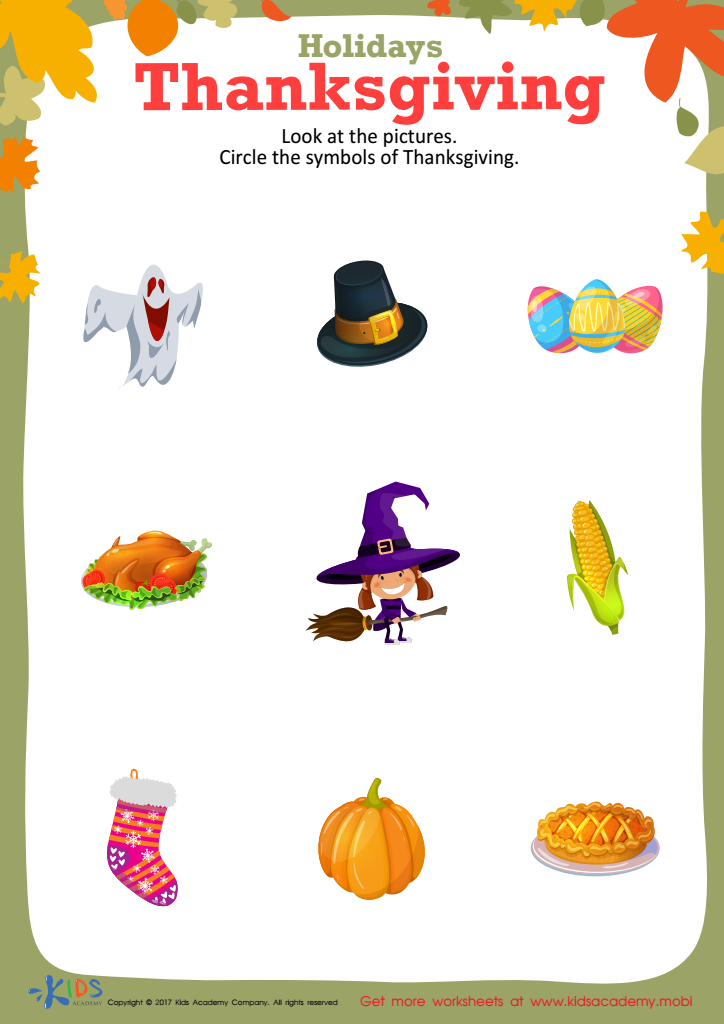
Thanksgiving Holiday Printable
 Assign to My Students
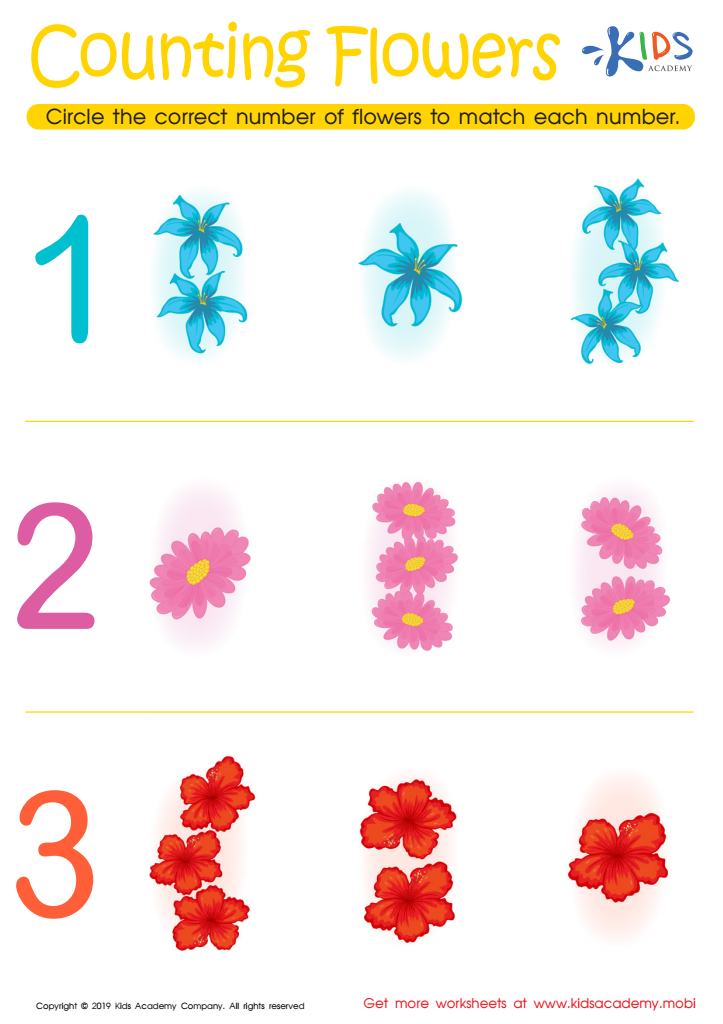
Counting Flowers Worksheet
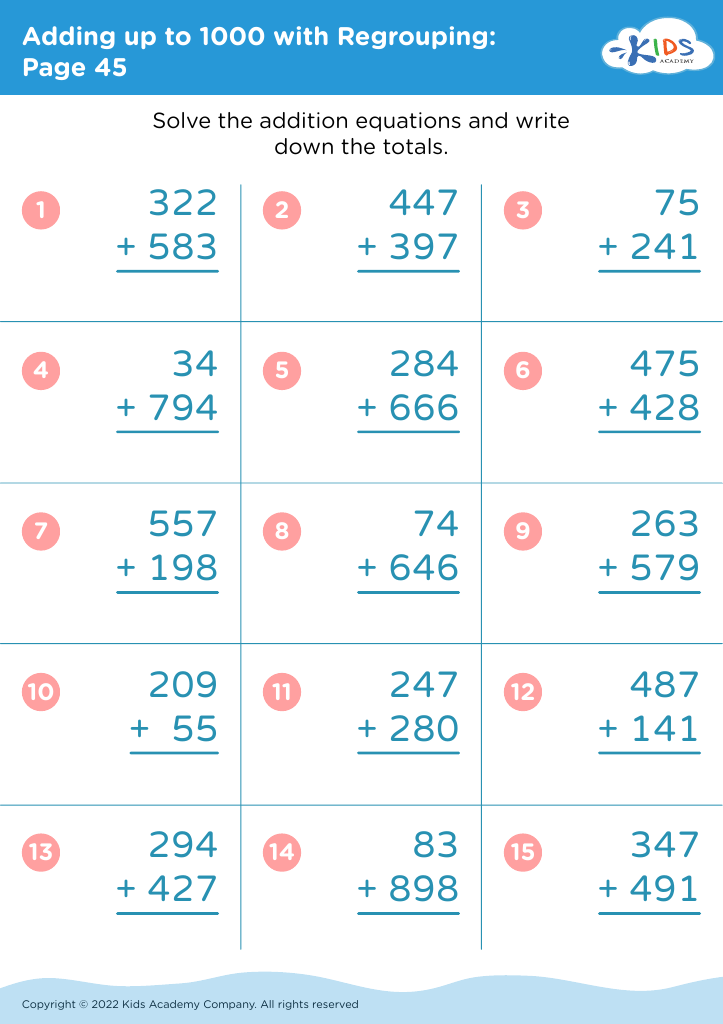
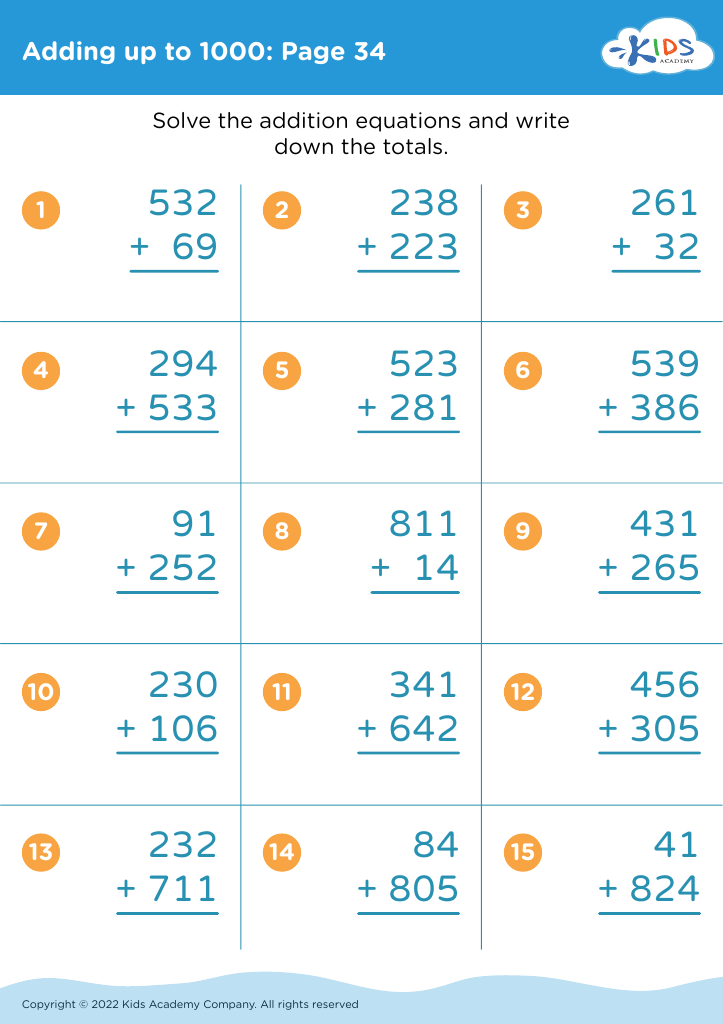
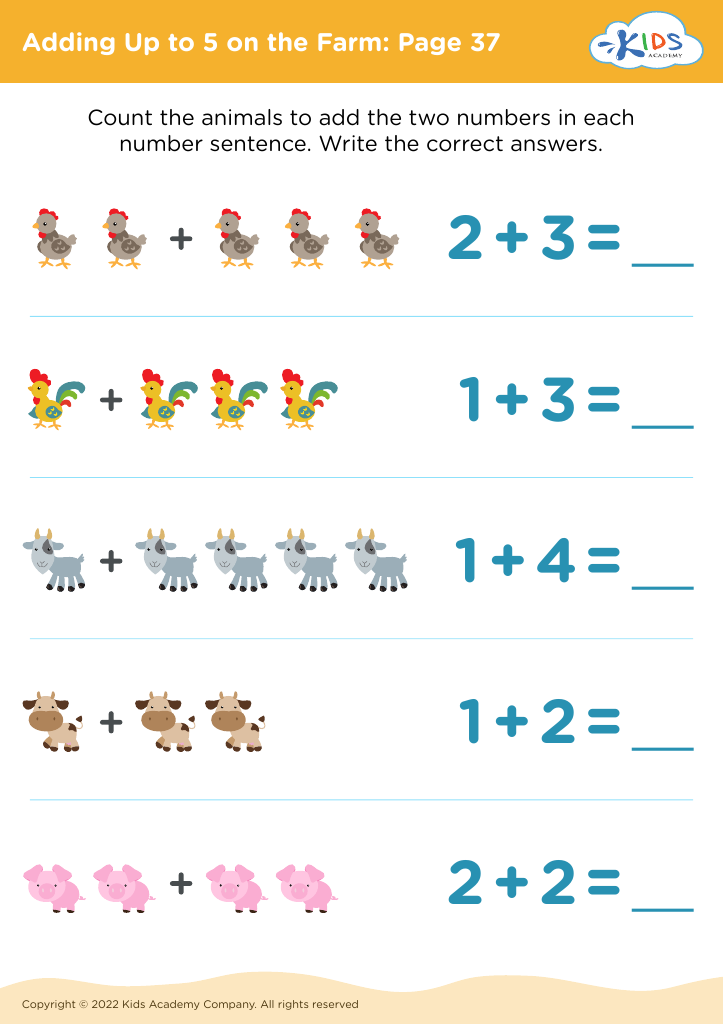
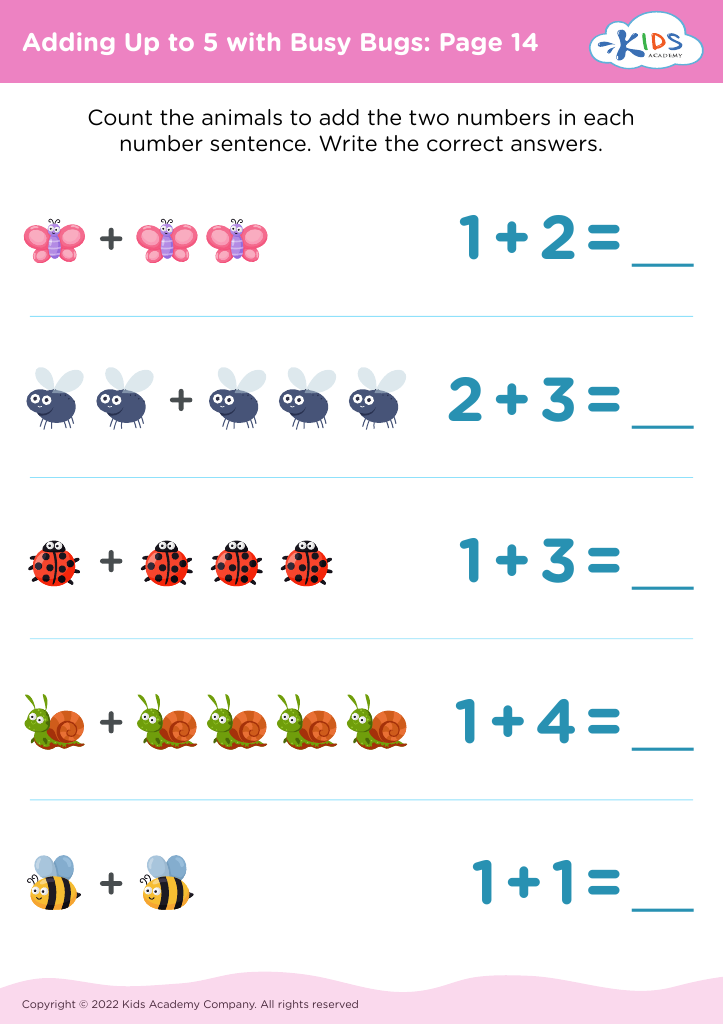
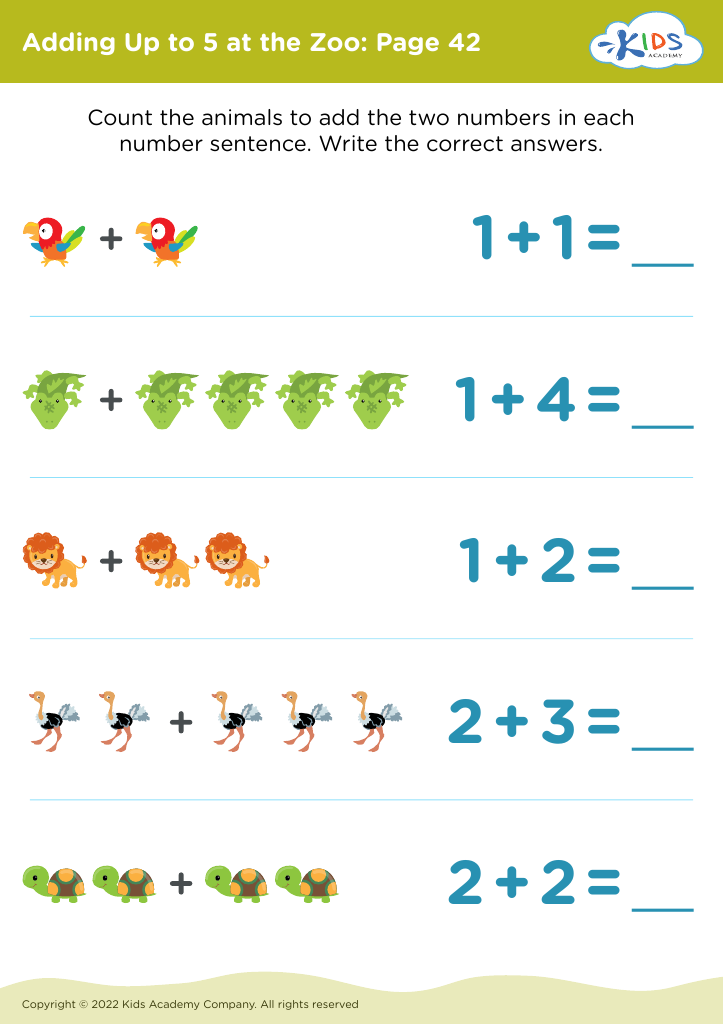
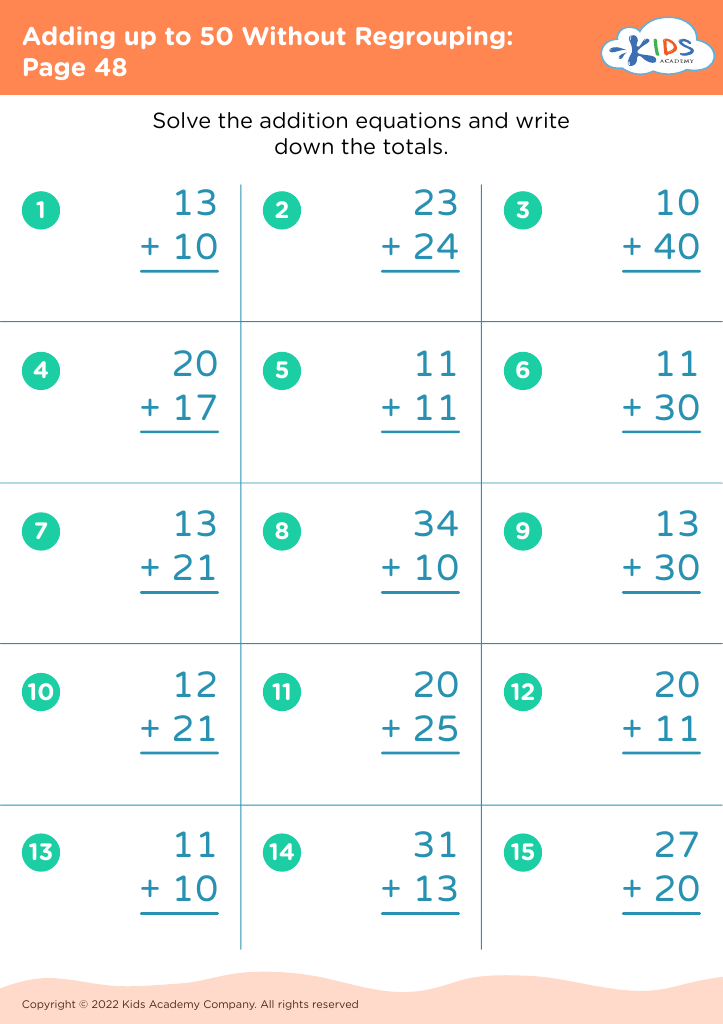
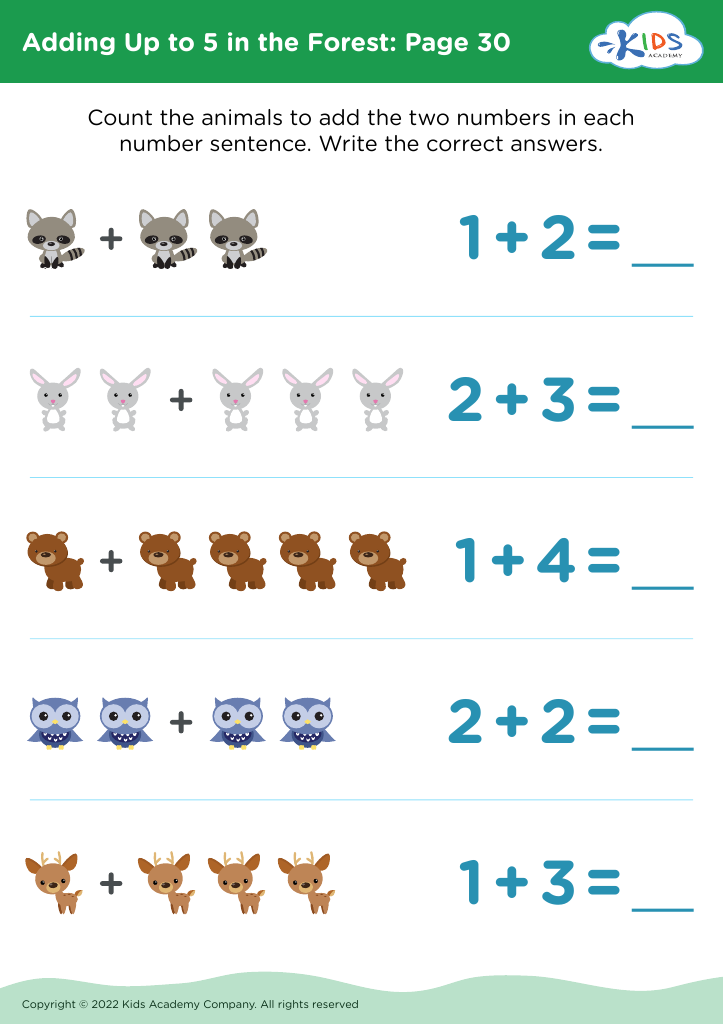
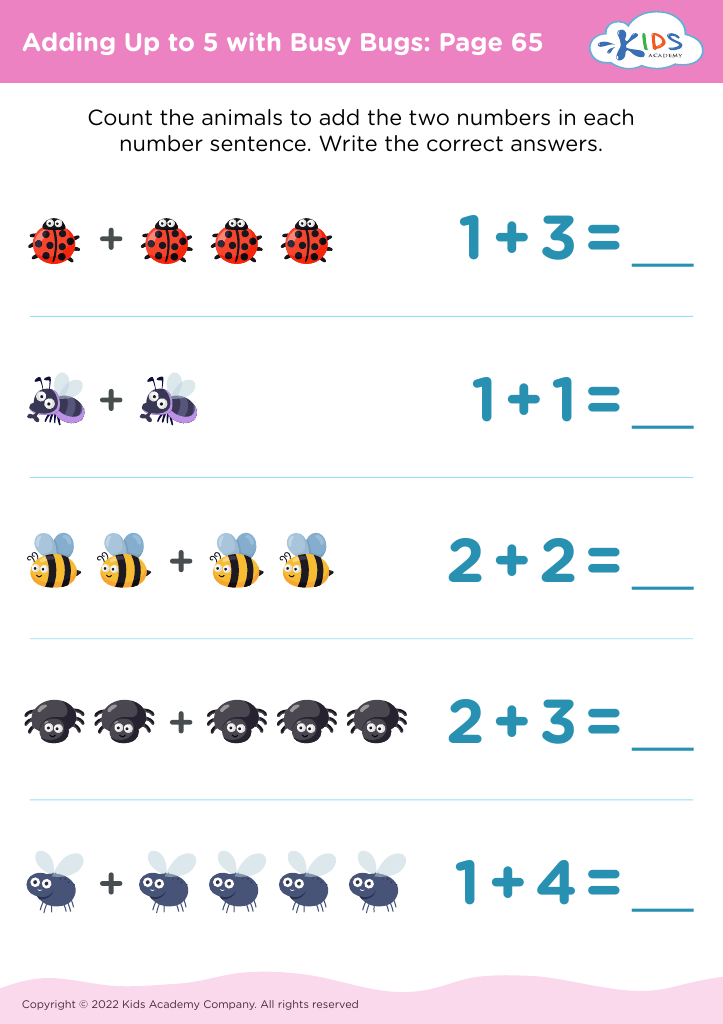
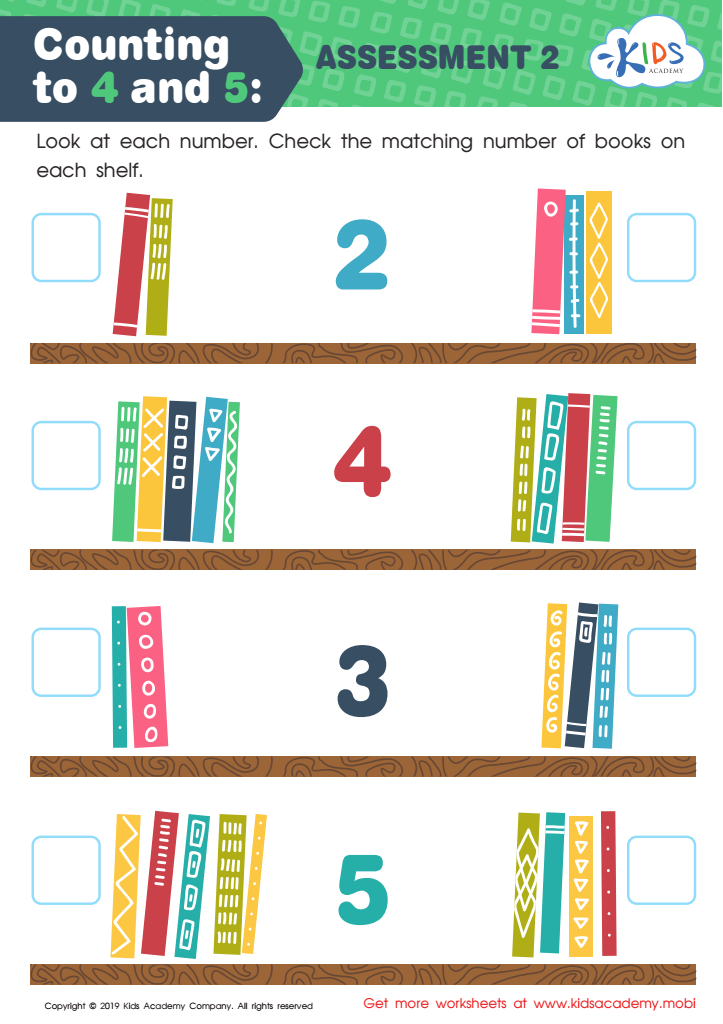
Counting to 4 and 5: Assessment 2 Worksheet
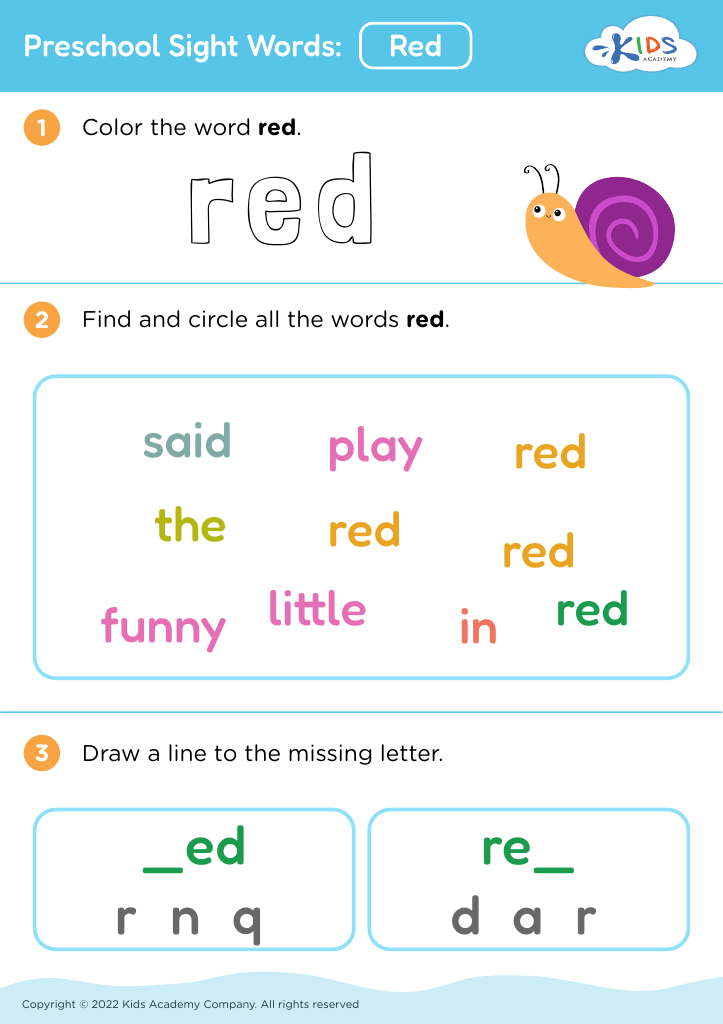








Fine motor skills, which involve the coordination of small muscles in movements like writing, cutting, and buttoning, are crucial for children aged 5-8 for several important reasons. Firstly, these skills are foundational for academic success. Writing is a primary mode of communication in school, needed for tasks ranging from taking notes to completing assignments and tests. Mastery in handwriting supports legibility and speed, allowing children to keep up with classroom activities and express their ideas clearly.
Secondly, fine motor skills are linked to cognitive development. The process of learning to write forms neural connections that are beneficial for memory and understanding. Studies show that the act of writing by hand enhances learning and retention, providing a cognitive boost that can aid in multiple areas of learning.
Socially, the ability to engage in activities that require fine motor skills promotes inclusion and self-confidence. Children feel more competent and less frustrated when they can manipulate tools effectively or participate in arts and crafts with peers.
Finally, everyday life activities depend on these skills. Buttoning clothes, tying shoes, and even using utensils at mealtime are all fine motor tasks that promote independence. Thus, parents and teachers play a critical role in encouraging and supporting the development of fine motor skills to ensure that children thrive in all aspects of their lives.








