
Handwriting development Worksheets for Ages 5-8
3 filtered results
Difficulty Level
Grade
Age
-
From - To
Subject
Activity
Standards
Welcome to our Handwriting Development Worksheets for ages 5-8! Our carefully designed resources aim to enhance children's handwriting skills through engaging and interactive activities. The worksheets are suitable for early learners, providing a mix of traceable letters, fun prompts, and creative exercises to build fine motor skills and confidence in writing. With a range of themes and difficulty levels, these worksheets cater to different learning styles, ensuring that kids stay motivated and inspired. Encourage your child’s love for writing while fostering proper letter formation and dexterity. Explore our vibrant collection and watch your child flourish in their handwriting journey!
Favorites
With answer key
Interactive
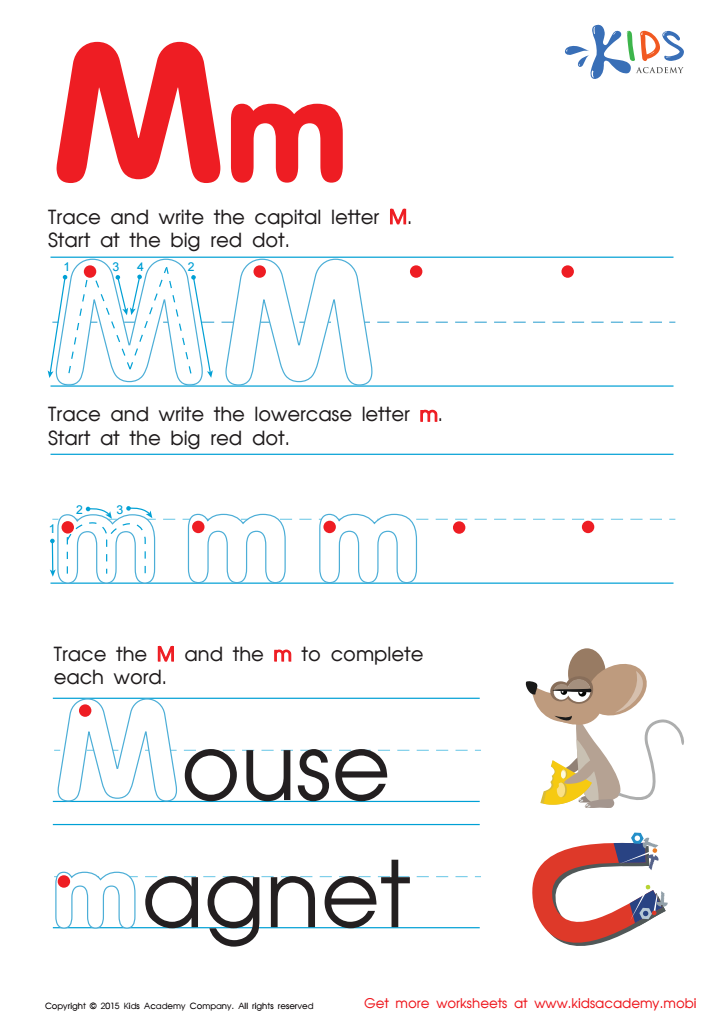
Letter M Tracing Page
Trace and write the letter "M" to help kids learn the alphabet. Start at the red dot and practice several times. Trace the capital letter first, then move on to the lowercase. Complete words like "mouse" and "magnet" in the further exercise. Get more free printables here.
Letter M Tracing Page
Worksheet
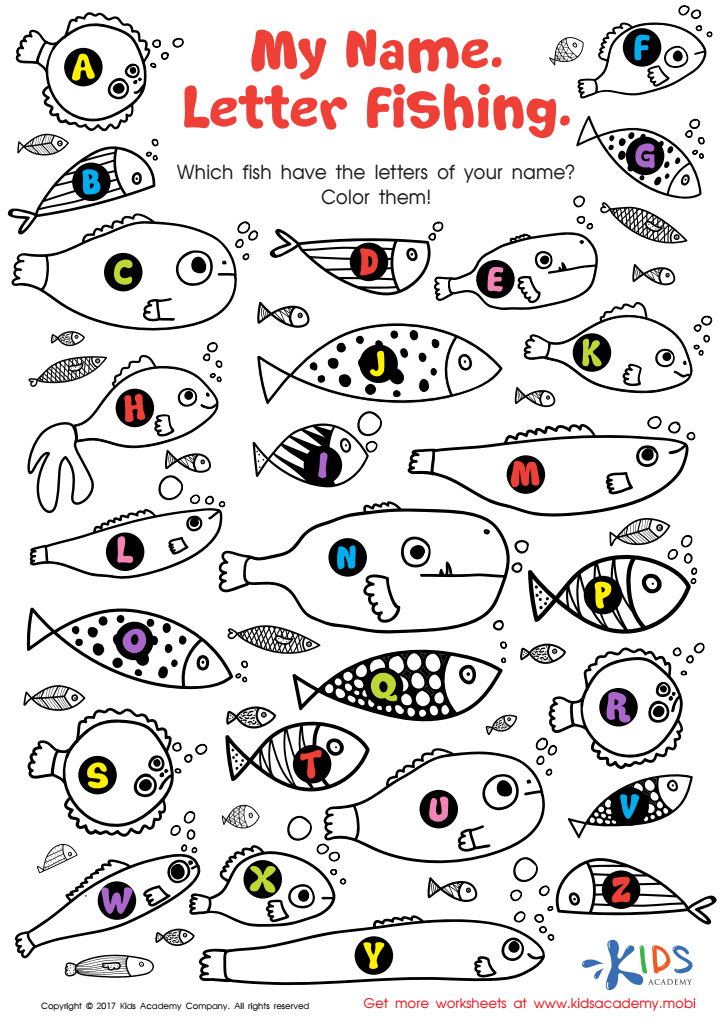
My Name: Letter Fishing Worksheet
Dive into the deep sea and search for fish with a letter on them. Can you find all the letters from your name? Color your favorite fish with crayons and be creative! On the other side, use the letters you found to write your name. Have fun coloring and finding the letters of your name! (80 words)
Download (PDF)
 Assign to My Students
Assign to My Students
My Name: Letter Fishing Worksheet
Worksheet
Join Kids Academy for Free
Who is primarily going to use this learning content?







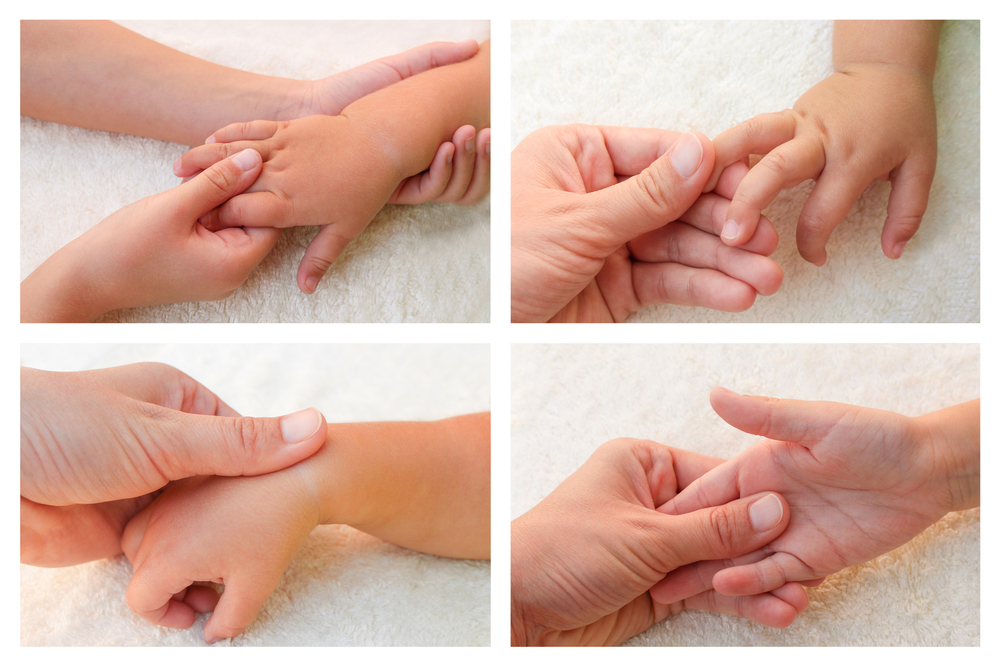
Handwriting development is crucial for children aged 5-8, as it lays the foundation for their academic success and self-expression. This developmental stage is essential in helping children establish fine motor skills, which are vital not only for writing but also for everyday tasks such as buttoning a shirt, using scissors, and manipulating small objects.
Handwriting encourages cognitive skills, including memory, spelling, and reading proficiency. Research shows that the act of writing can enhance understanding; when children write by hand, they engage more deeply with their thoughts, resulting in better retention of information. Moreover, handwriting helps children organize their ideas, promoting critical thinking and creativity.
Socially and emotionally, having legible handwriting boosts a child’s confidence and self-esteem. Positive reinforcement from teachers and parents when children show improvement can stimulate a lifelong love for learning. Conversely, struggles with handwriting can lead to frustration, affecting a child’s attitude towards school.
In today’s digital age, while typing is prevalent, handwriting remains a critical skill. Emphasizing handwriting development ensures a well-rounded education, supporting not just academic achievement but also developing essential life skills. Parents and teachers play a crucial role in fostering this ability, creating opportunities for practice and praise as children grow.








