Identifying equivalent fractions Worksheets for Ages 5-8
8 filtered results
-
From - To
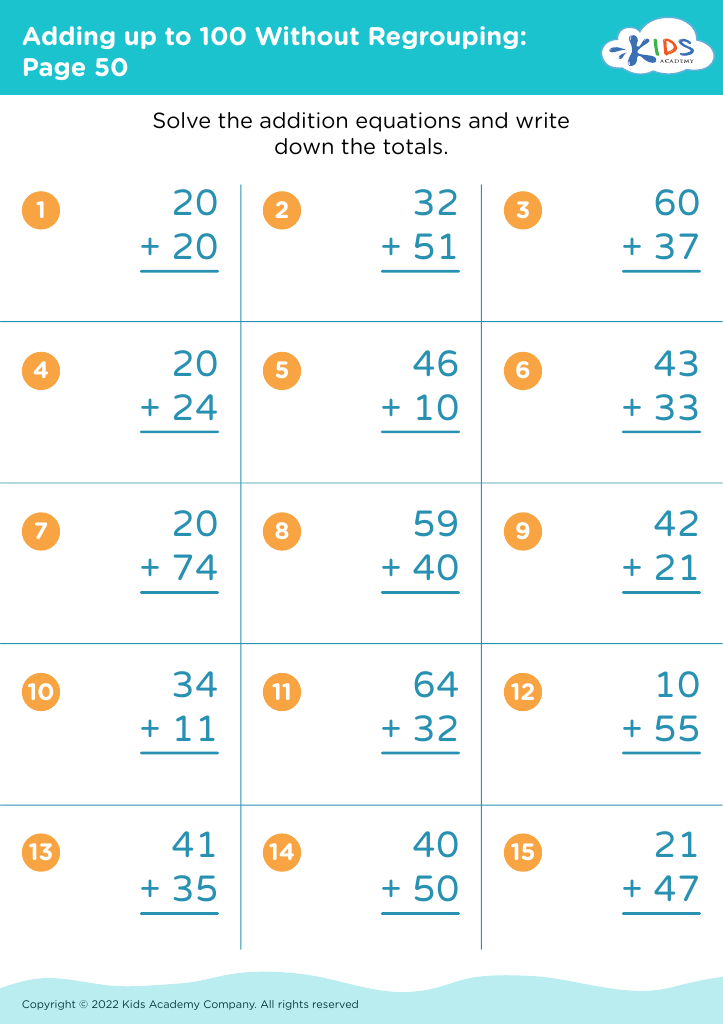
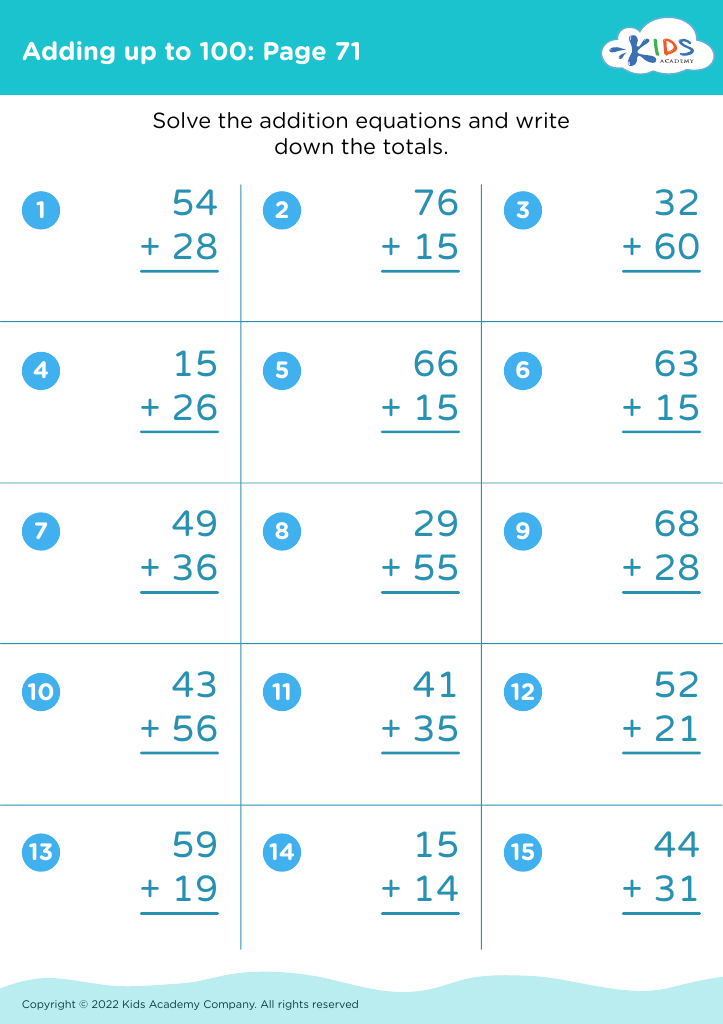
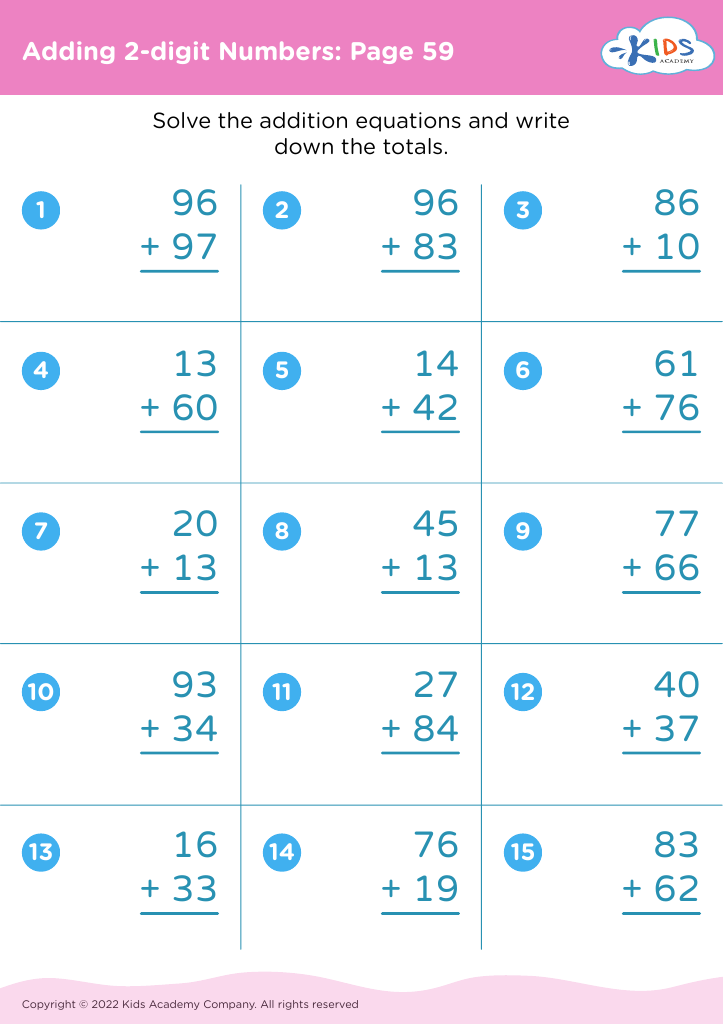
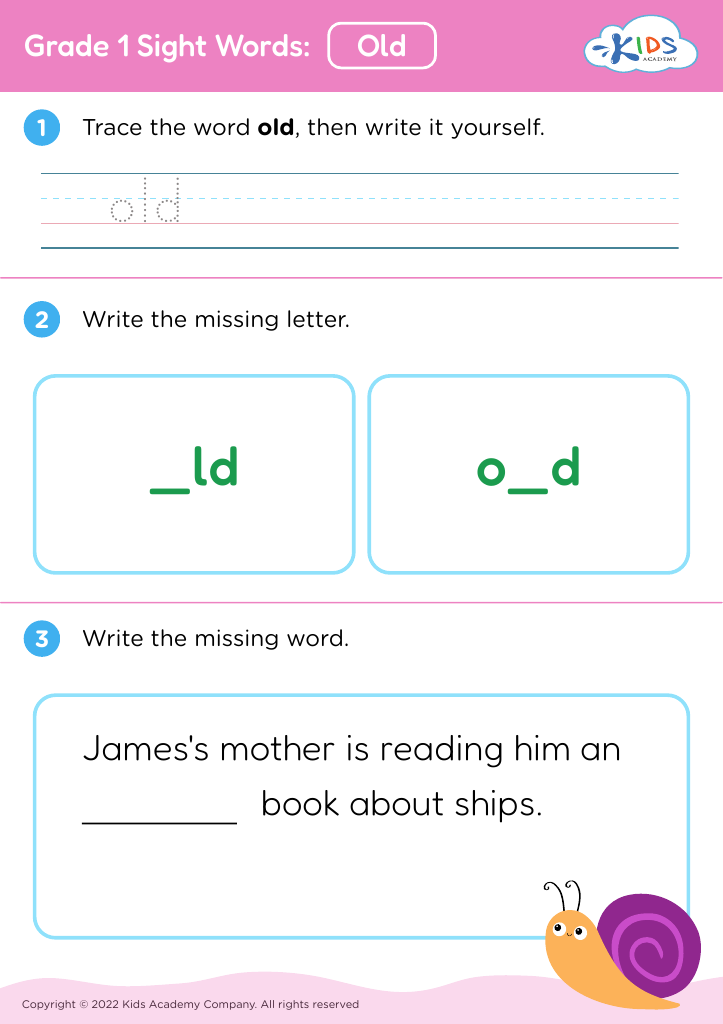
Explore our engaging "Identifying Equivalent Fractions Worksheets" designed for children aged 5-8! These worksheets offer a fun and interactive way for young learners to grasp the concept of equivalent fractions. Through a variety of colorful and relatable activities, kids will match fractions, complete visual puzzles, and solve simple problems. Our resources encourage critical thinking and help build a strong mathematical foundation. Perfect for use at home or in the classroom, these worksheets promote learning through play and creativity. Download now to enhance your child’s understanding of fractions and watch their confidence soar in math!



.jpg)


Identifying equivalent fractions is a foundational math skill that is crucial for children aged 5-8. First, it strengthens their understanding of numbers and enhances their ability to compare quantities, which is a key concept in early mathematics. Recognizing equivalent fractions helps children grasp that different fractions can represent the same part of a whole, promoting flexibility in their thinking and problem-solving skills.
Furthermore, learning about equivalent fractions lays the groundwork for more advanced concepts in mathematics, such as addition, subtraction, and operations with larger fractions in later grades. Outdoors, it nurtures logical reasoning by encouraging students to explore and discover patterns, enhancing their math fluency and confidence.
For parents and teachers, engaging students in games and activities focused on equivalent fractions can make learning fun and interactive, fostering a love for math. It also enables them to track progress and understand individual learning styles, allowing for tailored support.
Ultimately, by emphasizing equivalent fractions, educators and parents equip children with essential life skills such as critical thinking and the ability to make connections, setting them up for future success in both math and everyday problem-solving scenarios.








