Improve observational skills Worksheets for Ages 5-8
3 filtered results
-
From - To
Enhance your child's observational skills with our engaging worksheets designed for ages 5-8! Our carefully crafted activities encourage mindfulness, attention to detail, and critical thinking through fun and interactive exercises. These printable worksheets feature colorful illustrations and relatable scenarios that captivate young learners, making skill development enjoyable. Children will practice identifying differences, sorting objects, and completing patterns, helping them sharpen their focus and analytical abilities. Perfect for use at home or in the classroom, these worksheets align with educational standards and foster cognitive growth, preparing kids for future learning adventures. Download now and watch your child's observational skills soar!
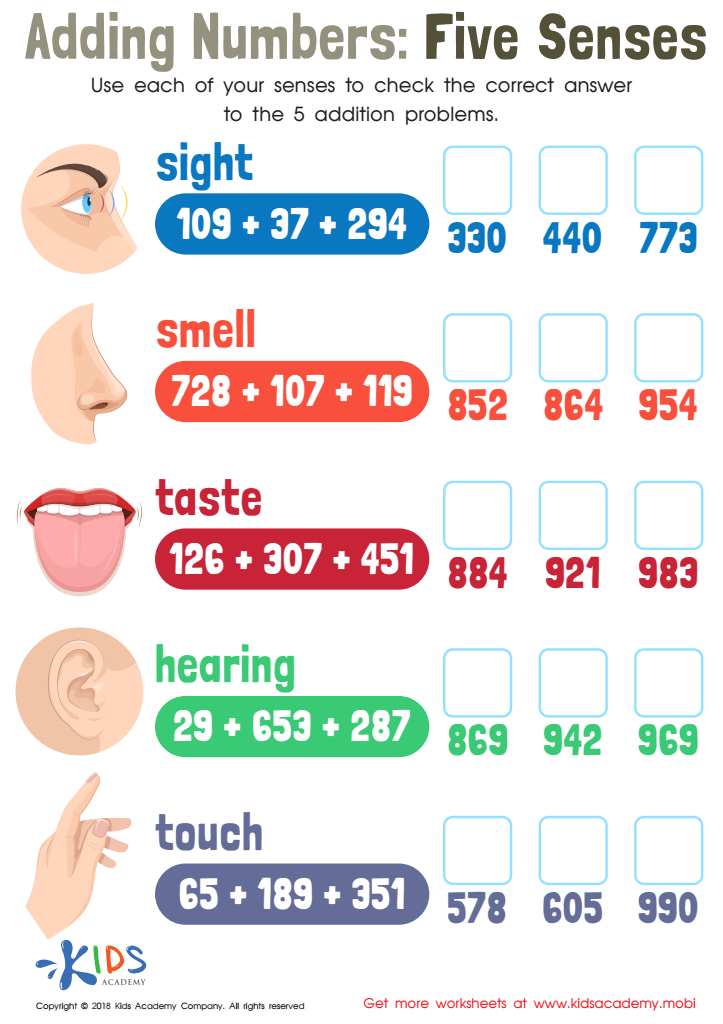
Adding Numbers: Five Senses Worksheet
 Assign to My Students
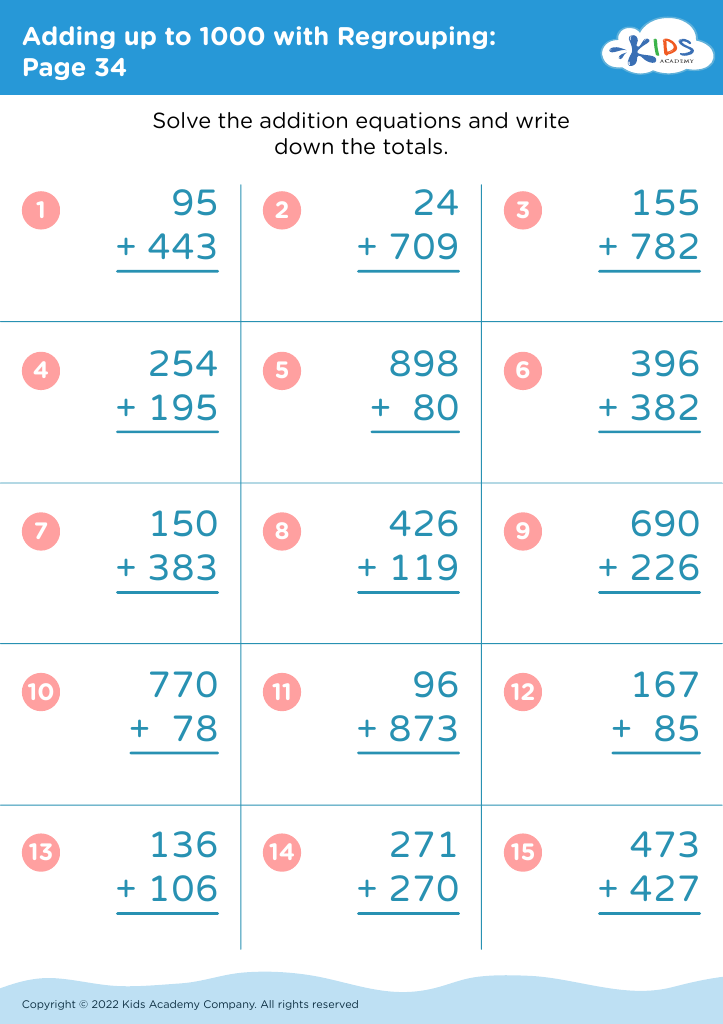
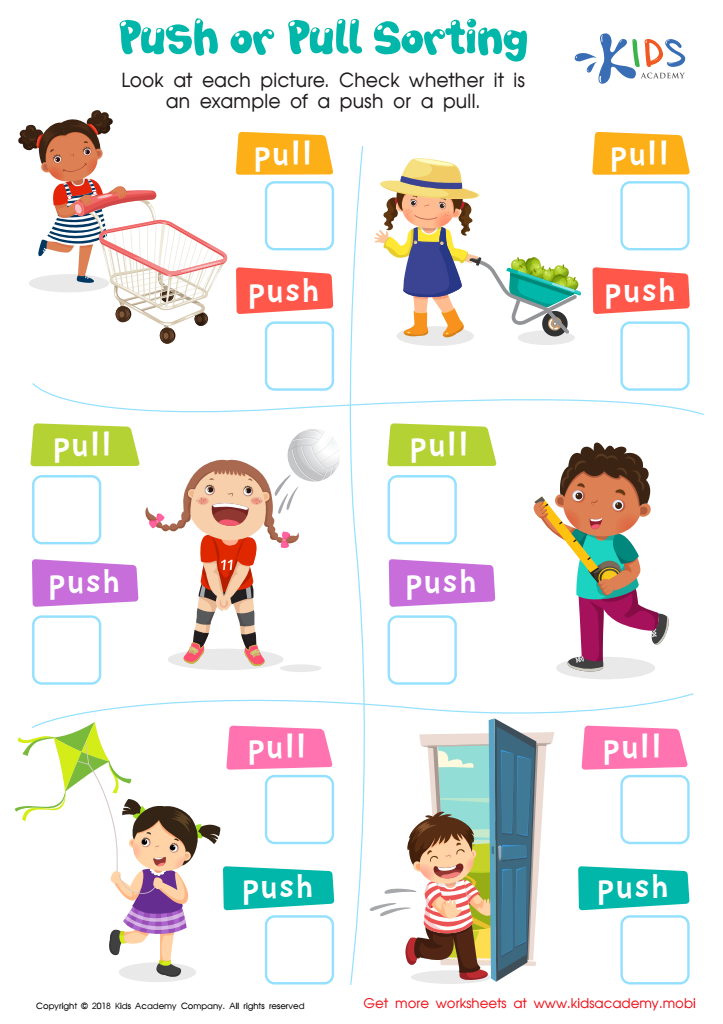
Push or Pull Sorting Worksheet


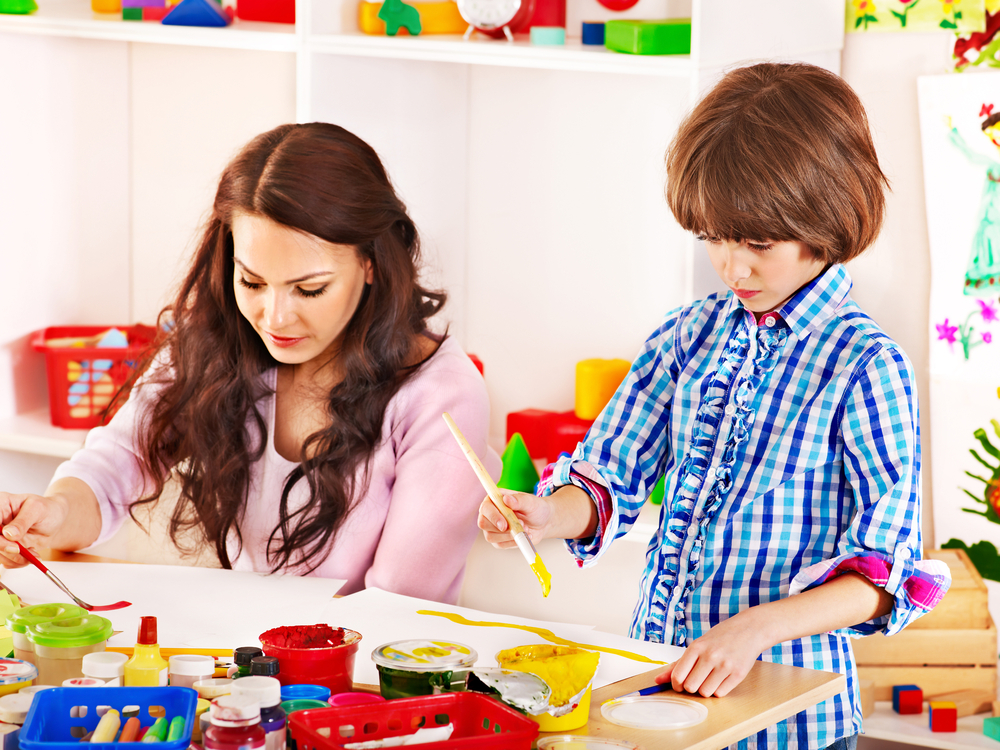




Improving observational skills in children aged 5-8 is crucial for their overall development and learning. At this age, children are naturally curious, and fostering their observational abilities enhances their engagement with the world around them. By sharpening these skills, children learn to notice details, patterns, and differences, which is foundational for critical thinking and problem-solving.
When parents and teachers prioritize observational skills, they create a more stimulating learning environment. Children who observe closely are better equipped to ask questions, make connections, and express their thoughts—key components of effective communication. Additionally, these skills promote creativity, as children explore their ideas and express their understanding through art, storytelling, and science experiments.
Moreover, refined observational skills contribute to social-emotional development. Children who notice subtle cues in their peers' behaviors and emotions can develop empathy and improve their social interactions. In the classroom, they learn to value diverse perspectives, fostering a sense of community.
In summary, enhancing observational skills not only enriches the academic experience of children aged 5-8 but also lays the groundwork for lifelong learning and emotional intelligence, making it a worthy focus for parents and teachers alike.








