Improving counting skills Worksheets for Ages 5-8 - Page 2
26 filtered results
-
From - To
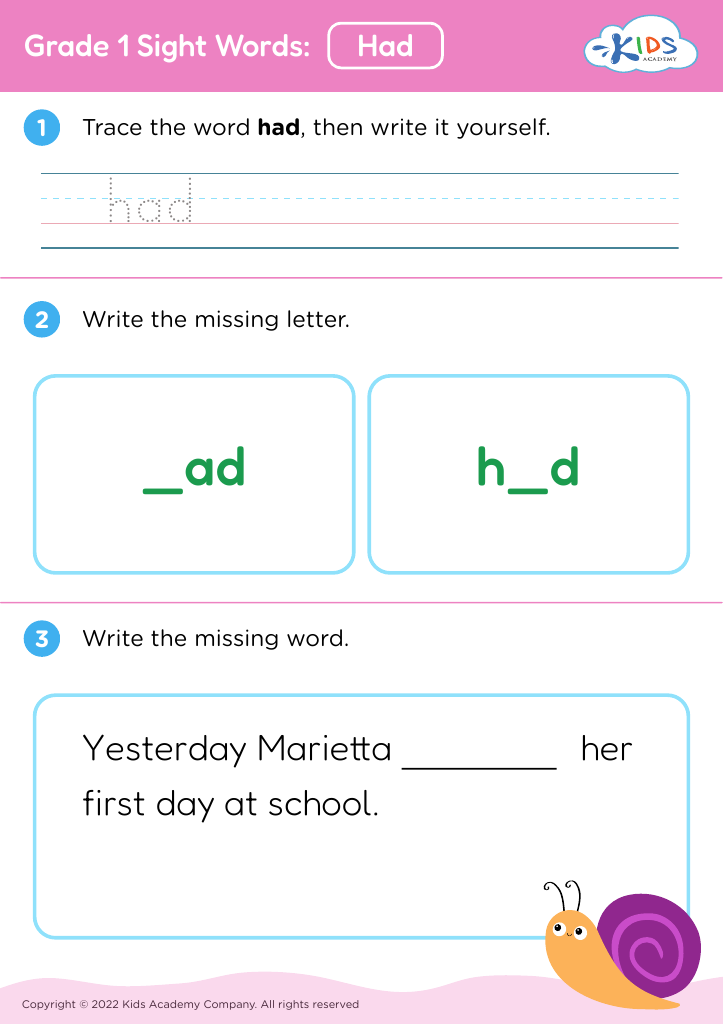
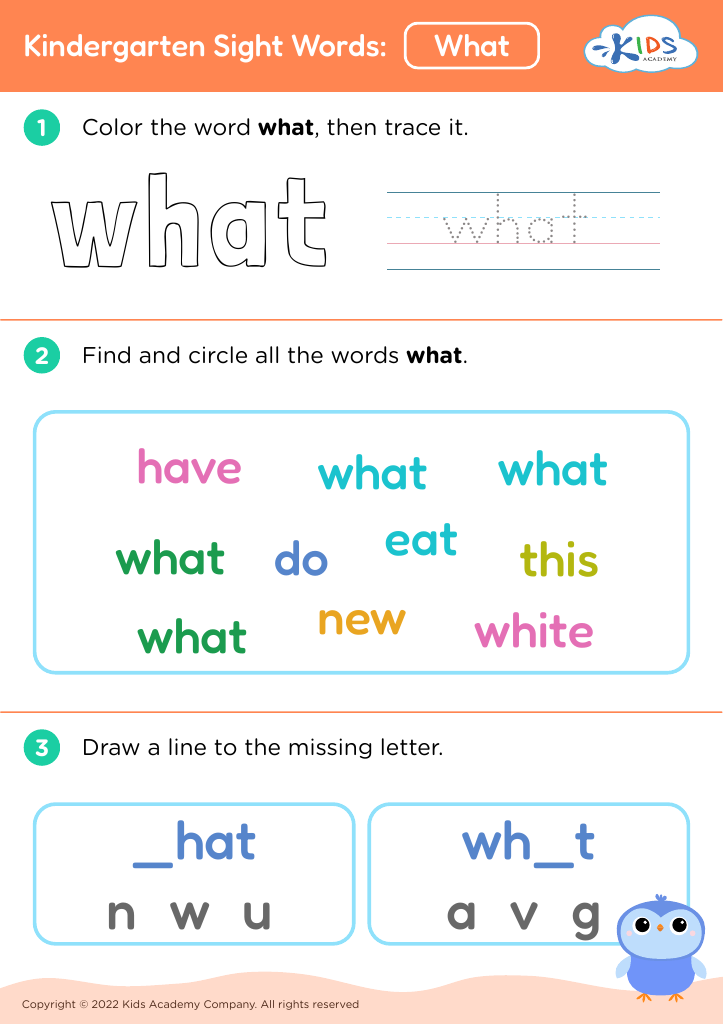






%20(1).jpg)

Improving counting skills in children aged 5-8 is vital for their overall cognitive development and future academic success. At this age, children are foundationally building their understanding of numbers, which lays the groundwork for more complex mathematical concepts. Mastery of counting is not just about rote memorization; it enhances critical thinking, problem-solving abilities, and promotes logical reasoning.
For parents and teachers, fostering counting skills can significantly boost a child's confidence in mathematics. This belief positively influences their attitude toward learning and willingness to engage in data handling and spatial reasoning tasks. Furthermore, strong counting skills support success in subjects beyond math, such as science and even literacy, where sequencing and patterns play important roles.
Moreover, counting lays an early foundation for practical life skills, including budgeting, time management, and resource allocation. Engaging children in counting during daily activities—like counting toys, food, or steps—creates meaningful learning experiences. By prioritizing counting skills, parents and teachers not only enhance academic readiness but also equip children with essential skills they will use throughout their lives. Ultimately, fostering these skills ensures children feel competent and enthusiastic about continuing their education, creating a strong foundation for lifelong learning.








