Information processing Worksheets for Ages 5-8
4 filtered results
-
From - To
Discover our engaging Information Processing Worksheets designed specifically for children aged 5 to 8. These worksheets are expertly crafted to enhance critical thinking, memory, and comprehension skills through fun and interactive activities. Covering various topics such as categorization, sequencing, and pattern recognition, they help young learners master essential cognitive abilities. Perfect for home practice or classroom use, our worksheets promote independent learning and boost confidence in young minds. With colorful illustrations and age-appropriate tasks, children will enjoy developing their information processing skills while exploring new concepts. Dive into enriching educational materials that make learning both fun and effective!
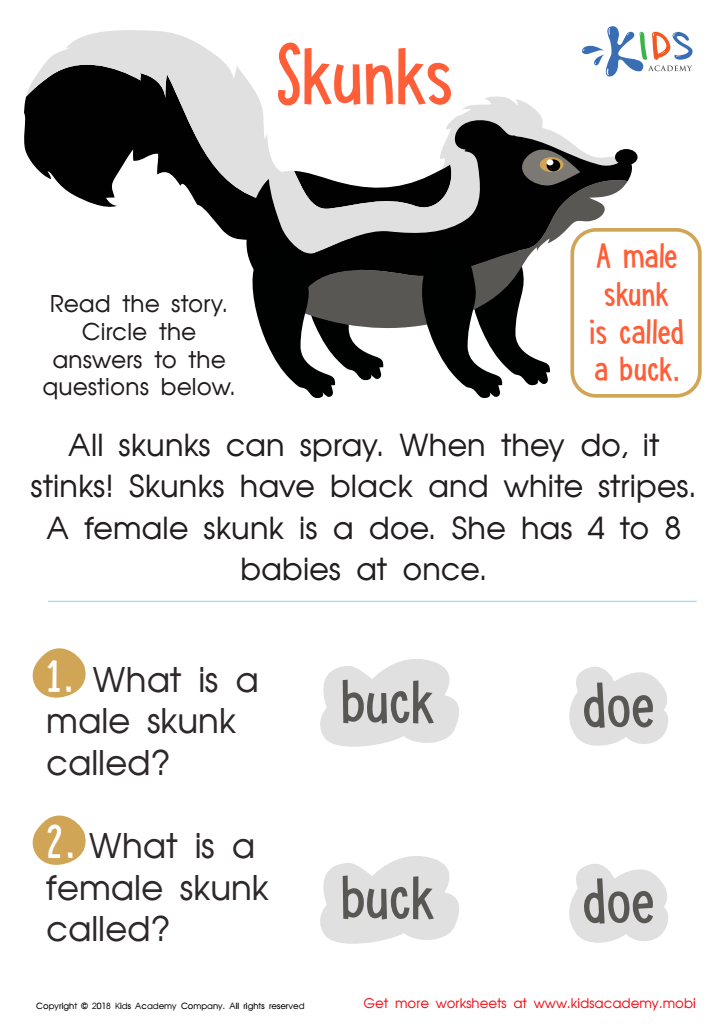
Skunks Worksheet
 Assign to My Students
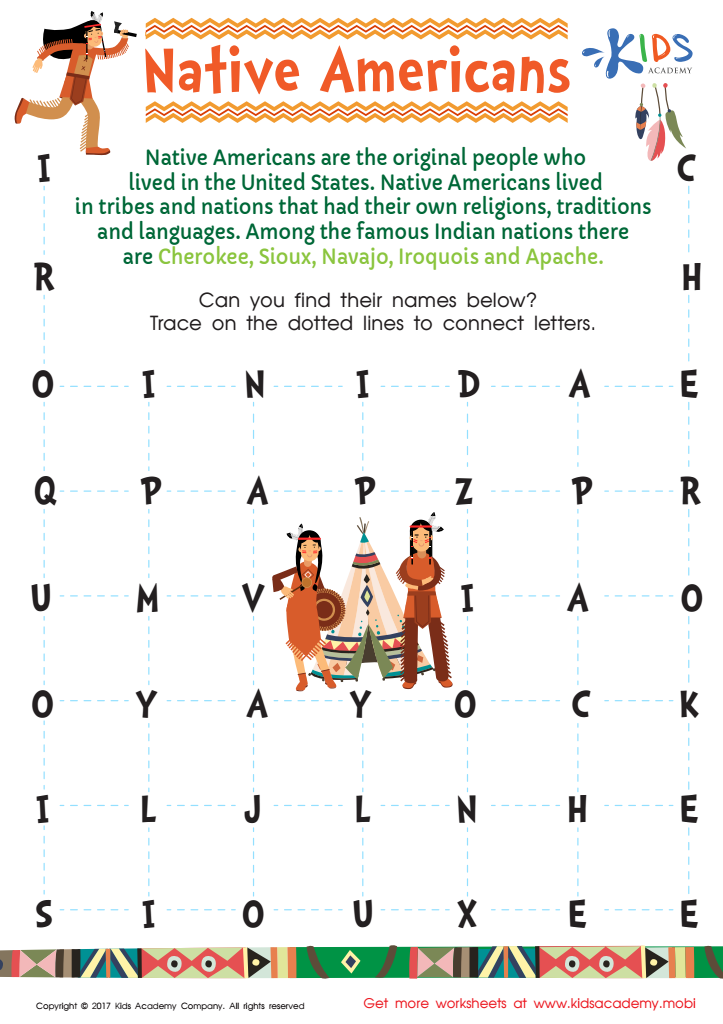
Native American Word Search Printable
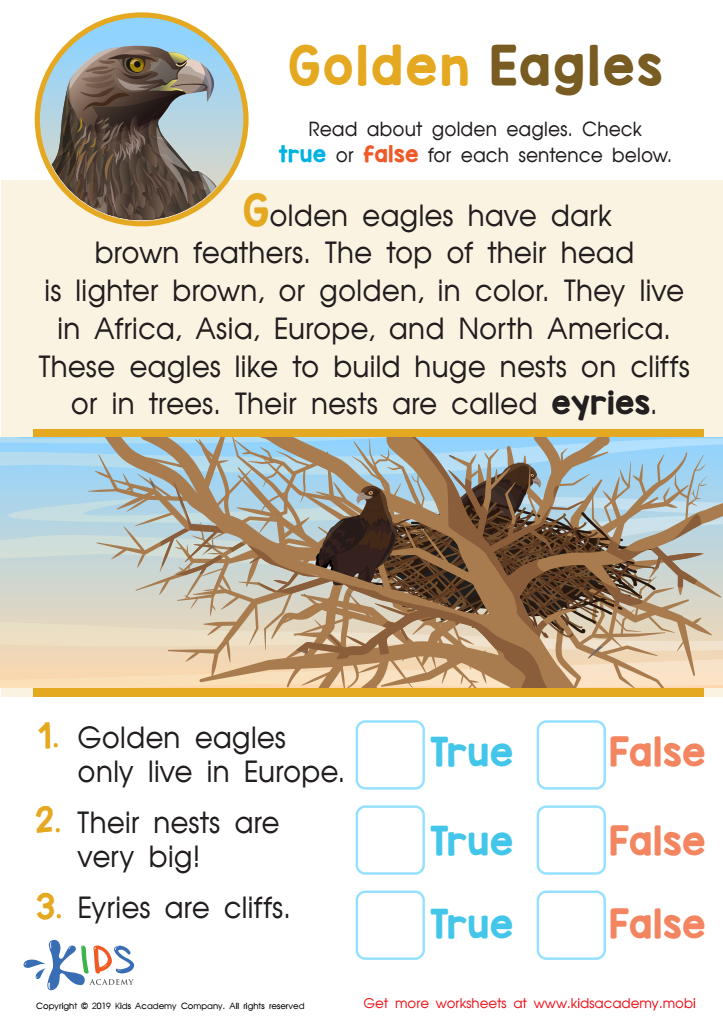
Golden Eagles Worksheet
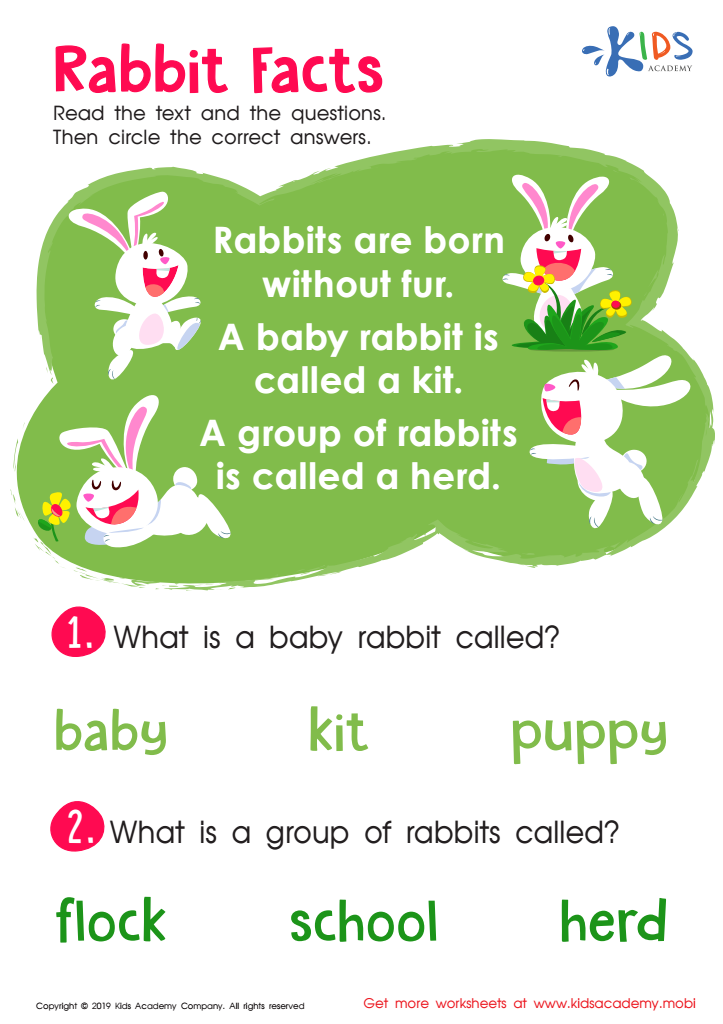
Rabbit Facts Worksheet








Understanding information processing in children ages 5-8 is crucial for parents and teachers because it lays the foundation for learning and cognitive development. At this age, children are transitioning from concrete to more abstract thinking, and their ability to process information efficiently significantly influences their academic success and social interactions.
Firstly, parents and teachers can utilize knowledge of information processing to tailor educational experiences that align with children's developmental stages. By recognizing how children encode, store, and retrieve information, educators can design engaging activities that stimulate critical thinking, enhance memory, and promote creativity.
Moreover, children often face challenges like attention deficits or difficulties with memory. By identifying these issues early on, parents and teachers can implement strategies that support and strengthen these areas, ensuring that children remain confident learners.
Additionally, understanding information processing helps in fostering effective communication and social skills. Many interpersonal interactions depend on how we process verbal and nonverbal cues. Knowledge in this realm enables adults to guide children in building empathy, cooperation, and problem-solving abilities.
Ultimately, by caring about information processing, adults contribute to holistic development, which equips children with the necessary tools for lifelong learning and adaptive social functioning.








